
When parking your car under the intense tropical sun, the interior can quickly transform into a high-temperature oven. Deciding between a front windshield sunshade and side window sunshades depends on whether your primary goal is protecting your vehicle’s interior hardware or ensuring the immediate comfort of your passengers. Both accessories serve distinct purposes in managing solar heat and ultraviolet radiation, making them complementary rather than mutually exclusive solutions.
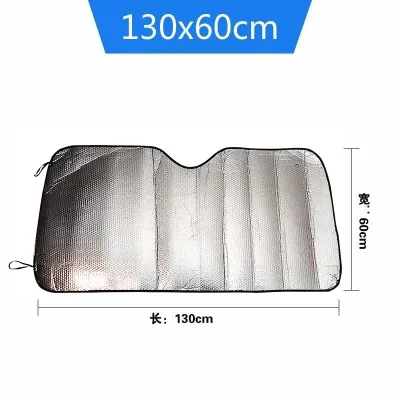
Front windshield sunshades are designed to block solar energy at its largest point of entry. By reflecting sunlight before it penetrates the cabin, these shades protect critical components like the dashboard, steering wheel, and front seats from thermal degradation and cracking. They are highly effective at reducing overall ambient heat buildup when the vehicle is parked for extended periods.
Side window sunshades focus on localized passenger comfort and glare reduction while the vehicle is in motion. They shield rear-seat occupants, particularly children and pets, from direct, angled sunlight that causes skin discomfort and eye strain. These shades also protect side upholstery and door panel materials from localized fading.
Products mentioned in this guide
Prices are valid at publication and may change. Please refer to the product page for the latest price.
In regions with year-round high temperatures and intense solar radiation, such as Singapore, using a combination of both front and side sunshades provides the most robust defense. This dual-layer approach addresses both parked thermal accumulation and dynamic passenger comfort, helping to maintain a cooler cabin and preserve the vehicle’s long-term resale value.
How Front Windshield Sunshades Protect Your Vehicle
The front windshield is the largest glass surface on any vehicle, and its steep angle makes it a primary collector of solar radiation. When sunlight passes through this expansive pane, it strikes dark interior surfaces like the dashboard and steering wheel. These surfaces absorb the shortwave radiation and re-emit it as longwave infrared radiation, which cannot easily escape back through the glass. This process creates a rapid greenhouse effect, driving cabin temperatures far above the outside ambient air.
Unchecked solar exposure causes severe material degradation over time. Modern dashboards are constructed from complex polymers, vinyl, or leather, which rely on chemical plasticizers to remain flexible. Under intense heat and UV radiation, these plasticizers evaporate, leading to a sticky surface texture, discoloration, warping, and eventually deep cracks. A high-quality front windshield sunshade acts as a physical barrier, reflecting this radiation back out through the glass before it can interact with your interior surfaces.
By preventing extreme heat buildup, a front sunshade significantly reduces the initial thermal load on your vehicle’s air conditioning system. When you enter a car that has been sitting in direct sunlight, the air conditioning compressor must work at maximum capacity to lower the cabin temperature. This high demand increases fuel consumption in internal combustion vehicles and drains battery range in electric vehicles. Utilizing a front shade keeps the baseline temperature manageable, allowing the cabin to reach a comfortable state much faster and with less mechanical strain.
Drivers can choose from several common designs of front windshield sunshades, each offering distinct operational trade-offs:
- Foldable Accordion Shades: Typically constructed from reflective foil-faced bubble wrap or foam. These shades offer excellent rigidity and are easy to prop up against the glass using the vehicle's built-in sun visors. However, their stiff structure makes them bulky and somewhat awkward to store when not in use.
- Roll-Up Fabric Shades: Made from flexible reflective materials that roll into a tight cylinder. While they are highly durable and resist tearing, they can lose their structural memory over time, leading to sagging edges that allow light to leak through.
- Custom-Fit Umbrella Shades: A modern design that opens like a traditional umbrella, using a collapsible metal frame to tension a reflective fabric across the windshield. These shades fold down into an exceptionally compact size, fitting easily into door pockets or glove boxes. However, users must handle the metal tension ribs carefully to avoid scratching the dashboard or striking the rearview mirror housing during deployment.
Regardless of the style you select, verifying the physical dimensions of the shade against your specific vehicle model is critical. A universal shade that is too small will leave significant gaps around the A-pillars and rearview mirror, allowing concentrated beams of sunlight to penetrate and heat the cabin. Opting for a model-specific custom-fit shade ensures edge-to-edge coverage, maximizing the thermal protection of your interior.
How Side Window Sunshades Improve Cabin Comfort
While front windshield shades excel at parked thermal management, side window sunshades address the dynamic challenges of angled sunlight while the vehicle is in motion. As you drive, the sun’s position relative to the car constantly changes, casting direct, blinding glare through the side glass. This angled light causes localized hot spots, skin discomfort, and distracting reflections that can compromise the driver’s focus and passenger relaxation.

Rear-seat passengers are particularly vulnerable to this lateral solar exposure. Infants in rear-facing car seats, young children, elderly passengers, and pets cannot easily adjust their positions to escape the sun’s path. Side window sunshades provide a consistent barrier that shields these occupants from direct UV exposure and heat, making long journeys significantly more comfortable and reducing the need to run the rear air conditioning vents at maximum speed.
Several distinct styles of side window sunshades are available to suit different driving needs:
- Static Cling Films: These shades utilize static electricity to adhere directly to the inside of the window glass without the need for adhesives or suction cups. They offer a clean, low-profile appearance and can be cut to fit almost any window shape. However, because they stick directly to the glass, you cannot roll the window down while they are installed without risking damage to the film or the window regulator mechanism.
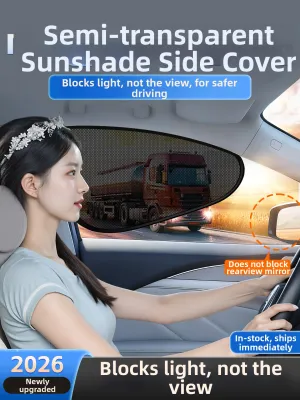
- Mesh Sleeves (Socks): Fabricated from stretchy, breathable mesh, these sleeves slip over the entire upper frame of the car door, covering both the interior and exterior of the window glass. This design allows you to roll the window down completely while driving or parked, providing natural ventilation and insect protection while maintaining full shade. This is highly advantageous in humid climates. The primary drawback is that they can generate wind noise at highway speeds and must be removed during heavy rain to prevent water from wicking into the door trim.
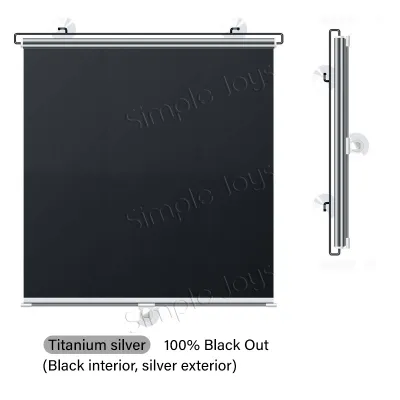
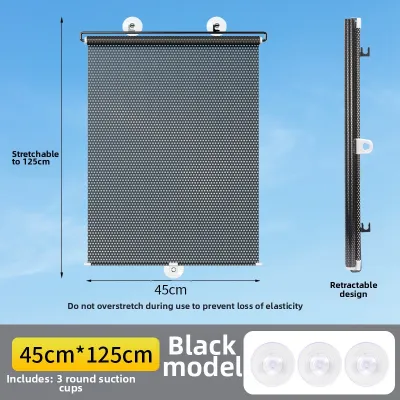
- Retractable Roller Shades: These units clip onto the top of the window glass or attach to the door panel using suction cups, allowing the shade to roll up or down dynamically. While highly convenient, they rarely cover the entire window surface, leaving gaps at the edges that let in light and heat.
Before purchasing side window shades, it is essential to check their compatibility with your vehicle’s specific door seals and window operation mechanisms. Ensure that the mounting clips or suction cups do not interfere with the automatic pinch-protection sensors of power windows, as this can cause the window to reverse automatically when rolling up.
Comparing Heat Reduction, UV Protection, and Daily Convenience
To make an informed decision, it is helpful to compare front windshield and side window sunshades across several key performance and operational dimensions.
Heat Reduction
Front windshield sunshades are the superior choice for overall cabin ambient heat reduction. Because they block the largest single source of solar entry, they prevent the massive thermal accumulation that occurs when a car is parked. Side window sunshades, by contrast, excel at managing localized radiant heat. They keep the air immediately surrounding passengers cooler, preventing the sensation of burning skin caused by direct sunlight, even if the overall cabin air temperature remains warm.
UV Protection
It is a common misconception that any dark or reflective material automatically blocks harmful ultraviolet radiation. UV-A and UV-B rays can penetrate low-quality fabrics and plastics, leading to skin damage and interior fading. When evaluating sunshades, look for manufacturer specifications that explicitly state the Ultraviolet Protection Factor (UPF) rating, such as UPF 50+, or a certified UV blockage percentage of 99%. Do not rely solely on the visual darkness of the shade as an indicator of its UV-blocking capabilities.
Convenience and Storage
The daily effort required to use these accessories differs significantly. Front windshield shades require active deployment every time you park and removal before you drive. This process involves reaching across the cabin, unfolding the shade, and securing it, followed by folding and storing a hot, bulky item when you return. Side window shades, particularly static cling styles or mesh sleeves, are semi-permanent installations. Once fitted, they require no daily setup, though mesh sleeves should be removed before visiting an automatic car wash.
Visibility and Safety
Safety regulations dictate how and when these shades can be used. Front windshield shades must be completely removed and stored securely before the vehicle is put in motion; driving with a front shade deployed is extremely dangerous and illegal. Side window shades must not obstruct the driver’s clear view of the side mirrors. In Singapore, the Land Transport Authority (LTA) maintains strict guidelines regarding window visibility and light transmission. If you plan to use side shades while driving, ensure they are made of a highly perforated mesh that preserves visibility, or restrict their use entirely to the rear passenger windows.
| Dimension | Front Windshield Sunshade | Side Window Sunshade |
|---|---|---|
| Primary Benefit | Reduces overall cabin ambient heat and protects dashboard hardware | Enhances passenger comfort and blocks direct side glare |
| Best Use Case | Outdoor parking in direct, intense sunlight | Commuting with rear-seat passengers, children, or pets |
| Installation Effort | High (must be deployed and removed every trip) | Low to Medium (semi-permanent or quick-clip installation) |
| Storage Needs | Requires dedicated space in the trunk, backseat, or door pocket | Minimal (often stays installed or rolls up compactly) |
| Driving Compatibility | Never compatible (must be removed before driving) | Rear windows compatible; front side windows subject to local visibility laws |
Decision Framework: Choose Based on Your Parking and Driving Habits
Selecting the right sunshade configuration depends on your daily routine, parking environment, and passenger requirements. Use the following guidelines to determine the best setup for your vehicle.
Choose a Front Windshield Sunshade if:
- You frequently park your vehicle outdoors in open-air car parks or exposed driveways during peak daylight hours.
- Your primary concern is protecting your vehicle's interior investment, such as preventing leather seats from drying out and the dashboard from cracking.
- You want to avoid the intense blast of hot air and a scorching steering wheel when entering your car after it has been parked in the sun.
Choose Side Window Sunshades if:
- You regularly transport passengers, especially infants in car seats, young children, or pets who require continuous protection from heat and glare.
- Your daily commute takes place during sunrise or sunset, exposing you or your passengers to blinding lateral sunlight.
- You prefer a set-and-forget solution that does not require physical setup and teardown before and after every journey.
Choose Both if:
- You live in a consistently hot, tropical climate like Singapore, where solar radiation and ambient humidity remain high throughout the year.
- You park outdoors for extended periods and also frequently drive with family members in the rear seats.
- You want to maximize the efficiency of your air conditioning system and minimize the energy required to cool the cabin.
Verify First (ADAS and Sensors)
Before purchasing any sunshade, inspect the upper area of your windshield around the rearview mirror. Modern vehicles are frequently equipped with Advanced Driver Assistance Systems (ADAS) that utilize forward-facing cameras, rain sensors, and humidity sensors mounted directly against the glass.
Ensure that the frame, suction cups, or tensioning mechanism of your chosen front sunshade does not press against these sensitive sensor housings. Excessive physical pressure can misalign cameras or damage delicate electrical connections. Additionally, avoid placing suction cups directly over the printed black matrix grid on the glass, as this can prevent a secure seal or leave adhesive residue that is difficult to clean. Look for sunshades that feature a deep, hook-and-loop secured cutout designed specifically to clear the rearview mirror and sensor pod assembly.
Practical Tips for Fit, Installation, and Maintenance
To ensure your sunshades perform effectively and last for years without causing damage to your vehicle, follow these practical installation and care guidelines.
Sizing and Fit
Never rely solely on generic “universal” size labels like small, medium, or large. Manufacturers’ definitions of these sizes vary widely. Instead, use a tape measure to record the exact height and width of your windshield and side windows. Compare these measurements against the product’s physical specifications before purchasing. A precise fit is essential; even small gaps around the edges allow significant amounts of solar energy to bypass the shade, reducing its overall thermal efficiency.
Installation Best Practices
When installing a front windshield shade, slide the bottom edge as far down into the gap between the dashboard and the glass as possible. Pull the top edge up behind the rearview mirror, then fold down both the driver and passenger sun visors to press the shade flush against the glass. This prevents the shade from sagging or slipping down over time. For side window static clings, thoroughly clean the interior glass with a dedicated glass cleaner and microfiber cloth before application. Any trapped dust or grease will create air bubbles, causing the film to peel off prematurely.
Maintenance and Care
Sunshades accumulate dust, pollen, and fingerprint oils over time. Periodically wipe them down with a damp microfiber cloth and a mild, pH-neutral soap solution if necessary. Avoid using harsh chemical cleaners or abrasive pads, which can strip away reflective coatings. In humid environments, storing a damp or dirty sunshade in a dark, enclosed space like a trunk can encourage the growth of mold and mildew. Always allow the sunshade to dry completely in a well-ventilated area before folding and storing it.
Safety Check
Your safety on the road must always take priority over sun protection. Never allow any side window shade to obstruct your line of sight or block your view of the side mirrors while driving. Crucially, verify that the installation of any window accessory does not interfere with the deployment zones of your vehicle’s safety restraint systems. This includes the steering wheel airbag, passenger dashboard airbag, and side curtain airbags that deploy from the roofline and A-pillars. Consult your vehicle’s owner’s manual to identify these exact deployment zones, and ensure no rigid frames or heavy clips are positioned where they could become dangerous projectiles in the event of an airbag deployment.
Community discussion
Share your experience or ask a question. Comments are reviewed before publication.