
Front windshield sunshades are the primary defense against direct solar heat gain and dashboard damage, making them essential for open-air parking. Side window sunshades focus on passenger comfort, reducing glare, and protecting side interiors. Your choice should be driven by your typical parking orientation, whether you prioritize lowering the overall cabin temperature or protecting passengers, and your vehicle’s specific glass dimensions.
In tropical climates like Singapore, where vehicles are routinely subjected to intense sunlight and high ambient temperatures, managing cabin heat is a daily challenge. Leaving a car parked unsheltered, even for a few hours, can turn the interior into an oven, making the steering wheel too hot to touch and putting immense strain on your air conditioning system. While both front and side sunshades offer protection, they serve distinct physical roles and address different thermal dynamics within the cabin. Understanding these differences allows you to make an informed decision that aligns with your daily driving habits and parking environments.
How Front and Side Sunshades Actually Protect Your Car
To choose the right protection, it helps to understand how solar radiation interacts with your vehicle’s glass geometry. The front windshield represents the largest single expanse of glass on almost any vehicle. Because of its aerodynamic angle, it receives direct, high-intensity solar radiation for most of the day. This large surface area acts like a greenhouse, allowing shortwave solar radiation to enter the cabin, where it is absorbed by the dark surfaces of the dashboard, steering wheel, and front seats, and re-radiated as longwave heat that cannot easily escape.
Products mentioned in this guide
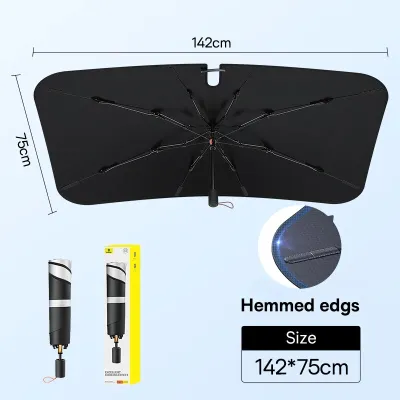
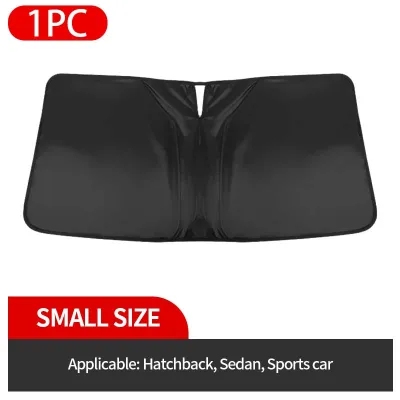
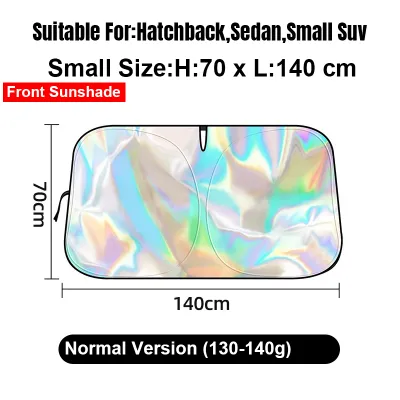
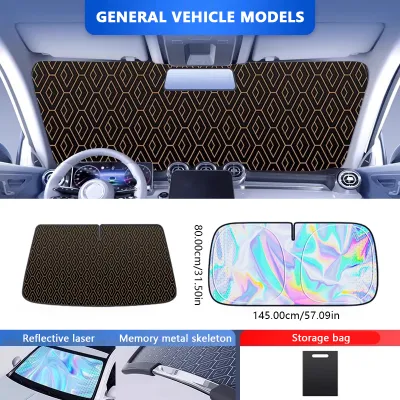
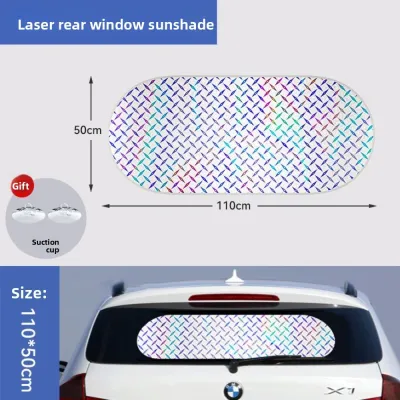
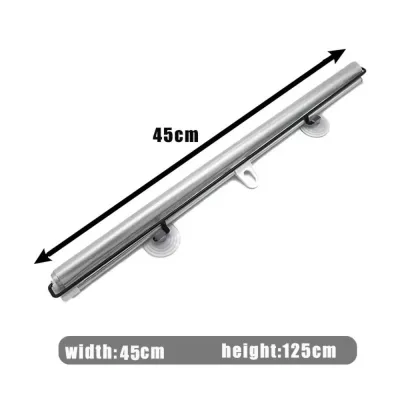
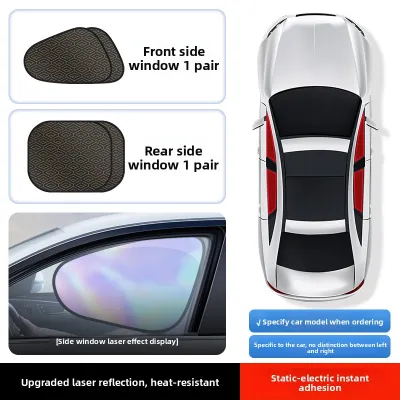
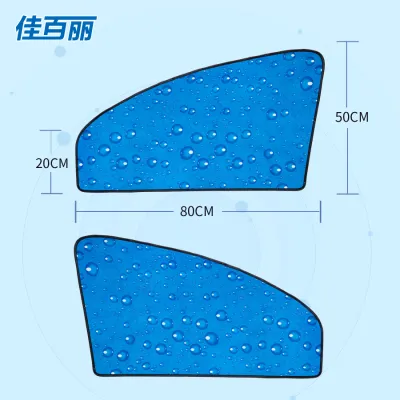
Prices are valid at publication and may change. Please refer to the product page for the latest price.
Front windshield sunshades are designed to intercept this radiation at the point of entry. By placing a reflective or highly insulative barrier directly behind the glass, these shades prevent solar energy from reaching the dense materials of your dashboard and steering wheel. This not only keeps the physical touchpoints of your vehicle at a manageable temperature but also protects sensitive front-cabin electronics, such as digital instrument clusters, infotainment screens, and integrated dash cameras, from thermal degradation and premature failure.
Side window sunshades, on the other hand, address a different set of challenges. Side windows are typically smaller, more vertical, and distributed along the flanks of the vehicle. While they contribute to the overall cabin temperature, their primary impact is localized. Side shades are highly effective at blocking angled sunlight that directly strikes passengers, particularly those in the rear seats. They help prevent skin discomfort, reduce harsh glare that can interfere with screen viewing, and protect side door panels, armrests, and leather upholstery from localized UV fading.
The physical deployment and storage of these two types also differ significantly. Front windshield shades are large, temporary fixtures that you must manually install every time you park and remove before driving. They require a dedicated storage space within the cabin, such as the boot or behind the front seats. Side window shades are often semi-permanent, utilizing magnets, static cling, or mesh sleeves that can remain installed while the vehicle is parked or even while it is in motion, depending on local regulations and the specific attachment design.
Choose a Front Windshield Sunshade If Your Priority Is Cabin Temperature
If your primary goal is to lower the overall temperature of your vehicle after it has been parked in the sun, a front windshield sunshade should be your first purchase. This is especially true for drivers who frequently park in open-air car parks, rooftop decks, or unsheltered driveways. Intercepting solar heat at the windshield is the single most effective way to reduce the thermal load on your car’s interior, allowing your air conditioning system to cool the cabin down much faster once you start driving.

When selecting a front windshield sunshade, verifying the exact fit against your vehicle’s dimensions is critical. A shade that is too small will leave significant gaps around the A-pillars and rearview mirror, allowing concentrated beams of sunlight to penetrate and heat up the cabin. Conversely, a shade that is too large will bunch up, preventing it from sitting flush against the glass and reducing its reflective efficiency. Measure the height and width of your windshield internally, and compare these measurements with the manufacturer’s detailed sizing charts rather than relying on generic “universal” labels.
You must also evaluate the folding mechanism of the front shade against your available cabin storage space. Accordion-style folding shades are highly durable and quick to deploy, but they remain relatively long and bulky when folded, often requiring storage in the boot or along the passenger side transmission tunnel. Spring-wire pop-up shades fold down into compact circles that can easily slide into seatback pockets or under the front seats, though they require a specific twisting motion to fold that some drivers find cumbersome.
Additionally, pay close attention to the clearance around your rearview mirror and dashboard sensors. Modern vehicles often house advanced driver assistance systems (ADAS) cameras, rain sensors, and automatic headlight sensors in a pod behind the rearview mirror. A high-quality front sunshade should feature a deep cut-out or a flexible hook-and-loop strap at the top to allow it to fit snugly around the mirror bracket without putting physical pressure on these sensitive components or obstructing their view when the vehicle is parked.
Choose Side Window Sunshades If Your Priority Is Passenger Comfort
If your daily driving involves carrying passengers, young children, or pets in the rear seats, side window sunshades should be your priority. Even with high-quality window tinting, direct, angled sunlight streaming through the side windows can cause significant discomfort, skin irritation, and glare. Side shades provide a physical barrier that dramatically improves passenger comfort during daytime journeys, making them an essential accessory for family vehicles.
The choice of side window sunshades depends heavily on how they attach to your vehicle and how they affect window operation. Magnetic sunshades are highly popular because they snap directly onto the exposed metal frame of the door. This design allows you to roll the window down fully to let in fresh air while keeping the shade securely in place to block insects and sunlight. Static-cling and suction-cup shades attach directly to the glass itself; while they are easy to install and remove, you cannot roll the window down without first detaching the shade, which can be inconvenient on daily commutes.
Before installing side window shades, it is vital to check local traffic regulations and your vehicle owner’s manual regarding visibility restrictions. In Singapore, the Land Transport Authority (LTA) maintains strict guidelines regarding the light transmittance of vehicle glass to ensure clear visibility for the driver. Placing dark, opaque, or highly reflective shades on the front driver and front passenger side windows while the vehicle is in motion is generally prohibited. Ensure that any side shades used while driving are restricted to the rear windows, or are sufficiently translucent to maintain a clear line of sight to your side mirrors.
Safety must also be considered regarding side-curtain airbag deployment. Many modern vehicles feature side-curtain airbags housed within the roofline and A-, B-, and C-pillars. When choosing side window shades, especially those that slip over the entire door frame or clip onto the upper trim, verify that they do not cross or obstruct the airbag deployment paths. A shade that interferes with these safety systems could prevent the airbag from deploying correctly in an accident or, worse, become a dangerous projectile inside the cabin.
What to Verify on the Product Label Before You Buy
To ensure you are purchasing a high-quality product that offers genuine protection and safety, you should carefully inspect the product label and manufacturer specifications before making a purchase. Investing S$15 to S$40 in a well-engineered sunshade is a small price to pay for protecting your vehicle’s interior, but you must look past generic marketing claims to find the right fit.
First, examine the stated material composition on the label. High-quality front sunshades typically feature a multi-layered construction, such as an outer reflective aluminum or metalized polyester layer to bounce away solar radiation, paired with a thick bubble-wrap or closed-cell foam core that acts as a thermal barrier. For side shades, look for high-density mesh fabrics that specify their UV protection factor (UPF) or light-blocking capabilities. Avoid products that do not list their material specifications, as thin, single-layer fabrics offer minimal thermal resistance.
Second, verify the manufacturer’s vehicle-specific fitment guides. Rather than trusting a “universal fit” claim, look for a compatibility list that matches your specific vehicle make, model, and body style (such as sedan, SUV, or hatchback). A shade designed specifically for your vehicle’s cabin geometry will provide maximum coverage with minimal light leakage, ensuring optimal performance.
Third, check for explicit safety warnings and usage instructions. The label should clearly state whether the product is safe for use while the vehicle is in motion, any limitations regarding window operation, and precautions concerning airbag deployment zones. If a manufacturer does not address these safety aspects on their packaging, it is a sign that the product may not have been designed with vehicle-specific safety standards in mind.
Finally, review the manufacturer’s care and cleaning instructions. High-quality reflective coatings and delicate mesh fabrics can be easily damaged by improper maintenance. Look for shades that can be easily cleaned with a damp microfiber cloth and mild soap, and avoid those that require complex chemical treatments or are prone to degrading when exposed to moisture and heat over extended periods.
Frequently Asked Questions (FAQ)
Do reflective sunshades damage the windshield or dashboard?
Properly fitted reflective sunshades generally do not damage the windshield or dashboard. However, if a shade is poorly fitted, sags, or is made of low-quality materials, it can trap a pocket of superheated air between the reflective surface and the glass. This localized heat buildup can potentially stress aftermarket window tint films or put unnecessary thermal strain on the glass. To prevent this, always ensure the reflective side of the shade faces outward toward the sun and that the shade is secured flush against the windshield. Additionally, check your vehicle owner’s manual for any specific warnings or recommendations regarding the use of aftermarket windshield accessories.
How should I clean and store my car sunshades to prevent material degradation?
To maintain the effectiveness and extend the lifespan of your car sunshades, wipe down the surfaces periodically with a damp microfiber cloth and mild, diluted soap. Avoid using harsh chemical solvents, bleach, or abrasive scrubbing pads, as these can strip away reflective coatings or tear delicate mesh fabrics. After cleaning, allow the sunshade to dry completely in a shaded, well-ventilated area before folding it. Storing a damp sunshade inside a warm, closed vehicle can lead to the growth of mold or mildew, which can ruin the material and create unpleasant odors in your cabin. When not in use, store the shades in a cool, dry place within your vehicle, such as under a seat or in the boot, keeping them away from sharp objects that could puncture or tear the material.
Community discussion
Share your experience or ask a question. Comments are reviewed before publication.