
In Singapore’s intense equatorial climate, parking your car in an open-air HDB car park or driving under the midday sun can quickly turn your vehicle’s cabin into a virtual oven. Temperatures inside an unprotected parked car can easily soar past 60°C within an hour, placing immense thermal stress on your dashboard electronics, leather upholstery, and any passengers climbing inside. To combat this relentless heat and glare, choosing the right car sun visor setup is one of the most practical upgrades you can make for your daily commute.
To determine which type you actually need, it helps to understand their primary design intents. A front windshield sunshade is engineered to block the massive volume of solar radiation that enters through your car’s largest glass panel while parked, effectively preserving your dashboard and keeping the cabin entry temperature manageable. Conversely, side window sunshades are designed to protect occupants—especially rear-seat passengers, infants, and pets—from direct UV exposure, localized heat, and blinding glare while the vehicle is in motion. For most drivers in consistently hot and sunny regions like Singapore, a strategic combination of both offers the most comprehensive protection, though your specific parking habits and passenger needs will dictate which one to prioritize first.
If your primary pain point is returning to a scorching hot car with a steering wheel that is too hot to touch, you should prioritize a high-quality front windshield sunshade. If your main daily struggle involves rear passengers complaining of blinding sun glare, or if you want to shield young children from direct UV rays during school runs, your immediate priority should be a set of side window shades.
Products mentioned in this guide
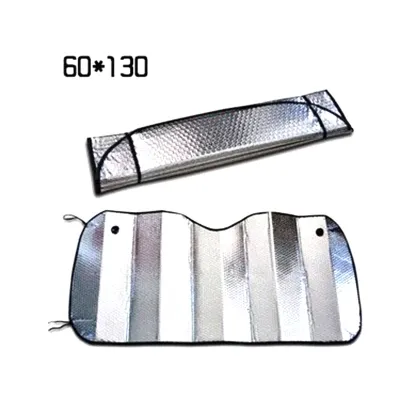
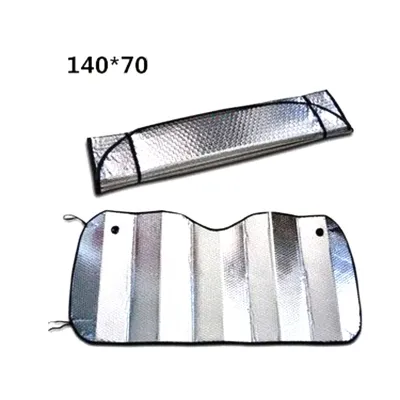
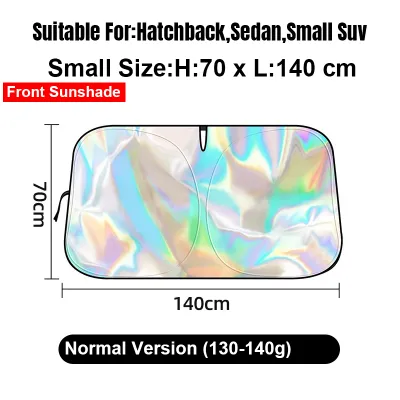
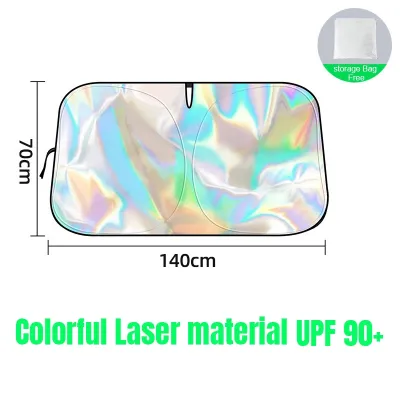

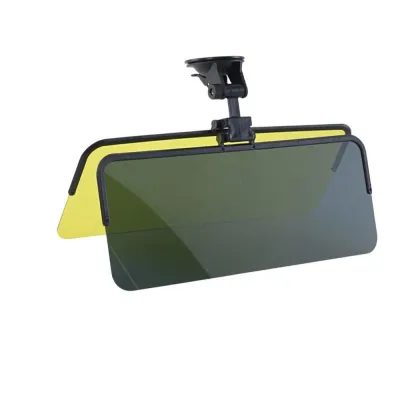
Prices are valid at publication and may change. Please refer to the product page for the latest price.
Core Differences: Heat, Glare, and UV Protection
To make an informed decision, you must compare how front windshield and side window sunshades manage solar energy across different driving and parking scenarios. Sunlight consists of visible light, ultraviolet (UV) radiation, and infrared (IR) radiation, the latter of which is primarily responsible for heat buildup. When these rays pass through your car’s glass, they are absorbed by dark interior surfaces like the dashboard, steering wheel, and seats, which then re-radiate that energy as long-wave infrared heat, trapping it inside the cabin in what is commonly known as the greenhouse effect.
The front windshield is the largest single glass aperture on almost any vehicle, and because of its aerodynamic angle, it receives the most direct overhead sunlight throughout the day. A front car sun visor acts as a highly reflective physical barrier placed directly behind this glass, bouncing solar radiation back out before it can reach the dark, heat-absorbent surfaces of your dashboard. While side windows also contribute to heat gain, their vertical orientation means they receive less direct overhead sun, making them less effective at stopping overall cabin heat buildup when parked, though they are highly effective at reducing localized hot spots.
Glare reduction is another area where these two products diverge completely in both function and safety. Side window shades are designed to reduce blinding lateral glare, which can distract the driver’s peripheral vision and cause severe eye strain for rear passengers. Because they are semi-transparent or made of fine mesh, they allow passengers to see outside while diffusing harsh light. Front windshield shades, however, are completely opaque and designed to block 100% of light; they must never be deployed while the vehicle is in motion, as doing so completely obstructs forward visibility.
When it comes to interior preservation and UV protection, the front windshield shade is your dashboard’s primary line of defense. Prolonged exposure to UV rays causes soft-touch plastics to dry out, leather steering wheels to crack, and expensive central infotainment screens to suffer from thermal degradation. Side window shades perform a different protective role, primarily shielding rear upholstery, child safety seats, and passenger skin from direct UV exposure. Understanding these functional boundaries helps you see that these two accessories do not compete with each other, but rather target different areas of vehicle preservation and passenger comfort.
Convenience and storage requirements also differ significantly between the two types. Front windshield shades are large and must be folded, rolled, or twisted into a compact shape and stowed away in the boot or behind the front seats every time you prepare to drive. Side window shades, depending on the design, can often remain installed semi-permanently, requiring very little daily interaction from the driver.
Front Windshield Sunshades: Maximising Parked Car Comfort
Front windshield sunshades are specialized tools designed to combat the extreme thermal loads that accumulate when a vehicle is left stationary under direct sunlight. Choosing the right style depends on how much storage space you have and how quickly you want to be able to deploy the shade.

Types of Front Windshield Sunshades
- Accordion and Folding Foil Shades: These are constructed from layered polyethylene bubble cores sandwiched between reflective metalized polyester foils. They offer excellent thermal resistance and are highly durable, but their rigid structure means they fold into a long, flat accordion shape that can be bulky to store in smaller car cabins.
- Umbrella-Style Pop-Up Shades: A modern design that utilizes a collapsible metal frame similar to a standard rain umbrella. When opened inside the cabin, the reflective fabric stretches across the windshield, and the handle rests against the center console for support. They fold down into a highly compact sleeve that fits easily into a door pocket, though you must handle the metal ribs carefully to avoid scratching your dashboard or modern ADAS (Advanced Driver Assistance Systems) camera housings near the rearview mirror.
- Custom-Fit Rigid Shades: Tailored precisely to the exact make, model, and year of your vehicle. These shades feature a stiff, multi-layered foam core that fits snugly against the edges of the windshield glass with virtually no gaps. While they offer the absolute highest level of heat rejection and a premium look, they are the most expensive option and do not fold down as compactly as spring-tensioned or umbrella styles.
Pros of Front Windshield Shades
- Significant Temperature Reduction: By reflecting solar energy before it enters the cabin, a high-quality front shade can lower dashboard temperatures by up to 20°C and reduce overall cabin air temperature significantly.
- Electronics Protection: It shields sensitive components, such as dashcams, digital instrument clusters, and head-up display projectors, from extreme thermal stress that can cause premature component failure.
- Upholstery Preservation: Prevents the leather on your steering wheel and front seats from drying out, cracking, or fading under intense UV exposure.
Cons of Front Windshield Shades
- Zero Utility While Driving: Must be completely removed and stowed before you can safely operate the vehicle.
- Storage Overhead: Can be clumsy to fold and stow, especially if you have passengers in the front seat.
- Sizing Vulnerability: Universal-fit models often leave large gaps around the rearview mirror or A-pillars, allowing heat to bypass the barrier.
For drivers who frequently park in open-air car parks, industrial estates, or rooftop decks, a front windshield sunshade is an indispensable tool. It directly addresses the physical discomfort of entering a boiling hot cabin and protects the high-value components of your dashboard from long-term environmental degradation.
Side Window Sunshades: Enhancing Driving and Passenger Comfort
Side window sunshades focus on improving the in-cabin experience while the vehicle is actively moving. They are particularly valuable for passengers who are highly sensitive to heat and light, such as infants in rear-facing car seats or elderly family members.
Types of Side Window Sunshades
- Static Cling Tint Films: These are thin, flexible vinyl sheets that adhere directly to the inside of the window glass using static electricity. They require no suction cups or adhesives, providing a clean, factory-tinted look, though they can be prone to peeling at the edges over time due to high cabin humidity.
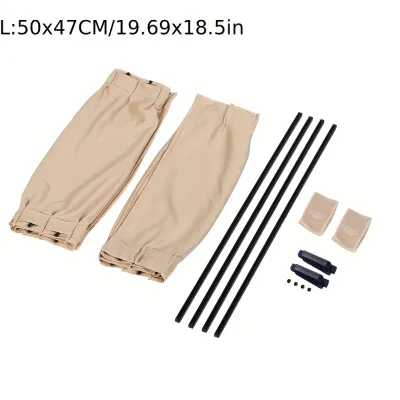
- Mesh Sleeves (Socks): Made of elastic mesh fabric, these sleeves slide over the entire upper frame of the rear door like a sock. Because they cover both the inside and outside of the window frame, they allow you to roll down the window glass fully to let fresh air in while still maintaining shade and keeping insects out. However, during heavy tropical downpours, they can absorb water and must be removed to prevent moisture from seeping into the door panel.
- Magnetic Custom Shades: These feature built-in magnets along the border of the shade, which snap directly onto the exposed metal inner frame of your car's doors. They are highly secure, tailored to your specific vehicle model, and do not interfere with the normal operation of the window glass.
- Suction Cup and Roller Blinds: Traditional shades that attach to the glass via suction cups. Roller variants allow you to retract the mesh with the push of a button, though cheap suction cups can lose their grip under intense heat, causing the shade to fall off unexpectedly.
Pros of Side Window Shades
- Active Passenger Comfort: Can be safely used while driving to block direct sunlight, reducing skin irritation and eye strain for rear occupants.
- Enhanced Privacy: Darker mesh or cling designs obscure the view into the rear cabin, keeping personal items out of sight.
- Ventilation Compatibility: Mesh sleeve designs allow for natural airflow through open windows without sacrificing sun protection.
- Set-and-Forget Convenience: Once installed, many side shades can remain in place for months without needing adjustment.
Cons of Side Window Shades
- Minimal Parked Cooling: Because they cover a smaller surface area than the windshield, they do not prevent massive heat buildup when the car is parked under direct sun.
- Visibility Risks: If installed on the front side windows, they can seriously obstruct the driver's view of the side mirrors, especially during night driving or heavy rain.
- Mechanical Interference: Improperly fitted suction cups or clips can get caught in the window run channels, potentially damaging the window regulator motor or tearing the rubber weatherstripping.
Side window shades are highly recommended for families, daily commuters, and private-hire drivers who want to prioritize passenger well-being. They provide targeted relief from lateral sun glare and UV exposure without interfering with the driver’s forward-facing road visibility.
Decision Framework: How to Choose Your Car Sun Visor Setup
To determine the ideal setup for your vehicle, evaluate your daily driving patterns, parking environments, and passenger configurations against the distinct strengths of each sunshade type.
Choose Front Windshield Sunshades if:
- You regularly park outdoors in exposed locations, such as open-air HDB car parks, industrial zones, or rooftop parking bays.
- Your car features a leather steering wheel, a leather-wrapped dashboard, or a prominent central touchscreen display that you want to protect from UV degradation and heat damage.
- You want to reduce the initial thermal load on your car's air conditioning system, allowing it to cool the cabin down much faster upon startup.
Choose Side Window Sunshades if:
- You frequently transport children, infants, or pets in the rear seats who need protection from direct sunlight and localized heat while driving.
- You experience significant eye strain or discomfort from lateral sun glare during your morning or evening commutes.
- You want to enhance rear-cabin privacy and security without permanently modifying your vehicle's glass.
Choose Both if:
- You live in a tropical climate like Singapore, where sun exposure is intense year-round, and you want to achieve the absolute lowest possible cabin temperatures both while parked and while driving.
Critical Verification Steps Before Buying
Before purchasing any aftermarket car sun visor or shade, you must verify several vehicle-specific factors to ensure safety, compatibility, and legality. First, check your vehicle’s manual or physical equipment to see if your car came with built-in retractable rear side shades or factory-tinted glass, as these built-in features may eliminate the need for aftermarket side shades.
Second, always measure your front windshield’s physical dimensions (height and width) and take note of the area around your rearview mirror. Many modern cars are equipped with advanced safety sensors, rain sensors, or dashcams mounted directly behind the mirror. A universal-fit shade may press against these sensitive components or fail to fit properly, whereas a custom-fit shade will feature a specific cutout to accommodate them safely.
Finally, you must remain fully compliant with local traffic laws. In Singapore, the Land Transport Authority (LTA) enforces strict regulations regarding window visibility to ensure road safety. The front windshield and front side windows must allow at least 70% of light to pass through, while the rear side windows and rear windshield must allow at least 25% light transmission. Installing highly reflective or completely opaque shades on your front side windows while driving is illegal and highly dangerous, as it severely compromises your ability to see your side mirrors and detect vulnerable road users like motorcyclists or cyclists. Always limit the use of opaque or dark mesh shades to the rear passenger windows when the vehicle is in motion.
In terms of budget, basic universal folding front shades typically cost between S$10 and S$25, while high-quality custom-fit front shades or magnetic rear side shades range from S$40 to over S$100. Investing in a well-fitted, durable set of shades is a highly cost-effective way to preserve your vehicle’s interior value and ensure a significantly more comfortable journey for everyone on board.
Frequently Asked Questions (FAQ)
Can I use a front windshield sunshade while driving?
No, you must never use a front windshield sunshade while the vehicle is in motion. These shades are completely opaque and designed to block all incoming light, which entirely obstructs your forward visibility. They are strictly intended for use when the vehicle is stationary and parked. For managing glare while driving, you should rely on your vehicle’s built-in overhead sun visors, wear polarized sunglasses, or ensure your windshield has a legally compliant, professionally installed solar control film.
Do window sunshades replace professional window tinting?
No, removable sunshades and professional solar window films serve different, complementary purposes. Professional ceramic or carbon window films are applied directly to the glass, providing constant, seamless UV and heat rejection across all windows without obstructing your visibility. However, even high-quality window tints can struggle to block all heat during hours of exposure to direct tropical sunlight. Removable sunshades act as an excellent, budget-friendly secondary barrier that physically blocks and reflects solar radiation before it can reach your interior surfaces, making them a great supplement to professional tinting rather than a complete replacement.
Will side window mesh shades damage my car's weatherstripping?
High-quality elastic mesh sleeves designed to stretch over the door frame are generally safe for your vehicle’s bodywork, but they require proper maintenance. Over time, these sleeves can accumulate road grit, dust, and moisture; if left uncleaned, the trapped debris can act like sandpaper against your car’s paintwork or rubber weatherstripping, leading to minor abrasions. Additionally, attempting to operate your power windows while rigid suction-cup or clip-on shades are attached can strain the window regulator motor or tear the inner rubber seals. Always consult your vehicle’s manual and ensure the window glass path is entirely clear of obstructions before operating the window controls.
Community discussion
Share your experience or ask a question. Comments are reviewed before publication.