
Deciding between a front windshield sun shade and side window sun shades depends entirely on your primary pain point: reducing overall cabin heat after parking, or blocking glare and UV rays while driving. There is no single best option; the right choice is dictated by your typical parking duration, passenger needs, and local driving conditions. This guide breaks down the functional differences to help you select the protection that matches your actual usage.
In tropical climates where vehicles are frequently exposed to intense sunlight, interior temperatures can rise to uncomfortable and even damaging levels within minutes. Parking in open-air surface lots or on the top decks of multi-storey carparks leaves your vehicle vulnerable to relentless solar radiation. Understanding how different shades perform under these conditions is key to maintaining a cool cabin and preserving your interior materials.
Understanding the Core Differences in Heat and UV Protection
To make an informed purchase, it is essential to understand how solar energy enters your vehicle. The front windshield is typically the largest piece of glass on any car. Because of its expansive surface area and aerodynamic angle, it acts as the primary entry point for solar radiation, creating a greenhouse effect that traps heat inside the cabin.
Products mentioned in this guide
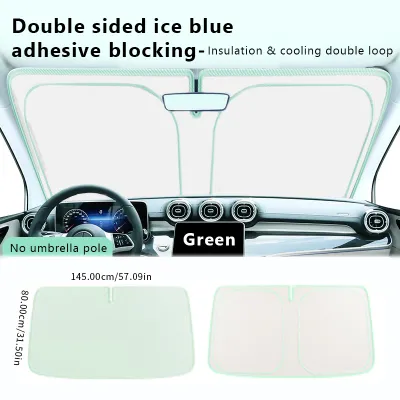
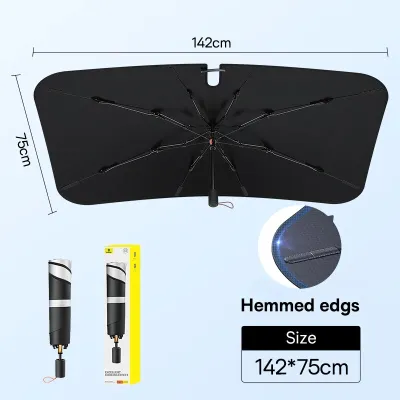
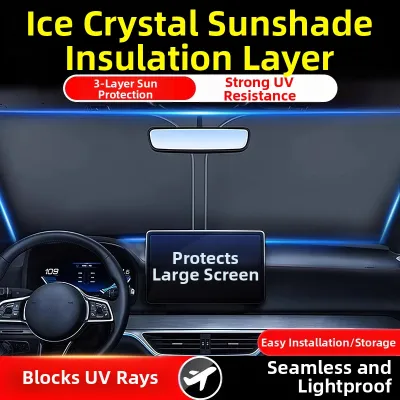
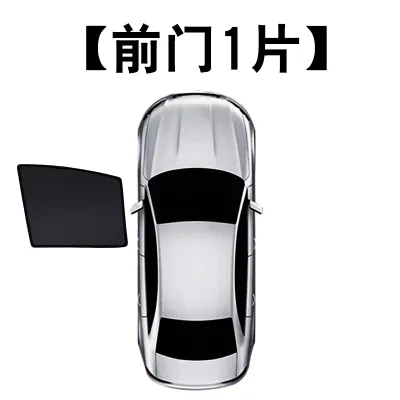
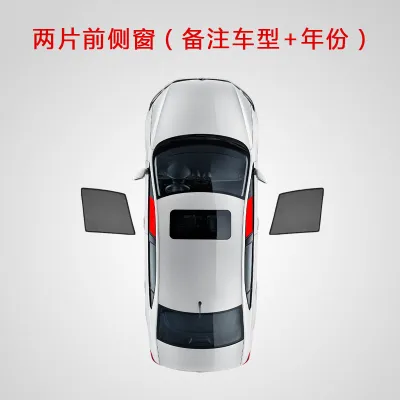
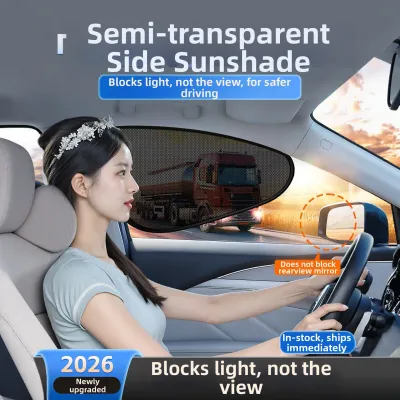
Prices are valid at publication and may change. Please refer to the product page for the latest price.
A front windshield sun shade is designed to block and reflect this incoming light before it can strike the dashboard, steering wheel, and front seats. By preventing these dark interior surfaces from absorbing solar energy, a front shade helps lower the overall ambient temperature of the parked vehicle. It serves as a macro-level thermal barrier for the entire cabin.
In contrast, side window sun shades focus on localized protection. While they do contribute slightly to overall heat reduction, their primary job is to block direct glare and ultraviolet (UV) rays from reaching passengers while the vehicle is in motion. They are particularly useful for protecting rear-seat passengers, such as infants or pets, who cannot easily reposition themselves to escape the sun.
The structural designs of these shades also differ significantly. Front shades are usually large, rigid, or semi-rigid panels made of reflective foil, bubble-wrap laminates, or spring-wire fabric that fold or roll up. Side shades are typically lightweight mesh panels that attach via static cling, suction cups, magnets, or flexible sleeves that slip over the door frame. Each design offers varying levels of window coverage and light leakage depending on how closely the shade fits the glass.
When to Choose a Front Windshield Sun Shade
A front windshield sun shade is the most effective choice if your daily routine involves parking outdoors for extended periods. If you leave your car in unsheltered parking lots during work hours, a front shade is indispensable. It directly targets the area where solar heat absorption is most intense, keeping the steering wheel and gear shifter cool enough to touch comfortably when you return.

Beyond temperature control, a front shade plays a critical role in interior preservation. Modern dashboards house sensitive electronics, digital instrument clusters, and infotainment screens that are highly vulnerable to heat damage. Continuous exposure to UV radiation can cause dashboard plastics to dry out, discolor, and eventually crack. Using a front shade shields these high-value components from direct exposure, preserving your vehicle’s resale value.
However, front windshield shades have distinct limitations. They are strictly for stationary use and cannot be deployed while driving, meaning they offer no relief from side-angle glare during your commute. They also require dedicated storage space within the cabin. Foldable accordion-style shades can be bulky and awkward to stow, while umbrella-style or twist-fold designs require careful handling to avoid damaging interior trim.
When selecting a front shade, you must verify its physical dimensions against your vehicle’s specific windshield. Universal sizing categories like “standard” or “extra-large” are often inaccurate. You should measure the height and width of your glass, paying close attention to the clearance around your rearview mirror mount and any integrated safety cameras or dashcams.
When to Choose Side Window Sun Shades
Side window sun shades are the ideal solution if your primary goal is passenger comfort during transit. If you frequently travel with young children, elderly passengers, or pets in the back seat, side shades block the harsh side-angle glare that causes eye strain and skin discomfort. They allow passengers to rest comfortably without being subjected to direct, burning sunlight.
Certain side shade designs, such as mesh sleeves that slide over the entire door frame, offer unique ventilation benefits. These sleeves allow you to roll down the rear windows to let fresh air circulate while still maintaining a barrier against insects and direct sunlight. This is particularly useful during brief stops or when parking in shaded areas where you want to leave the windows cracked.
The main limitation of side shades is their minimal impact on overall cabin temperature when used alone. If the massive front windshield is left uncovered, heat will still flood the cabin, rendering side shades ineffective at keeping a parked car cool. Additionally, poorly fitted side shades can interfere with window operation, potentially getting sucked into the door panel or peeling off when the glass is lowered.
To avoid these issues, you must match the shade type to your window frame material and shape. Vehicles with magnetic door frames can utilize custom-fit magnetic shades that snap securely into place, offering maximum coverage with minimal light leakage. For vehicles with aluminum or plastic-trimmed door frames, static cling or suction cup models are necessary, though they may leave larger gaps around the edges.
Comparing Key Decision Factors for Your Vehicle
To help you decide which option best suits your driving habits, consider how each type performs across key usability categories. The table below outlines the practical trade-offs between front windshield and side window sun shades.
| Feature | Front Windshield Sun Shade | Side Window Sun Shades |
|---|---|---|
| Primary Function | Overall cabin heat reduction | Localized glare and UV protection |
| Usage Scenario | Stationary parking only | Stationary parking and active driving |
| Installation Effort | Moderate (deployed and removed daily) | Low to high (semi-permanent or slip-on) |
| Driving Visibility | None (must be removed before driving) | Variable (must not obstruct driver's view) |
| Storage Convenience | Requires cabin space when folded | Often remains installed on rear windows |
If your budget or storage space limits you to a single purchase, use your parking habits as a decision framework. Choose a front windshield shade if your car sits in direct sunlight for hours at a time and you want to protect your dashboard and lower initial cabin temperatures. Choose side window shades if your priority is protecting rear-seat passengers from glare during daily commutes.
For comprehensive protection, combining both types is highly recommended. Deploying a front windshield shade while parked keeps the bulk of the heat out, while keeping side shades installed on the rear windows ensures continuous comfort for your passengers once you are on the road.
How to Verify Fitment and Safety Before Buying
Before purchasing any sun shade, accurate measurement is crucial. Do not rely on generic compatibility charts provided by online sellers. Use a physical tape measure to record the diagonal, vertical, and horizontal dimensions of your windows. Compare these measurements against the product specifications to ensure a snug fit that minimizes light leakage.
Safety and legal compliance must be your top priority when installing side window shades. In Singapore, the Land Transport Authority (LTA) enforces strict regulations regarding window tinting and driver visibility. Any shade installed on the front side windows must not obstruct the driver’s view of the side mirrors or the road ahead. Opaque or highly reflective shades should never be used on the front side windows while the vehicle is in motion.
Finally, inspect the materials of the shades before installation. Look for high-quality, heat-resistant fabrics and reflective coatings that do not emit strong chemical odors when exposed to high temperatures. Cheap plastics can off-gas harmful volatile organic compounds (VOCs) inside a hot cabin. Ensure that any metal frames or suction cups have smooth, non-abrasive edges to prevent scratching your vehicle’s interior door panels or damaging aftermarket window tint films.
Frequently Asked Questions (FAQ)
Can I use both front and side sun shades together?
Yes, combining both types provides the most effective defense against heat and UV rays. When your vehicle is parked, using a front windshield shade alongside side window shades blocks solar radiation from multiple angles, significantly reducing the thermal load on your cabin and allowing your air conditioning to cool the interior much faster.
Do sun shades completely stop the car interior from heating up?
No, sun shades cannot completely prevent heat buildup over long periods. They function by reflecting radiant heat and slowing down the greenhouse effect inside the cabin. Even with high-quality shades installed, ambient heat will eventually transfer through the vehicle’s metal body and roof, though the interior surfaces will remain significantly cooler to the touch.
Are magnetic or suction cup side shades better for daily use?
Magnetic shades are generally superior if your vehicle has steel door frames, as they offer a clean, custom fit and allow you to roll the windows down without removing the shade. Suction cup shades are highly versatile and fit almost any vehicle, but they must be removed before lowering the window to prevent damage to the glass mechanism.
Community discussion
Share your experience or ask a question. Comments are reviewed before publication.