
When you park your vehicle under the relentless tropical sun, the interior cabin quickly transforms into a high-temperature oven. Deciding how to shield your vehicle from this intense thermal energy typically comes down to choosing between a front windshield sun shade and side window sun shades. To achieve the most comfortable cabin temperature and protect your car’s interior materials, you must understand how these two solutions perform different roles.
As a direct rule of thumb, a front windshield sun shade is the most critical investment you can make for overall cabin heat reduction. Because the front windshield is the largest, most steeply angled glass surface on your vehicle, it acts as the primary entry point for direct solar radiation. Blocking heat at this main bottleneck is essential for lowering the overall ambient temperature inside the car.
Side window sun shades serve a secondary, more targeted purpose. Rather than cooling the entire cabin, they excel at localized comfort, protecting rear-seat passengers from direct glare, and preventing ultraviolet (UV) damage to side door panels and upholstery.
Products mentioned in this guide
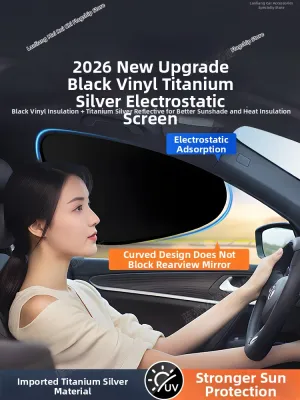
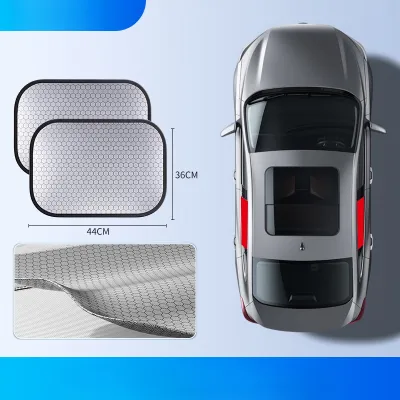
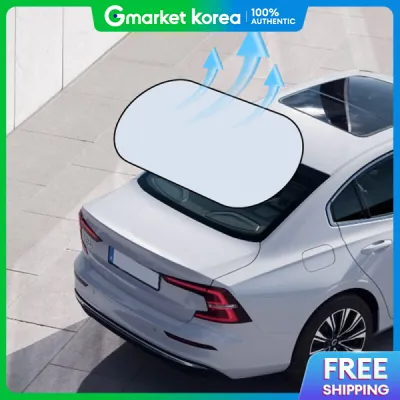
Prices are valid at publication and may change. Please refer to the product page for the latest price.
For the best results, start by acquiring a high-quality front windshield sun shade as your mandatory baseline defense. You should add side window sun shades if you regularly carry passengers in the rear seats, have young children in child safety seats, or frequently park in open-air spaces where the side of your vehicle faces direct, unshaded sunlight for hours at a time.
Front Windshield Sun Shades: The Primary Heat Barrier
To understand why the front windshield shade is your primary defense, you must consider the greenhouse effect that occurs inside a parked vehicle. The front windshield is uniquely positioned to capture solar energy. Its large surface area and aerodynamic slope allow sunlight to strike the dashboard and steering wheel directly. These dark interior surfaces absorb the short-wave solar radiation and re-radiate it as long-wave infrared heat, which cannot easily escape back through the glass. This process rapidly raises the cabin’s ambient air temperature.
Using a front windshield sun shade interrupts this cycle right at the glass barrier. Modern front shades typically utilize highly reflective materials, such as aluminum foil laminates or specialized silver reflective polyester, to bounce solar energy back out through the windshield before it can reach your dashboard. By preventing the dashboard from absorbing heat, you significantly reduce the thermal load on your car’s air conditioning system when you start driving.
When shopping for a front windshield shade, you will generally encounter three main design categories:
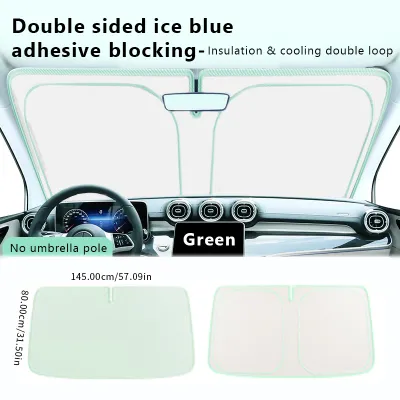
- Accordion-Fold Shades: Made of thick, double-bubble foil material, these shades are highly rigid and offer excellent thermal insulation. They fold up along pre-creased lines and are held together by elastic straps.
- Roll-Up Shades: Typically constructed from flexible reflective fabric, these roll into a tight cylinder. They are highly durable but can be slightly cumbersome to roll up tightly in a cramped cabin.
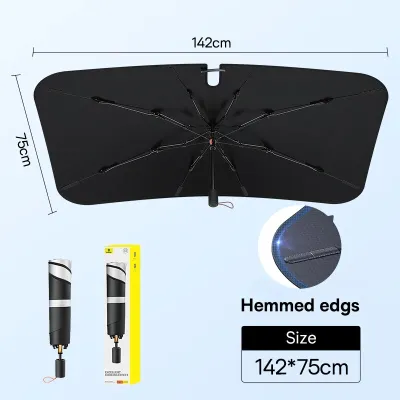
- Umbrella-Style Shades: A newer innovation featuring a collapsible metal frame that opens like an umbrella against the inside of the windshield. These fold down into a compact size that easily fits into a door pocket or glove compartment.
Regardless of the style you choose, you must observe a critical safety and operational boundary: front windshield sun shades are designed strictly for parked vehicles. They must be completely removed, folded, and securely stored before you start the engine. Operating a vehicle with a front windshield shade in place completely obstructs your forward vision and is highly dangerous and illegal.
To maximize the effectiveness of a front windshield shade, prioritize finding a custom-fit model designed specifically for your vehicle’s make, model, and year. A custom-fit shade hugs the edges of the A-pillars and fits snugly around the rearview mirror housing. This edge-to-edge coverage prevents light leakage, ensuring that hot air does not bypass the barrier to heat up your dashboard.
Side Window Sun Shades: Targeted Glare and UV Control
While the front windshield is the largest single source of heat entry, side windows present a different set of challenges. Side windows are smaller, more vertically oriented, and often come with factory-installed glass tints. Consequently, side window sun shades are less about cooling the entire cabin and more about targeted passenger comfort and preserving specific interior zones.

If you have rear-seat passengers, particularly infants or toddlers in rear-facing child seats, direct sunlight streaming through a side window can cause severe discomfort, skin irritation, and eye strain. Side window shades act as a physical barrier against this direct glare, making long journeys much more tolerable for your passengers.
To address different passenger needs and mounting preferences, side window shades are available in several common configurations:
- Stretchable Mesh Sleeves: These fabric sleeves slide directly over the entire upper door frame like a sock. Because they cover both the inside and outside of the glass, they allow you to roll the window down for ventilation while maintaining shade and insect protection.
- Magnetic Frame Shades: These feature a flexible metal wire frame sewn into a mesh fabric that snaps directly onto the steel frame of your vehicle's door. They offer a clean, semi-permanent look and can be quickly popped off when not needed.
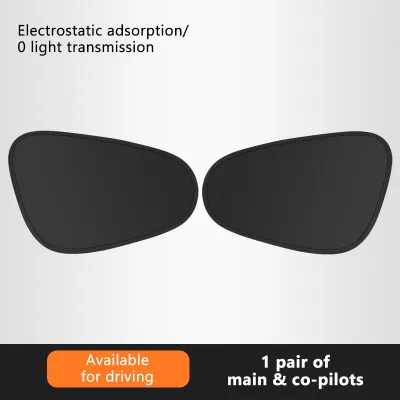
- Static Cling Films: Made of lightweight vinyl, these adhere to the inside of the glass using static electricity. They require no suction cups or adhesives, though they must be sized correctly to avoid peeling when the window is rolled down.
- Suction Cup Shades: A traditional option using plastic suction cups to hold a mesh or solid shade against the glass. While inexpensive, suction cups can lose suction in high humidity and leave circular residue marks on the glass.
Unlike solid front windshield shades, certain mesh side window shades are designed to allow visibility, meaning they can technically remain installed while the vehicle is in motion. However, you must verify local traffic regulations regarding visibility and light transmission. For example, the Land Transport Authority (LTA) in Singapore enforces strict rules regarding window tints and obstructions. Any shade, mesh, or curtain installed on the front side windows that significantly reduces light transmission or blocks the driver’s clear view of the side mirrors is illegal and poses a major safety hazard. Generally, physical shades should only be used on rear side windows while driving, and even then, they must not compromise your overall situational awareness.
Additionally, consider the practical limitations of side shades. Mesh sleeves that slide over the door frame can create noticeable wind noise or aerodynamic drag at highway speeds, and they can absorb rainwater during sudden downpours. Magnetic shades are highly convenient, but they will not work if your vehicle’s door frames are constructed from aluminum, carbon fiber, or covered in thick plastic trim. Always check your vehicle’s door frame material with a simple household magnet before purchasing magnetic shades.
Head-to-Head Comparison: Heat, UV, and Daily Convenience
To help you decide which option best fits your daily routine, it is helpful to compare front windshield and side window sun shades directly across three primary decision-defining dimensions.
Heat Reduction and Cabin Temperature
The front windshield sun shade is the undisputed champion of overall thermal control. By reflecting solar energy away before it can heat up the high-mass components of your front cabin—such as the dashboard, steering wheel, and front seats—a high-quality front shade can lower the surface temperature of your dashboard by up to 20°C on a hot day. This dramatic reduction in surface heat prevents the cabin air from warming up to extreme levels, making the steering wheel safe to touch and allowing your air conditioning to cool the cabin much faster.
Side window sun shades offer a much more modest impact on overall cabin temperature. Because side windows represent less total surface area and are oriented vertically, blocking them does not yield the same dramatic drop in ambient air temperature. However, side shades are incredibly effective at preventing localized hot spots. They stop the sun from directly baking the side leather seat bolsters, armrests, and passengers’ skin, providing immediate physical relief from radiant heat.
UV Protection and Interior Fading
Both types of shades offer valuable ultraviolet (UV) protection, but they safeguard different areas of your vehicle’s interior. The front windshield shade is absolutely vital for preserving your dashboard, instrument cluster, and steering wheel. Prolonged exposure to UV-A and UV-B rays causes soft-touch plastics to dry out, warp, and crack, and can cause leather steering wheel covers to peel. It also prevents the off-gassing of interior plastics, which often leaves a stubborn, greasy film on the inside of your windshield.
Side window shades protect the rear cabin assets. They prevent the color fading and cracking of rear leather upholstery, child seat fabrics, and door panel trims. If your vehicle is frequently parked outdoors with one side facing the afternoon sun, side shades prevent uneven aging and wear across your cabin’s interior materials.
Installation, Storage, and Ease of Use
The daily user experience of these two shade types reveals distinct trade-offs in convenience and storage. Front windshield shades require active daily management. Every time you park, you must unfold the shade, position it behind the rearview mirror, pull down the sun visors to secure it, and then reverse the process before driving. Rigid accordion-style shades can be bulky and difficult to store, often ending up on the passenger floorboard or in the trunk. While umbrella-style front shades fold down compactly, they still require a minute of setup and breakdown during every parking stop.
Side window shades, particularly magnetic or sleeve types, offer a more passive user experience. Once installed on the rear doors, they can often be left in place permanently, requiring zero daily effort. However, if you use static cling or suction cup shades, you will face the recurring chore of removing, folding, and storing them whenever rear passengers want an unobstructed view, which can introduce friction to your daily routine.
Do You Need Both? When to Combine Front and Side Shades
For many drivers, choosing between a front windshield shade and side window shades is not an either-or proposition. Combining both types creates a complete thermal barrier that preserves your car’s interior and keeps the cabin comfortable. However, a full set of shades represents an extra expense and added daily setup time, so it is important to evaluate whether your specific driving and parking habits justify the investment.
When to Combine Both
You should seriously consider investing in both front and side window shades if you experience the following scenarios:
- Constant Outdoor Parking: If you park your car in open-air parking lots, such as HDB open carparks or outdoor industrial estates, your vehicle is subjected to intense, shifting sunlight throughout the day. A front shade alone will not protect the cabin when the afternoon sun strikes the side windows.
- Transporting Young Children or Pets: If you frequently drive with infants, toddlers, or pets in the back seat, combining a front shade (for parking) with rear side shades (for driving and parking) is essential to protect them from direct glare, heat exhaustion, and UV exposure.
- Long-Term Vehicle Preservation: If you plan to keep your vehicle for many years and want to maintain its resale value, a full set of shades prevents the uneven fading of leather seats and the cracking of door plastics.
When a Front Windshield Shade Alone Is Sufficient
A front windshield shade on its own is usually perfectly adequate if your driving routine looks like this:
- Sheltered Parking: If your home and workplace both offer sheltered, multi-storey, or basement parking, your car is rarely exposed to prolonged direct sunlight. A front shade is sufficient for the occasional outdoor shopping trip or weekend outing.
- Solo Commuting: If you almost always drive alone and rarely carry passengers in the rear seats, there is little practical need for side window shades.
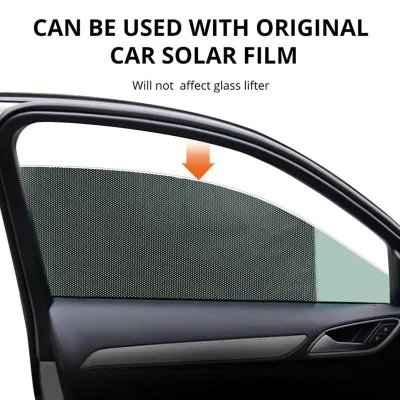
- High-Quality Window Tinting: If your vehicle is already equipped with high-performance, legally compliant ceramic window films on the side windows, these films are already blocking a significant portion of UV rays and infrared heat. Adding side shades on top of premium tinting offers diminishing returns and may unnecessarily reduce your driving visibility.
Before purchasing side shades, always check your existing window tint level. Combining dark aftermarket tints with physical side shades can reduce light transmission below legal limits, particularly on the front side windows. If you are unsure, consult a professional window tinting shop to verify compliance with local light transmission standards.
Decision Framework: Choose Based on Your Parking and Driving Habits
To finalize your purchase decision, use this structured framework to match your specific parking environment and passenger needs to the correct sun shade configuration.
Choose a Front Windshield Shade if:
- Your primary goal is to lower the overall cabin temperature when parked.
- You want to protect your dashboard, steering wheel, and front seats from cracking and fading.
- You mainly park in outdoor, unshaded areas during the day.
- You drive solo or rarely have passengers in the rear seats.
Choose Side Window Shades if:
- You frequently carry rear-seat passengers, infants, or pets who complain about direct sun glare.
- You want to protect rear leather seats and door panels from localized sun damage.
- You want a passive, semi-permanent shading solution that does not require daily setup and removal (on rear windows only).
- Your vehicle's door frames are made of steel, allowing the use of convenient magnetic-frame shades.
Choose Both if:
- Your vehicle is parked outdoors in direct, unshaded sunlight for major portions of the day.
- You want to maximize the efficiency of your car's air conditioning system by minimizing the cabin's pre-entry heat load.
- You have a young family and want to ensure complete heat and UV protection for both front and rear occupants.
Verify First if:
- You are unsure about the material of your side door frames. Test them with a magnet before buying magnetic side shades.
- You have existing window tints. Ensure that adding side shades does not violate local visibility regulations or obstruct your view of the side mirrors while driving.
- You are buying universal shades. Measure your windshield's dimensions carefully, or opt for a custom-fit model to avoid performance-robbing light gaps.
Frequently Asked Questions (FAQ)
Is it legal to use side window sun shades while driving in Singapore?
In Singapore, you must comply with the Land Transport Authority (LTA) regulations regarding vehicle visibility. It is illegal to use any side window sun shade on the front driver or front passenger windows while the vehicle is in motion, as these shades obstruct your view of the side mirrors and reduce light transmission below the mandatory 70% threshold. However, you may use breathable, high-visibility mesh shades on the rear side windows while driving, provided they do not compromise your overall view of the road or create a safety hazard.
Do custom-fit sun shades work better than universal sizes?
Yes, custom-fit sun shades perform significantly better than universal alternatives. Universal shades are designed to fit a wide range of vehicles, which often results in large gaps around the rearview mirror and along the A-pillars. These gaps allow direct sunlight to slip through, heating up portions of your dashboard and reducing the overall cooling efficiency of the shade. A custom-fit shade is measured to the exact dimensions of your vehicle’s glass, ensuring edge-to-edge coverage that blocks maximum solar radiation and stays securely in place without sagging.
Community discussion
Share your experience or ask a question. Comments are reviewed before publication.