
Choosing the right car shade window setup is a practical decision that directly impacts your daily driving comfort and the longevity of your vehicle’s interior. The choice between a front windshield shade and side window shades depends on whether your primary goal is reducing parked cabin heat or protecting passengers from active driving glare. A front windshield shade is the single most effective tool for lowering interior temperatures and protecting your dashboard during outdoor parking. Conversely, side window shades are essential for blocking direct sunlight, reducing glare, and ensuring passenger comfort while the vehicle is in motion. For drivers facing intense tropical sun, combining both provides the ultimate defense, but understanding your daily routine will help you decide where to start.
Diagnose Your Sun Exposure and Driving Routine
To determine the ideal setup, start by evaluating where your vehicle spends most of its day. If you park in a sheltered multi-storey car park or basement lot, your vehicle is already shielded from the worst midday heat. However, if your daily routine involves parking in open-air surface lots, your cabin acts like a greenhouse. The sun beats down continuously, turning the dashboard and steering wheel into heat sinks that radiate warmth long after you start driving.
Next, identify your peak driving hours and the primary direction of sun glare during your commute. Driving during the early morning or late afternoon means the sun sits low on the horizon, causing intense glare through the side windows or directly into your eyes through the windshield. If you primarily drive during these golden hours, side-facing glare can become a major safety hazard and a source of constant discomfort.
Products mentioned in this guide
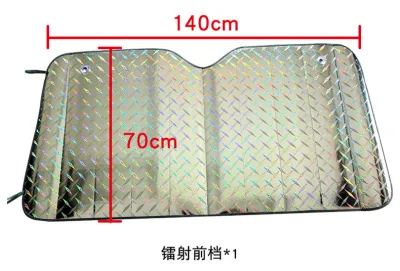
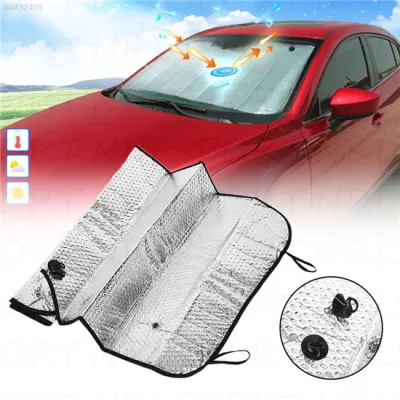
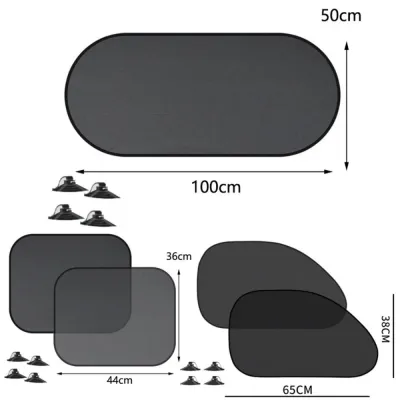
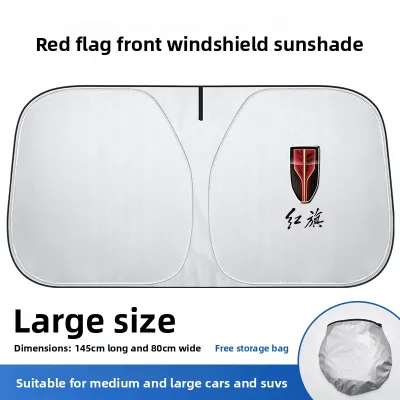
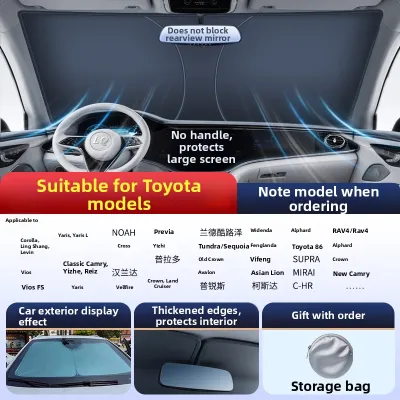
Prices are valid at publication and may change. Please refer to the product page for the latest price.
Finally, assess the needs of your passengers, particularly those in the rear seats. Infants, young children, and pets are highly sensitive to direct UV rays and heat, and they cannot easily adjust their seating positions to escape the sun. If you frequently carry family members in the back, protecting them from harsh side-angle sunlight becomes a top priority, regardless of where you park.
Front Windshield Shades: Signs You Need Front Coverage
If you dread touching your steering wheel after work because it is painfully hot, or if you notice the top of your dashboard starting to look dry, faded, or slightly discoloured, your car is crying out for front windshield coverage. The front windshield is the largest piece of glass on your vehicle, angled in a way that invites maximum solar radiation directly onto your car’s most sensitive interior surfaces.

A high-quality front car shade window acts as a physical barrier right at the entry point. By reflecting or absorbing solar energy before it reaches the dashboard, steering wheel, and front seats, it preserves the integrity of your interior materials. This prevents the plastic from off-gassing, cracking, or warping over years of exposure, helping maintain your vehicle’s cabin quality.
However, front shades require a commitment to daily setup and removal. You must unfold or expand the shade every time you park and stow it away before you drive. Depending on the design—whether it is a folding accordion style, a spring-wire pop-up, or an umbrella-style shade—it can take up significant cabin space when folded. You will need to consider where to store it, such as the passenger footwell or behind the front seats, and whether you are willing to repeat this routine multiple times a day.
Side Window Shades: Signs You Need Side Glare Protection
If you find yourself constantly squinting during your morning commute, or if your rear passengers are using jackets or newspapers to block the sun, side window shades are the logical solution. Side glare is not just uncomfortable; it can actively distract you from checking your side mirrors or monitoring blind spots, creating a genuine safety hazard on busy roads.
Side shades come in several distinct designs, each with its own functional trade-offs. Static cling shades stick directly to the glass using electrostatic force, making them easy to install but preventing you from rolling the window down without peeling them off first. Magnetic shades snap onto the metal door frame, allowing you to lower the glass for fresh air while keeping the shade in place. Pull-down or roller shades offer retractable convenience but may require semi-permanent mounting clips or suction cups that can degrade over time.
It is important to manage expectations regarding heat reduction, however. While side shades excel at blocking direct glare and protecting passengers’ skin, they do not have a massive impact on overall cabin temperature when parked. Because the side windows represent a smaller, more vertical surface area compared to the expansive, sloped front windshield, blocking them alone will not prevent your car from turning into an oven on a hot afternoon.
Full Coverage: When to Combine Front and Side Shades
For many drivers in tropical climates, choosing between front and side protection is not an either-or decision. If your vehicle is routinely parked outdoors for hours at a time and you regularly transport passengers during peak daylight hours, a full-coverage setup is highly justified. Combining a reflective front shade with fitted side shades creates a comprehensive thermal and glare barrier.
Outfitting your entire vehicle requires balancing your budget against daily convenience. Purchasing a complete set of custom-fit shades can require a higher initial investment in S$ compared to a single generic front shade. You must also manage the physical clutter of storing multiple shades. However, the payoff in passenger comfort, reduced air-conditioning load, and interior preservation often outweighs the minor inconvenience of managing multiple pieces.
It is worth noting how physical shades interact with other solar control methods. Professional window tinting is an excellent baseline defense, but even high-grade solar films can struggle against prolonged, direct tropical heat. Physical shades act as a secondary, opaque barrier that blocks the light entirely. Additionally, when your car is parked, a full set of physical shades provides complete interior privacy, keeping your belongings hidden from opportunistic eyes.
Safety, Visibility, and Legal Checks Before Buying
Before purchasing any car shade window product, you must verify local traffic regulations regarding driver visibility. In many jurisdictions, it is illegal to drive with any obstruction on the front windshield or the front side windows. Any shade used on the front side windows must be completely removed while the vehicle is in motion to ensure you have an unobstructed view of your side mirrors and blind spots.
Safety extends beyond visibility. You must verify that your chosen side shades do not interfere with the deployment path of side curtain airbags, which are often housed in the roof pillars. Furthermore, ensure that magnetic or clip-on shades do not jam your window regulators or damage the rubber weatherstripping when the glass is rolled up or down. Always consult your vehicle’s owner manual to locate airbag deployment zones and verify window frame compatibility.
Inspect product labels to ensure the materials used can withstand extreme cabin temperatures without off-gassing harmful chemicals or melting. Secure mounting is also critical; a poorly secured suction cup or loose magnetic shade can fall unexpectedly while you are driving, creating a sudden and dangerous distraction. Always refer to the shade manufacturer’s instructions to confirm a safe, compatible fit for your specific vehicle model and year.
Frequently Asked Questions (FAQ)
Can I leave my car shade window installed while driving?
No, you must never leave a front windshield shade installed while driving, as it completely blocks your forward vision. For side windows, you must check local traffic laws; generally, shades on the front side windows must be removed while driving to maintain clear sightlines to your side mirrors. Rear side window shades are typically permissible while driving, provided they do not compromise your overall rearward visibility or create dangerous blind spots.
Do car shades replace the need for window tinting?
Physical car shades and window tints serve complementary roles rather than replacing one another. Window tints use specialized films to filter out UV rays and infrared heat while maintaining optical clarity for driving. Physical shades, on the other hand, act as solid, removable barriers that block direct light when parked or deployed. Using both together provides the most robust defense against heat and interior aging.
Community discussion
Share your experience or ask a question. Comments are reviewed before publication.