
Stepping into a vehicle parked under the intense tropical sun can feel like entering an oven. With ambient temperatures frequently climbing and the sun beating down on open-air carparks, a reliable sun protection strategy is essential for any car owner. The retractable sunshade has emerged as a highly popular, convenient alternative to traditional fold-out cardboard or wire-frame shades, offering a quick deploy-and-retract mechanism that saves time and effort.
Deciding whether to invest in a front windshield retractable sunshade or a set of side window retractable sunshades depends on your specific daily driving patterns, passenger needs, and overall goals for vehicle preservation. While both options aim to mitigate solar heat, they serve distinct primary functions within your vehicle’s cabin. Understanding these differences is key to choosing the right setup for your daily commute.
Quick Answer: Which Retractable Sunshade Should You Choose?
The choice between a front windshield and a side window retractable sunshade ultimately comes down to whether your primary goal is overall cabin temperature control or localized passenger comfort. If your main concern is reducing the extreme heat buildup inside your parked vehicle and protecting your dashboard from UV-induced cracking, a front windshield retractable sunshade is the clear priority. The front windshield represents the largest expanse of glass on your vehicle, acting as the primary entry point for solar radiation and the greenhouse effect.
Products mentioned in this guide
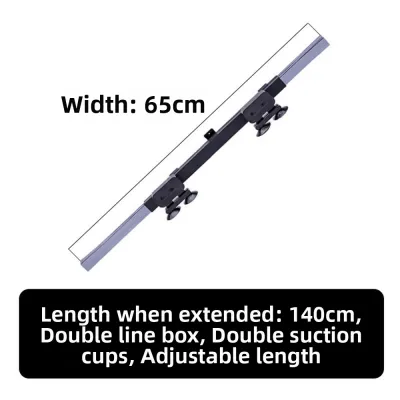
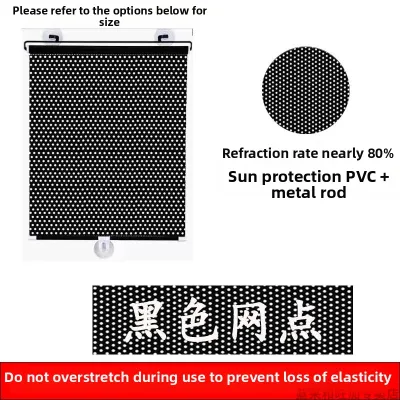
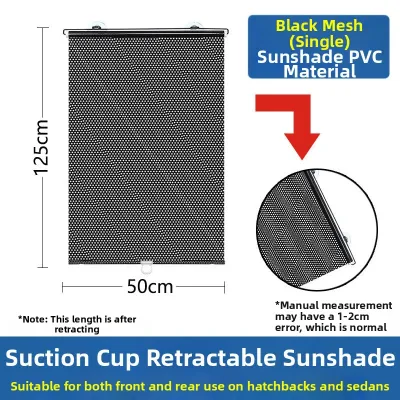
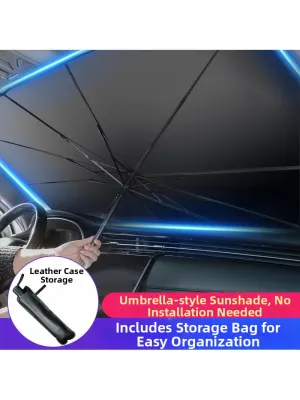
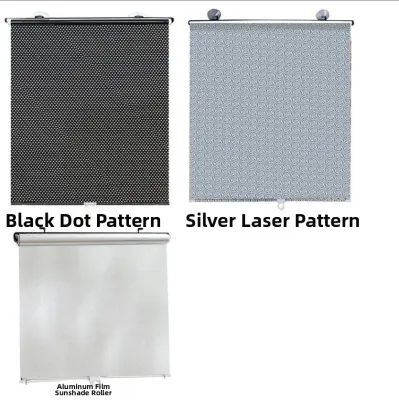
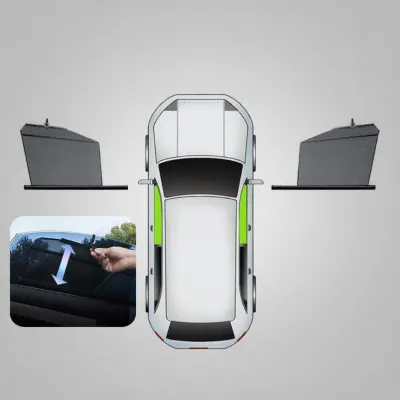
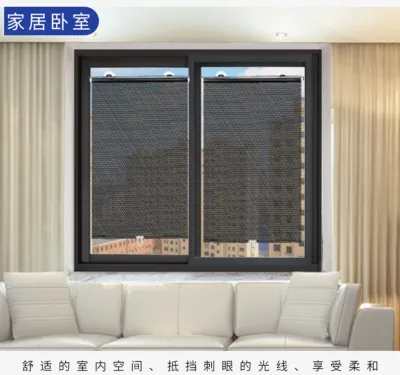
Prices are valid at publication and may change. Please refer to the product page for the latest price.
Conversely, if your priority is shielding rear-seat passengers—such as young children or pets—from direct sunlight, reducing side-window glare during morning or evening commutes, or maintaining side visibility, side window retractable sunshades are the ideal solution. These shades provide immediate, localized relief from the biting heat of direct sunlight hitting the skin, even while the vehicle is in motion.
While many drivers eventually opt for a combination of both to achieve complete cabin coverage, those choosing a single starting point should evaluate their parking environment. If you consistently park in unshaded outdoor lots, start with the front windshield shade to protect your interior. If your daily drive involves long commutes with family members in the back seat, prioritizing the side windows will yield the most immediate comfort benefits.
Heat Reduction and UV Protection: Where Each Shade Excels
The front windshield is uniquely positioned at an angle that invites maximum solar penetration throughout the day. When solar energy passes through this large glass panel, it is absorbed by the dark surfaces of your dashboard, steering wheel, and front seats, which then re-radiate this energy as long-wave infrared heat. This process raises the ambient temperature of the cabin significantly. A front windshield retractable sunshade acts as a physical barrier right at the glass interface, preventing this thermal energy from ever reaching your interior surfaces.

By reflecting this light before it hits the dashboard, you can prevent the material degradation, fading, and micro-cracking that commonly plagues vehicles exposed to a high UV index. This is particularly important for modern vehicles equipped with sensitive digital instrument clusters and touchscreen infotainment systems, which can degrade or malfunction when exposed to extreme, direct heat over prolonged periods.
Side windows have a smaller surface area individually compared to the windshield, but their cumulative exposure can still introduce substantial heat. Side window retractable sunshades excel at providing localized thermal relief. While they do not lower the overall cabin temperature as dramatically as a front shade, they prevent direct solar radiation from making physical contact with your passengers’ skin. This direct contact is what causes the immediate sensation of burning or discomfort, even when the car’s air conditioning is running at maximum capacity.
To maximize the effectiveness of either shade type, the material composition of the retractable roller is critical. High-performance retractable sunshades typically feature a dual-layer design: an outer-facing reflective metallic or aluminum foil layer and an inner-facing dark or neutral fabric layer. The reflective outer layer is designed to bounce solar rays back out through the glass, minimizing heat absorption. In contrast, basic shades made entirely of dark, non-reflective mesh or fabric tend to absorb heat, acting as miniature radiators inside your cabin. When shopping for a retractable sunshade, always verify that the product specifications explicitly state the use of high-reflectivity, UV-blocking materials rather than simple darkened textiles.
Installation, Storage, and Daily Convenience
Front windshield retractable sunshades are inherently larger and heavier, which introduces distinct installation and storage considerations. These units are typically mounted semi-permanently along one side of the A-pillar or along the bottom edge of the windshield using suction cups or adhesive brackets. When retracted, the roller mechanism remains visible, running vertically or horizontally along the glass. Deploying the shade requires pulling the handle across the entire width of the windshield and securing it to a bracket or suction cup on the opposite side. Because of the wide span, this action can sometimes be awkward from the driver’s seat and may require a steady, two-handed pull to ensure even tension and prevent the roller from snapping back violently.
In contrast, side window retractable sunshades are compact, lightweight, and exceptionally easy to operate. They are usually mounted directly to the upper door frame or the lower window sill using small adhesive clips, suction cups, or integrated hooks that clip over the top of the glass. Pulling the shade down or up to hook it into place takes only a single hand and a brief second, making it highly convenient for passengers of all ages. When fully retracted, the slim roller cartridge blends into the door panel, keeping the window area completely clear when sun protection is not required.
The long-term reliability of any retractable sunshade depends heavily on its mounting hardware. Most universal models rely on suction cups or double-sided adhesive strips. In humid, high-temperature climates, the adhesive backing on cheap mounting strips can soften and lose its grip, leading to sagging or complete detachment. Similarly, suction cups can lose their vacuum seal as the glass heats up and expands slightly, or as dust accumulates on the surface.
To maintain mounting stability, it is advisable to clean both the glass and the suction cups thoroughly with an alcohol-based glass cleaner before installation. Regularly inspect the tension of the retraction spring, as excessive tension can put constant stress on the mounts, while insufficient tension will cause the shade to sag over time. If your vehicle features frameless doors, verify the mounting options carefully, as traditional clip-on or frame-mounted side shades may not be compatible.
Driving Visibility and Safety Considerations in Singapore
Operating safety is the most critical factor when choosing and installing any automotive sunshade. Opaque front windshield retractable sunshades must strictly be used only when the vehicle is stationary and safely parked. Attempting to drive with a front windshield shade deployed—even partially—is extremely dangerous as it completely blocks your forward field of vision and violates traffic safety laws. Even for side windows, any shade that severely restricts the driver’s view of the side mirrors must be retracted before the vehicle is put in motion.
Modern vehicles are equipped with an array of advanced driver assistance systems (ADAS), rain sensors, and auto-dimming rearview mirrors mounted directly to the upper center of the front windshield. Before installing a front windshield retractable sunshade, you must carefully inspect your vehicle’s windshield layout. Ensure that the mounting brackets, suction cups, or the retracted roller cartridge do not obstruct the field of view of the forward-facing safety cameras or block the ambient light sensors. Additionally, check your vehicle owner’s manual to confirm that the installation path of the shade does not interfere with the deployment zones of the side-curtain airbags or passenger-side dashboard airbags.
In Singapore, the Land Transport Authority (LTA) enforces strict guidelines regarding window tinting and obstructions to ensure optimal road safety. According to LTA regulations, the front windshield and front side windows must allow at least 70% of visible light to pass through, while the rear side windows and rear windshield must allow at least 25%. While temporary, removable mesh shades are generally permitted on rear side windows during driving, any shade that significantly reduces visible light transmission (VLT) or completely blocks the driver’s view of the side mirrors must be retracted while on the road.
Always verify that any side window shade used while driving maintains legal visibility standards to avoid regulatory fines and ensure safe lane changes. During routine vehicle inspections at authorized centers, any permanent or semi-permanent obstruction on the front windows that violates these VLT requirements will result in a failure, requiring removal before the vehicle can be certified roadworthy.
Decision Framework: Which One Fits Your Vehicle and Routine?
To help you determine the optimal setup for your vehicle, consider the following targeted scenarios and choose the solution that best matches your daily routine:
Choose a Front Windshield Retractable Sunshade if:
- You park outdoors frequently: If your car sits in uncovered outdoor parking lots, such as open-air HDB estates or industrial estates, where it is exposed to direct sunlight for hours.
- You want to protect interior electronics: Your primary goal is to protect expensive dashboard materials, digital instrument clusters, and leather steering wheels from heat cracking and UV discoloration.
- You prioritize fast cooling: You want to maximize overall cabin cooling, allowing your air conditioning system to bring the interior down to a comfortable temperature much faster upon entry.
Choose Side Window Retractable Sunshades if:
- You frequently carry passengers: Particularly infants in rear-facing car seats, young children, or elderly family members who are highly sensitive to direct sunlight and heat.
- You experience intense side glare: Your daily commute involves driving directly into the rising or setting sun, causing intense side glare that bypasses the vehicle’s built-in sun visors.
- You prefer a low-profile setup: You want a highly discreet sun protection system that can be deployed or retracted in seconds without leaving the driver's seat.
- You want protection while driving: You require a mesh shade option that can remain deployed while the vehicle is in motion to protect passengers without completely blocking their view of the scenery.
Choose Both if:
- You want comprehensive protection: You want the ultimate level of thermal protection and passenger comfort, creating a complete shade barrier that keeps your entire cabin significantly cooler during extended outdoor parking.
Verify Fitment Before Purchase:
- Before purchasing any retractable sunshade, it is essential to perform a few quick measurements. For front windshield shades, measure the exact height and width of your glass, paying close attention to the curvature of the windshield and the clearance around your rearview mirror assembly. For side windows, measure the window frame dimensions and verify that the door frame material can accommodate either suction cups or the adhesive clips provided by the manufacturer. Checking these specifications beforehand prevents light leaks from ill-fitting universal sizes and ensures a secure, rattle-free installation.
Frequently Asked Questions (FAQ)
Can I use a front windshield retractable sunshade while driving?
No, you must never use an opaque front windshield retractable sunshade while the vehicle is in motion. These shades are designed solely for use in parked vehicles to block heat and UV rays. Driving with a front windshield shade deployed completely obstructs your forward vision, posing an immediate and severe safety hazard to yourself and other road users, and is strictly illegal under Singapore traffic regulations. If you require sun protection while driving, rely on your vehicle’s built-in sun visors or legally compliant window tinting.
Do retractable sunshades damage the car interior or windows?
When installed and operated correctly, retractable sunshades do not cause damage to your vehicle’s interior. However, there are a few precautionary measures to keep in mind. If your sunshade uses adhesive mounting strips, the adhesive residue can sometimes be difficult to remove from plastic or leather surfaces if the shade is uninstalled later. For vehicles with aftermarket window tinting films installed on the side windows, using strong suction cups directly on the film can occasionally cause peeling or bubbling over time, especially under high heat. To prevent damage, always clean the glass surface thoroughly before mounting, follow the manufacturer’s instructions, and test any adhesive on a small, inconspicuous area first.
Are custom-fit retractable sunshades better than universal ones?
Yes, custom-fit retractable sunshades generally offer superior performance and aesthetics compared to universal-fit models. Custom-fit options are designed specifically for your vehicle’s exact make, model, and year, ensuring edge-to-edge coverage with no gaps for sunlight to leak through. They are also engineered to clear existing onboard equipment, such as rearview mirrors and safety sensor housings, without awkward positioning. While universal-fit retractable shades are typically more budget-friendly and can be easily transferred between different vehicles, they often leave noticeable gaps at the edges, may sag if the width is not a perfect match, and can require more creative mounting solutions to stay secure.
Community discussion
Share your experience or ask a question. Comments are reviewed before publication.