
Entering a car parked under the intense tropical sun of Singapore can feel like stepping directly into an oven. The steering wheel is often too hot to touch, the leather seats burn against your skin, and the air conditioning takes several minutes of maximum output just to make the cabin bearable. To combat this daily inconvenience, investing in a car sun shade is one of the most practical decisions you can make.
If you must choose between the two, a front windshield sun shade is your absolute priority. The front windshield represents the largest single sheet of glass on your vehicle, and because of its steep angle, it allows the highest volume of solar radiation to enter the cabin. A high-quality front shade acts as a primary shield, blocking heat before it can settle into your dashboard and front seats.
Side window sun shades serve a different, more targeted purpose. Rather than lowering the overall ambient temperature of the entire vehicle, side shades are secondary accessories designed to protect rear passengers from direct glare, reduce localized UV exposure, and provide extra privacy. For optimal comfort, starting with a robust front windshield shade is highly recommended, adding side window shades only if you frequently carry passengers in the back, park in sun-exposed east-west facing lots, or require added security for cabin belongings.
Products mentioned in this guide
![Car Windshield Sunshade Umbrella UV Protection [ Interior Temperature Reduction Car Foldable Accessories ]](https://img.lazcdn.com/g/p/bdb59b23b0bfe3d7c3fbf73080fa65c3.jpg_400x400q80.jpg_.webp)
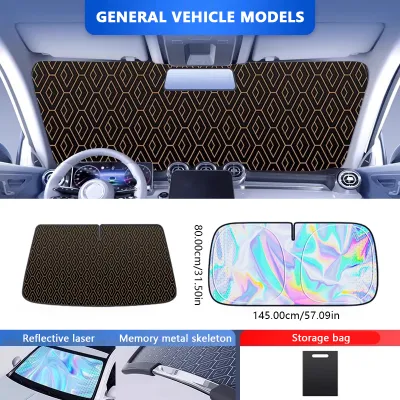
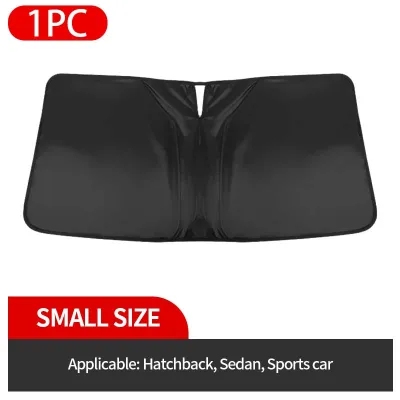
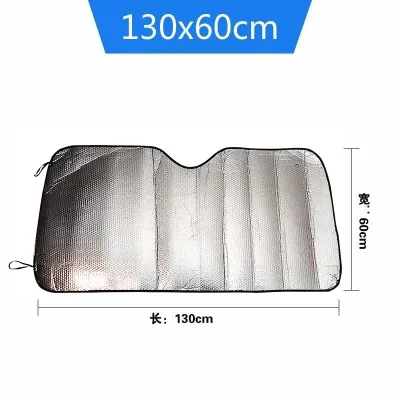
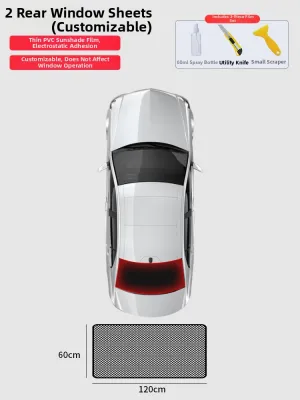
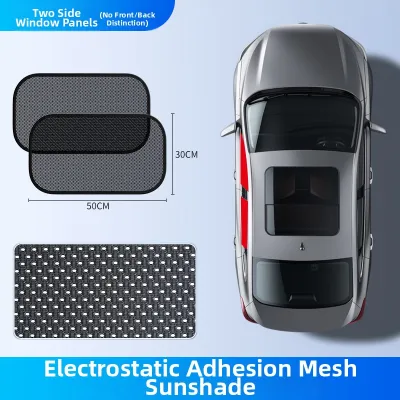
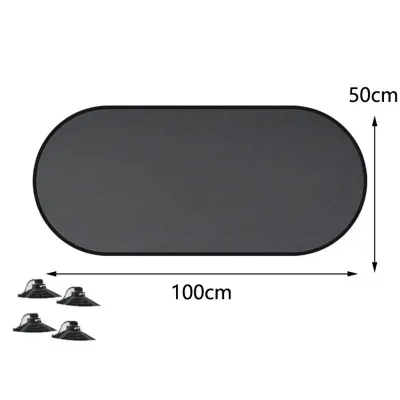
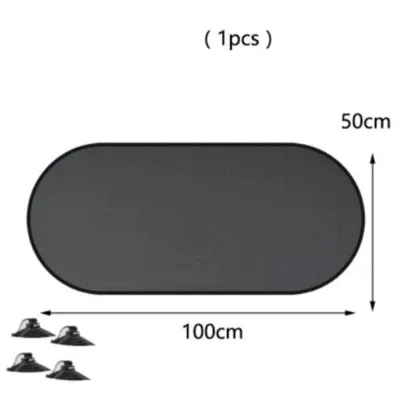
Prices are valid at publication and may change. Please refer to the product page for the latest price.
Where Does Cabin Heat Actually Come From?
To understand why front and side shades perform different roles, it helps to look at the physics of solar heat gain inside a parked vehicle. When your car is left exposed to the sun, it experiences the greenhouse effect. Shortwave solar radiation (including visible light and ultraviolet rays) easily passes through your car’s glass windows. Once inside, this radiation is absorbed by the dark, dense materials of your interior, such as the polyurethane dashboard, plastic door panels, and leather or fabric upholstery.
Once these materials absorb the solar energy, they heat up and begin re-radiating it as longwave infrared radiation (heat). Unlike shortwave solar radiation, longwave infrared cannot easily pass back outward through glass. As a result, the heat becomes trapped inside the cabin, causing the internal temperature to skyrocket far beyond the ambient outdoor temperature. On a typical 32°C day in Singapore, the interior of a car parked in direct sunlight can easily exceed 60°C within an hour.
In this thermal dynamic, the front windshield is the primary culprit. It features the largest surface area of any glass panel on the vehicle and is positioned at a raked, aerodynamic angle. This orientation maximizes its exposure to the overhead sun, allowing a massive volume of direct solar energy to flood the front half of the cabin.
In contrast, side windows are smaller, mounted vertically, and are frequently shielded by the car’s roofline or adjacent structures when the sun is high in the sky. While side windows still contribute to the overall heat load, their primary impact is localized. They allow direct sunlight to beam directly onto passengers’ faces and shoulders, causing immediate physical discomfort and high UV exposure even if the air conditioning is running.
Front Windshield Sun Shades: Coverage and Impact
Because the front windshield is the main gateway for solar heat, placing a physical barrier directly behind this glass yields the most dramatic drop in cabin temperatures.

Heat Reduction and Dashboard Protection
When direct sunlight streams through an unprotected windshield, it strikes the dashboard first. The dashboard is a massive, dark horizontal surface that acts as a heat sink, absorbing thermal energy and radiating it directly into the front cabin. By installing a reflective front windshield shade, you intercept this solar radiation at the glass line, bouncing the light and heat back out through the windshield before it can reach the dashboard.
Preventing the dashboard from heating up does more than just keep the cabin cooler; it preserves your car’s interior value. Prolonged exposure to high heat and UV radiation causes dashboard plastics to dry out, warp, and eventually crack. It also accelerates the fading of leather steering wheels and front seat upholstery. Furthermore, extreme interior heat causes cabin plastics to undergo off-gassing—a process where volatile organic compounds (VOCs) are released into the air, often leaving a greasy, hazy film on the inside of your windshield and creating an unpleasant, chemical smell.
Installation and Storage Considerations
When choosing a front windshield shade, you will encounter several design types, each offering distinct trade-offs in terms of daily usability and storage:
- Accordion-Style (Folding): Made of stiff, dual-layer bubble insulation laminated with reflective foil. These shades offer excellent heat deflection and are highly durable, but they are bulky and can be awkward to fold and store when a passenger is sitting next to you.
- Roll-Up Shades: Typically made of flexible reflective foam. They roll up into a tight cylinder secured by a strap. While they provide solid insulation, they take up significant storage space in the passenger footwell or boot.
- Umbrella-Style Shades: A modern design that opens like a standard umbrella, with the canopy resting flat against the windshield. They fold down into a highly compact form factor that fits easily into a door pocket, though you must exercise care when opening them to avoid scratching your dashboard or central infotainment screen with the metal support ribs.
- Flexible Wire Loop (Twist-to-Fold): These feature a flexible spring-steel frame wrapped in reflective fabric. They twist and fold down into a small, flat circle that can slide into seatback pockets. They are highly convenient but can take some practice to fold quickly.
Regardless of the style you select, achieving a snug, custom fit is critical. Generic “one-size-fits-all” shades often leave large gaps around the A-pillars and the rearview mirror. These gaps allow sunlight to slip through, creating localized hot spots that can significantly reduce the shade’s overall thermal efficiency.
Side Window Sun Shades: Targeted Protection
While front windshield shades focus on reducing overall ambient cabin temperature, side window shades are designed for targeted, occupant-centric protection.
Passenger Comfort and UV Protection
If you frequently travel with passengers in the rear seats—especially infants or young children in rear-facing car seats—side window shades are an invaluable addition. Children have thinner skin and are more sensitive to the harsh glare and UV radiation of the tropical sun. Because they are strapped into fixed positions, they cannot move out of the sun’s path when it beams through the side windows.
Side shades create immediate localized shade, lowering the perceived skin temperature for rear passengers and preventing eye strain from harsh side glare. Additionally, they protect rear cabin materials. Over time, constant sun exposure through side windows will fade leather door panels, dry out rear headrests, and degrade the fabric and plastic components of expensive child car seats, shortening their safe operating lifespan.
Types and Window Operation
Side window shades are available in several mounting configurations, which directly impact how you can operate your vehicle’s windows:
- Static Cling Shades: Made of lightweight mesh attached to an electrostatic vinyl backing. They press directly onto the glass without suction cups, leaving no residue. However, because they are adhered directly to the glass, you cannot roll the window down while they are installed; doing so will peel the shade off or cause it to get caught in the window weatherstripping.
- Suction Cup Shades: A traditional option using small rubber suction cups to hold a mesh screen in place. While cheap and widely available, the high humidity and intense heat of Singapore can cause the rubber cups to harden, lose their suction, and fall off. They also tend to leave circular smudge marks on the glass.
- Magnetic Frame Shades: Custom-designed to match the exact shape of your car's side window frames. These shades feature small magnets sewn into their fabric borders, which snap securely onto the exposed metal frame of your car door. They provide full coverage and allow you to roll the window glass down completely for ventilation while the shade remains firmly in place.
- Mesh Sleeves (Socks): Made of an elastic polyester mesh that slides over the entire upper frame of the door like a sleeve. Because they cover both the inside and outside of the window frame, they allow you to roll the window down fully to enjoy a breeze while keeping bugs out and maintaining sun protection. However, because they are exposed to the external elements, they can flap at high speeds on the expressway and will accumulate dirt and moisture during heavy rain, requiring regular washing to prevent mold.
Front vs. Side Window Sun Shades: Feature Comparison
To help you decide which configuration fits your daily driving routine, the table below compares the key operational differences between front windshield and side window sun shades:
| Feature | Front Windshield Sun Shade | Side Window Sun Shade |
|---|---|---|
| Primary Function | Reduces overall cabin temperature and protects the dashboard. | Protects passengers from direct glare and localized UV exposure. |
| Heat Blocking Efficiency | High (intercepts the largest volume of solar radiation). | Moderate (targets smaller, vertical glass panels). |
| UV Protection Target | Dashboard, steering wheel, front seats, and front electronics. | Rear passengers, child car seats, and rear door panels. |
| Usability While Driving | Never use while driving. Must be removed and stored before moving. | Can be kept installed on rear side windows while driving. |
| Installation Effort | Moderate (requires unfolding and positioning under visors daily). | Low to moderate (often left installed semi-permanently on rear doors). |
| Window Usability | N/A (windshield does not open). | Varies (mesh sleeves/magnetic frames allow window operation; static/suction cups block it). |
| Storage Profile | Bulky to compact (depends on design; requires dedicated cabin space). | Very compact (can usually remain flat or stay installed on the glass). |
If your primary goal is to prevent your car from turning into a sauna while parked at work or during errands, focus your budget on a premium, highly reflective front windshield shade. If your priority is keeping your family comfortable, cool, and shielded from harsh glare during long weekend drives, investing in a set of high-quality magnetic or mesh-sleeve side window shades for the rear doors is the ideal path.
How to Choose Based on Your Parking Situation
Your daily parking habits in Singapore are the most important factor in determining which sun shade setup you actually need.
Open-Air and Sun-Facing Parking
If you park your vehicle in open-air surface lots—such as those found near industrial estates, older HDB developments, or outdoor commercial spaces—your car is subjected to uninterrupted solar radiation for hours at a time. Under these demanding conditions, a front windshield shade is absolutely mandatory. Without it, your dashboard will absorb extreme heat, placing an immense load on your car’s air conditioning compressor and accelerating the wear of your interior plastics.
Furthermore, if your assigned parking space forces your car to face east or west, the low angle of the sun during the early morning or late afternoon will bypass your front windshield shade entirely. In this scenario, the sun will beam directly through your driver and passenger side windows. To prevent this, you should complement your front shade with side window shades to block these low-angle rays, ensuring complete cabin protection throughout the day.
Multi-Storey Car Parks and Shaded Areas
If you primarily park in covered multi-storey car parks (MSCPs) or basement garages, your car is shielded from direct, overhead solar radiation. In these shaded environments, the greenhouse effect is highly minimized, and ambient temperatures remain closer to the outdoor air temperature.
However, do not assume you are completely exempt from sun damage. If you park near the outer perimeter of an MSCP, your vehicle can still be exposed to angled sunlight during the morning or afternoon. A front windshield shade remains highly useful for these edge parking spots. On the other hand, side window shades are generally unnecessary for heat protection in covered car parks, though they can still serve as an excellent privacy screen to conceal bags or valuable items left on the rear seats from opportunistic eyes.
Verify First: Window Tinting and Glass Types
Before purchasing any sun shades, it is essential to evaluate your car’s existing glass specifications and aftermarket modifications. In Singapore, the Land Transport Authority (LTA) enforces strict regulations regarding window tinting. The front windshield and front side windows must maintain a minimum Light Transmittance (VLT) of 70%, while the rear side windows and rear windshield must maintain a minimum VLT of 25%.
Many car owners install high-performance, LTA-compliant aftermarket solar films (such as ceramic or multi-layer optical films) to block up to 99% of harmful UV rays and a high percentage of infrared heat. If your car is already equipped with premium solar film, your side windows are already doing a significant amount of work to block heat, meaning physical side shades may only be necessary if you need extra glare reduction for a sleeping toddler.
However, even the most advanced solar films can eventually saturate and transfer heat into the cabin under prolonged exposure to direct sunlight. A physical front windshield shade provides an opaque, secondary physical barrier that solar film alone cannot match. Even with top-tier tinting, using a reflective front shade when parked in the open remains the best practice to keep your dashboard cool to the touch.
Frequently Asked Questions (FAQ)
Can I use a front windshield shade on the side windows?
No, attempting to use a front windshield shade on your side windows is highly impractical and unsafe. Front windshield shades are designed with a large, trapezoidal or wide rectangular shape to match the expansive rake of a windshield. Side windows are much smaller, more vertical, and often feature irregular, triangular, or curved geometries.
If you try to wedge a front shade into a side window, it will not fit properly, leaving massive gaps that let in heat while creating a bulky obstruction inside the cabin. Furthermore, blocking your front side windows with a thick, opaque front shade while driving is extremely dangerous and illegal, as it completely obstructs your view of the side mirrors and blind spots.
Do car sun shades damage window tint?
Standard car sun shades generally do not cause any damage to high-quality, professionally installed window tint films. However, you should exercise caution when using suction cup shades on windows with aftermarket tint. If the suction cups are pulled off aggressively, or if the tint film is old, bubbling, or has peeling edges, the physical pull of the suction cup can lift the film away from the glass.
To protect your investment in aftermarket solar films, avoid suction cup designs entirely. Instead, opt for static cling shades, magnetic frame shades, or mesh sleeves. These alternatives provide excellent sun protection without placing any physical adhesive or suction stress on the delicate inner surface of your tinted glass.
Community discussion
Share your experience or ask a question. Comments are reviewed before publication.