
Quick Answer: Which Sunshade Should You Prioritize?
To keep your car cool in Singapore’s relentless tropical heat, the choice between a front windshield sunshade and side window blinds depends on your daily parking habits and passenger needs. If you must prioritize just one, start with a front windshield sunshade. The front windshield is the largest piece of glass on your vehicle, acting as the primary entry point for solar radiation that bakes your dashboard, steering wheel, and front seats.
If your daily routine involves carrying rear passengers, such as young children or elderly family members who require immediate relief from side-angle glare, side window blinds are the more urgent purchase. For complete thermal protection and to reduce the load on your car’s air conditioning system, combining both solutions offers the most effective defense against cabin heat buildup.
Understanding Heat Entry: Windshield vs Side Glass Exposure
When your car sits parked under the sun, it functions like a greenhouse. Shortwave solar radiation passes easily through the clear glass windows and is absorbed by the dark surfaces of your interior, such as the dashboard, seats, and steering wheel. These surfaces then re-radiate this energy as longwave infrared radiation, which cannot easily escape back through the glass, trapping heat inside the cabin.
Products mentioned in this guide
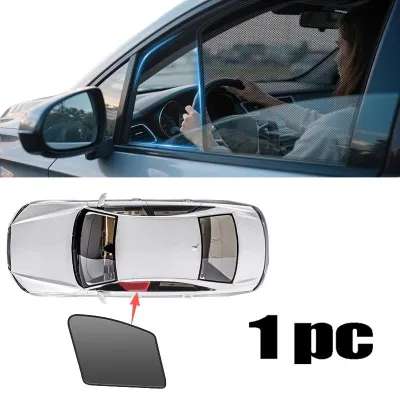
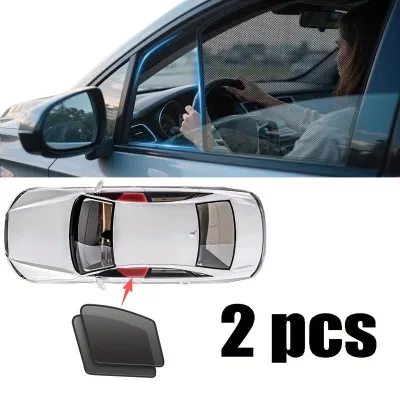
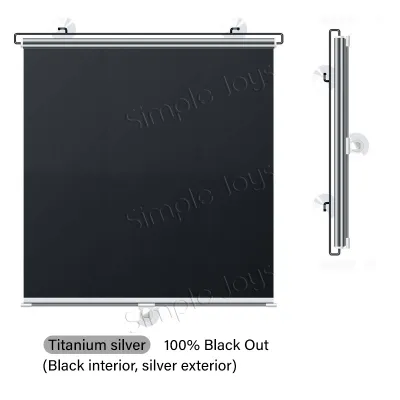
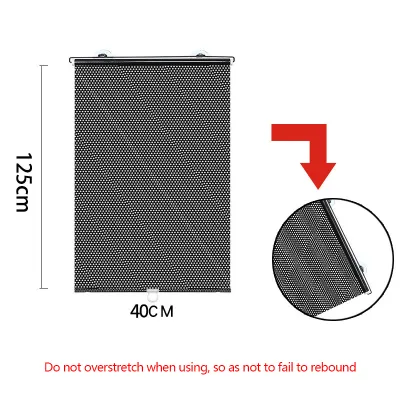
Prices are valid at publication and may change. Please refer to the product page for the latest price.

The front windshield is the single largest contributor to this heat trap due to its massive surface area and steep angle, which directly faces the overhead sun for most of the day. This direct exposure causes rapid radiant heating, where the dashboard surface temperature can quickly climb to uncomfortable levels, potentially damaging sensitive electronics and accelerating the aging of interior plastics.
In contrast, side windows present a different thermal challenge. While they have less surface area individually, they are highly vulnerable to low-angle sunlight during morning and evening commutes. This lateral exposure does not just heat the cabin; it shines directly onto passengers, causing localized discomfort, skin irritation, and distracting glare.
Understanding the difference between radiant heat and convective heat is key to choosing your defense. A front windshield shade primarily blocks radiant heat by reflecting sunlight before it can strike and warm the massive thermal sink of your dashboard. Side window blinds, particularly mesh varieties, focus more on reducing glare and convective heat transfer by shading passengers and allowing managed airflow when the windows are cracked open.
Front Windshield Sunshades: Types and Best Use Cases
Selecting the right front windshield sunshade requires balancing thermal performance, ease of deployment, and storage convenience.
- Accordion and Foldable Foil Shades: These classic options feature a reflective metallic foil layer backed by bubble wrap or foam insulation. They offer excellent heat rejection because the shiny surface bounces solar radiation back out through the glass. They are highly durable and relatively inexpensive, often costing under S$20 on online marketplaces. However, they require manual folding and unfolding every time you park, and their bulky shape can make storage awkward in smaller hatchbacks or compact sedans.
- Custom-Fit Umbrella Shades: Designed to open like a standard rain umbrella, these shades feature a tensioned fabric canopy with a reflective outer coating. They pop open in seconds and provide excellent edge-to-edge coverage of the windshield, leaving very few gaps for light to seep through. The primary drawback is the central handle, which can press against your infotainment screen or dashboard. Before purchasing, verify that the handle design is flexible or adjustable to avoid putting pressure on your vehicle's center console or rearview mirror assembly.
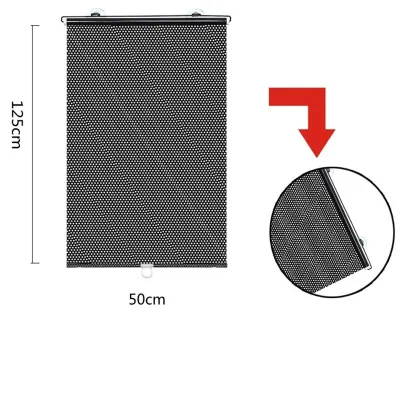
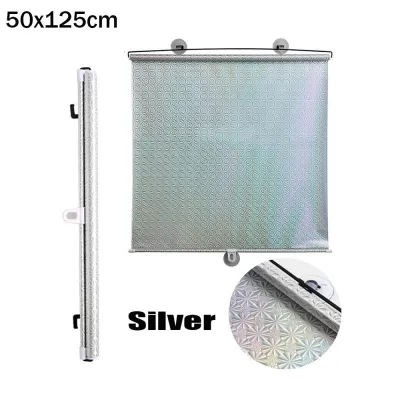
- Retractable Roller Shades: These shades mount permanently to one side of the windshield frame or sit along the passenger side A-pillar, pulling across the glass and securing with suction cups or brackets. They offer unmatched convenience for daily drivers who park frequently throughout the day. However, because they remain mounted to the glass, you must carefully verify their compatibility with your front dashcam, rain sensors, and automatic headlight sensors to ensure they do not block critical safety equipment.
Side Window Blinds: Visibility, Airflow, and Parking Scenarios
Side window blinds serve a dual purpose: they block heat when parked and provide glare protection while driving.
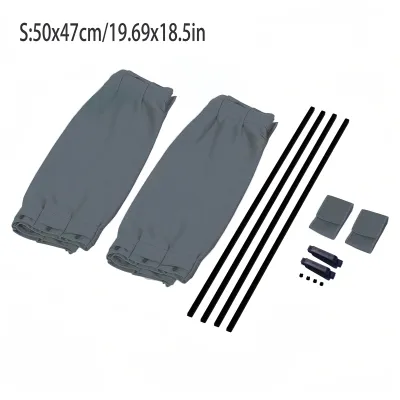
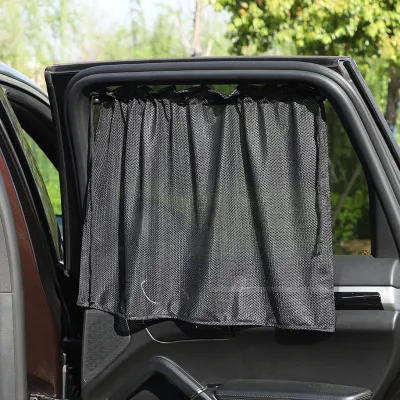
- Mesh Slip-On Covers: These fabric sleeves slide over the entire door frame like a sock, covering both the inside and outside of the window glass. Their unique advantage is that they allow you to roll down the window fully to let fresh air circulate while still keeping bugs out and maintaining shade. This makes them ideal for stationary resting or camping. However, because they sit on the exterior, they are exposed to rain and road grime, which can lead to dampness and musty odors if not dried properly.
- Magnetic or Suction Cup Blinds: Magnetic blinds cling directly to the metal frame surrounding your window glass, while suction cup versions attach directly to the pane. They are highly effective at blocking glare and providing instant privacy for rear passengers. When using these while driving, you must ensure they do not obstruct your view of the side mirrors. Many manufacturers offer specialized front-row designs with cutouts specifically shaped to keep your side mirrors fully visible.
- Retractable Side Shades: Often integrated into premium vehicles or installed as aftermarket clip-on accessories, these shades roll up and down within the door panel or window frame. They provide a clean, factory-installed look and do not need to be removed when operating the window. If you choose aftermarket retractable shades, verify that the mounting clips or adhesive strips do not interfere with the window glass channel or block the deployment path of your vehicle's side-curtain airbags.
Direct Comparison: Matching Sunshades to Your Parking Habits
To help you decide which option fits your lifestyle, consider how and where you park your vehicle on a daily basis.
| Feature | Front Windshield Sunshade | Side Window Blinds |
|---|---|---|
| Primary Benefit | Blocks dashboard heat and UV damage | Reduces passenger glare and adds privacy |
| Deployment Effort | High (must install/remove every park) | Low to Medium (can remain installed) |
| Driving Usability | Stationary use only | Can be used while driving (rear windows) |
| Storage Needs | Requires dedicated cabin storage space | Often stays mounted on the windows |
| Typical Cost Range | S$10 – S$40 | S$15 – S$50 per pair |
- Choose Front Windshield if… Your car is parked in open-air HDB carparks or unsheltered office lots for long hours during the day. If your steering wheel is too hot to touch at midday, or if you want to protect your leather dashboard from cracking and fading, a high-quality front windshield shade is your best defense.
- Choose Side Blinds if… You frequently drive with children, pets, or rear passengers who complain about the sun shining in their eyes. They are also highly beneficial if you frequently park parallel to the sun's path, where the side of your vehicle receives the brunt of the afternoon heat.
- Verify first if… You plan to use opaque or highly reflective side blinds on the front windows. Local traffic regulations in Singapore require drivers to maintain an unobstructed view through the front windscreen and front side windows. Always ensure any front-row blinds are removed before driving, or use mesh designs that maintain clear visibility to your side mirrors.
Installation, Storage, and Safety Checks
Proper usage of your sunshades ensures they protect your car without causing unintended damage or safety hazards.
When installing a front windshield shade, handle the material gently around your rearview mirror. Forcing a stiff accordion shade or an umbrella frame past the mirror can loosen the adhesive mount or damage the delicate wiring of rain sensors and built-in dashcams. Ensure the shade rests flat against the glass rather than draping over the dashboard, as trapping hot air directly against the dashboard surface can cause localized heat buildup.
For side window blinds, safety during driving is the absolute priority. Never install solid, opaque, or highly reflective blinds on the driver or front passenger windows while the vehicle is in motion. If you use magnetic blinds, check that the magnets are securely sewn into the fabric hem; loose magnets can scratch your car’s paintwork during installation or slide down into the door cavity, potentially interfering with electronic window regulators.
Given Singapore’s high humidity, proper storage is essential to prevent mold and mildew. Avoid folding up damp sunshades and stuffing them into seatback pockets. If your shades get wet from condensation or rain, wipe them down with a dry microfiber cloth and let them air out completely before storing them in a closed compartment.
Frequently Asked Questions (FAQ)
Do I still need sunshades if my car has factory-tinted windows?
Yes, physical sunshades are still highly beneficial even if your car has factory-tinted glass or aftermarket solar films. While high-quality window tints are excellent at blocking ultraviolet (UV) rays and some infrared heat, they still allow a portion of solar energy to enter the cabin. Once this heat enters, it gets trapped by the glass. A physical sunshade acts as a secondary barrier, reflecting the light back out before it can strike your interior surfaces, significantly reducing the overall thermal load on your air conditioning system.
Can leaving a sunshade on the dashboard damage the interior?
If used incorrectly, a highly reflective sunshade can trap intense heat between the reflective backing and the windshield glass. If the shade is draped loosely over the dashboard rather than held flush against the glass, this trapped heat can reach extreme temperatures, potentially warping soft-touch plastics or damaging the adhesive on dashboard trims. To prevent this, always secure the shade tightly against the glass using your car’s sun visors, and avoid letting the reflective material rest directly against sensitive electronic screens.
Are magnetic side window blinds safe for cars with electronic components?
Most magnetic side window blinds use small, low-intensity neodymium magnets sewn into the fabric border. These magnets are not strong enough to interfere with your car’s electronic control units, window motors, or keyless entry sensors. However, you should avoid placing them directly over sensitive aftermarket accessories, such as external GPS antennas or compass sensors mounted near the window frame. Always ensure the magnets are fully enclosed in fabric to prevent them from scratching the painted metal surfaces of your door frame.
Community discussion
Share your experience or ask a question. Comments are reviewed before publication.