
When parking under the intense tropical sun or driving during peak daylight hours, managing the temperature and light inside your vehicle is essential for comfort and interior preservation. Choosing between a front windshield sunshade and side window blinds depends on when and where you need protection.
If your primary goal is to keep the steering wheel cool and protect your dashboard while parked, a front windshield sunshade is the correct choice. If you need to shield passengers from blinding glare and maintain privacy while the vehicle is in motion, side window blinds are the ideal solution.
Quick Answer: Which Car Window Blind Should You Get?
To make an immediate decision, identify when you experience the most discomfort from the sun. Front windshield sunshades are designed primarily for stationary vehicles, targeting cabin heat buildup and protecting the dashboard from direct UV exposure. They cover the largest glass surface on your car, preventing the interior from turning into an oven while parked.
Products mentioned in this guide
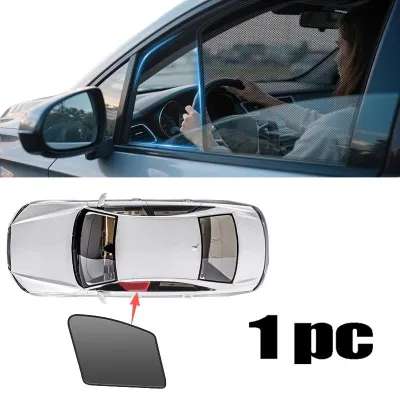
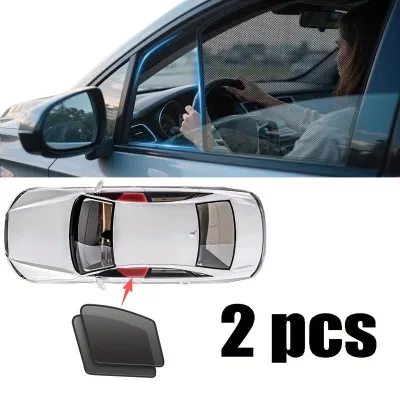
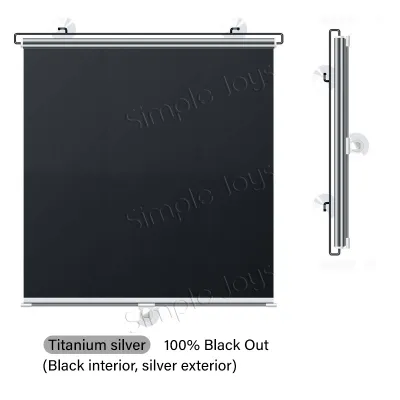
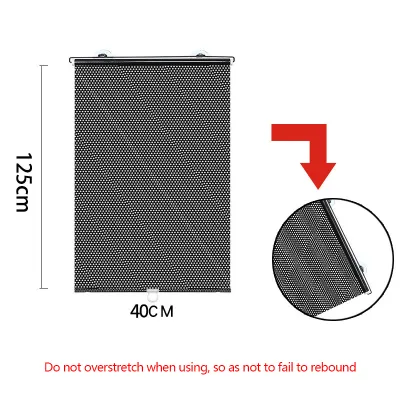
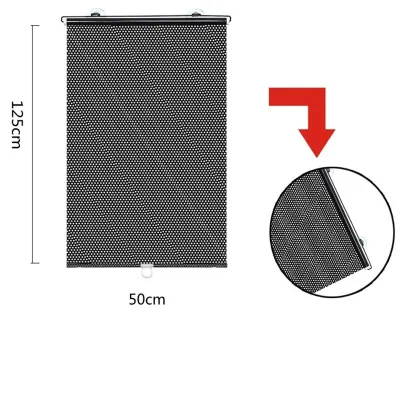
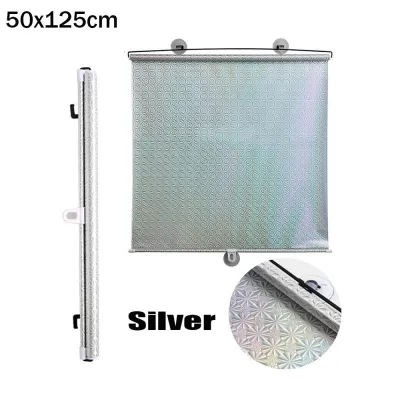
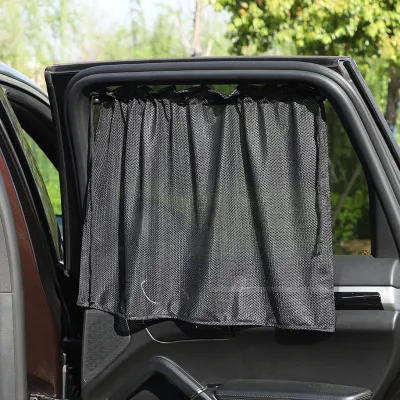
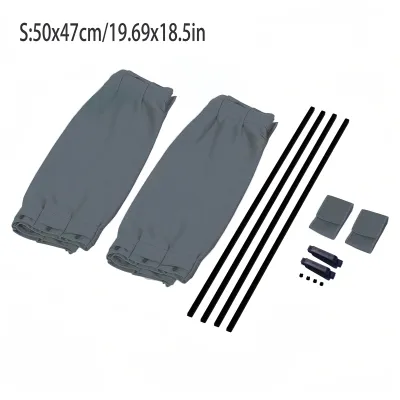
Prices are valid at publication and may change. Please refer to the product page for the latest price.
Side window blinds, on the other hand, focus on passenger comfort during transit. They reduce glare, block side UV exposure, and provide privacy for rear-seat passengers. Choosing the right option depends on whether you want to manage overall cabin temperatures while parked or improve passenger comfort while driving.
Core Functional Differences: Heat Rejection vs. Glare Control
The front windshield represents the largest single entry point for solar radiation in most passenger vehicles. Because of its steep angle and expansive surface area, it allows a massive volume of sunlight to penetrate directly onto the dashboard, steering wheel, and front seats.

A front windshield sunshade acts as a physical barrier placed directly behind this glass. It reflects or absorbs radiant energy before it can heat up the dense materials of your car’s interior. By blocking this direct path, these shades help prevent the dashboard from drying out, cracking, or fading over years of exposure.
In contrast, side window blinds are designed to address the vertical glass surfaces along the sides of the cabin. While they do contribute to overall thermal management, their primary job is to control glare and direct sunlight from hitting passengers.
This is particularly important for rear-seat passengers, such as infants in car seats or pets, who cannot easily reposition themselves to escape the sun’s glare. Side blinds also protect the door panels, armrests, and leather upholstery from localized UV damage and fading.
It is important to maintain realistic expectations regarding how these accessories manage heat. Neither a front sunshade nor side blinds can completely stop heat transfer. Solar energy still warms the glass itself, and ambient heat eventually transfers into the cabin through conduction and convection.
The effectiveness of any shade depends heavily on its material composition, fitment, and coverage. Checking the manufacturer’s product labels for specific material ratings is always recommended to understand the limits of your chosen product.
Installation, Storage, and Daily Usability
The daily utility of any car window blind is closely tied to how easily it can be deployed, folded, and stored. Front windshield sunshades generally come in three main designs: accordion-fold panels, roll-up reflective sheets, and collapsible pop-up rings.
Accordion and roll-up styles are highly rigid and quick to position, but they can be bulky to store. They often require space along the passenger footwell or in the trunk when not in use. Pop-up ring designs fold down into compact circles that easily slide into seatback pockets, though they require a bit of practice to twist and fold properly.
Side window blinds offer a different set of handling dynamics. Many modern side blinds utilize magnetic frames that snap directly onto the metal window frame of the door, allowing for rapid installation and removal.
Other options include static-cling films, suction-cup rollers, or custom-fit mesh inserts that press into the window channel. While roller blinds offer the convenience of retracting with the push of a button, they can rattle during travel or leave suction cup marks on the glass.
When choosing between these systems, consider how often you carry passengers and how much storage space you are willing to dedicate to these accessories. A multi-piece set of side window blinds can provide excellent coverage, but managing four or five separate pieces daily requires more effort than deploying a single front windshield shade.
If you frequently carry passengers in the rear, semi-permanent magnetic or custom-fit mesh blinds that can remain in place while the window is rolled down offer the most seamless daily experience.
Compatibility and Safety Checks Before You Buy
Before purchasing any car window blind, verifying compatibility with your specific vehicle is crucial for both safety and performance. Universal-fit shades often leave large gaps around the edges of the glass, allowing concentrated beams of sunlight to penetrate and heat up the cabin.
To ensure maximum coverage, check the manufacturer’s compatibility charts for your exact vehicle make, model, and production year. Custom-fit options, while sometimes requiring a higher initial investment, are tailored to the precise dimensions of your windows.
Safety must remain the top priority when installing any interior accessory, particularly those placed near the driver’s field of vision. Side window blinds installed on the front driver or passenger doors must never obstruct your view of the side mirrors or blind spots.
In many jurisdictions, driving with heavily obscured front side windows is illegal. Additionally, you must ensure that any mounting clips, brackets, or suction cups do not interfere with the deployment paths of side curtain airbags, which are typically located along the roofline and pillars.
Another critical check involves the compatibility of the shade’s mounting mechanism with your vehicle’s existing features. If your car has aftermarket window tinting film applied, suction cups or static-cling materials can sometimes pull or bubble the film upon removal.
For vehicles with delicate leather or soft-touch plastic door trims, metal clips or tight-fitting plastic brackets might cause permanent indentation or scratching. Always inspect the mounting points and consult your vehicle’s manual or a professional installer if you are unsure about potential damage.
Decision Framework: How to Choose the Right Sunshade for Your Car
To finalize your decision, evaluate your typical driving habits, parking situations, and passenger needs against the primary strengths of each product type.
Choose Front Windshield Sunshades if:
- Your vehicle is routinely parked outdoors in unsheltered areas for extended periods.
- You want to prevent the steering wheel, gear shifter, and seats from becoming painfully hot to the touch.
- Your primary goal is to protect the dashboard and front cabin electronics from direct UV degradation.
Choose Side Window Blinds if:
- You frequently travel with children, elderly passengers, or pets in the rear seats who complain of sun glare.
- You want to increase cabin privacy and reduce the visibility of items left on the back seats.
- You require sun protection that can remain active while the vehicle is in motion.
Consider Both if:
- You want to maximize thermal management and UV protection across the entire cabin during long road trips.
- You live in a consistently hot, sunny climate and park outdoors frequently.
Verify First if:
- Your vehicle has unique window shapes, frameless doors, or pre-installed aftermarket window tints that could interfere with standard mounting systems.
Frequently Asked Questions (FAQ)
Can I use both front windshield sunshades and side window blinds together?
Yes, combining both types of shades is an excellent way to achieve comprehensive thermal and UV protection. When parked, using a front windshield shade alongside side window blinds minimizes the greenhouse effect inside the cabin, keeping the interior temperature more manageable.
However, when driving, you must ensure that any side blinds on the front doors are completely removed or retracted. This maintains an unobstructed view of your side mirrors and surrounding traffic, keeping you in compliance with local road safety regulations.
Do car window blinds completely stop the cabin from getting hot?
No, car window blinds and sunshades cannot completely prevent your cabin from heating up. While they are highly effective at blocking radiant heat from direct sunlight, they do not stop conductive heat transfer through the metal body of the car or the glass itself.
Over time, ambient heat will still warm the air inside a parked vehicle. For the best results, combine your sunshades with other strategies, such as parking in shaded areas, cracking the windows slightly if safe to do so, or using your vehicle’s ventilation system to clear hot air before driving.
Community discussion
Share your experience or ask a question. Comments are reviewed before publication.