
Quick Answer: Which Sunshade Should You Prioritize?
When deciding between a front windshield sunshade and side window sunshades, the front windshield sunshade is almost always the primary purchase you should make. The front windshield represents the largest, most sloped piece of glass on your vehicle. It acts as the primary gateway for solar radiation, directly exposing your dashboard, steering wheel, and front seats to intense heat and ultraviolet rays. If your main goal is to lower the overall cabin temperature and protect your interior materials while your car is parked, prioritizing a high-quality front windshield sunshade offers the highest baseline value.
However, side window sunshades should take immediate priority if your daily driving routine centers around passenger comfort during transit. If you frequently transport infants, young children, or pets in the rear seats, side window sunshades are essential to block direct lateral glare and UV radiation while the vehicle is in motion. While a front shade protects a parked vehicle, side shades actively shield occupants from discomfort and sunburn during daylight commutes.
Ultimately, the choice depends on your primary pain point. If you dread touching a burning steering wheel and entering a suffocatingly hot cabin after parking outdoors, buy a front windshield sunshade first. If your priority is protecting rear-seat passengers from harsh side-angle sunlight while driving, start with side window sunshades.
Products mentioned in this guide
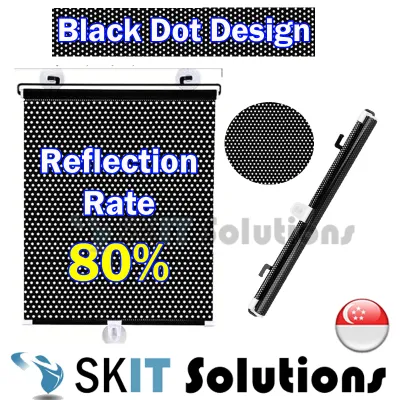

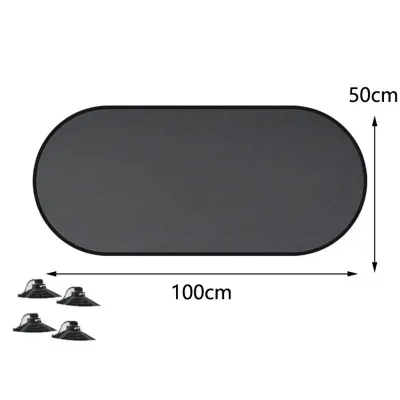
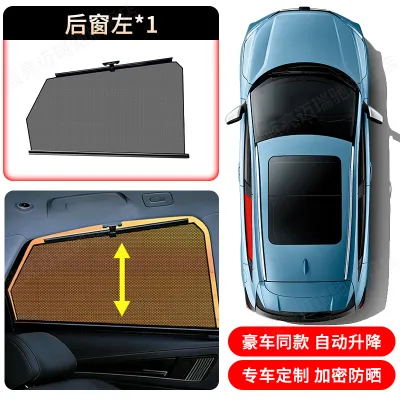
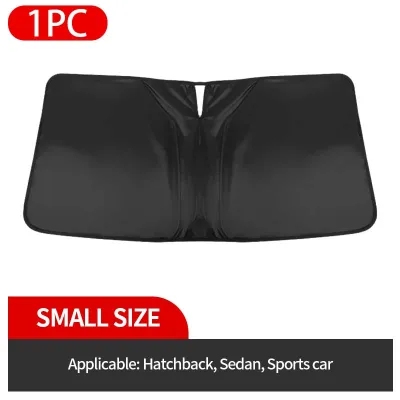
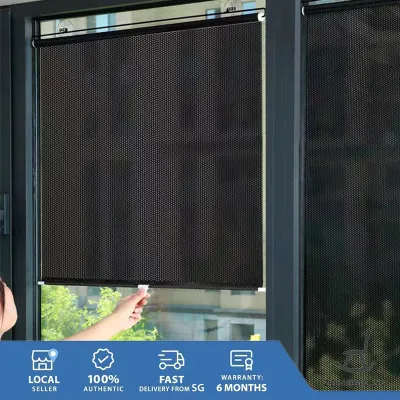
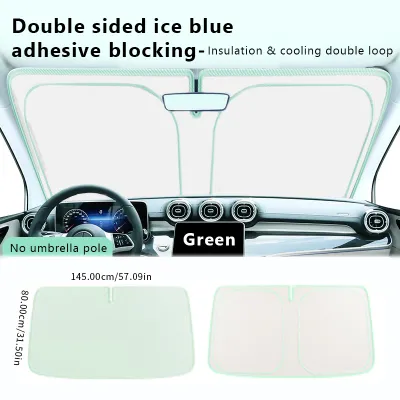
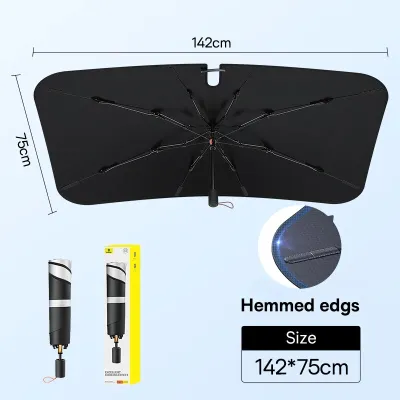
Prices are valid at publication and may change. Please refer to the product page for the latest price.
Heat Reduction: Where Does the Sun Hit Hardest?
To understand why the front windshield is the primary source of interior heat, it is necessary to examine how solar energy interacts with your vehicle. When your car is parked outdoors under the intense tropical sun, solar radiation passes through the glass windows in the form of shortwave light. Once this light strikes the dark, dense surfaces of your interior—such as the dashboard, steering wheel, and leather seats—it is absorbed and re-radiated as longwave infrared radiation, commonly known as heat. Because glass is highly efficient at letting shortwave light in but inefficient at letting longwave heat escape, your vehicle quickly becomes a thermal trap. This thermal dynamic is known as the greenhouse effect.

Because of its physical design, the front windshield contributes far more to this heat accumulation than any other window. Modern vehicle aerodynamics require front windshields to be large and heavily sloped. This angle ensures that the windshield is positioned almost perpendicular to the midday sun, maximizing the surface area exposed to direct solar radiation. The heat absorbed by the massive plastic and vinyl dashboard structure radiates directly into the front cabin, warming the surrounding air and raising the ambient temperature of the entire vehicle.
Reflective front sunshades mitigate this process by intercepting solar radiation before it ever reaches your interior surfaces. High-quality reflective shades utilize a shiny metallic or aluminum foil outer layer that bounces the shortwave light back out through the windshield glass. By preventing the conversion of light into thermal energy, these shades keep the dashboard and steering wheel significantly cooler to the touch.
In contrast, side windows are smaller, more vertical, and often benefit from factory tinting or narrower angles of solar exposure throughout the day. While side windows certainly contribute to heat accumulation when the sun is low in the sky, their individual surface areas are much smaller than the front windshield. Consequently, deploying side window sunshades on a parked car will do relatively little to lower the overall ambient cabin temperature if the massive front windshield is left uncovered.
It is crucial to manage your expectations regarding thermal performance in hot climates. No sunshade can completely block heat transfer or keep a vehicle’s cabin at room temperature when parked in an open-air car park for hours. Over time, heat will still conduct through the metal roof, body panels, and unshaded glass. However, a front windshield sunshade dramatically reduces the surface temperature of critical touchpoints like the steering wheel, gear shifter, and seat cushions, preventing painful physical contact and reducing the workload on your vehicle’s air conditioning system when you start driving.
UV Protection: Interior Preservation vs Passenger Safety
Ultraviolet (UV) radiation from the sun is divided into UVA and UVB rays, both of which present distinct risks to your vehicle’s interior and your body. Addressing these risks requires understanding how different types of automotive glass interact with UV light and how front and side sunshades provide targeted protection.
Front Windshield Sunshades and Interior Preservation
Your vehicle’s front windshield is constructed from laminated safety glass, which consists of two layers of glass bonded together by a plastic polyvinyl butyral (PVB) interlayer. This laminated design is highly effective at blocking almost all UVB rays and a significant portion of UVA rays. However, the intense infrared heat and remaining UV light that pass through can still cause severe, irreversible damage to your interior over time. Continuous exposure leads to the chemical breakdown of polymers in your dashboard, steering wheel, and front seats. This degradation manifests as fading, cracking, warping, and the premature aging of leather, vinyl, and soft-touch plastics. Placing a protective sunshade directly behind the glass shields these sensitive materials, preserving your vehicle’s aesthetic appeal and resale value.
Side Window Sunshades and Passenger Safety
Unlike the front windshield, side and rear windows are typically made of tempered glass. While tempered glass is exceptionally strong and shatters into safe, dull fragments during an accident, it does not inherently block UVA radiation as effectively as laminated glass unless it has been specifically treated with an aftermarket UV-blocking tint. This means that lateral UV rays can easily penetrate side windows, directly exposing passengers to harmful radiation. Side window sunshades are therefore critical for human safety. They block the direct lateral rays that cause skin damage, premature aging, and eye strain. This protection is particularly vital for infants and young children riding in the back seat, as their sensitive skin is highly susceptible to sunburn and heat rash during long drives.
Verifying Material Specifications
When shopping for sunshades, do not assume that all dark, mesh, or reflective materials offer equal UV protection. Some cheap materials merely block visible light, making the cabin darker while allowing harmful UV radiation to pass through unimpeded. Before purchasing, check the product packaging and manufacturer specifications for certified Ultraviolet Protection Factor (UPF) ratings or explicit UV-blocking percentages. Look for products rated UPF 50+ or those certified to block 99% of UV rays to ensure genuine protection for both your vehicle and its occupants.
Usability and Installation: Daily Convenience Compared
A sunshade is only useful if you actually deploy it. Understanding the physical designs, installation steps, and storage requirements of both front and side sunshades will help you choose a product that fits seamlessly into your daily routine.
Front Windshield Sunshade Designs
Front windshield sunshades are available in several common designs, each presenting distinct trade-offs in terms of storage and deployment:
- Foldable Accordion Shades: These classic designs feature stiff, foam-core panels that fold up along pre-creased lines. They are highly durable and quick to deploy, but they are bulky and can be awkward to store in smaller cabins, often requiring you to place them on the back seat or in the boot.
- Umbrella-Style Shades: A modern design that opens like a traditional rain umbrella, with a central shaft and fabric canopy that presses against the windshield. They fold down into a highly compact shape that easily fits into a door pocket or glove box. However, the metal tension ribs can potentially scratch your dashboard, leather trim, or aftermarket dashcam if not opened with care.
- Roll-Up Shades: Made of flexible reflective materials, these roll into a cylinder secured by a strap. They are simple but can be tedious to roll tightly, and they tend to lose their shape over years of exposure to high heat.
Side Window Sunshade Designs
Side window sunshades utilize different attachment mechanisms designed for specific use cases:
- Static Cling Film: These thin, dark plastic sheets adhere directly to the glass using static electricity. They require no suction cups and allow you to roll the window down slightly, but they can be difficult to apply without trapping unsightly air bubbles, and they may peel off over time due to heat degradation.
- Suction Cup Shades: These shades use rubber suction cups to attach a mesh screen to the glass. While inexpensive and easy to move, suction cups frequently lose their suction, harden, and fall off when exposed to intense heat. They also prevent you from rolling the window down while installed.
- Magnetic Frame Shades: Custom-designed to fit the exact window frame of specific vehicle models, these shades feature embedded magnets that snap onto the exposed metal door frame. They provide excellent coverage, do not interfere with window operation, and are highly secure. However, they only work on vehicles with steel door frames; they cannot attach to aluminum, plastic, or frameless doors.
- Slip-On Mesh Socks: These elastic mesh sleeves slide over the entire upper door frame like a sock. They allow you to roll the window completely down while maintaining shade and insect protection. The primary trade-offs are increased wind noise at high speeds, potential wear on the door seals, and a less streamlined appearance.
Fitment and Safety Precautions
Regardless of the style you choose, verifying exact physical dimensions against your specific vehicle make and model is critical. An ill-fitting front sunshade that is too small will leave large gaps, allowing concentrated beams of sunlight to heat your interior. A shade that is too large will be difficult to secure, potentially bending your rearview mirror, damaging built-in rain sensors, or interfering with forward-facing safety cameras. For side windows, never use shades that obstruct your view of the side mirrors or block your blind-spot visibility while driving. Always prioritize road safety over maximum shade.
Front vs Side Window Sunshades: Feature Comparison
To help you quickly evaluate the differences between these two options, the table below summarizes their core characteristics based on typical usage scenarios.
| Feature | Front Windshield Sunshade | Side Window Sunshade |
|---|---|---|
| Primary Heat Reduction Target | Dashboard, steering wheel, front seats, and overall ambient cabin air | Localized passenger seating areas and rear cabin space |
| UV Protection Focus | Preventing interior material degradation (cracking, fading) | Protecting passenger skin and eyes from direct lateral radiation |
| Installation Effort | High daily frequency; must be manually set up and removed every time you park | Low daily frequency; often left installed semi-permanently on rear windows |
| Storage Convenience | Varies by style; umbrella types fit in door pockets, while accordion types require boot space | Highly compact; most mesh or magnetic styles fold into small pouches |
| Impact on Visibility When Parked | Completely blocks forward vision (only for use when vehicle is stationary) | Partially reduces lateral vision; must not obstruct driver view while driving |
Decision Framework: Which Type Fits Your Driving and Parking Habits?
To make the right purchasing decision, evaluate your daily driving habits, parking environment, and passenger needs using the following conditional framework.
Choose a Front Windshield Sunshade First If:
- You frequently park outdoors: If your home, office, or daily destinations require you to park in open-air lots under direct sunlight, a front windshield shade is indispensable for mitigating the greenhouse effect.
- Your main frustration is physical contact heat: If you regularly struggle with a burning steering wheel, hot leather seats, or scalding seatbelt buckles upon entering your car, a front shade will resolve these pain points directly.
- You want to protect your vehicle's interior: If you own a vehicle with a sensitive leather dashboard, advanced infotainment screens, or premium interior materials, a front shade is the most effective tool to prevent fading and cracking.
Choose Side Window Sunshades First If:
- You regularly transport passengers in the rear: If you frequently drive with infants, children, elderly family members, or pets, protecting them from direct lateral glare and UV exposure during transit is a priority.
- You suffer from lateral glare during your commute: If your daily morning or evening commute aligns with the rising or setting sun, causing intense lateral glare that makes driving uncomfortable, side shades provide targeted relief.
- Your vehicle lacks deep factory window tinting: If your car's rear side windows are highly transparent, side shades offer a quick, reversible way to add privacy and shade without the expense of aftermarket window tinting.
Consider Buying Both If:
- You live in a consistently hot, tropical environment: In regions like Singapore, where high humidity and intense solar radiation are present year-round, combining both front and side shades provides the ultimate level of thermal and UV protection.
- You park outdoors for extended periods: Utilizing a high-quality front shade alongside custom-fit magnetic side shades ensures that your entire cabin remains shielded from all angles, dramatically reducing the heat load and protecting every interior surface.
Regulatory and Safety Compliance
Before installing any aftermarket window coverings, always verify local traffic regulations regarding their use while the vehicle is in motion. For example, the Land Transport Authority (LTA) in Singapore enforces strict rules regarding window tinting and obstructions to ensure clear driver visibility. While using side window shades on rear passenger doors is generally acceptable, placing any physical shade on the front side windows or the front windshield while driving is illegal and highly dangerous, as it severely compromises your view of side mirrors, blind spots, and surrounding traffic. Always remove front-row shades before starting your engine.
Frequently Asked Questions (FAQ)
Do I need sunshades if my car windows already have factory UV protection?
Yes, you still need sunshades even if your vehicle’s glass features factory UV protection. While modern laminated front windshields and tinted side windows are highly effective at blocking ultraviolet (UV) radiation, they do not block all infrared (IR) radiation, which is the primary source of solar heat. Factory glass tinting primarily reduces visible light and some UV rays, but it can still allow significant heat to pass through and build up inside a parked cabin. Using a physical, reflective sunshade provides an extra barrier that bounces heat back out of the vehicle, protecting your dashboard from thermal degradation and keeping the cabin temperature more manageable.
Is it legal and safe to use side window sunshades while driving?
Using side window sunshades while driving is only safe and legal if they are installed on the rear passenger windows and do not obstruct the driver’s field of vision. In Singapore, the Land Transport Authority (LTA) requires that drivers maintain a clear, unobstructed view of the road, side mirrors, and surrounding traffic at all times. Installing shades on the front side windows or the front windshield while the vehicle is in motion is illegal and poses a severe safety hazard. If you use slip-on mesh socks or magnetic frames on the rear windows, ensure they are securely fitted so they do not flap or detach at high speeds, and verify that they do not create dangerous blind spots during lane changes.
Community discussion
Share your experience or ask a question. Comments are reviewed before publication.