
Choosing between a front windshield sun shade and side window sun shades depends on your daily driving routine, where you park, and whether your primary goal is cooling down a parked vehicle or protecting passengers on the move. Both accessories serve distinct purposes in managing cabin temperatures and shielding your vehicle’s interior from solar degradation.
Front windshield sun shades are the single most effective tool for lowering stationary cabin temperatures and preventing your dashboard, steering wheel, and front electronics from cracking or warping under direct sunlight. Because the front windshield is the largest glass surface on most vehicles, it acts as the primary gateway for solar heat entry when parked.
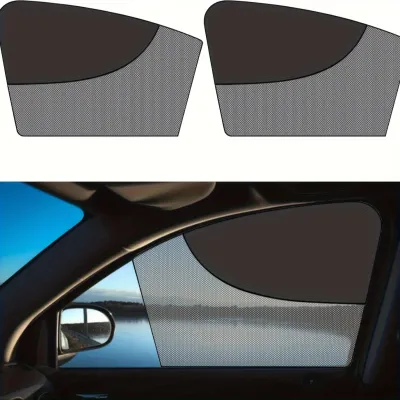
Side window sun shades are designed to protect rear passengers from blinding glare and harmful ultraviolet (UV) rays while the vehicle is in motion. They are highly effective at preserving side door panels, armrests, and leather seats from localized UV fading, making them indispensable for families with young children or pets.
Products mentioned in this guide
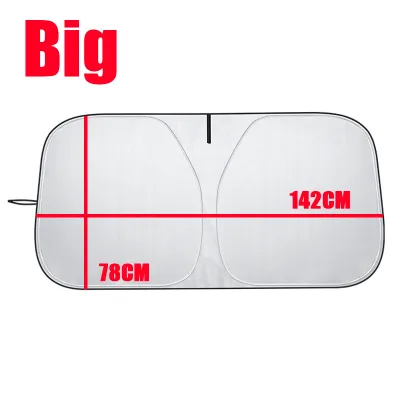
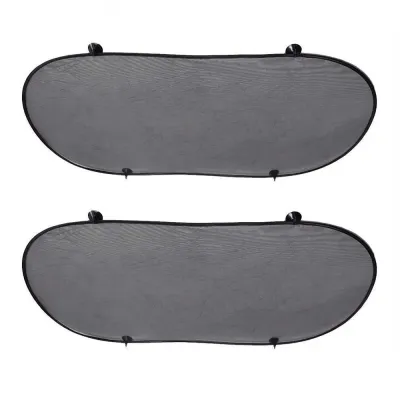
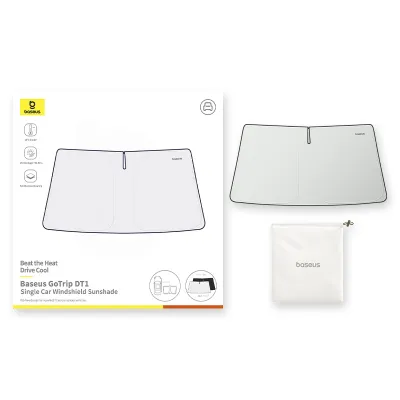
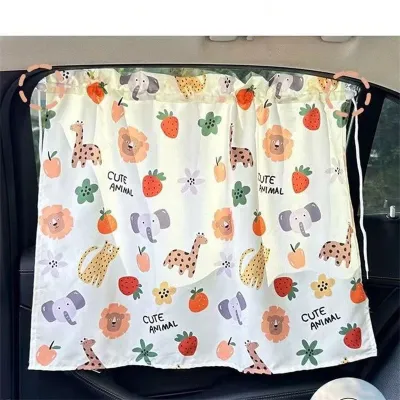
Prices are valid at publication and may change. Please refer to the product page for the latest price.
Ultimately, the right choice is determined by your immediate priorities. If your main goal is to step into a cooler cabin after parking outdoors, a front windshield shade is your best option. If your priority is passenger comfort and protecting the lateral surfaces of your cabin during daily drives, side window shades are the superior investment.
Heat Reduction and Interior Protection Compared
To understand how these shades protect your vehicle, it helps to look at how solar energy interacts with your car’s cabin. When sunlight passes through automotive glass, it strikes dark interior surfaces like the dashboard, steering wheel, and seats. These materials absorb the short-wave radiation and convert it into long-wave infrared heat, which cannot easily escape back through the glass. This process creates a greenhouse effect, rapidly raising the air temperature inside the vehicle.
Front windshield shades combat this by acting as a highly reflective barrier placed directly behind the glass. Made from materials like reflective aluminum foil or specialized metallized polyester films, these shades bounce the incoming solar radiation back out through the windshield before it can strike the dashboard. Because the dashboard and steering wheel are the primary heat sinks in a parked car, shielding them prevents them from absorbing thermal energy and radiating it into the cabin air throughout the day.
Side window shades address a different angle of solar exposure. While side windows are more vertical and absorb less direct midday overhead sun, they are highly vulnerable to low-angle sun during morning and late afternoon commutes. This lateral sunlight strikes the sides of the seats, door panels, and armrests. Over time, continuous UV exposure breaks down the chemical bonds in leather, vinyl, and plastics, leading to premature fading, drying, and cracking. Side shades block these lateral rays, protecting both the upholstery and the skin of rear passengers.
| Feature | Front Windshield Sun Shades | Side Window Sun Shades |
|---|---|---|
| Primary Heat Rejection Focus | Dashboard, steering wheel, and front center console | Rear passenger cabin, seats, and side door panels |
| UV Protection Area | High-exposure front console and steering wheel trim | Lateral upholstery, armrests, and rear passenger skin |
| Best-Use Scenario | Stationary parking in open, unshaded areas | Active driving (mesh) or parking under low-angle lateral sun |
| Material Types | Reflective foil, bubble wrap laminate, collapsible fabric | Static cling, mesh fabric, magnetic frame, suction cup |
By combining these two types of defense, you can achieve comprehensive protection. However, if you must choose one, consider which area of your vehicle’s interior experiences the highest thermal stress on a daily basis.
Usability, Storage, and Daily Convenience
The practical value of any car sun shade cover depends heavily on how easy it is to deploy, remove, and store during your daily routine. A shade that is too cumbersome to use will eventually be left in the boot, offering no protection at all.

Front windshield shades generally fall into three design categories, each with its own storage and usability trade-offs:
- Accordion-Fold Shades: These rigid, foil-faced shades are highly durable and offer excellent heat reflection. However, they require two hands to unfold across the dash and must be secured using the vehicle's sun visors. When folded, they form a long, stiff block that can be awkward to store in a crowded cabin, often requiring you to toss them into the back seat or the boot.
- Roll-Up Shades: Typically made of flexible reflective material, these roll into a tight cylinder secured by a strap. While they are highly effective, rolling them up tightly inside a compact cabin can be clumsy, and they take up similar storage space to accordion styles.
- Umbrella-Style Shades: A newer design that opens like a standard rain umbrella, using tension rods to hold a reflective fabric against the windshield. These fold down into a compact pouch that easily fits into a door pocket or glovebox. However, drivers must exercise caution when opening them, as the central shaft can accidentally scratch delicate infotainment screens or press against dashboard buttons.
Side window shades offer different mounting mechanisms that affect daily convenience:
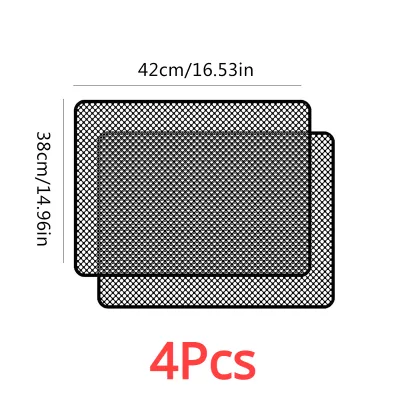
- Static Cling Shades: These lightweight mesh panels adhere directly to the glass using static electricity. They require no suction cups or clips, making them incredibly low-profile. The main challenge is installation; aligning them perfectly without trapping unsightly air bubbles requires a clean window and a steady hand. Additionally, you cannot roll down the window while they are applied, as they can peel off or get sucked into the door cavity.
- Suction Cup Shades: These are highly portable and easy to slap onto any window. However, the suction cups are prone to degrading under intense tropical heat, losing their flexibility and frequently falling off the glass while driving.
- Magnetic Frame Shades: Custom-molded to fit the exact metal frame of your car's door, these shades snap into place instantly using small, integrated magnets. They allow you to roll down the window for fresh air while keeping the shade in place. The trade-off is cost, as custom-fit magnetic shades are significantly more expensive than universal alternatives.
For drivers who make frequent, short stops throughout the day, the constant cycle of deploying and packing away a large front windshield shade can become a chore. In contrast, side window shades—especially static cling or magnetic types—can often remain semi-permanently installed, providing continuous protection with zero daily setup effort.
Driving Safety, Visibility, and Legal Considerations
Before purchasing any car sun shade cover, it is vital to understand the strict safety boundaries and legal frameworks governing their use, particularly when the vehicle is in motion.
Front windshield shades are strictly stationary parking accessories. Because they completely block forward visibility, they must never be used while driving, even for short distances in a car park. When removing your front shade, always fold and store it securely. A loose, bulky shade tossed onto the passenger seat can slide under the pedals during sudden braking or block your view of the passenger-side wing mirror.
Side window shades present more nuanced safety considerations because they are often used while driving. In Singapore, the Land Transport Authority (LTA) maintains strict regulations regarding window tints and physical obstructions to ensure drivers have a clear, unobstructed view of the road. Front side windows must allow at least 70% of light to pass through, while rear side windows must allow at least 25% light transmission.
Applying dense, non-transparent shades to the front side windows while driving is highly dangerous and generally illegal, as it severely compromises your ability to see side mirrors and check critical blind spots. This risk is amplified during night driving or heavy tropical downpours, where visibility is already compromised.
If you use side shades while driving, limit them to the rear passenger windows. Opt for high-quality, semi-transparent mesh materials that block UV rays and glare without completely blacking out the window. Always perform a physical check from the driver’s seat after installing rear side shades to ensure your over-the-shoulder blind spot checks are not obstructed. If a shade impairs your ability to spot a passing motorcyclist, cyclist, or pedestrian, remove it immediately.
How to Choose Based on Your Parking and Driving Habits
To make the most practical investment, evaluate your typical driving routes, family needs, and where your vehicle spends most of its day.
Choose Front Windshield Shades If:
- You park in open-air car parks: If your car sits in exposed HDB surface car parks, rooftop decks, or industrial estates under the intense Singapore sun, a front windshield shade is non-negotiable. It prevents your steering wheel from becoming too hot to touch and protects your dashboard from thermal warping.
- You have front-facing cabin electronics: High cabin temperatures can cause dashcams to overheat, leading to battery swelling or sensor failure. A front shade protects these sensitive devices. However, if your dashcam is mounted directly to the windshield glass, placing the shade behind the camera will trap extreme heat between the shade and the glass, potentially damaging the device. In this scenario, look for a shade with a cut-out that allows the camera to remain on the cabin side of the barrier.
- Your primary goal is rapid cabin cooling: Blocking heat at the largest entry point ensures your air conditioning system does not have to work twice as hard to bring the cabin down to a comfortable temperature when you start your journey.
Choose Side Window Shades If:
- You regularly carry passengers in the back seat: Young children, infants in rear-facing car seats, and pets are highly sensitive to direct solar glare and heat. Side shades provide a shaded, comfortable environment that prevents sunburn and reduces irritability during long drives.
- You frequently park in multi-storey car parks: If your home and workplace both offer sheltered multi-storey parking, your car is already shielded from intense midday overhead sun. In this case, your primary exposure occurs during your morning and evening commutes, where low-angle side sun causes glare. Side window shades offer targeted relief during these driving hours.
- You want to protect premium leather or vinyl upholstery: Side shades prevent localized UV fading on rear seats and side door trims, helping to maintain your car's interior aesthetic and resale value.
Choose Both If:
- You park outdoors for extended periods: Combining a high-quality front windshield shade with rear side window shades creates a highly protected, darkened cabin environment, offering the maximum possible defense against heat build-up and interior deterioration.
Before buying side shades, check if your vehicle is already equipped with factory-tinted privacy glass or built-in, roll-up window blinds. Many modern SUVs and family sedans include these features, which may make aftermarket side shades redundant.
What to Verify Before Buying Your Car Sun Shade Cover
To ensure you purchase an effective product that fits your vehicle perfectly, keep the following verification steps in mind before making a purchase.
First, prioritize size and fit. Universal-fit shades are widely available and budget-friendly, typically costing between S$15 and S$30. However, they are designed to fit a wide range of vehicles, which often leaves gaps around the edges of your windshield or windows. Even a small gap of a few centimeters allows direct sunlight to pour in, heating up the dashboard and significantly reducing the shade’s overall efficiency. Custom-fit shades are designed for your specific vehicle make, model, and year. While more expensive—often ranging from S$40 to S$100 or more—they provide edge-to-edge coverage, stay securely in place without sagging, and maximize heat rejection.
Second, match the material to your primary functional need:
- Reflective Foil: Best for maximum heat rejection in parked vehicles. Look for double-sided aluminum foil with a thick, air-bubble polyester core, which provides excellent thermal insulation.
- Polyester Mesh: Best for side windows while driving. It filters out harsh glare and UV rays while allowing passengers to see outside and maintaining driver visibility.
- Blackout Fabric: Best for absolute privacy or resting in a parked vehicle, but strictly for stationary use.
Finally, verify the product labels and manufacturer specifications rather than relying on generic marketing claims. Look for certified UV protection ratings, such as a UPF (Ultraviolet Protection Factor) of 50+, which blocks approximately 98% of UV radiation. If you are purchasing magnetic side shades, verify that your vehicle’s door frames are made of steel; some modern vehicles use aluminum or plastic door trims where magnetic frames cannot adhere. Always check the manufacturer’s mounting instructions to ensure compatibility with your specific vehicle model.
Frequently Asked Questions (FAQ)
Can I use a front windshield sun shade while driving?
No. A front windshield sun shade completely blocks forward visibility, making it extremely dangerous and illegal to use while the vehicle is in motion. It is strictly designed as a stationary parking accessory. Always remove, fold, and securely store the front shade before starting your engine to ensure it does not slide under your feet or distract you while driving.
Do side window sun shades affect my car's side airbags?
Most side window sun shades that attach directly to the glass via static cling or suction cups do not interfere with side curtain airbags, as these airbags typically deploy downward from the roofline or the upper door pillars. However, you should avoid using heavy, rigid aftermarket frames, metal mounting clips, or slip-on fabric sleeves that wrap tightly around the upper door frame without first checking your vehicle’s owner’s manual. Always ensure that no part of the sun shade assembly or its mounting hardware obstructs the clearly marked deployment paths of your car’s side or curtain airbags.
Community discussion
Share your experience or ask a question. Comments are reviewed before publication.