
Quick Answer: Front vs. Side Window Sunshades
When parking under the intense tropical sun, choosing the right car sunshade depends entirely on your primary parking habits and immediate comfort goals. For maximum overall heat reduction and dashboard protection, a front windshield sunshade is your essential first line of defense. The front windshield represents the largest single entry point for solar radiation in most vehicles, making its coverage critical for cooling the entire cabin.
Conversely, side window sunshades serve as localized, supplementary protection. They excel at blocking direct glare for passengers and keeping specific seating areas cool, but they do not possess the surface area to significantly lower the overall cabin temperature on their own. To simplify your decision, choose a front windshield sunshade if your main goal is managing parked heat and protecting your dashboard. Opt for side window sunshades if your priority is passenger comfort, glare reduction, and privacy while driving.
Heat and UV Protection: Windshield vs. Side Windows
Windshield Dynamics
The physical geometry of a modern car places the front windshield at a steep, sweeping angle. This design maximizes aerodynamic efficiency but also creates a massive skylight that captures direct overhead and angled solar radiation. When your vehicle is parked under the midday sun, this expansive glass area allows shortwave solar radiation to pass freely into the cabin. Once inside, this energy is absorbed by dark surfaces like the dashboard and steering wheel, converting into longwave infrared heat that cannot easily escape the glass. This greenhouse effect is the primary driver of interior degradation, leading to faded materials, brittle plastics, and eventual dashboard cracking, alongside steering wheel surfaces that are painful to touch.
Products mentioned in this guide
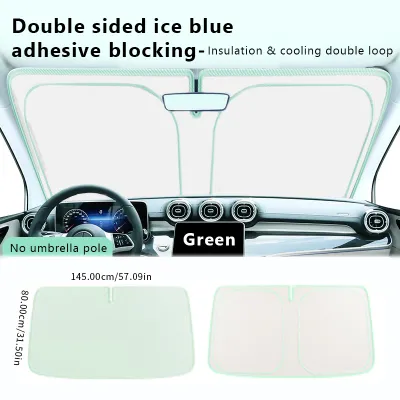
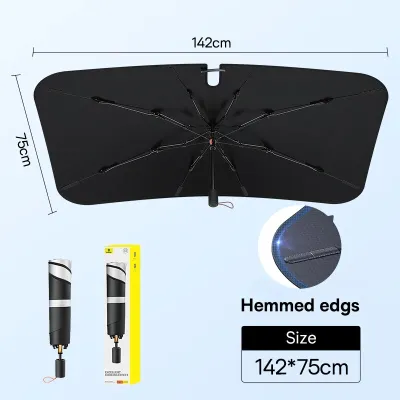
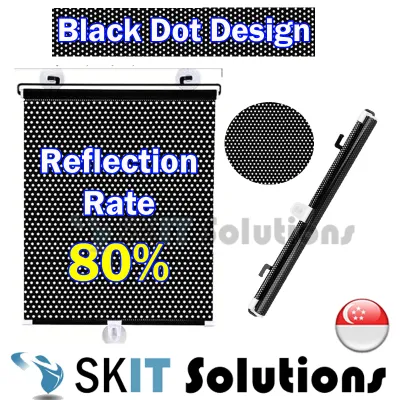
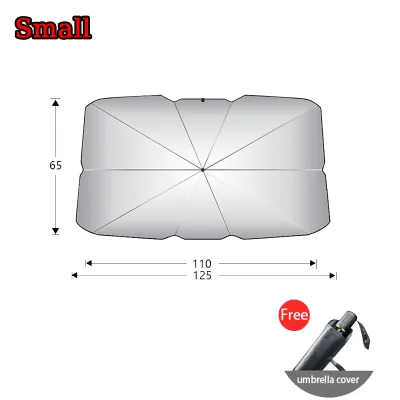
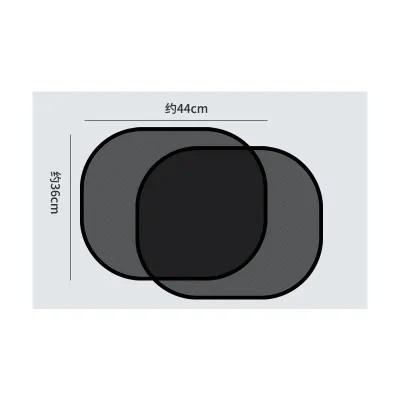
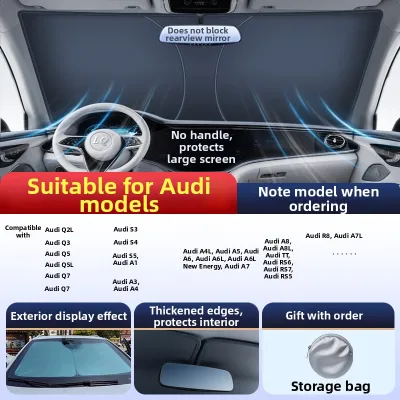
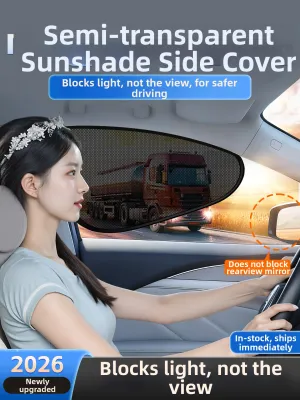
Prices are valid at publication and may change. Please refer to the product page for the latest price.

Side Window Dynamics
Side windows present a different thermal profile. Because they sit vertically, they are less exposed to direct overhead sunlight, though they remain highly vulnerable to angled sun during early morning or late afternoon hours. Rather than heating the entire cabin uniformly, side windows allow localized thermal energy to strike the door panels, outer seat bolsters, and passengers directly. This concentrated exposure is often the main source of discomfort for rear-seat occupants, particularly young children in car seats or pets, who cannot easily shield themselves from the intense glare. Because side windows are smaller and split across multiple doors, their cumulative heat contribution is lower than that of the massive front windshield, but their impact on passenger comfort is immediate.
Material and Label Checks
When shopping for either type of car sunshade, it is critical to look past generic marketing claims and closely examine product specifications. Do not assume all reflective surfaces are created equal. High-quality front sunshades typically feature multi-layered construction, utilizing a highly reflective outer aluminum or silver-coated layer to bounce solar radiation back through the glass, paired with an insulating foam or bubble-pack core to block heat transfer. For side shades, options range from tightly woven polyester meshes that absorb and scatter light to static-cling vinyl sheets. Always check the manufacturer’s product label for verified UV protection ratings, such as Ultraviolet Protection Factor (UPF) ratings or specific solar heat gain coefficient (SHGC) reductions, to ensure the accessory meets your performance expectations.
Daily Convenience: Setup, Storage, and Handling
Front Windshield Options
The daily usability of a front windshield sunshade is closely tied to its physical design. Traditional foldable accordion-style shades are highly durable and quick to deploy, but their rigid structure makes them bulky to store, often requiring you to toss them into the back seat or trunk when passengers are on board. Roll-up styles offer similar thermal performance but can be awkward to roll tightly within the tight confines of the cabin. Increasingly popular umbrella-style sunshades open and close with a central tension frame, collapsing into a compact sleeve that easily fits into a glove box or door pocket. However, these mechanical frames require careful handling to avoid scratching the dashboard or putting undue stress on the rearview mirror mount.
Side Window Options
Side window sunshades offer a different set of trade-offs. Mesh screens with suction cups are highly adjustable but can lose adhesion over time, especially when exposed to moisture or extreme heat. Static-cling films provide a clean, low-profile look that allows the window to be rolled down slightly, though they require a clean glass surface for proper installation and can bubble over time. Magnetic mesh shades are designed to cling directly to the metal door frame of your vehicle, providing excellent coverage and allowing you to roll the window down fully for ventilation while keeping the shade in place. Pull-down roller shades offer maximum convenience but require semi-permanent mounting clips or adhesive brackets that may clutter your interior door panels.
Setup Time and Daily Friction
The time investment required for daily operation is a major factor in whether you will actually use your sunshades consistently. A front windshield sunshade can typically be popped into place and secured with the sun visors in under ten seconds. In contrast, managing a full set of side window sunshades requires handling multiple individual pieces. If you are frequently loading and unloading passengers, installing and removing side shades can quickly become a tedious chore, whereas a single front shade is easily integrated into your parking routine.
Which Type Fits Your Parking Routine?
- Choose a Front Windshield Sunshade if: Your daily routine involves parking in exposed, open-air carparks, such as those found around HDB estates or outdoor commercial lots in Singapore. Under these conditions, the relentless tropical sun beats down directly on your vehicle for hours at a time. A front windshield sunshade acts as a vital shield, preventing the dashboard from acting as a giant radiator that bakes the cabin. If your primary goal is to avoid the searing heat of a leather steering wheel and to reduce the initial load on your car's air conditioning system when you return to the vehicle, the front shade is an indispensable tool.
- Choose Side Window Sunshades if: Your vehicle is primarily used for family transit, and your main concern is the comfort of your passengers while on the move. If you frequently carry infants, toddlers, or elderly family members in the rear seats, side window sunshades are essential for blocking the blinding glare that can make long journeys uncomfortable. They are also highly beneficial if your regular parking space is situated such that the side of your vehicle faces east or west, exposing the side leather seats to localized fading and heat damage over extended periods.
- Use Both if: You are parking your vehicle in highly exposed environments for long durations, such as the rooftop levels of multi-storey carparks. Combining a front windshield sunshade with side window shades creates a comprehensive thermal envelope, drastically reducing the amount of radiant heat entering from all angles. This dual-layer approach is the gold standard for preserving your car's interior materials, preventing leather seats from drying and cracking, and keeping the cabin at a more manageable baseline temperature.
- Verify First if: Your vehicle already has aftermarket window tinting installed. In Singapore, many car owners invest in high-performance solar films to comply with local regulations while maximizing heat rejection. Before purchasing physical sunshades, assess the performance of your existing tint. While quality tints are highly effective at reducing heat while driving, they still absorb solar energy and slowly radiate it into the cabin when the car is stationary for hours. A physical front sunshade remains highly beneficial because it reflects the light before it can be absorbed by the interior surfaces or the glass itself.
Sizing, Safety, and Fitment Checks Before You Buy
Universal vs. Custom Fit
One of the most common mistakes when buying a car sunshade is assuming a “one-size-fits-all” model will suffice. Universal sunshades are cost-effective but often leave significant gaps around the A-pillars, rearview mirror, and dashboard edges. Even small gaps can allow substantial amounts of direct sunlight to penetrate, creating localized hot spots and reducing the overall effectiveness of the shade. Custom-fit sunshades, tailored to your specific vehicle make, model, and year, ensure edge-to-edge coverage and a snug fit that stays securely in place without sagging.
Legal and Safety Boundaries
When selecting side window sunshades, safety must be your top priority. In Singapore, the Land Transport Authority (LTA) enforces strict regulations regarding driver visibility. Any sunshade or mesh screen installed on the front side windows (driver and front passenger doors) must not obstruct the driver’s clear view of the side mirrors or the road ahead while driving. If you plan to use side shades while the vehicle is in motion, ensure they are highly transparent mesh designs that maintain visibility, or restrict their use entirely to the rear passenger windows.
Sensor and Dashcam Clearance
Modern car windshields are no longer just sheets of glass; they are hubs for advanced driver assistance systems (ADAS), rain sensors, and in-car cameras. When installing a front windshield sunshade, you must exercise extreme care around the rearview mirror housing. Ensure the shade has a dedicated cutout or a flexible split design that allows it to fit snugly around the mirror mount. A poorly fitting shade can put physical pressure on your dashcam bracket, potentially dislodging the camera or altering its recording angle, and could interfere with delicate rain or light sensors mounted on the glass. Additionally, be mindful of your In-Vehicle Unit (IU) placement to ensure the sunshade does not scratch or put pressure on the device.
Frequently Asked Questions (FAQ)
Do I need to leave a window gap when using a car sunshade?
Leaving a small gap of one to two centimeters in your side windows can theoretically allow hot air to escape, slightly reducing the peak temperature inside a parked car. However, in a tropical climate like Singapore, this practice carries significant risks. Sudden afternoon downpours can quickly flood your door panels, damaging window electronics and upholstery. Furthermore, leaving windows cracked compromises your vehicle’s security and invites pests inside. It is generally safer to keep your windows fully closed and rely on a high-quality physical sunshade to reflect heat, combined with a brief ventilation period before you drive off.
Will a front windshield sunshade damage my dashboard or sensors?
A properly designed sunshade will not damage your dashboard or electronic sensors. However, damage can occur from improper installation or poor product design. Sunshades with exposed metal wires or rough, abrasive edges can scratch soft-touch dashboard surfaces or leather trim over time. When installing or removing the shade, avoid dragging it across the dashboard. Pay close attention to the area around the rearview mirror; do not force a rigid sunshade against delicate sensor housings, dashcams, or your IU unit, as repeated physical pressure can loosen mounts or damage internal wiring.
Are tinted windows enough, or do I still need a physical sunshade?
While high-quality window tints are exceptionally good at blocking ultraviolet rays and reducing solar heat gain while you are actively driving, they have limitations when the vehicle is parked. Window films work by absorbing and reflecting a portion of the solar energy, but when a car sits stationary under direct sunlight for hours, the glass and film eventually saturate and transfer that heat directly into the cabin. A physical front windshield sunshade acts as a secondary barrier, reflecting the light back out through the glass before it can heat up your dashboard and steering wheel, making it a highly recommended addition even for heavily tinted vehicles.
Community discussion
Share your experience or ask a question. Comments are reviewed before publication.