
Managing cabin temperature in a Honda Freed requires understanding how solar heat enters this popular compact multi-purpose vehicle (MPV). With its signature spacious interior and generous glass surfaces, the Freed can quickly turn into a greenhouse when parked under the tropical sun. Deciding between a front windshield sun shade and side window sun shades depends on your daily driving habits, parking conditions, and passenger requirements. While a front windshield shade is the primary defense against dashboard heat and steering wheel damage, side window shades are essential for passenger comfort and protecting the rear cabin. For many owners in Singapore, a combined approach offers the most effective solution to keep the cabin cool and protect the interior from UV damage.
Understanding Heat Entry Points in the Honda Freed
The Honda Freed is celebrated for its airy cabin, a design feature achieved through an expansive glass layout. The vehicle features a massive, steeply raked front windshield, large front quarter windows, and tall side windows that extend all the way to the third row. While this design provides excellent visibility and a spacious feel, it also creates a large surface area for solar radiation to penetrate the cabin.
When parked outdoors in Singapore, the angle of the sun and the orientation of the vehicle play a major role in heat accumulation. If the vehicle faces the sun, the front windshield acts as a massive heat trap, allowing solar energy to directly warm the dark dashboard and steering wheel. Conversely, if the vehicle is parked sideways to the sun, the large side windows of the sliding doors and the rear quarter panels allow heat to penetrate the passenger areas. Understanding these entry points helps you identify where sun protection is most critical for your specific daily routine.
Products mentioned in this guide
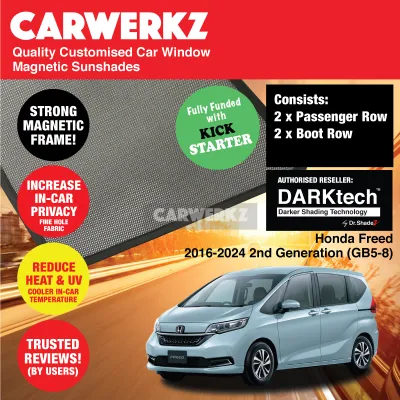
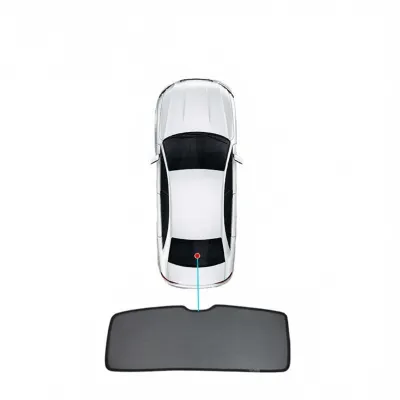
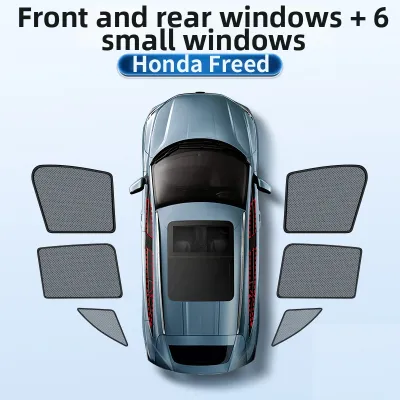
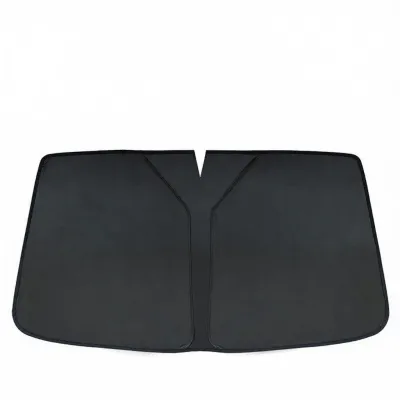
Prices are valid at publication and may change. Please refer to the product page for the latest price.
Front Windshield Shades: Dashboard Protection and Driver Comfort
The front windshield is the single largest entry point for solar heat in the Honda Freed. Placing a high-quality sun shade across this expansive glass panel blocks direct sunlight from reaching the dashboard, steering wheel, and front seats. This simple barrier prevents the dark materials of the dashboard from absorbing heat, which otherwise radiates back into the cabin long after the air conditioning is turned on.

Using a front windshield shade significantly reduces the initial cabin temperature when you first enter a parked vehicle. Instead of waiting several minutes for the air conditioning to struggle against a heat-soaked dashboard, the cabin cools down much faster. This not only improves immediate driver comfort but also reduces the load on the engine and fuel consumption during the initial minutes of your drive.
When selecting a front windshield shade for the Honda Freed, a precise fit is essential. The Freed features a unique rearview mirror housing and, in many models, a sensor array for advanced driver assistance systems (such as Honda Sensing) mounted near the top of the windshield. A generic, poorly fitting shade may leave large gaps that let heat slip through, or it may press against these sensitive sensor housings. Choosing a custom-fit shade designed specifically for your Freed’s model year ensures complete coverage without risking damage to onboard electronics.
Side Window Shades: Passenger Comfort and UV Protection
While front shades protect the driver’s cockpit, side window shades are dedicated to the comfort of passengers in the second and third rows. The Honda Freed is a family-oriented vehicle, often carrying children, elderly family members, or pets in the rear seats. Direct sunlight streaming through the large sliding door windows can cause significant discomfort, glare, and localized heating, making even short journeys unpleasant.
In addition to thermal comfort, side window shades play a critical role in blocking ultraviolet (UV) radiation. Prolonged exposure to UV rays can cause interior upholstery, whether fabric or leather, to fade, crack, and degrade over time. Side shades act as a continuous barrier, preserving the condition of the rear cabin and helping maintain the vehicle’s resale value.
Several types of side window shades are available for the Honda Freed, each offering distinct operational trade-offs. Static cling shades stick directly to the glass using electrostatic force, making them easy to install but difficult to adjust if you want to roll down the window. Magnetic shades attach to the metal frame surrounding the window, allowing you to lower the glass for fresh air while keeping the shade in place. Custom-fit fabric shades press into the window frame for a seamless look, providing maximum coverage with minimal light leakage.
Which Sun Shade Setup Fits Your Driving Routine?
To determine the ideal sun shade configuration for your Honda Freed, consider your typical driving patterns, parking situations, and passenger occupancy. If your vehicle is primarily a daily commuter parked in sheltered office car parks and you mostly drive alone, a front windshield shade may be all you need to keep the driver’s seat comfortable. This setup focuses protection on the dashboard and steering wheel during brief outdoor stops.
If your Honda Freed serves as a dedicated family vehicle, frequently carrying passengers in the rear seats, side window shades become a priority. These shades ensure that passengers remain shielded from harsh glare and heat while the vehicle is in motion. For owners who must park their vehicles outdoors for extended periods—such as in open-air carparks—a combined setup of both front and side shades is highly recommended to achieve comprehensive heat reduction.
The following comparison table outlines the key differences between front windshield shades and side window shades to help guide your decision:
| Feature | Front Windshield Shades | Side Window Shades |
|---|---|---|
| Primary Benefit | Protects dashboard, steering wheel, and front seats; reduces initial cabin heat | Enhances passenger comfort; blocks UV rays; protects rear upholstery |
| Installation Effort | High daily effort (must be set up when parking and removed before driving) | Low daily effort (often left installed semi-permanently on rear windows) |
| Ideal Use Case | Outdoor parking, protecting front cabin electronics, and reducing AC cooling time | Carrying rear passengers, protecting children from glare, and long-term interior preservation |
| Operation While Driving | Must never be used while driving | Can remain installed on rear passenger windows while driving |
Verifying Fit, Safety, and Legal Compliance
Before purchasing any sun shade for your Honda Freed, it is crucial to verify compatibility with your specific vehicle generation and trim level. The Honda Freed has evolved through multiple generations, and window dimensions can vary slightly between models. Always check the manufacturer’s specifications or product labels to ensure the shade is designed for your exact model year.
Safety must remain the top priority when installing interior accessories. While side window shades are excellent for rear passengers, they must never be used on the driver or front passenger side windows while the vehicle is in motion. Obstructing the driver’s view of the side mirrors or side windows is highly dangerous and violates local road safety regulations. Rear side shades should also be checked to ensure they do not block the driver’s blind-spot visibility.
Additionally, front windshield shades must be completely removed and safely stowed before you start driving. When storing the shade, ensure it is placed in a secure location, such as the boot or behind the front seats. Loose items in the cabin can become dangerous projectiles during sudden braking, and a poorly placed shade could interfere with the deployment of passenger airbags in the event of a collision.
Frequently Asked Questions (FAQ)
Do I need sun shades for the Honda Freed rear windshield?
The rear windshield of the Honda Freed is large and upright, which can let in a significant amount of heat, particularly for passengers sitting in the third-row seats. While many models come with factory-tinted rear glass, this tint primarily reduces glare rather than blocking all thermal energy. If you frequently utilize the third-row seating, adding a dedicated rear windshield sun shade can greatly improve passenger comfort by reducing direct heat on the back of their heads and necks.
Will custom-fit sun shades damage my Honda Freed window tint?
If your Honda Freed has aftermarket window tinting films installed, you must be cautious about how your sun shades attach to the glass. Shades that rely on heavy-duty suction cups or adhesive mounts can pull on the tint film, potentially causing bubbling, peeling, or scratching over time. To protect your window tint, opt for custom-fit friction-fit shades that press into the rubber window frame without touching the glass, or use magnetic shades that attach directly to the metal door frame.
Community discussion
Share your experience or ask a question. Comments are reviewed before publication.