
Quick Answer: Which Mirror Type Suits Your Daily Drive?
Choosing between frameless and framed side mirrors comes down to balancing modern aesthetics with physical protection.
Choose frameless if you prioritize a sleek, minimalist exterior design and want to maximize the visible glass area within a compact footprint.
Choose framed if you want maximum physical protection against minor impacts, parking scrapes, and harsh weather conditions.
Products mentioned in this guide
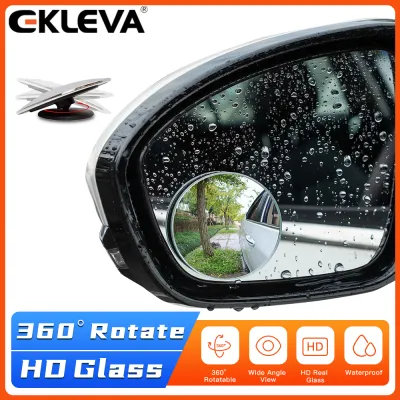
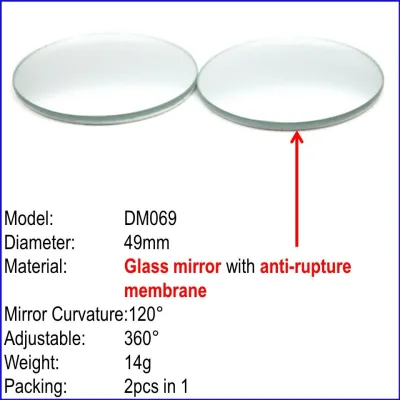
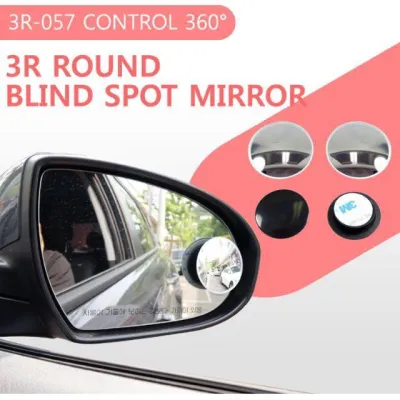
Prices are valid at publication and may change. Please refer to the product page for the latest price.
Verify first if your vehicle’s electrical systems, mounting points, and local road safety regulations support an aftermarket mirror swap before making any purchase. While frameless mirrors offer a contemporary look, neither design is a universal performance winner; your choice depends entirely on your vehicle’s compatibility and your daily driving environment.
Field of View and Blind Spot Management
The physical structure of your side mirrors directly influences your peripheral vision and how easily you can spot vehicles in adjacent lanes. Traditional framed mirrors feature a thick plastic or composite bezel that wraps around the outer edge of the glass. This bezel adds structural support but also increases the overall profile of the mirror assembly, slightly expanding the visual obstruction near your vehicle’s A-pillar.

In contrast, frameless side mirrors eliminate this outer bezel, extending the glass to the very edge of the housing. This design maximizes the usable surface area of the mirror glass relative to the overall size of the unit. Depending on the curvature of the glass—such as convex or aspherical designs—the lack of a border can provide a slightly wider, uninterrupted field of view at the outer edges.
However, a frameless design does not automatically eliminate blind spots. Actual blind spot coverage depends heavily on the mirror’s curvature, your seating position, and proper mirror adjustment. You must physically verify your blind spots after installing any new mirror assembly rather than relying solely on design claims.
Furthermore, modern vehicles often integrate blind-spot monitoring sensors directly into or behind the mirror glass. When swapping to an aftermarket frameless or framed mirror, you must ensure the replacement glass is fully compatible with these sensors. Any misalignment or incompatible glass thickness can disrupt the sensor’s radar signals or warning lights, compromising your safety on the road.
Aerodynamics, Wind Noise, and Weather Resistance
At highway speeds, the shape and profile of your side mirrors play a significant role in vehicle aerodynamics and cabin acoustics. Frameless mirrors often feature a more streamlined, low-profile housing that allows air to flow more smoothly around the assembly. This aerodynamic profile can help reduce wind resistance and minimize the high-pitched wind noise or whistling that sometimes penetrates the cabin during fast commutes.
Weather resistance is another area where the two designs diverge, particularly during heavy downpours. Traditional framed mirrors use their raised outer bezel to shield the glass slightly, which can deflect some wind-driven rain. However, the crevice between the glass and the frame can also trap water, leading to persistent water spots and dirt buildup along the edges.
Frameless mirrors allow water to run off the exposed glass edges more freely, reducing the pooling of droplets on the viewing surface. Yet, because the glass edges are completely exposed, they are more susceptible to road grime, salt, and fine dust accumulation. Over time, this debris can settle along the perimeter of the glass if not cleaned regularly.
Because aerodynamic performance and wind noise vary heavily depending on your vehicle’s specific body shape, it is wise to check owner forums or conduct a test drive if possible. A mirror housing that is quiet on a sedan might produce unexpected turbulence when mounted on a taller sports utility vehicle (SUV).
Aesthetics, Vehicle Integration, and Maintenance
For many drivers, the decision to upgrade to frameless side mirrors is driven primarily by aesthetics. Frameless designs offer a clean, high-tech, and minimalist look that mimics the styling of premium modern electric vehicles and luxury sedans. This sleek appearance can instantly modernize an older vehicle’s exterior profile, whereas traditional framed mirrors maintain a classic, rugged, and utilitarian look.
However, the visual appeal of frameless mirrors comes with specific maintenance responsibilities. Because the glass edges are completely exposed without a protective plastic border, they require careful handling during cleaning. You must avoid using abrasive cleaning tools or harsh chemical solvents that could damage the delicate edge seals or cause the reflective backing to peel.
Physical vulnerability is another critical factor to consider. Traditional framed mirrors act as a bumper, absorbing minor impacts from tight parking spaces, narrow alleyways, or automated car wash brushes. Without this protective plastic frame, the exposed glass edges of a frameless mirror are highly vulnerable to chipping, cracking, or shattering upon direct impact.
Long-term durability also depends on how well the mirror resists environmental wear. Frameless mirrors rely on advanced adhesive seals to secure the glass to the internal mounting plate. Over years of exposure to intense sunlight and humidity, these seals can degrade, potentially leading to glass delamination or moisture ingress behind the mirror surface.
Installation, Compatibility, and Legal Checks
Before purchasing any aftermarket side mirror, you must perform thorough compatibility and regulatory checks. Modern side mirrors are complex electrical components, often housing heating elements, auto-folding motors, integrated turn signals, and puddle lights. You must verify that the replacement mirror’s wiring harness and internal control modules match your vehicle’s original equipment manufacturer (OEM) specifications.
Structural mounting points also vary significantly between vehicle makes, models, and production years. A mirror designed for one model year may not align with the mounting holes or door panel contours of another, requiring specialized adapters or custom base plates. Never attempt to force a mirror into place if the mounting points do not align perfectly.
In Singapore, vehicle modifications must comply with strict Land Transport Authority (LTA) regulations. Side mirrors must meet specific minimum size requirements, reflectivity standards, and maximum protrusion limits to ensure they do not pose a hazard to other road users or compromise your rearward visibility. Installing non-compliant mirrors can result in inspection failures or fines.
Because of the electrical and structural complexities involved, safety must remain your top priority. If the installation requires disassembling door panels, splicing wires, or routing cables through the door hinge bellows, stop and consult a qualified professional. Professional installation ensures your vehicle’s airbags, window regulators, and electrical systems remain fully functional and safe.
How to Decide: A Practical Comparison Framework
To help you make an informed decision, evaluate your driving habits, vehicle type, and maintenance preferences against the key characteristics of each mirror design.
| Decision Factor | Framed Side Mirrors | Frameless Side Mirrors |
|---|---|---|
| Primary Appeal | Durability and impact protection | Modern, minimalist aesthetics |
| Glass Protection | High (shielded by plastic bezel) | Low (exposed edges prone to chipping) |
| Field of View | Standard (limited by frame thickness) | Maximized (edge-to-edge glass surface) |
| Maintenance | Low (easy to clean, durable) | Moderate (requires careful edge cleaning) |
| Wind Noise | Standard aerodynamic profile | Potentially lower due to streamlined shape |
Before finalizing your purchase, use this pre-purchase checklist:
- Verify electrical compatibility: Confirm that the replacement mirror supports your car's heating, auto-folding, and blind-spot monitoring systems.
- Check physical dimensions: Measure the mounting base and overall protrusion to ensure compliance with local road regulations.
- Review the return policy: Ensure you can return the product if the physical fitment or electrical connectors do not match your vehicle.
When planning your upgrade, set a realistic budget. While basic replacement glass might cost less, complete aftermarket mirror assemblies can range from S$150 to over S$600 per pair, depending on electrical features. Be sure to factor in an additional S$100 to S$250 for professional installation and sensor calibration at a reputable automotive workshop.
Frequently Asked Questions (FAQ)
Will switching to frameless mirrors affect my car insurance?
Yes, it can. In Singapore, any modification to your vehicle’s exterior components, including side mirrors, should be declared to your motor insurer. Because aftermarket mirrors can alter the vehicle’s original safety specifications or electrical systems, failing to report the modification could complicate future claims or even void your policy. Always check with your insurance provider before installing aftermarket parts.
Can I install frameless mirrors myself if my car has auto-folding features?
DIY installation is not recommended for vehicles equipped with complex electrical features like auto-folding, heating, or memory settings. Matching aftermarket wiring harnesses to your car’s original control modules requires precise electrical knowledge. Incorrect wiring can cause short circuits, damage your vehicle’s electronic control unit (ECU), or disable the folding mechanism entirely. Professional installation is highly recommended to ensure proper integration.
Do frameless mirrors work with existing 360-degree camera systems?
Only if the aftermarket mirror housing is specifically designed to accommodate your vehicle’s original camera modules. Many modern vehicles mount surround-view cameras on the underside of the side mirrors. If the replacement housing lacks the correct mounting bracket or alters the camera’s viewing angle, your 360-degree system will display distorted images. After physical replacement, the camera system will also require professional software recalibration.
Community discussion
Share your experience or ask a question. Comments are reviewed before publication.