
Choosing between a frameless and a framed blindspot mirror is a decision that balances visual clarity, aesthetic integration, and physical durability. While both designs serve the fundamental purpose of expanding your peripheral vision, they achieve this through different structural approaches. A frameless design maximizes the reflective surface area and blends seamlessly with your factory glass, making it a popular choice for modern passenger cars. Conversely, a framed mirror provides a protective outer border that shields the glass edges from physical impacts, offering a more rugged and utilitarian solution for larger vehicles or harsh driving environments.
Understanding how these two designs perform under daily driving conditions is essential for making an informed purchase. Factors such as weather resistance, installation stability, and visual distortion vary significantly between the two styles. By evaluating your vehicle’s specific mirror geometry, your typical driving climate, and your aesthetic preferences, you can select an accessory that enhances your road awareness without compromising your vehicle’s original design.
Structural Differences Between Frameless and Framed Designs
To understand how these accessories perform on the road, it is helpful to examine their physical construction. A framed blindspot mirror features a distinct outer border, typically constructed from molded ABS plastic, polycarbonate, or lightweight aluminum. This protective casing wraps entirely around the perimeter of the glass, holding it securely in place and creating a raised lip that protrudes slightly forward from the reflective surface. The frame acts as a physical bumper, absorbing minor impacts and shielding the delicate edges of the glass from external forces.
Products mentioned in this guide
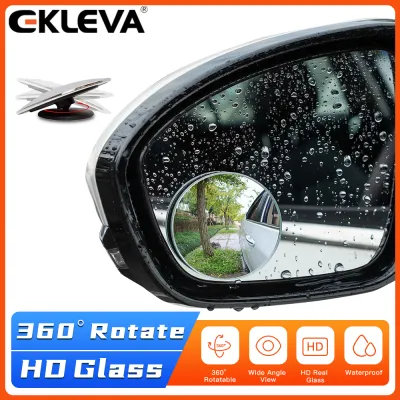
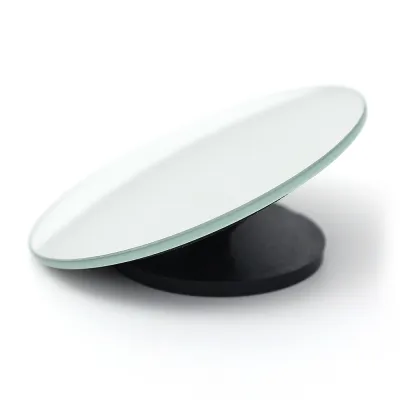
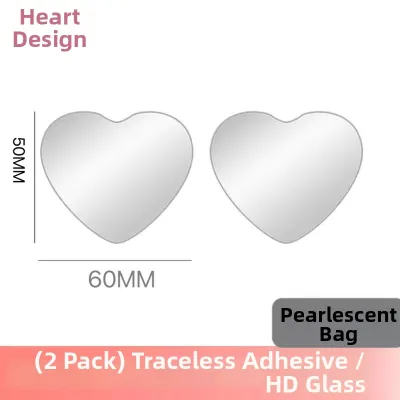
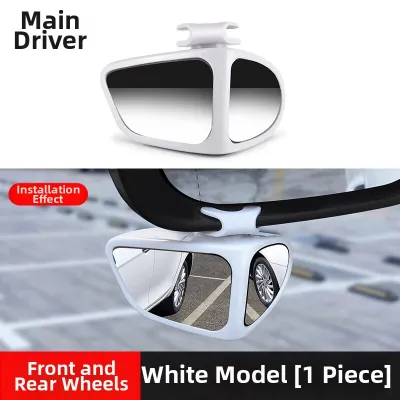
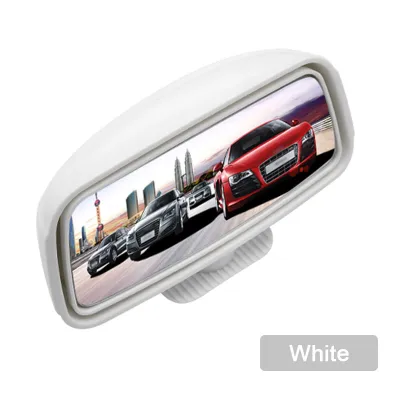
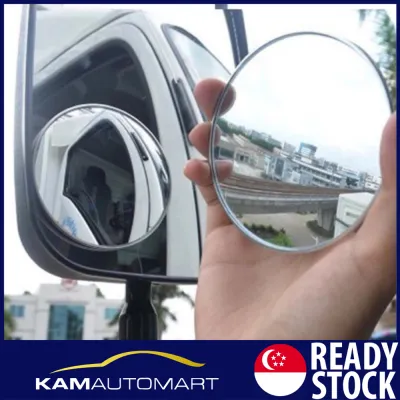
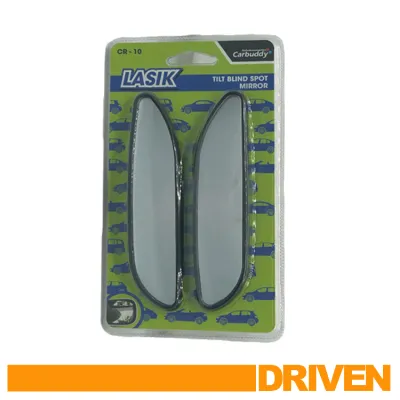
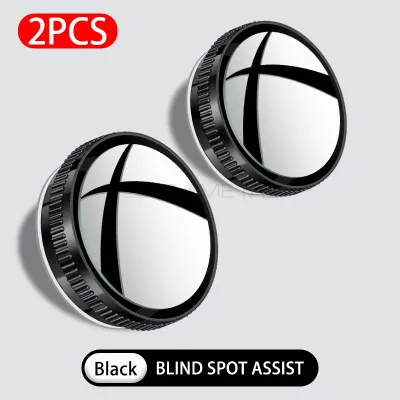
Prices are valid at publication and may change. Please refer to the product page for the latest price.
In contrast, a frameless blindspot mirror consists of a single piece of cut glass with polished, beveled edges. There is no surrounding material or outer casing, leaving the entire edge of the glass exposed. This minimalist construction relies on precise manufacturing techniques to ensure the edges are smooth and safe to handle during installation. Because there is no outer border, the physical footprint of a frameless mirror is dedicated almost entirely to the reflective surface.
These structural differences directly dictate how each mirror type handles weight, wind resistance, and physical stress. Framed models are inherently bulkier and heavier due to the additional housing material, which can sometimes increase vibration if the mounting adhesive is not perfectly secure. Frameless models are exceptionally lightweight and thin, allowing them to sit closer to the factory mirror glass and minimize wind resistance at highway speeds.
Visibility and Blind Spot Coverage
When comparing visibility, the primary advantage of a frameless design is its ability to maximize the reflective glass surface area relative to its overall physical footprint. On compact vehicles or cars with smaller factory side mirrors, space is highly limited. Installing a framed accessory can inadvertently block a significant portion of your primary mirror’s view. A frameless mirror provides a wider, uninterrupted reflective area within the same physical dimensions, allowing you to monitor adjacent lanes without sacrificing too much of your standard rearward view.

However, the absence of a border is not universally preferred by all drivers. Framed designs introduce a high-contrast visual border that some drivers find highly beneficial for spatial orientation. This distinct frame helps the human brain quickly differentiate between the flat, true-distance image of the main factory mirror and the wide-angle, distorted image of the convex accessory. Without this visual boundary, some motorists experience a brief moment of cognitive confusion when shifting their gaze between the two reflective surfaces.
It is important to note that while the frame style affects how you perceive the mirror, the actual field of view is determined by the convex curvature of the glass, not the border. The radius of curvature, often indicated on product packaging, dictates how wide the viewing angle is and how much image magnification occurs. Before purchasing any blindspot mirror, you must verify this specification to ensure it provides the necessary coverage for your specific driving needs, regardless of whether you choose a framed or frameless aesthetic.
Durability, Weather Resistance, and Maintenance
Environmental exposure is a critical factor in the longevity of any exterior automotive accessory. In tropical climates characterized by intense sunlight, high humidity, and sudden heavy downpours, the materials you choose must withstand severe weather stress. Frameless mirrors, with their exposed glass edges, are inherently more vulnerable to physical chipping or cracking if struck by road debris, gravel, or high-pressure water streams during manual car washes. The lack of a protective border means any direct impact on the edge of the glass can cause immediate damage.
Framed mirrors offer superior physical protection against these minor impacts, as the plastic or metal bezel absorbs the force of flying debris. However, the raised border of a framed design introduces its own set of maintenance challenges. Rainwater, road grime, and soap residue tend to pool along the inner lip of the frame. Over time, this trapped moisture can lead to hard water spots, mineral buildup, and even premature degradation of the mirror’s reflective silver backing.
Frameless mirrors allow water and dirt to slide off the beveled edges smoothly, making them significantly easier to clean and maintain. When cleaning either type of mirror, it is vital to check the manufacturer’s instructions regarding approved cleaning agents. Harsh chemical solvents or abrasive glass cleaners can degrade the specialized anti-glare coatings on the glass or weaken the adhesives holding the frame and mounting tape together. Always use a soft microfiber cloth and mild, automotive-safe soap to preserve the optical clarity of the glass.
Aesthetics and Vehicle Integration
For many car owners, maintaining the original equipment manufacturer (OEM) appearance of their vehicle is a high priority. Frameless blindspot mirrors excel in this category, offering a sleek, modern, and minimalist look that mimics the integrated blindspot sections found on premium luxury vehicles. Because they lack a bulky border, they blend almost seamlessly into the factory mirror glass, making them highly inconspicuous from the exterior of the vehicle.
Framed mirrors, on the other hand, present a more utilitarian, rugged, or sporty appearance. They are available in a variety of finishes, including matte black, chrome, and carbon fiber patterns. This variety allows you to match the accessory to your vehicle’s existing trim or body color. For example, a matte black framed mirror can integrate perfectly with the rugged plastic trim of an off-road SUV or pickup truck, while a chrome-framed mirror might complement the brightwork on a classic sedan.
Before making a purchase, take a moment to evaluate your factory mirror’s overall shape, housing color, and design lines. A large, square-framed accessory may look out of place on a sleek, aerodynamic sports car, just as a delicate frameless mirror might appear visually lost on a massive commercial van. Choosing a style that harmonizes with your vehicle’s existing design language ensures a clean, professional look.
Installation Stability and Adhesion
Both framed and frameless blindspot mirrors rely heavily on double-sided adhesive tape—typically automotive-grade acrylic foam tape—to remain secured to your vehicle at highway speeds. However, the mounting mechanics differ slightly between the two designs. Frameless mirrors generally feature a flat adhesive pad applied directly to the back of the glass or to a very thin, low-profile plastic mounting base. This setup requires a perfectly flat, clean, and dry factory mirror surface to achieve maximum surface contact and adhesion.
Framed mirrors often incorporate a dedicated plastic backing plate that is integrated into the frame itself. This backing plate can distribute adhesive pressure more evenly across the mounting area and sometimes includes a built-in swivel joint. A swivel mount allows you to adjust the angle of the blindspot mirror independently of the main factory mirror, providing customized visibility for different drivers. However, this added adjustability introduces more moving parts, which can wear out or loosen over time due to wind resistance and road vibrations.
Regardless of the design you choose, proper surface preparation is the single most critical factor in preventing the mirror from detaching. You must thoroughly clean the factory mirror surface using isopropyl alcohol (if approved by your vehicle manufacturer) to remove all traces of wax, grease, road film, and ceramic coatings. If your factory mirror has a heavily curved surface, a textured finish, or specialized hydrophobic coatings, stop the installation immediately and consult the manufacturer’s guidelines, as these conditions can severely compromise adhesive bond strength.
Decision Framework: Choosing the Right Blindspot Mirror
To finalize your decision, it is helpful to weigh your specific driving habits, vehicle type, and aesthetic preferences against the unique characteristics of each design.
You should choose a frameless blindspot mirror if:
- You prioritize a clean, minimalist, and factory-original aesthetic.
- Your vehicle has compact side mirrors where maximizing the reflective surface area is essential.
- You prefer an unobstructed view without a contrasting border that might distract your peripheral vision.
- You want an accessory that is easy to clean and does not trap water or road grime.
You should choose a framed blindspot mirror if:
- You drive in environments with frequent road debris, gravel, or harsh weather where edge protection is necessary.
- You prefer a distinct visual border to help your brain quickly differentiate between the main mirror and the wide-angle view.
- You want to match the accessory to your vehicle's trim, such as matte black, chrome, or carbon fiber.
- You require an adjustable swivel mount to fine-tune the viewing angle for multiple drivers.
Before purchasing any accessory, always verify the physical dimensions on the product packaging to ensure it will fit within the empty space of your factory mirror housing without obstructing motorized adjustments or integrated blindspot monitoring (BSM) warning lights. Expect to spend anywhere from S$10 to S$30 for a high-quality pair of mirrors. Investing in a reputable brand that specifies the use of genuine automotive-grade adhesive tape will ensure long-term reliability and peace of mind on the road.
Frequently Asked Questions (FAQ)
Do frameless blindspot mirrors fall off more easily?
No, the presence or absence of a frame does not dictate how well the mirror adheres to your vehicle. Adhesion stability depends almost entirely on the quality of the adhesive tape used, the thoroughness of your surface preparation, and the flatness of the contact area. A frameless mirror using high-quality, automotive-grade acrylic foam tape applied to a clean, wax-free glass surface will remain securely attached even at highway speeds and during heavy rain. Always follow the manufacturer’s cleaning and curing instructions precisely during installation.
Can I install a blindspot mirror on a heated side mirror?
Adding any aftermarket accessory to a heated side mirror introduces an insulating layer over the glass, which can alter heat distribution. Before proceeding, you must consult your vehicle owner’s manual and the blindspot mirror manufacturer’s guidelines to ensure compatibility. Some heating elements can cause thermal stress to the glass if covered unevenly, or the heat may degrade the adhesive backing of the aftermarket mirror over time. If authorized, ensure the adhesive is rated to withstand the operating temperatures of heated mirror systems.
Where is the optimal placement for maximum visibility?
The most common placement zones are the outer lower corner or the outer upper corner of your factory side mirror. The optimal position depends on your seating height and how you adjust your main mirrors. Before peeling off the adhesive backing, use temporary tape to test different positions while sitting in your normal driving posture. Ensure the placement does not block your view of the horizon in the main mirror or cover any integrated electronic warning lights, such as blindspot monitoring indicators built into the factory glass.
Community discussion
Share your experience or ask a question. Comments are reviewed before publication.