
Quick Answer: Which Blind Spot Mirror Design Is Right for You?
Choosing the right blind spot mirror design for your car comes down to a direct trade-off between maximum unobstructed visibility and long-term physical durability. Neither style is universally superior; instead, each serves different driving habits, aesthetic preferences, and vehicle configurations.
Frameless blind spot mirrors are ideal if you want a sleek, integrated look that mimics factory-installed glass. By eliminating the outer border, these mirrors provide the widest possible convex viewing angle, ensuring that fast-moving vehicles or lane-splitting motorcycles are not lost behind a plastic rim. They are highly favored by drivers of modern sedans and sports cars who prefer a minimalist, clean aesthetic.
Framed blind spot mirrors are better suited if you prioritize mechanical adjustability and robust attachment. Because they feature a protective outer housing, they often incorporate an adjustable swivel joint that allows you to fine-tune the mirror angle independently of your main side mirror. Furthermore, their larger adhesive bases or mechanical clip-on mounts provide superior resistance against environmental wear, making them highly reliable for larger vehicles, commercial vans, or cars parked in harsh conditions.
Products mentioned in this guide
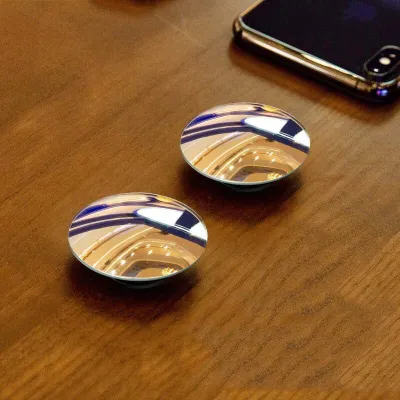
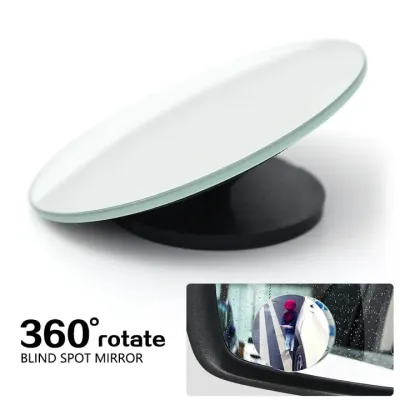
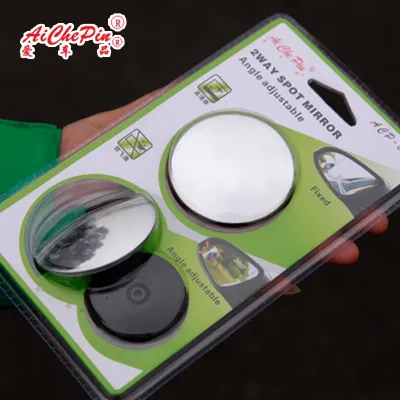
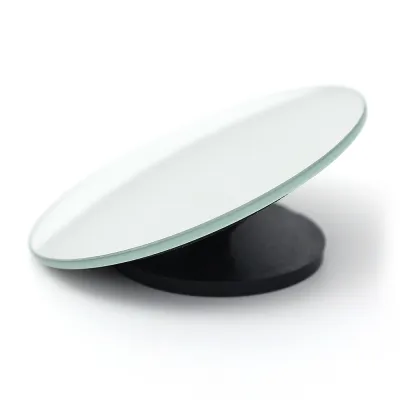
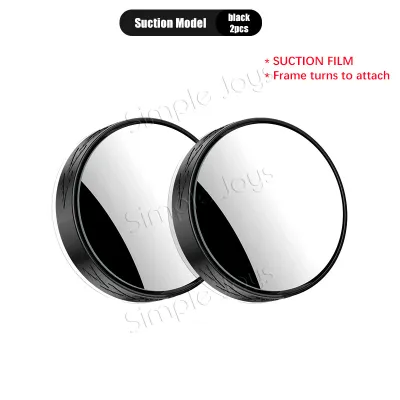
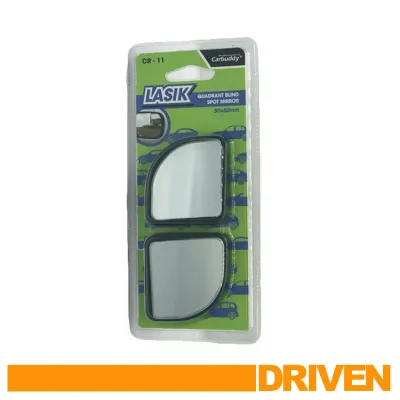
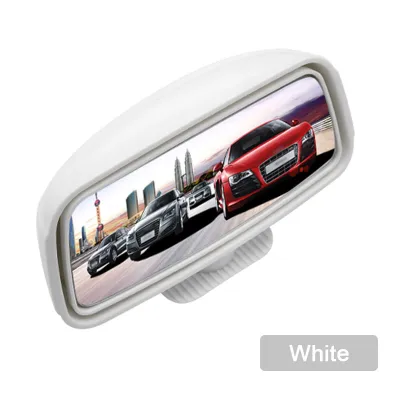
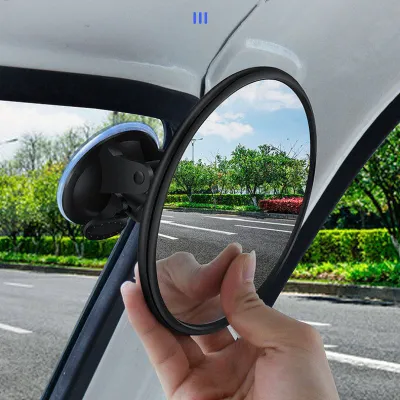
Prices are valid at publication and may change. Please refer to the product page for the latest price.
| Feature | Frameless Blind Spot Mirrors | Framed Blind Spot Mirrors |
|---|---|---|
| Field of View | Maximum, edge-to-edge convex view | Slightly restricted by the physical border |
| Adhesion & Durability | Relies on a small adhesive pad; vulnerable to heat | Larger base or clip-on design; highly secure |
| Aesthetics | Minimalist, blends with original mirror glass | Noticeable aftermarket accessory look |
| Adjustability | Fixed once applied | Often features an adjustable swivel ball joint |
Visibility and Field of View: Maximizing Blind Spot Coverage
To understand how these two designs perform on the road, it is essential to look at the optical physics of convex mirrors. A convex mirror features a curved reflective surface that bulges outward toward the light source. This curvature diverges light rays, compressing a much wider field of view into a relatively small surface area. While this allows you to see vehicles that would otherwise remain hidden in your car’s natural blind spots, it also introduces a degree of visual distortion, making objects appear smaller and further away than they actually are.

Frameless mirrors maximize this optical principle by utilizing every square millimeter of their surface area. Because there is no plastic bezel or raised rim around the edge of the glass, the reflective surface extends completely to the physical boundary of the accessory. This edge-to-edge design is particularly advantageous when navigating dense, fast-moving urban traffic where motorcycles, bicycles, and personal mobility devices can rapidly enter and exit your lateral space. The absence of a frame ensures there is no visual interruption at the periphery of the auxiliary glass, allowing your eyes to register movement instantly.
Framed mirrors, by contrast, sacrifice a small portion of this outer reflective area to accommodate the protective plastic housing. This outer rim can create a slight visual obstruction, marginally reducing the total horizontal and vertical viewing angles compared to a frameless mirror of the same diameter. However, framed models compensate for this limitation through superior adjustability. Many framed options feature an integrated swivel ball joint behind the mirror head. This mechanical joint allows you to tilt and rotate the convex glass after it has been permanently adhered to your side mirror. This adjustability is incredibly valuable if multiple drivers of varying heights share the same vehicle, as each driver can easily customize the blind spot view without needing to re-adhere the accessory.
Beyond the presence of a frame, the physical size and shape of the accessory play a major role in overall visibility. Standard round mirrors typically range from 2 inches to 3 inches in diameter. A 2-inch mirror is highly compact and leaves more of your primary side mirror unobstructed, but it offers a smaller compressed image. A 3-inch mirror provides a larger, clearer view of adjacent lanes but occupies a significant portion of your main mirror glass. Shape also matters: fan-shaped or rectangular blind spot mirrors are designed to fit snugly into the lower or outer corners of modern, angular side mirrors, maximizing the usable surface area while aligning naturally with the vehicle’s design lines.
Durability and Adhesion: Surviving Heat and Heavy Rain
The long-term reliability of any aftermarket blind spot mirror is heavily dictated by how well it withstands environmental exposure. In tropical climates like Singapore, where vehicles are subjected to intense equatorial sunlight, high ambient humidity, and sudden, torrential downpours, adhesive degradation is the primary cause of product failure. When a vehicle is parked in an open-air carpark, the surface temperature of the side mirror glass can easily exceed 60 degrees Celsius. This extreme heat causes the glass, plastic, and adhesive layers to expand and contract at different rates, creating severe shear stress on the mounting bond.
Frameless mirrors are particularly vulnerable to these thermal and environmental forces. Because they lack a protective housing, their double-sided adhesive pads are applied directly to the back of the raw glass. This design leaves the thin adhesive layer highly exposed to UV radiation, which breaks down the polymer chains in standard glues. Additionally, during heavy rainstorms or high-pressure car washes, water can seep directly into the exposed edges of the adhesive pad. Over time, this moisture ingress weakens the bond, eventually causing the mirror to fall off while the vehicle is in motion, especially at highway speeds on expressways like the PIE or AYE.
Framed mirrors offer a much more robust defense against environmental wear. The plastic housing acts as a physical shield, protecting the back of the glass and the underlying adhesive from direct sunlight and water runoff. Furthermore, framed designs typically feature a much larger, thicker mounting base, which distributes the physical load over a wider surface area. This larger footprint significantly reduces the risk of peeling. For drivers who want to avoid adhesives entirely, some premium framed mirrors utilize mechanical clip-on brackets. These brackets clamp securely onto the outer plastic housing of your car’s side mirror, bypassing the glass surface completely and offering a highly secure, vibration-resistant mount that is immune to adhesive degradation.
Regardless of the mirror style you choose, the quality of the mounting tape is the single most critical factor in preventing loss. Standard household double-sided tapes will quickly fail under automotive conditions. You should always look for products that utilize high-strength, automotive-grade acrylic foam tape, such as 3M VHB. These tapes are engineered to resist high temperatures, moisture, and UV exposure. The acrylic foam core possesses viscoelastic properties, allowing the tape to absorb vibrations and accommodate the differing thermal expansion rates of the glass mirror and the plastic accessory housing.
Aesthetics: Seamless Integration vs. Practical Utility
For many car owners, the visual impact of an aftermarket accessory is just as important as its functional performance. Modern automotive design places a high premium on clean lines and aerodynamic efficiency, meaning any addition to the vehicle’s exterior must be carefully considered to avoid looking cheap or out of place.
Frameless blind spot mirrors excel in visual integration. Because they consist of nothing more than a piece of precision-cut, polished glass with a bevelled edge, they blend seamlessly with your car’s original side mirror. When installed correctly, a frameless mirror looks like a premium, factory-installed OEM feature rather than a cheap add-on. This minimalist appearance is highly desirable for luxury vehicles, sports cars, and any driver who takes pride in maintaining a clean, unmodified vehicle aesthetic. The lack of a bulky frame ensures that the accessory does not disrupt the visual flow of the side mirror housing.
Framed mirrors, on the other hand, have a distinct, utilitarian “aftermarket” appearance. The plastic bezel, mounting pedestal, and swivel hardware are highly visible from both inside and outside the vehicle. On sleek, modern cars, this bulky profile can clash with the vehicle’s styling, making the side mirrors look cluttered. However, the visual impact of a framed mirror can be minimized by selecting a frame finish that matches your car’s existing trim. Most manufacturers offer framed options in matte black, glossy piano black, or chrome. Matching a matte black frame to a standard black plastic mirror housing, or a glossy black frame to painted mirror caps, can help the accessory blend in and reduce its visual footprint.
Installation and Safety: Securing the Mirror Without Blocking Your View
Installing a blind spot mirror is a straightforward process, but achieving a secure, long-lasting bond and ensuring optimal safety requires meticulous preparation and precise placement. Before attempting installation, you must consult your vehicle’s manual to ensure that adding an aftermarket mirror will not interfere with any integrated features, such as heated mirror elements, auto-dimming glass, or motor-driven folding mechanisms.
Step-by-Step Surface Preparation
To ensure the adhesive achieves its maximum bonding strength, the mounting surface must be completely free of contaminants.
- Clean the Glass: Wash the side mirror thoroughly with car shampoo and water to remove road grime and dirt.
- Decontaminate the Surface: Wipe the specific installation area with a clean microfiber cloth saturated with 70% isopropyl alcohol. This step is crucial for removing residual wax, grease, polish, or water-repellent glass treatments, all of which will severely compromise adhesive adhesion.
- Dry Completely: Allow the alcohol to evaporate fully. Do not use household glass cleaners, as many contain silicones or surfactants that leave a microscopic film behind.
- Apply and Press: Peel the backing from the adhesive tape, position the mirror carefully, and press it firmly against the glass for at least 30 seconds. The pressure-sensitive adhesive requires physical force to flow into the microscopic pores of the glass surface.
- Allow to Cure: Avoid driving the vehicle, exposing it to rain, or washing it for at least 24 to 48 hours. This curing window allows the acrylic foam tape to reach its full load-bearing strength.
Optimal Placement Strategies
Where you place the auxiliary mirror on your side mirror glass directly impacts both your safety and your field of view. The most common and recommended position is the outermost lower corner of the side mirror. This placement maximizes your view of the adjacent lane and the blind spot area while keeping the primary, flat-plane rearward view in the upper and inner portions of the mirror unobstructed. Alternatively, some drivers prefer the outermost upper corner, which can be effective for taller vehicles, provided it does not block your view of overhead signs or approaching traffic.
Never place a blind spot mirror in the center or the inner-upper quadrant of your side mirror. This central area is critical for depth perception and tracking vehicles directly behind you; blocking it creates a new, highly dangerous blind spot within your primary viewing field.
Crucial Safety Boundaries
While blind spot mirrors are highly effective driving aids, they must be treated strictly as supplementary tools. They do not replace the fundamental necessity of physical shoulder checks. Because convex glass distorts distance and speed, a vehicle that appears small and far away in the blind spot mirror may actually be dangerously close to your rear quarter panel. Always perform a quick physical glance over your shoulder to verify that the lane is clear before initiating any steering input.
Additionally, you must ensure that your installation complies with local traffic regulations. In Singapore, the Land Transport Authority (LTA) maintains strict standards regarding vehicle modifications. Any aftermarket accessory attached to the exterior of the vehicle must be securely mounted, must not present sharp or protruding edges that could pose a hazard to pedestrians, and must not obstruct the driver’s clear view of the road. Ensure your chosen mirror is firmly attached and does not extend past the physical width of your side mirror housing.
Decision Framework: How to Choose the Right Mirror for Your Vehicle
To finalize your decision, evaluate your specific driving environment, vehicle configuration, and personal priorities against this structured framework.
Choose Frameless if:
- You prioritize aesthetics: You want a clean, minimalist, high-end look that integrates seamlessly with your car's exterior design.
- You want maximum field of view: You require an uninterrupted, edge-to-edge convex reflection to spot fast-moving motorcycles and bicycles in dense urban environments.
- You are the sole driver: You do not need to adjust the mirror angle once it is installed, allowing you to benefit from a fixed, low-profile design.
- You are willing to perform meticulous installation: You are prepared to carefully prep the glass surface and monitor the adhesive pad over time to prevent loss.
Choose Framed if:
- Multiple people drive the car: You require an adjustable swivel joint so different drivers can quickly position the mirror to suit their height and seating position.
- You face extreme weather conditions: Your car is parked outdoors under intense sun and heavy rain, making a larger, protected adhesive base or a mechanical clip-on mount highly desirable.
- You drive a larger vehicle: You operate an SUV, pickup truck, or commercial van where a larger, more ruggedly constructed auxiliary mirror is needed to match the scale of the vehicle.
- You prefer a mechanical mount: You want to avoid sticking adhesive directly onto your factory mirror glass and prefer a secure clamp-on design.
Neither may fit if:
- Your side mirrors are exceptionally small or highly curved: Some sports cars have compact, aerodynamically styled side mirrors that do not have enough flat surface area to accommodate an auxiliary mirror without blocking the primary rearward view entirely.
- Your mirrors feature integrated technology: If your vehicle's side mirrors have built-in heating elements, auto-dimming layers, or integrated blind-spot monitoring (BSM) warning lights that occupy the outer edges of the glass, adding an aftermarket mirror may cover these critical safety features or damage the underlying electronics during installation or removal.
Verify first if:
- Your vehicle has active Blind Spot Monitoring (BSM): Check if your car already features radar-based blind-spot warning indicators (usually a glowing icon embedded in the side mirror glass). If it does, ensure that the size and placement of your aftermarket mirror will not cover or obscure this warning light, as the electronic system remains your primary line of defense.
Frequently Asked Questions (FAQ)
Do blind spot mirrors replace the need for shoulder checks?
No, blind spot mirrors do not replace physical shoulder checks. While a convex mirror significantly widens your field of view and helps you track surrounding traffic, its curved surface distorts your perception of distance and speed. Vehicles, motorcycles, and cyclists will appear much smaller and further away than they actually are. Relying solely on the auxiliary mirror can lead to dangerous maneuvers if a vehicle is traveling faster than expected. A quick, physical glance over your shoulder remains the only foolproof method to confirm that your blind spot is entirely clear before changing lanes.
How do I safely remove a blind spot mirror without damaging the side mirror?
To safely remove an adhesive-mounted blind spot mirror, you must avoid using metal blades, screwdrivers, or sharp tools, as these will scratch the original glass and can damage the underlying heating elements. Instead, use a length of dental floss, high-strength sewing thread, or a plastic trim removal tool. Gently slide the floss or thread behind the auxiliary mirror and use a sawing motion to slice through the foam adhesive layer. Once the mirror is detached, apply a commercial adhesive remover or isopropyl alcohol to the remaining residue. Let it sit for a few minutes to soften the adhesive, then gently wipe the glass clean with a microfiber cloth to restore its original clarity.
Community discussion
Share your experience or ask a question. Comments are reviewed before publication.