
When upgrading your side mirrors to eliminate dangerous blind zones, the choice between frameless and framed blind spot mirrors often comes down to a balance of maximum visibility, long-term durability, and vehicle aesthetics. There is no single universal winner; frameless designs typically offer an unobstructed, edge-to-edge viewing area and a sleek look, while framed options can provide added structural protection and alternative mounting mechanisms. The right choice depends on your specific driving environment, your vehicle’s existing mirror housing, and your willingness to perform precise surface preparation for secure adhesion.
Navigating dense urban traffic, tight multi-story car parks, and fast-moving expressways requires rapid, accurate spatial awareness. A minor blind spot oversight can lead to costly scrapes or severe collisions. Adding an auxiliary convex mirror is one of the most cost-effective safety upgrades you can make, often costing between S$10 and S$30. However, selecting the wrong design can result in a distorted view, rapid physical degradation, or an accessory that detaches at highway speeds.
To make an informed purchase, you must evaluate how these two design philosophies perform under real-world conditions. By analyzing their optical performance, structural resilience, aesthetic integration, and installation requirements, you can select an accessory that enhances your driving confidence without compromising your vehicle’s functionality.
Products mentioned in this guide
![Eco-Store° [Premium] Car Blind Spot Mirror (5cm) 360° Rotation Convex Wide Angle Universal Fit -1 Pair](https://img.lazcdn.com/g/p/77b8207278acbeab50a355637c0cc49b.jpg_400x400q80.jpg_.webp)
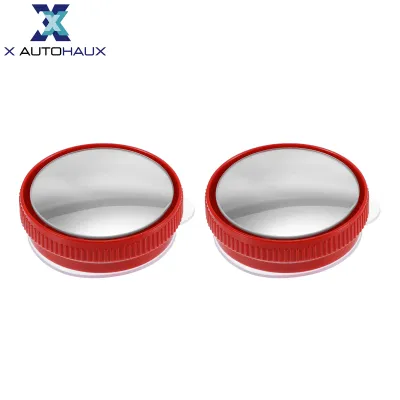
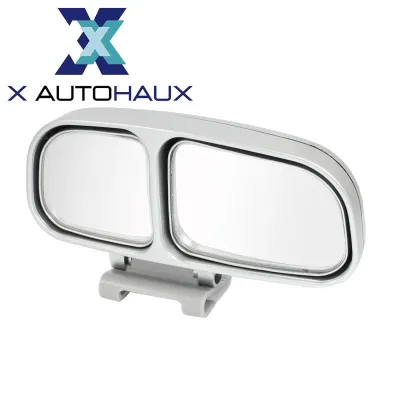
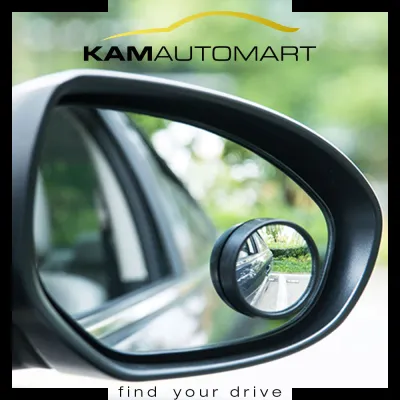
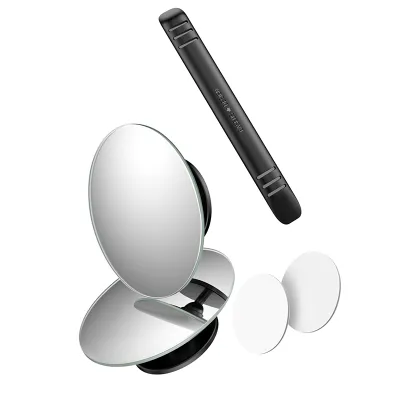
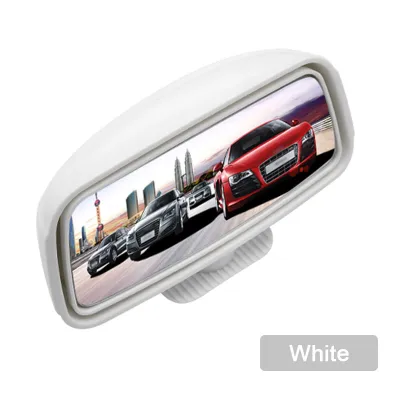
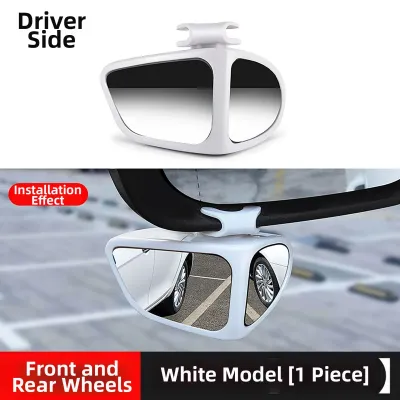
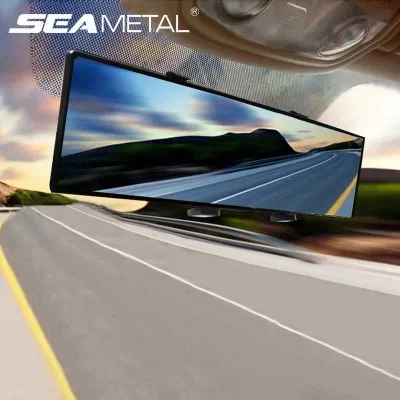
Prices are valid at publication and may change. Please refer to the product page for the latest price.
Visibility and Field of View Comparison
The primary purpose of any auxiliary mirror is to expand your peripheral vision, and the physical design of the mirror’s edge plays a significant role in how much usable information your eyes receive. Frameless blind spot mirrors feature an edge-to-edge glass surface. Because there is no plastic or metal bezel surrounding the perimeter, every square millimeter of the mirror reflects the road behind you. This design maximizes the reflective surface area relative to the physical footprint of the accessory, which is particularly beneficial on smaller side mirrors where space is at a premium.
In contrast, framed blind spot mirrors feature a protective border that wraps around the outer edge of the glass. While this frame provides structural support, it inherently reduces the active viewing area. A bezel that is even two to three millimeters thick can noticeably restrict your field of view, especially on a mirror that is only fifty millimeters in diameter. This restriction can create a visual boundary that forces your eyes to adjust focus more intensely, potentially slowing down your reaction time during quick lane changes.
Both designs rely on a convex curvature to compress a wide-angle view into a small space. This curvature inherently distorts distance, making trailing vehicles appear further away than they actually are. In a frameless design, the transition from the convex glass to the surrounding environment is seamless, which can help your brain process the continuous field of view more naturally. In a framed design, the dark border acts as a visual interruption, which some drivers find helpful for separating the blind spot view from the main mirror view, while others find it distracting.
When shopping, do not rely solely on the “frameless” label to guarantee a wider field of view. You must verify the actual diagonal or diameter specifications of the glass. A large framed mirror may still offer more total viewing area than an ultra-compact frameless model. Measure your vehicle’s existing side mirror glass to determine the maximum size you can install without blocking your primary line of sight.
Durability and Weather Resistance
An automotive accessory mounted on the exterior of a vehicle must withstand harsh environmental conditions, including intense UV exposure, heavy downpours, high humidity, and road debris. The durability of a blind spot mirror is determined by its base materials and construction quality rather than the presence of a frame. High-quality options utilize real, optical-grade tempered or shatterproof glass, which resists scratching and maintains clarity over years of exposure.

Frameless mirrors rely entirely on their rear adhesive backing and edge sealing to survive the elements. Because the glass edges are exposed, they are more susceptible to chipping if struck by loose gravel or road debris at high speeds. Furthermore, if water penetrates the backing material, it can cause the reflective silvering on the back of the glass to peel or discolor, a process known as desilvering. When choosing a frameless model, look for products that specify sealed, polished edges and use high-grade automotive adhesives designed to resist moisture and temperature fluctuations.
Framed mirrors offer a physical shield around the glass edge, protecting it from direct impacts and reducing the risk of chipping. However, the frame itself introduces a different vulnerability. The seam where the glass meets the plastic bezel can trap water, dirt, and road salt. In tropical climates with frequent heavy rain, this trapped moisture can accelerate adhesive degradation and corrode the reflective backing from the outside in. Additionally, low-grade plastic frames can become brittle and fade under constant UV exposure, eventually cracking and allowing the glass to fall out.
To ensure long-term performance, check the manufacturer’s specifications for weatherproofing. Look for details regarding UV-stabilized plastics for framed models and waterproof, high-tack acrylic adhesives for frameless models. Investing in materials rated for extreme temperatures will prevent the mirror from shifting or degrading during hot afternoons.
Aesthetics and Vehicle Integration
How an auxiliary mirror looks on your vehicle is more than just a matter of personal pride; it also affects how seamlessly you integrate the accessory into your daily driving habits. Frameless blind spot mirrors offer a sleek, modern, and minimalist aesthetic. Because they lack a bulky border, they often look like an original equipment manufacturer (OEM) feature rather than an aftermarket addition. They blend smoothly into the glass of your existing side mirror, maintaining the clean lines of modern vehicle designs.
Framed mirrors tend to have a more utilitarian, rugged appearance. The plastic bezel is often black, though some manufacturers offer chrome or body-colored frames. If your vehicle is an off-road SUV, a utility van, or a truck with prominent black plastic trim, a framed mirror can complement the rugged aesthetic. However, on a sleek sedan or a luxury vehicle, a thick plastic frame can look out of place and disrupt the vehicle’s aerodynamic profile.
Shape selection also plays a critical role in visual integration. Both framed and frameless mirrors are available in round, oval, rectangular, and custom-molded shapes. A round mirror is highly versatile but can leave unused triangular gaps in the corner of your side mirror housing. Rectangular or custom-shaped mirrors often align better with the outer edges of modern side mirrors, maximizing space efficiency.
Regardless of your aesthetic preference, the visual design must never compromise safety. The auxiliary mirror should be positioned so that it does not obstruct your view of the horizon or the vehicles directly behind you in your main mirror. It should serve as a supplement to, not a replacement for, your primary side-view mirror.
Installation, Adjustability, and Safety
The installation method directly impacts both the safety of the accessory and the ease with which you can adjust your view. Most frameless mirrors utilize a double-sided adhesive pad applied directly to the surface of your side mirror glass. Many of these models feature an integrated, adjustable swivel base, allowing you to tilt the mirror to fine-tune your viewing angle. While this swivel joint adds versatility, it also increases the profile of the mirror, making it stick out further from the main glass surface.
Framed mirrors offer a wider variety of mounting options. While many use adhesive pads, some heavy-duty or commercial-grade framed mirrors utilize mechanical clamps or tension screws that attach directly to the outer plastic housing of the side mirror. This mechanical attachment eliminates the risk of adhesive failure and allows you to mount the auxiliary mirror completely outside the main glass area, preserving 100 percent of your original field of view. However, mechanical clamps can scratch your vehicle’s paint or plastic trim if not properly padded, and they may interfere with motorized folding mirror mechanisms.
For adhesive-based installations, surface preparation is the single most critical factor determining whether the mirror remains attached or flies off on the highway. You must thoroughly clean the mounting area using isopropyl alcohol to remove all road grime, wax, and water-repellent glass treatments. Standard glass cleaners often leave behind silicone residues that prevent adhesives from bonding correctly. Apply the mirror in dry conditions, press firmly for at least thirty seconds, and allow the adhesive to cure fully—typically 24 hours—before exposing the vehicle to rain, high speeds, or a car wash.
Before purchasing, consult your vehicle’s owner’s manual if your side mirrors feature specialized technologies. Many modern vehicles use heated glass elements, auto-dimming coatings, or integrated blind-spot monitoring sensors (BSM) located behind the glass. Applying a strong adhesive pad directly over a heating element can insulate the glass unevenly, potentially reducing its clearing efficiency or, in rare cases, damaging the element. Never place an auxiliary mirror directly over an integrated warning light or sensor indicator.
Final Decision Framework: Which One Should You Get?
To determine the best design for your vehicle, evaluate your driving habits, vehicle type, and installation preferences against the following criteria.
Choose Frameless if:
- You drive a modern passenger car or sedan: The minimalist design preserves the vehicle's clean, aerodynamic lines and looks like an OEM component.
- You have compact side mirrors: Every millimeter of reflective surface counts, and a frameless design maximizes the active viewing area.
- You prefer a seamless visual transition: The lack of a physical border allows your eyes to scan between the main mirror and the blind spot mirror with minimal visual interruption.
Choose Framed if:
- You drive a utility vehicle, truck, or SUV: The rugged construction matches the vehicle's aesthetic and can withstand harsher physical environments.
- You want to preserve your entire main mirror surface: Selecting a framed model with a mechanical clamp allows you to mount the accessory outside the main glass frame.
- You operate in high-debris environments: The protective bezel shields the glass edges from chipping due to flying gravel or road debris.
Pre-Purchase Verification Checklist
Before finalizing your purchase, verify the following product specifications on the packaging or manufacturer’s website:
- Material Quality: Confirm the mirror uses real, optical-grade glass rather than reflective plastic, which scratches easily and distorts images over time.
- Adhesive Specification: Ensure the product includes high-quality, automotive-grade double-sided tape designed for exterior use.
- Adjustability: Check if the mirror includes a rust-resistant swivel joint if you share your vehicle with other drivers who require different viewing angles.
- Shatterproof Rating: Verify that the glass is tempered or features a shatterproof backing film to prevent dangerous shards from scattering in an impact.
Ultimately, the frame style is secondary to proper placement, correct angle adjustment, and regular maintenance. Keep your mirrors clean, check their physical attachment periodically, and always perform a physical shoulder check before changing lanes.
Frequently Asked Questions (FAQ)
Do frameless blind spot mirrors fall off more easily?
No, frameless blind spot mirrors do not inherently fall off more easily than framed models. Adhesion durability is determined entirely by the quality of the double-sided tape used and the thoroughness of the surface preparation during installation. Because frameless mirrors are often lighter than their framed counterparts, they actually place less gravitational stress on the adhesive bond. To prevent detachment, you must clean the side mirror glass with isopropyl alcohol to remove all grease, wax, and hydrophobic coatings. Avoid installing the mirror in cold or damp conditions, and allow the adhesive to cure completely for 24 hours before driving at high speeds or exposing the vehicle to water.
Can I use a blind spot mirror on a heated side mirror?
Yes, you can generally use a blind spot mirror on a heated side mirror, but you must take specific precautions. Before installation, consult your vehicle’s manual to verify if the manufacturer advises against applying adhesives to the glass. The heat generated by standard mirror defoggers is typically not intense enough to melt high-quality automotive acrylic adhesives, but low-grade adhesives may soften and shift over time. Additionally, a large adhesive pad or a thick framed mirror base will act as an insulator, reducing the heating element’s efficiency in clearing frost or condensation directly behind the auxiliary mirror. To minimize this effect, choose a compact frameless model with a minimal adhesive footprint.
Community discussion
Share your experience or ask a question. Comments are reviewed before publication.