
Choosing between waterproof and breathable Fox riding gloves depends entirely on your primary riding climate and typical weather conditions. If you frequently ride in rain, mist, or cold winds, waterproof gloves provide the necessary barrier to keep your hands dry and maintain safe control of the brakes and clutch. Conversely, if you ride primarily in hot, humid conditions where sweat buildup and heat exhaustion are the main concerns, breathable gloves offer essential airflow and superior tactile feedback. This guide breaks down the structural trade-offs, evaluates different riding environments, and provides a clear decision framework to help you select the right Fox glove for your specific needs.
When navigating daily commutes or weekend tours, your hands serve as the primary point of control and communication with your motorcycle. A split-second delay in operating the front brake lever or clutch can have significant safety implications, making hand comfort and grip stability paramount. In regions like Singapore, where riders face a mix of intense tropical heat, high humidity, and sudden torrential downpours, selecting the correct handwear becomes a balancing act between thermal comfort and weather protection.
Understanding the Core Differences in Glove Construction
The fundamental difference between waterproof and breathable riding gloves lies in how they manage air and moisture. Waterproof gloves are engineered to keep external moisture out by incorporating specialized internal membranes or applying hydrophobic treatments to the outer shell. These membranes feature microscopic pores that block liquid water droplets from entering while allowing microscopic water vapor from sweat to escape. However, because these layers create a physical barrier to block wind and rain, they inherently restrict direct airflow, which can lead to heat retention inside the glove.
Products mentioned in this guide
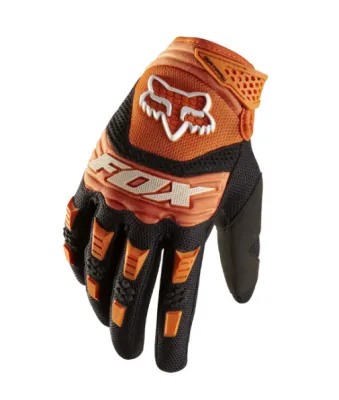
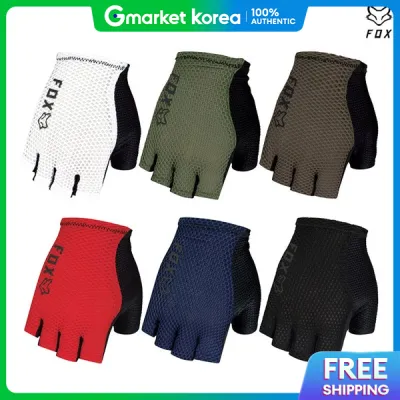
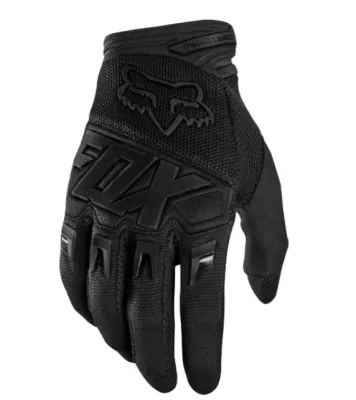
Prices are valid at publication and may change. Please refer to the product page for the latest price.
Breathable gloves prioritize maximum air circulation to keep your hands cool and dry. Manufacturers achieve this by utilizing highly porous materials such as perforated leather, woven mesh panels, or lightweight open-weave textiles across the back of the hand and between the fingers. This open structure allows ambient air to flow directly over your skin as you ride, carrying away body heat and evaporating sweat almost instantly.
This structural divergence highlights an unavoidable physical trade-off: maximum water resistance usually means less ventilation, and maximum airflow means less water protection. A glove designed to seal out a heavy downpour cannot offer the free-flowing cooling effect of a mesh glove, just as a highly ventilated mesh glove will let rainwater pass through almost immediately. Recognizing this compromise allows you to prioritize which feature is more critical for your riding safety and comfort.
Evaluating Your Typical Riding Conditions
To choose the right glove, you must first analyze the dominant weather patterns and environmental conditions of your regular riding routes. Matching the glove’s construction to your actual riding environment ensures that you remain comfortable and in complete control of your motorcycle, regardless of what the sky looks like.

Wet, Cold, and Variable Weather Riding
Riding in wet, cold, or highly variable weather demands a protective barrier. If your typical rides involve navigating heavy rain, persistent mist, or cold winds, your hands are highly vulnerable to rapid heat loss. Exposed skin loses heat significantly faster when wet, which can quickly lead to numbness, stiffness, and a dangerous reduction in fine motor control over your brake and clutch levers.
In these conditions, a waterproof glove is essential for maintaining operational safety. The internal waterproof membrane acts as both a barrier against liquid water and an effective windbreaker. By blocking cold air, it helps retain your natural body heat, keeping your fingers warm and flexible. This thermal protection is crucial for maintaining the quick reaction times needed to operate handlebar controls safely during sudden stops on wet roads.
Hot, Humid, and Tropical Climate Riding
When riding in high heat and high humidity, such as the tropical climate of Singapore, managing internal sweat buildup is the primary concern. In these conditions, wearing a heavy, non-breathable glove can cause your hands to sweat excessively, leading to discomfort, slippery palms, and skin maceration over long rides.
Continuous airflow is vital for preventing hand fatigue and ensuring a secure, dry grip. Breathable gloves allow sweat to evaporate quickly, keeping your skin dry and maintaining the friction needed to grip the throttle and levers securely. In tropical climates, sudden heavy rain might be better managed by stopping under shelter or using lightweight waterproof over-gloves rather than wearing hot, fully waterproof gloves all day.
Key Features to Compare When Choosing Fox Gloves
When shopping for Fox gloves, looking past the aesthetic design to examine the technical specifications and material construction is essential. Understanding what to look for on the manufacturer’s tag or product description sheet will help you verify the glove’s actual capabilities before making a purchase.
Material and Membrane Specifications
To verify a glove’s weatherproofing capabilities, check the product labels for specific waterproof membrane technologies, sealed seams, or hydrophobic outer treatments. High-quality waterproof gloves often feature branded membranes or proprietary barrier layers integrated directly into the construction. It is also important to look for sealed or taped seams, which prevent water from seeping through the stitching lines, and hydrophobic coatings on the outer fabric that encourage water to bead up.
For breathable models, inspect the glove for perforated leather sections, strategic mesh panels, or moisture-wicking inner liners. Perforated leather offers a balance of abrasion resistance and airflow, while mesh panels provide maximum ventilation in high-heat zones. Moisture-wicking liners pull sweat away from your skin to the outer layers where it can evaporate. Always verify the manufacturer’s stated water resistance level on the tag, as some gloves are labeled as “water-resistant” rather than fully “waterproof,” meaning they may only withstand light drizzle.
Protection and Armor Integration
The choice between waterproof and breathable designs can significantly affect how protective armor is integrated and how it feels. Waterproof membranes, combined with any internal thermal linings, add physical bulk to the glove’s structure. This extra thickness can alter the fit and flexibility around the knuckle and finger armor, sometimes making the protective inserts feel stiffer or more restrictive during movement.
In contrast, breathable gloves typically utilize thinner, more flexible materials that allow for a closer, more tactile fit around protective inserts. Because there are fewer layers of fabric, the armor can conform more naturally to the contours of your hand, offering a less obtrusive feel. When selecting either style, always check that impact armor is present, securely positioned, and does not create uncomfortable pressure points when you grip the handlebars.
Grip, Tactile Feedback, and Control
Your physical connection to the motorcycle’s controls is heavily influenced by the thickness and construction of your gloves. Multi-layer waterproof gloves, with their protective membranes and linings, naturally create a thicker barrier between your skin and the grips. This added bulk can reduce tactile feedback, making it slightly harder to feel the precise engagement point of the clutch and brake levers.
Single-layer breathable gloves offer direct, unfiltered feedback, allowing you to feel the controls clearly and make precise adjustments. To compensate for the reduced tactile feel in wet conditions, some waterproof gloves feature specialized silicone or rubberized prints on the palms and fingers to enhance grip on wet metal levers. When trying on gloves, always simulate a riding grip to ensure you have adequate feel for the controls, and check if the fingertips are compatible with touchscreen devices if needed for navigation.
Decision Framework: Which Fox Glove Type Fits Your Needs?
To finalize your purchasing decision, use this clear, actionable framework to match your riding habits with the correct glove type.
Choose Waterproof Fox Gloves if:
- You commute daily throughout the year and must ride through heavy rain, persistent drizzle, or cold morning winds.
- You frequently embark on long-distance touring rides where weather conditions are unpredictable and temperature drops are common.
- You prioritize keeping your hands completely dry and warm over having maximum cooling airflow.
- You want a windproof barrier to prevent your fingers from becoming stiff and numb during cold-weather rides.
Choose Breathable Fox Gloves if:
- Your riding is primarily done in hot, humid, or tropical climates where heat management and sweat prevention are your main concerns.
- You participate in track days, off-road trail riding, or active sports riding where high physical exertion leads to heavy sweating.
- You prioritize maximum tactile feedback, a lightweight feel, and direct control over the brake and clutch levers.
- You prefer a glove that dries out quickly from sweat and allows constant cooling wind to pass over your skin.
Verify First if: If you face mixed conditions, verify if a breathable glove paired with a waterproof over-glove is a more versatile and cost-effective solution. Alternatively, maintaining two dedicated pairs of gloves—one highly ventilated for hot days and one fully waterproof for wet weather—ensures you always have the optimal balance of safety, comfort, and control.
Frequently Asked Questions (FAQ)
Can I use a waterproof glove liner inside a breathable Fox glove?
Yes, thin, waterproof aftermarket liners can be worn inside breathable gloves to provide temporary rain protection. This combination allows you to adapt your favorite warm-weather gloves for unexpected wet conditions without carrying a bulky second pair. However, adding a liner will reduce the airflow and alter the internal fit, potentially making the glove feel tight and restricting finger movement. Before purchasing a separate liner, check the glove’s internal volume and try the combination on to ensure your hands can still move freely and comfortably.
How should I care for and dry my riding gloves after a wet ride?
To preserve the materials and extend the lifespan of your riding gloves, always air-dry them at room temperature in a well-ventilated area. Keep them away from direct heat sources like radiators or hair dryers, which can shrink leather and damage waterproof membranes. To speed up the drying process safely, you can place crumpled newspaper or specialized glove-drying inserts inside the gloves to absorb internal moisture. Once the gloves are completely dry, check the specific care label on your Fox gloves for material-specific cleaning and conditioning instructions.
Community discussion
Share your experience or ask a question. Comments are reviewed before publication.