
A peeling Mercedes-Benz steering wheel is more than just an aesthetic annoyance; it directly impacts your daily driving comfort and degrades the premium feel of your vehicle’s cabin. When the outer layer of your steering wheel begins to flake, bubble, or wear away, you are faced with a choice: install an aftermarket steering wheel cover, invest in a professional restoration, or replace the entire unit. The right decision depends on the severity of the material degradation, your budget, and your long-term plans for the vehicle.
To make an informed choice, you must understand why the material is failing, how each solution affects your vehicle’s safety and functionality, and what steps are required to execute each option properly. This guide breaks down the causes of steering wheel wear and compares the three primary solutions to help you determine the best path forward for your Mercedes.
Why Is Your Mercedes Steering Wheel Peeling?
Environmental factors play a significant role in accelerating the degradation of steering wheel materials. In tropical climates like Singapore’s, intense ultraviolet (UV) radiation and high humidity levels create a harsh environment inside a parked car. Heat buildup weakens the adhesives and protective topcoats applied to leather and synthetic steering wheels, causing the surface to dry out, crack, and eventually peel away.
Products mentioned in this guide
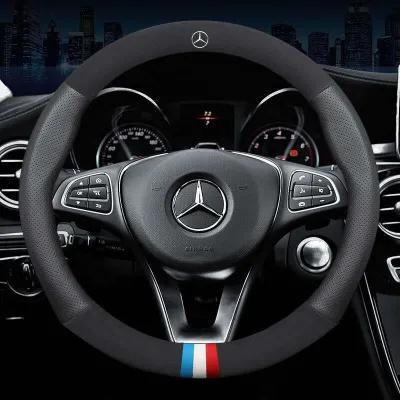


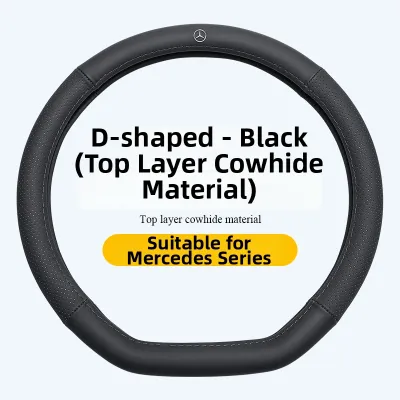
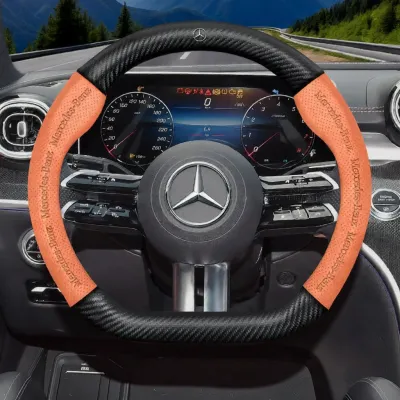
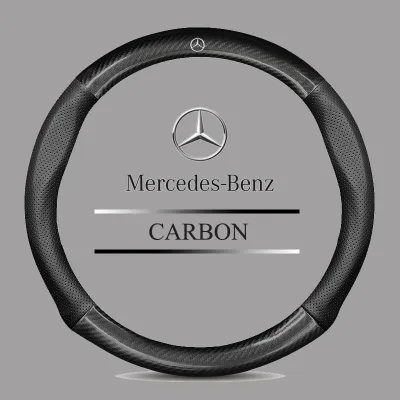
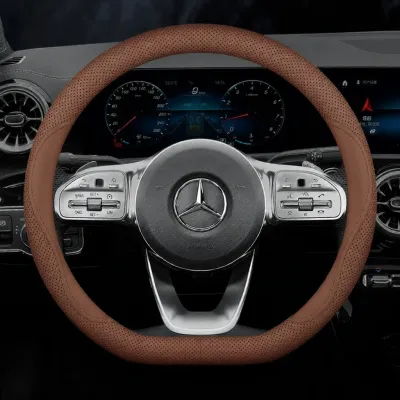
Prices are valid at publication and may change. Please refer to the product page for the latest price.
Chemical exposure is another common catalyst for material failure. Modern hygiene habits, such as the frequent use of alcohol-based hand sanitizers, pose a direct threat to automotive interiors. The isopropyl alcohol in these sanitizers acts as a solvent, stripping away the protective clear coat and dyes on the steering wheel. Similarly, hand lotions, moisturizers, and harsh household cleaning agents can cause the material to soften, bubble, and degrade over time.
Normal wear and tear from daily driving also contributes to surface erosion. The constant friction of your hands turning the wheel, combined with the natural acidity of human sweat and skin oils, gradually wears down the protective barrier of the material. This wear is typically concentrated at the common hand positions, such as the 9-and-3 or 10-and-2 o’clock marks, where grip pressure is highest.
Solution 1: Using a Mercedes Steering Wheel Cover
An aftermarket steering wheel cover is a highly accessible and immediate solution for concealing surface damage. It requires no specialized tools to install and instantly hides unsightly peeling, preventing further flaking from rubbing off on your hands. It also protects the remaining intact material from direct sunlight and friction, making it a highly practical option for drivers seeking a quick fix.

However, a cover is fundamentally a cosmetic mask that does not address the underlying material decay. It adds noticeable bulk to the steering wheel grip, which can alter the steering feel and may be uncomfortable for drivers with smaller hands. Furthermore, a poorly fitted cover can slide during sudden maneuvers, posing a safety hazard, or physically interfere with the operation of paddle shifters and multifunction buttons located on the steering wheel spokes.
If you choose this route, you must verify the exact dimensions, shape, and mounting position from the specific product and vehicle documentation before purchase. Many modern Mercedes-Benz models feature a flat-bottomed “D-shape” wheel or specific thumb rests that require a specialized, model-specific cover rather than a generic round one. Never infer compatibility from a broad category term; always check the manufacturer’s compatibility list for your specific model year and trim level.
Prioritize high-quality, breathable materials like genuine leather or specialized microfiber that can withstand heat without degrading. Ensure the cover features a non-slip, textured inner lining to prevent slipping during operation. A secure, tight fit is essential to maintain road legality and ensure the cover does not compromise your control of the vehicle.
Solution 2: Professional Steering Wheel Restoration
Professional restoration, which typically involves rewrapping the wheel in fresh leather or Alcantara, returns the steering wheel to its original factory condition. This process maintains the authentic aesthetic of your Mercedes-Benz and preserves the vehicle’s resale value. It also offers an opportunity to customize the wheel with premium materials, contrast stitching, or perforated leather grips that match your personal style.
The primary drawbacks of professional restoration are the higher cost and the temporary loss of your vehicle. A proper restoration requires a specialized upholstery shop to meticulously strip the old material, repair any damaged underlying foam, and hand-stitch the new wrap. This process typically takes several days, during which the vehicle or the steering wheel itself must remain at the shop.
Because the steering wheel houses the driver’s airbag module, horn contacts, and complex multifunction electronics, safety is a paramount concern. Any disassembly or restoration work must strictly adhere to original-vehicle instructions. Disconnecting the airbag module incorrectly can trigger permanent fault codes on your dashboard or, worse, compromise the deployment of the restraint system in an accident.
Always ensure the chosen upholstery shop is fully qualified and experienced in handling Mercedes-Benz steering wheel electronics and airbag systems. Before authorizing any work, verify that the technicians follow the manufacturer’s safety protocols for handling restraint systems. This ensures that your vehicle’s safety features remain fully functional and compliant with road safety standards.
Solution 3: Complete Steering Wheel Replacement
In some cases, the damage extends beyond the surface material. If the underlying polyurethane foam has separated from the metal core of the steering wheel, causing the grip to twist or feel loose, restoration is no longer a viable option. Additionally, if internal electronic components, heating elements, or the airbag module housing itself are damaged, a complete replacement is necessary.
When sourcing a replacement, you must choose between original equipment manufacturer (OEM) parts from an authorized dealer or verified aftermarket alternatives. OEM parts guarantee perfect compatibility and safety compliance but come at a premium. If opting for aftermarket alternatives, verify that the part is certified and designed specifically for your exact model year and trim level. Use your vehicle’s Chassis Number or Vehicle Identification Number (VIN) to confirm compatibility before purchasing.
Replacing a steering wheel involves working directly with the vehicle’s steering column, clock spring, and airbag restraint system. Due to the critical safety nature of these components, professional installation by a qualified technician is mandatory. Attempting a DIY replacement without the proper tools and knowledge can lead to steering misalignment, damaged wiring, or accidental airbag deployment.
How to Decide: Cover vs. Restoration vs. Replacement
To choose the best solution for your Mercedes, you must weigh the relative cost, installation effort, longevity, and impact on vehicle resale value. The following comparison matrix outlines how each option performs across these key decision factors:
| Option | Relative Cost | Installation Effort | Longevity | Impact on Resale Value |
|---|---|---|---|---|
| Steering Wheel Cover | Low | Low (DIY) | Short to Medium | Neutral to Negative |
| Professional Restoration | Moderate to High | High (Professional) | Long | Positive |
| Complete Replacement | High | High (Professional) | Long | Positive to Neutral |
An aftermarket cover is sufficient if you are on a tight budget, plan to sell or return the vehicle in the near future, or simply want a quick fix for minor surface peeling. It is a temporary measure that keeps the cabin looking tidy without a significant financial commitment.
Conversely, professional restoration or complete replacement is highly recommended if you plan to keep the car long-term, want to maintain the premium factory look, or are preparing the vehicle for sale to a private buyer. Investing in a professional fix restores the cabin’s premium appeal, which can significantly improve buyer perception and help you command a higher resale price.
Preventing Future Steering Wheel Damage
Once you have resolved the peeling issue, implementing a regular maintenance routine will protect the steering wheel from future damage. Clean your steering wheel regularly using a dedicated, pH-balanced automotive leather cleaner. Always follow the manufacturer’s label instructions, apply the product only for its authorized uses, and test it on an inconspicuous area first to ensure it does not affect the leather, plastics, or sensors.
To combat the intense tropical sun, use a high-quality reflective front sunshade whenever parking outdoors. Installing premium, UV-blocking window tints can also significantly reduce cabin temperatures and protect the interior materials from solar degradation. Whenever possible, park in shaded or covered parking structures to minimize heat buildup.
Apply a dedicated automotive leather conditioner every few months to keep the material supple. This prevents the leather from drying out, cracking, and peeling under high-temperature conditions. Ensure the conditioner is fully absorbed and any excess is wiped away with a clean microfiber cloth to prevent a slippery grip during driving.
Frequently Asked Questions (FAQ)
Will a steering wheel cover affect my Mercedes heated steering wheel?
Yes, installing a thick or heavily insulated steering wheel cover will significantly block or reduce the transfer of heat from the built-in heating elements to your hands. If your Mercedes is equipped with a heated steering wheel, you must check the cover manufacturer’s specifications to ensure compatibility. Look for covers specifically designed to be thin and thermally conductive, though a professional restoration remains the best way to preserve full heating functionality.
Can I rewrap my Mercedes steering wheel myself?
While DIY rewrapping kits are available on online marketplaces, attempting this project yourself is highly discouraged for most drivers. Achieving a factory-tight, wrinkle-free stitch around the complex contours and thumb rests of a Mercedes steering wheel requires professional-grade skill and patience. More importantly, the process requires disconnecting the vehicle battery and safely removing the airbag module. To avoid safety risks, electronic faults, or improper airbag installation, it is highly recommended to seek professional help.
Does a peeling steering wheel affect my car's resale value?
Yes, a peeling steering wheel can noticeably lower your car’s resale value and deter potential buyers. The steering wheel is the primary touchpoint in the cabin; visible wear and tear here immediately signals to a buyer that the vehicle may have been poorly maintained overall. While a cheap cover might hide the damage temporarily, savvy buyers and professional inspectors will look underneath. Investing in a professional restoration often yields a much better return on investment by restoring the cabin’s premium appeal before a sale.
Community discussion
Share your experience or ask a question. Comments are reviewed before publication.