
Choosing between fingerless and full-finger riding gloves is a direct trade-off between immediate cooling comfort and comprehensive physical protection. While fingerless gloves offer unmatched ventilation and tactile sensitivity for low-speed urban riding in hot climates, they leave your fingertips and joints vulnerable to severe abrasion and impact during a fall. Conversely, full-finger gloves enclose the entire hand in protective materials, shielding you from road rash, weather elements, and debris, though they can trap heat if they lack advanced ventilation features. Understanding how these two designs perform under different riding conditions is essential for selecting gear that keeps you safe without compromising your comfort on the road.
To make an informed decision, you must evaluate how each glove style manages airflow, impact absorption, and control feedback. Your choice should align with your typical riding speeds, local weather patterns, and the specific safety standards required for your journeys. By analyzing the structural differences and practical limitations of both options, you can select the ideal hand protection for your daily commute or weekend tours.
Core Differences in Protection and Airflow
The fundamental distinction between fingerless and full-finger riding gloves lies in their physical coverage and how they balance safety with thermal comfort. A glove’s primary safety job is to absorb impact and resist abrasion when your hands make contact with the pavement. Because human instinct causes us to put our hands out during a fall, the palm, knuckles, and fingertips are highly susceptible to severe injury. Full-finger gloves cover these critical zones entirely, utilizing leather, textile, and integrated armor to shield every part of the hand. Fingerless gloves, by design, truncate the fingers near the first knuckle, leaving the distal phalanges completely exposed to direct friction and impact.
Products mentioned in this guide

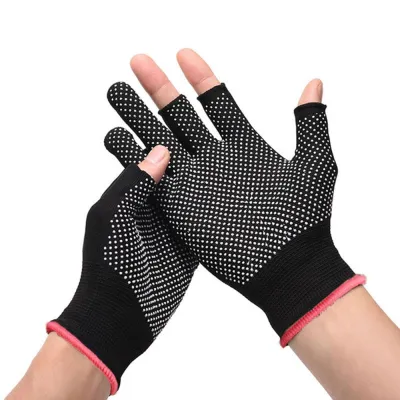
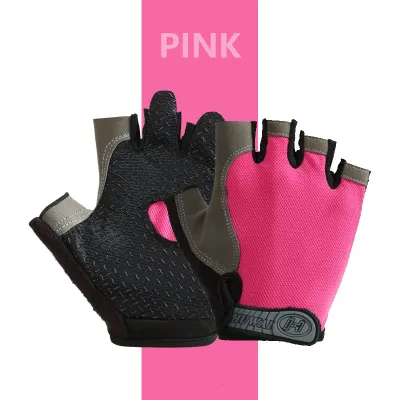
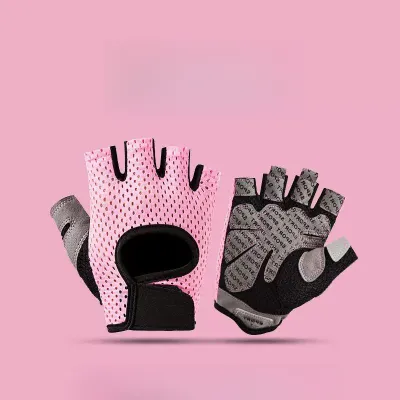
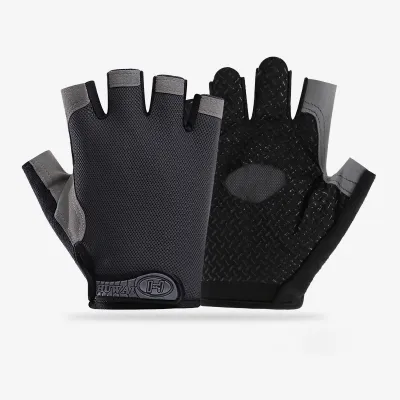
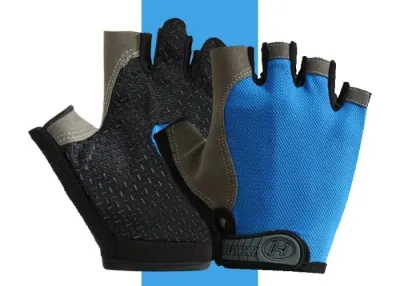
Prices are valid at publication and may change. Please refer to the product page for the latest price.
In terms of airflow, the two styles employ vastly different mechanisms to keep your hands cool. Fingerless gloves rely on direct exposure, allowing air to circulate freely around your fingertips and escape through the open ends. This design naturally prevents sweat buildup and keeps your hands dry in slow-moving traffic. Full-finger gloves, on the other hand, must use engineered ventilation to achieve cooling. Manufacturers incorporate perforated leather panels, highly breathable mesh inserts, and dedicated air intake vents over the knuckles to facilitate heat dissipation. While modern ventilated full-finger gloves can move a significant volume of air at speed, they cannot match the passive, stationary cooling of an open-finger design.
These structural differences make each style suited to distinct riding environments. Fingerless gloves are frequently favored by riders navigating congested city streets at low speeds, where stop-and-go traffic limits the effectiveness of forced-air ventilation. Full-finger gloves serve as the standard for high-speed highway riding, long-distance touring, and unpredictable weather conditions, where the risk of high-velocity impacts and exposure to wind, rain, or road debris demands complete hand coverage.
Evaluating Fingerless Riding Gloves
Fingerless riding gloves, often referred to as half-finger gloves, appeal to riders who prioritize maximum ventilation and tactile precision. By leaving the fingertips exposed, these gloves offer an unobstructed feel for your motorcycle’s handlebar grips, brake levers, clutch, and switchgear. This direct tactile feedback can be highly advantageous when operating delicate controls or navigating tight, low-speed maneuvers in dense urban traffic. Additionally, the open design makes it simple to operate touchscreen navigation systems, handle keys, or access pockets without the need to constantly remove your gear.

The primary benefit of fingerless gloves is their superior thermal comfort in extreme heat and humidity. In tropical climates, enclosed gloves can quickly become saturated with sweat, leading to discomfort and a compromised grip on the handlebars. Fingerless designs allow sweat to evaporate rapidly, keeping your palms dry and maintaining a secure hold on the grips. Many models combine leather palms for grip durability with lightweight, moisture-wicking mesh on the back of the hand to maximize airflow.
However, these benefits come with significant protection blind spots. The most obvious drawback is the complete lack of abrasion and impact protection for your fingertips and upper finger joints. In a slide, the exposed skin can suffer severe road rash, lacerations, and joint damage. Furthermore, while some fingerless gloves feature padded palms or basic knuckle guards, they often lack the robust, hard-shell armor sliders found on high-quality full-finger options. This makes them unsuitable for high-speed riding where impact forces are substantially higher. They are best reserved for low-speed urban commuting, short neighborhood trips, or relaxed cruising where the risk of high-velocity accidents is minimized.
Evaluating Full-Finger Riding Gloves
Full-finger riding gloves represent the benchmark for comprehensive hand protection, offering an uninterrupted barrier against road surfaces, impacts, and environmental hazards. By enclosing the entire hand, these gloves ensure that your fingertips, knuckles, palms, and wrists are shielded from friction in the event of a slide. High-quality full-finger gloves typically feature reinforced leather construction, double-stitched seams, and dedicated armor inserts—such as carbon fiber or thermoplastic polyurethane (TPU) knuckle protectors and palm sliders—designed to absorb and disperse impact energy.
Beyond crash protection, full-finger gloves provide essential defense against daily riding hazards. At highway speeds, even small insects, road gravel, or heavy rain can cause painful impacts on exposed skin, potentially distracting you from safe vehicle operation. Full-finger designs completely eliminate this discomfort. They also offer superior weather adaptability; many models feature windproof or waterproof membranes to keep your hands warm and dry during sudden downpours or cooler night rides, preventing stiff fingers that can slow your reaction times on the controls.
The main trade-off with full-finger gloves is their potential to trap heat, particularly during slow-speed riding in hot weather. To address this, manufacturers design specialized hot-weather full-finger gloves that utilize extensive perforation, lightweight mesh panels, and moisture-wicking liners. While these features significantly improve breathability, they may slightly reduce the overall abrasion resistance compared to heavy-duty, non-perforated track or touring gloves. Additionally, some riders find that full-finger gloves slightly reduce tactile sensitivity, though choosing the correct fit and opting for gloves with pre-curved fingers and touchscreen-compatible fingertips can largely mitigate this issue.
Key Decision Factors for Your Riding Conditions
Selecting the right glove style requires a careful analysis of your specific riding environment, starting with your average riding speed and the types of roads you frequent. If your daily route consists primarily of congested city streets with frequent traffic lights and low average speeds, the superior airflow and easy control operation of fingerless gloves may provide a practical comfort advantage. However, if your commute involves expressways, highways, or open roads where speeds exceed 50 km/h, full-finger gloves are highly recommended. At higher speeds, the kinetic energy involved in a fall increases exponentially, making complete hand coverage and robust impact armor absolutely critical.
Climate and seasonal variations also play a decisive role in your choice. In regions characterized by year-round tropical heat and high humidity, the temptation to wear fingerless gloves is strong. However, sudden tropical downpours can quickly make wet, exposed fingers cold and slippery, compromising your grip on the levers. A highly ventilated, full-finger textile or perforated leather glove often provides the best compromise, offering substantial airflow while maintaining a dry, secure grip and full protection during sudden weather changes. For cooler seasons or wet weather, insulated or waterproof full-finger gloves are indispensable for maintaining hand mobility and comfort.
Your motorcycle type and riding posture should also influence your decision. Riders on scooters or cruisers with upright seating positions may find fingerless gloves comfortable for relaxed, low-speed trips. Conversely, sportbike riders who adopt a forward-leaning posture put more weight on their wrists and hands, requiring the advanced palm padding, wrist support, and robust sliders typically found only in full-finger sport gloves. Matching your glove selection to your bike’s ergonomics ensures that the protective elements align correctly with your hand’s contact points on the handlebars.
How to Verify Fit and Safety Features
Before purchasing any riding gloves, it is essential to verify their safety credentials and construction quality rather than relying solely on product descriptions. Start by inspecting the product labels for recognized safety certification marks, such as the European CE standard (EN 13594), which indicates the gloves have undergone benchmark testing for abrasion resistance, seam strength, and impact absorption. Look for specific designations like Level 1 or Level 2 protection, with Level 2 offering higher performance limits suitable for high-speed riding.
Next, carefully evaluate the placement and quality of the protective armor. Ensure that knuckle protectors align perfectly with your knuckles when your hand is closed around a handlebar grip; poorly positioned armor can cause painful pressure points and fail to protect you during an impact. Check for palm sliders made of hard, abrasion-resistant materials like TPU, which allow your hand to slide smoothly along the pavement rather than catching and causing wrist fractures. Examine the stitching throughout the glove, looking for double or triple stitching in high-impact zones and reinforced leather overlays along the outer edge of the hand and pinky finger.
Finally, always test the fit and range of motion before committing to a purchase. Put on the gloves and simulate operating your motorcycle’s brake and clutch levers. The gloves should feel snug but not restrictive, with enough flexibility to allow you to operate all controls comfortably. Ensure there is no excess material at the fingertips of full-finger gloves, as this can interfere with your grip, and verify that the wrist closure system secures the glove firmly to your hand so it cannot be pulled off in a fall.
Making the Final Choice
Your final decision should prioritize safety while accommodating your specific comfort needs and riding conditions. If your riding is strictly limited to low-speed urban commuting, short neighborhood trips, and extreme heat where maximum ventilation and tactile feedback are your primary concerns, fingerless gloves can be a viable option, provided you accept the inherent protection risks to your fingertips. For these scenarios, look for models that still offer reinforced palms and basic knuckle protection to mitigate some impact forces.
For almost all other riding scenarios—including highway commuting, long-distance touring, sport riding, and variable weather—full-finger gloves are the clear choice. The comprehensive protection they offer against severe abrasion, impact injuries, and environmental elements far outweighs the slight reduction in airflow. By choosing a high-quality, well-ventilated full-finger glove with perforated leather or mesh panels, you can enjoy an excellent balance of safety and cooling comfort.
If your riding habits span both urban commuting and highway travel, or if you ride through changing seasons, consider investing in both styles or opting for a highly versatile, lightweight full-finger textile glove as your primary gear. Regularly inspect your gloves for signs of wear, such as fraying seams or thinning leather, and replace them promptly to ensure your hands remain fully protected on every ride.
Frequently Asked Questions (FAQ)
Can I wear fingerless gloves for highway riding?
Wearing fingerless gloves for highway riding is highly discouraged due to the extreme safety risks at high speeds. In a highway accident, the kinetic energy and sliding distances are significantly greater than in urban environments, making comprehensive hand protection vital. Exposed fingertips are highly vulnerable to severe road rash, bone fractures, and joint damage during a high-speed slide. Additionally, highway speeds expose your hands to painful impacts from road debris, gravel, and insects, which can cause involuntary control inputs or distractions. For highway travel, always wear certified full-finger gloves with robust knuckle armor and palm sliders.
How should I clean and dry my riding gloves?
To clean and dry your riding gloves safely, you must always check and follow the manufacturer’s specific care label instructions, as different materials require distinct maintenance methods. For leather gloves, gently wipe away dirt with a damp cloth and use a dedicated leather cleaner if necessary, avoiding harsh detergents that can strip natural oils and cause the leather to crack. Textile gloves can often be hand-washed with mild soap and lukewarm water. Never wring out your gloves or expose them to direct heat sources like hair dryers, radiators, or intense sunlight, as this can shrink, warp, or weaken the protective materials. Instead, allow them to air-dry naturally in a well-ventilated, shaded indoor area.
Community discussion
Share your experience or ask a question. Comments are reviewed before publication.