
The Jaecoo J6, with its rugged, boxy design and upright windshield, requires a carefully selected sun shade to combat intense tropical heat and high UV levels. Because of its unique vertical glass angle and prominent central sensor array, finding the perfect fit involves balancing coverage, ease of deployment, and safety clearance for onboard electronics. Selecting the right style ensures your cabin remains cool when parked in open-air car parks, while protecting sensitive interior materials from premature wear.
Identifying the Correct Size and Shape for the Jaecoo J6
To ensure a precise fit, start by verifying the physical dimensions of the windshield. While general vehicle specifications provide overall exterior dimensions, they rarely list the exact surface area of the front glass. Checking the official owner’s manual or contacting an authorized distributor can sometimes yield precise glass measurements, but manual verification remains the most reliable approach.
When measuring the windshield yourself, use a flexible measuring tape to capture the maximum width along the bottom edge, the width across the top edge, and the vertical height from the base of the glass to the headliner. Because the Jaecoo J6 features a relatively upright and rectangular glass profile compared to highly sloped aerodynamic crossovers, standard tapered shades may leave significant gaps at the upper corners.
Products mentioned in this guide
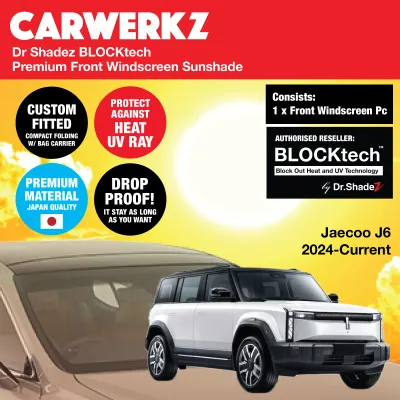
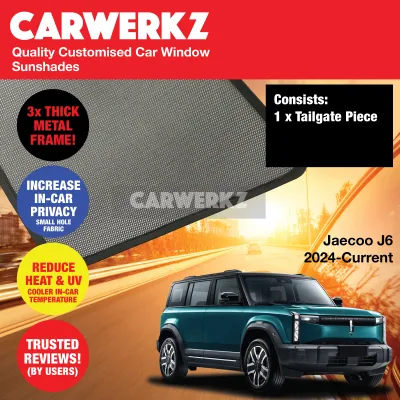
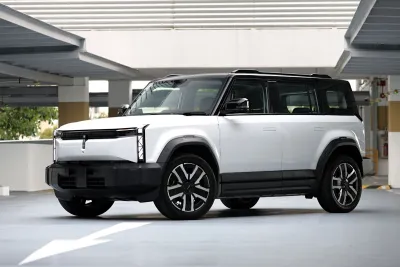
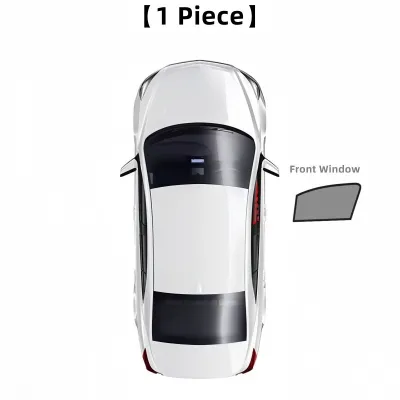
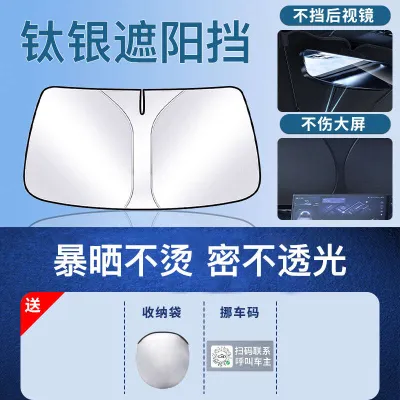
Prices are valid at publication and may change. Please refer to the product page for the latest price.
Pay close attention to the central rearview mirror assembly. The Jaecoo J6 is equipped with advanced driver assistance systems (ADAS) that house cameras and sensors directly behind the rearview mirror. Your measurements must include the depth and width of this sensor housing to ensure the sun shade has a dedicated cutout or a flexible split design. This prevents the shade from putting physical pressure on the camera housing or blocking the ventilation paths designed to keep these sensors cool.
Comparing Sun Shade Styles for Your Driving Routine
Choosing the right sun shade style depends heavily on your daily parking habits, storage preferences, and budget. Custom-fit shades are engineered specifically for the J6’s exact windshield dimensions. These shades feature a rigid or semi-rigid core that matches the precise contours of the glass, providing edge-to-edge coverage with virtually no light leaks. While they offer the most effective thermal barrier, they tend to carry a higher price tag and require more storage space when folded, often needing to be placed in the rear seat or boot.

Foldable accordion-style shades offer a practical middle ground. Typically constructed from reflective foil-faced bubble material or multi-layered fabric, these shades fold down quickly along pre-creased lines. They are highly accessible and easy to store, but because they are often sold in semi-universal sizes, you may need to manually adjust the sun visors downward to hold them securely in place. This can occasionally leave small gaps near the A-pillars where heat can still penetrate the cabin.
Umbrella-style sun shades have gained popularity due to their rapid deployment and compact storage, resembling a standard collapsible umbrella. You simply open the frame inside the cabin and press it against the windshield. However, the rigid metal ribs and tensioned tips of these shades present a distinct risk of scratching the soft-touch dashboard, the digital instrument cluster, or the large central infotainment screen of the Jaecoo J6. If you choose this style, look for models with protective rubberized tips and a flexible, bendable shaft that can be angled away from sensitive console surfaces.
Verifying the Fit and Preventing Light Leaks
Once you have selected a sun shade, a thorough physical inspection is necessary to ensure optimal performance. Park your vehicle in a well-lit area and install the shade as instructed. Step outside and look through the glass to check for any visible light gaps around the perimeter. Even small gaps near the A-pillars or around the rearview mirror can allow concentrated beams of sunlight to enter, significantly reducing the shade’s overall thermal efficiency.
Inside the cabin, verify that the shade rests naturally against the glass without applying excessive force to the interior trim, the headliner, or the rearview mirror mount. A shade that is too large will bunch up, putting pressure on the delicate plastic covers of the ADAS camera housing. Additionally, ensure that the installation process does not disturb the positioning of the rearview mirror or any aftermarket accessories, such as dash cameras mounted on the windshield.
Thermal management is another critical factor to monitor. High-quality sun shades reflect solar radiation outward, but they can also trap heat in the narrow air gap between the shade and the glass. Ensure that the shade does not completely seal off the ADAS sensor housing, as excessive heat buildup in this confined space can trigger thermal protection shut-offs in your vehicle’s safety cameras or shorten the lifespan of the electronic components.
Purchasing and Compatibility Checklist
Before finalizing your purchase on any online marketplace or specialty automotive site, double-check that the product listing explicitly matches the Jaecoo J6 and its specific model year. Because vehicle designs can undergo subtle mid-cycle updates, relying solely on generic model names can lead to receiving a shade that does not align with your windshield’s physical layout.
Be cautious of products marketed with broad “universal fit” labels. While a universal medium or large shade might physically fit within the cabin, it will rarely accommodate the specific clearance required for the J6’s prominent sensor housing and upright glass angle. Always cross-reference the manufacturer’s listed dimensions against the manual measurements you took of your windshield.
Finally, review the seller’s return policy and warranty terms. Since minor manufacturing variances can affect how a shade sits against the glass, having the option to exchange or return the product ensures you are not left with an ill-fitting accessory. Opt for sellers who offer hassle-free returns if the physical fit does not meet your expectations upon delivery.
Frequently Asked Questions (FAQ)
Can I use a universal sun shade for the Jaecoo J6?
While you can physically place a universal sun shade in the windshield of the Jaecoo J6, it is rarely the most effective option. Universal shades are designed to fit a wide range of vehicle profiles, meaning they often lack the precise rectangular shape and the deep cutout needed for the J6’s central ADAS sensor housing. This mismatch typically results in large light gaps at the corners or excessive pressure on the rearview mirror assembly. If you must use a universal shade, carefully measure your windshield beforehand and select a size that closely matches the height and width, keeping in mind that you may need to fold or overlap the edges to make it fit.
Will a sun shade damage the dashboard or ADAS sensors?
An improperly selected or carelessly installed sun shade can indeed cause damage to your vehicle’s interior. Rigid metal components, such as the exposed ribs of low-quality umbrella-style shades, can easily scratch the dashboard leather, the digital displays, or the plastic trim during deployment. Furthermore, if a shade presses tightly against the ADAS camera housing behind the rearview mirror, it can misalign the sensors or trap extreme heat, potentially leading to system errors. To prevent this, choose shades with soft, fabric-covered edges and ensure there is adequate clearance around all electronic housings.
Do I need to buy custom-fit shades for the side windows too?
Whether you need side window shades depends on your typical parking environment and passenger needs. While a front windshield shade blocks the primary source of solar heat entry, significant warmth still penetrates through the side glass, especially during long periods of parking in open areas. If you frequently carry passengers in the rear or want to maximize cabin heat reduction, custom-fit magnetic side shades offer excellent coverage. Alternatively, high-quality solar control window films or retractable side curtains can provide continuous heat rejection while driving, complementing the protection offered by your front windshield shade.
Community discussion
Share your experience or ask a question. Comments are reviewed before publication.