
Finding a safe, reliable motorcycle helmet under S$100 in Singapore is entirely possible, but it requires a careful, safety-first approach. While premium helmets often feature advanced carbon fiber composites and integrated communication systems, a tight budget does not mean you have to compromise on basic head protection. By focusing on verified safety certifications, understanding the trade-offs of entry-level materials, and purchasing through reputable local channels, you can secure a helmet that protects your life without breaking the bank. This guide outlines how to navigate the budget helmet market in Singapore, ensuring you make an informed, legally compliant, and safe decision.
Setting Realistic Expectations for a S$100 Helmet Budget
When shopping with a budget of S$100, managing your expectations regarding materials and helmet types is crucial. At this price point, you will primarily find helmets constructed with injection-molded polycarbonate shells. While polycarbonate is heavier than fiberglass or carbon fiber composites, it is a highly durable material capable of dispersing impact forces effectively when paired with a quality internal liner.
In Singapore’s hot and humid climate, the choice between helmet types often comes down to open-face (three-quarter) and full-face designs. Open-face helmets are highly popular locally due to their superior ventilation and lower price point, often fitting comfortably under the S$100 threshold. Full-face helmets offer significantly better chin and facial protection, but finding a reputable, certified full-face model under S$100 can be more challenging, though not impossible during authorized clearance sales or promotional periods.
Products mentioned in this guide
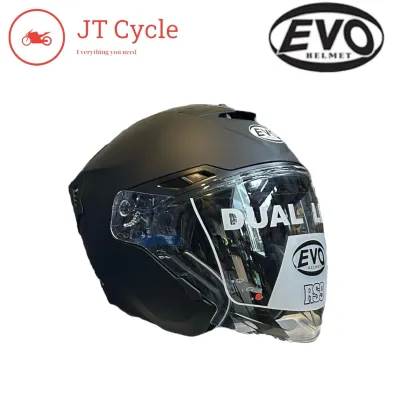
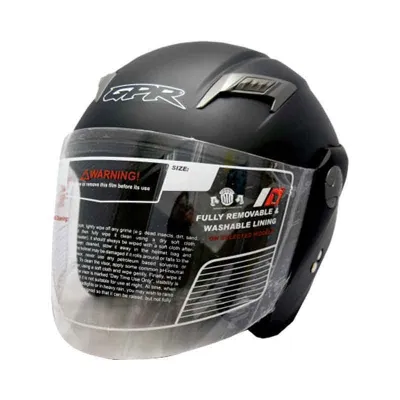
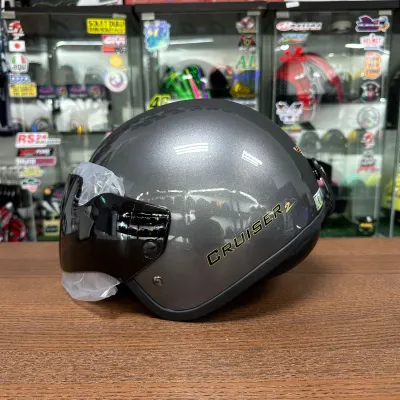
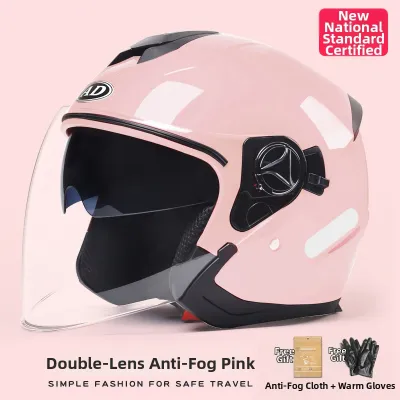
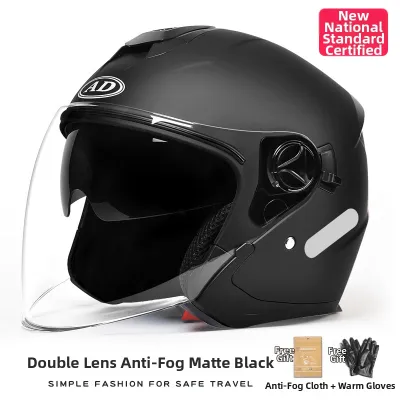
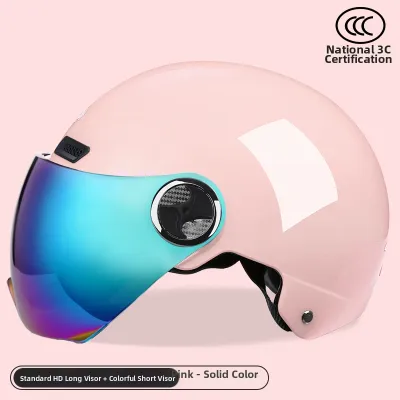
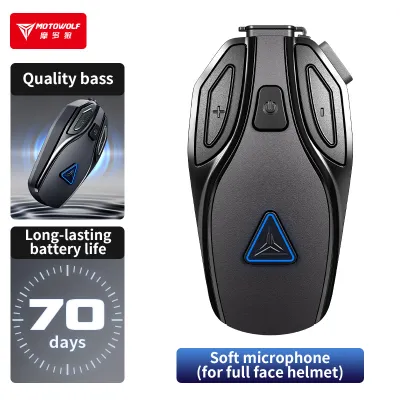
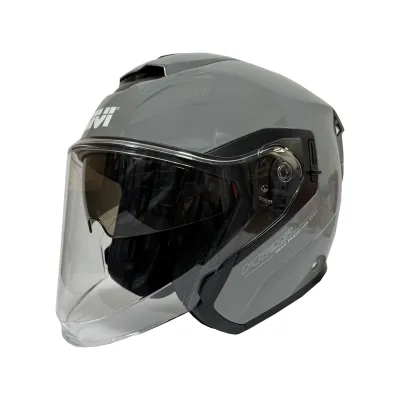
Prices are valid at publication and may change. Please refer to the product page for the latest price.
You must remain highly vigilant against suspiciously cheap, unbranded helmets sold on online marketplaces. These products often mimic the aesthetic designs of premium racing helmets but lack the structural integrity required to survive an accident. Saving a few dollars on an uncertified helmet is a high-risk gamble that can result in catastrophic failure during an impact, as these substandard shells often crack easily or lack adequate shock-absorbing liners.
Verifying Mandatory Safety Certifications
The most critical step in purchasing any motorcycle helmet is verifying its safety certifications. In Singapore, helmets used on public roads must comply with strict safety standards enforced by local traffic authorities. Legitimate helmets will feature physical proof of testing, which you must inspect closely before making a purchase.

Look for a physical certification label or sticker on the exterior of the helmet, typically at the lower rear section of the shell. Additionally, reputable manufacturers sew certification tags directly onto the chin strap and stamp manufacturing details, including the production date, onto the internal EPS (expanded polystyrene) liner beneath the comfort padding.
Several international safety standards are widely recognized for their rigorous testing protocols. The United Nations Economic Commission for Europe (UN ECE) standards, specifically ECE 22.05 and the newer, more stringent ECE 22.06, are highly regarded and widely accepted. Other major standards include the Department of Transportation (DOT) standard from the United States, the Japanese Industrial Standards (JIS), and the Snell Memorial Foundation (SNELL) certification. You should always cross-check these standards with the latest guidelines from Singapore’s Land Transport Authority (LTA) to ensure full legal compliance on local roads.
Be alert to red flags that indicate a counterfeit or non-compliant helmet. Easily peeling stickers, spelling errors on safety labels, or the complete absence of a batch testing number are clear warning signs. If a seller claims a helmet is certified but cannot show you the physical label or provide official documentation, you should walk away immediately.
Evaluating Features and Trade-Offs in Budget Helmets
To stay under the S$100 limit, manufacturers must prioritize essential safety components over luxury convenience features. Your primary focus should always be on the core protective elements of the helmet. This includes a robust retention system, such as a classic double D-ring setup or a high-quality micro-metric quick-release buckle, both of which keep the helmet securely anchored during an impact.
The internal EPS liner is another non-negotiable safety feature. This dense foam layer absorbs the energy of an impact, and it should cover the entire crown, sides, and rear of the helmet. When evaluating budget options, accept that you will have to make compromises on secondary features. For instance, budget helmets often feature basic, non-adjustable ventilation ports that may not flow air as efficiently as premium models, which is a noticeable trade-off in Singapore’s tropical weather.
Other common compromises include non-removable comfort liners, which make washing the interior more difficult, and standard clear visors that lack advanced anti-fog coatings. In Singapore’s sudden downpours, a fogged visor can quickly become a safety hazard, so you may need to budget separately for an aftermarket anti-fog insert if the visor is compatible. Additionally, polycarbonate helmets are inherently heavier than their composite counterparts, so check the weight label (usually printed in grams on the rear) to ensure it will not cause neck strain during longer commutes.
Navigating Purchase Channels and Avoiding Counterfeits
Where you buy your helmet is just as important as what helmet you buy. To ensure you are getting a genuine, certified product, prioritize physical motorcycle gear shops located in established automotive hubs across Singapore. Visiting a physical store allows you to inspect the build quality firsthand and receive guidance from experienced staff.
If you prefer the convenience of online shopping, stick to official brand stores or verified mall sellers on reputable e-commerce platforms. Avoid third-party sellers with no track record or those offering prices that seem too good to be true. When shopping online, verify the seller’s authenticity by checking for official distributor badges, reading critical customer reviews, and asking the seller directly for proof of local safety compliance.
Under no circumstances should you purchase a second-hand motorcycle helmet. Even if a used helmet looks pristine on the outside, it is impossible to visually verify the integrity of the internal EPS liner. The foam liner is designed to compress and absorb shock only once; even a minor drop onto a hard surface can compromise its protective capabilities permanently. Furthermore, sweat, hair oils, and environmental exposure degrade the internal materials over time, making a used helmet both unhygienic and unsafe.
Ensuring Proper Fit and Conducting Pre-Ride Inspections
A helmet can only protect you if it fits correctly. Before finalizing your purchase, perform a comprehensive fit test. The helmet should feel snug around your entire head, with even pressure on your cheeks and forehead, but without causing any painful hot spots.
To test the fit, fasten the chin strap securely and try to gently rotate the helmet from side to side and up and down; your skin and scalp should move with the helmet. Next, tilt your head forward and try to roll the helmet off from the back; if it slips off or shifts significantly, the helmet is too large or the shape is incompatible with your head.
Before your first ride, conduct a thorough physical inspection of the helmet. Ensure the visor operates smoothly and locks securely into place, check that the chin strap stitching is intact and free of frays, and inspect the outer shell for any hairline cracks or manufacturing defects. Be wary of helmets that emit a strong, toxic chemical odor, as this can indicate the use of substandard plastics or adhesives that may irritate your skin or degrade the shell.
When purchasing online or in-store, clarify the retailer’s return policy beforehand. Keep all tags, protective visor films, and original packaging intact while you test the fit indoors. Once you remove these items or ride with the helmet on the road, most retailers will not accept returns or exchanges.
Frequently Asked Questions (FAQ)
Can I legally ride in Singapore with a DOT-certified helmet?
To legally ride on Singapore roads, your helmet must meet the standards approved by local traffic authorities, such as the Land Transport Authority (LTA) and the Traffic Police. While the DOT standard is highly respected globally, local regulations typically require helmets to bear specific local certification marks (such as the PSB test label) or comply with recognized international standards like UN ECE 22.05 or 22.06. Always verify the latest approved list of certifications with local authorities before riding to avoid fines or safety compromises.
How often should I replace a budget motorcycle helmet?
As a general rule, helmet manufacturers recommend replacing your helmet every five years from the date of manufacture, or three years from the date of purchase, whichever comes first. Over time, exposure to UV rays, sweat, humidity, and hair products degrades both the outer polycarbonate shell and the inner EPS liner. Crucially, you must replace your helmet immediately after any accident, drop, or significant impact, even if there is no visible damage on the exterior.
Community discussion
Share your experience or ask a question. Comments are reviewed before publication.