
Finding a safe, compliant motorcycle helmet under S$100 in Singapore is entirely possible, but it requires a disciplined approach to safety standards and budget allocation. As a new rider, your primary focus must be on securing a helmet that is legally approved for use on Singapore roads and capable of protecting your head in an impact. While premium helmets offer advanced lightweight materials and high-end aerodynamics, entry-level helmets under S$100 can provide excellent protection if you know how to verify their certifications and prioritize essential features. This guide will walk you through the process of selecting a budget-friendly helmet that does not compromise on your safety.
Setting Realistic Expectations for a S$100 Helmet Budget
When working with a strict budget of S$100, you must understand exactly what this price point can realistically deliver. At this level, you are looking at reliable, entry-level helmets typically constructed from thermoplastic or ABS materials. These materials are heavier than fiberglass or carbon fiber, but they are highly effective at absorbing impacts when paired with a quality expanded polystyrene (EPS) liner. Your entire budget should be directed toward the core protective components of the helmet—the shell, the liner, and the retention system—rather than aesthetic add-ons or complex mechanical features.
It is also crucial to account for hidden costs that can quickly push your total expenditure past the S$100 mark. When purchasing online or even from local physical shops, factor in potential costs such as delivery fees, local taxes, or the eventual need for a replacement visor. If you spend S$95 on a helmet but have to pay an additional S$15 for shipping, you have exceeded your budget. Therefore, always verify the total checkout cost, including any applicable taxes, before finalizing your purchase.
Products mentioned in this guide
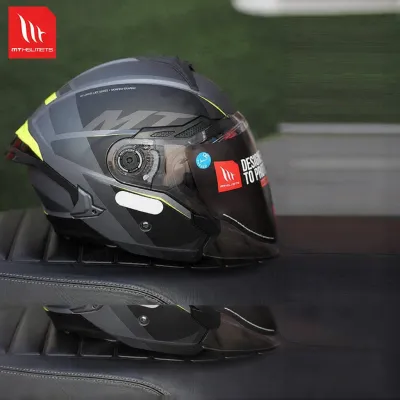
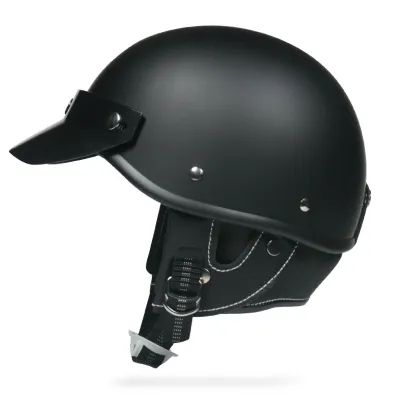
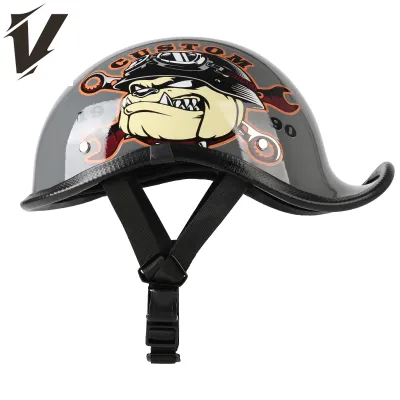
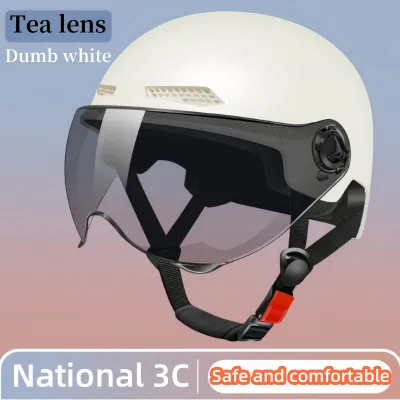
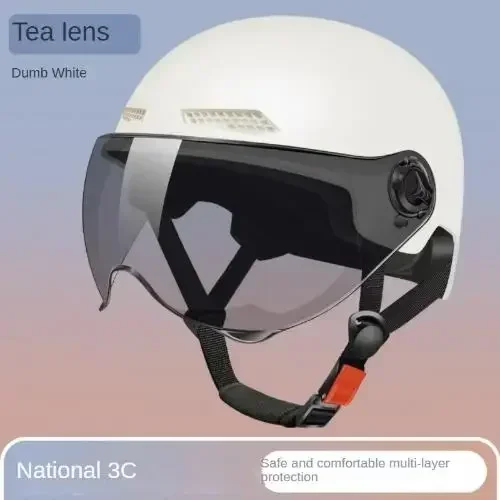
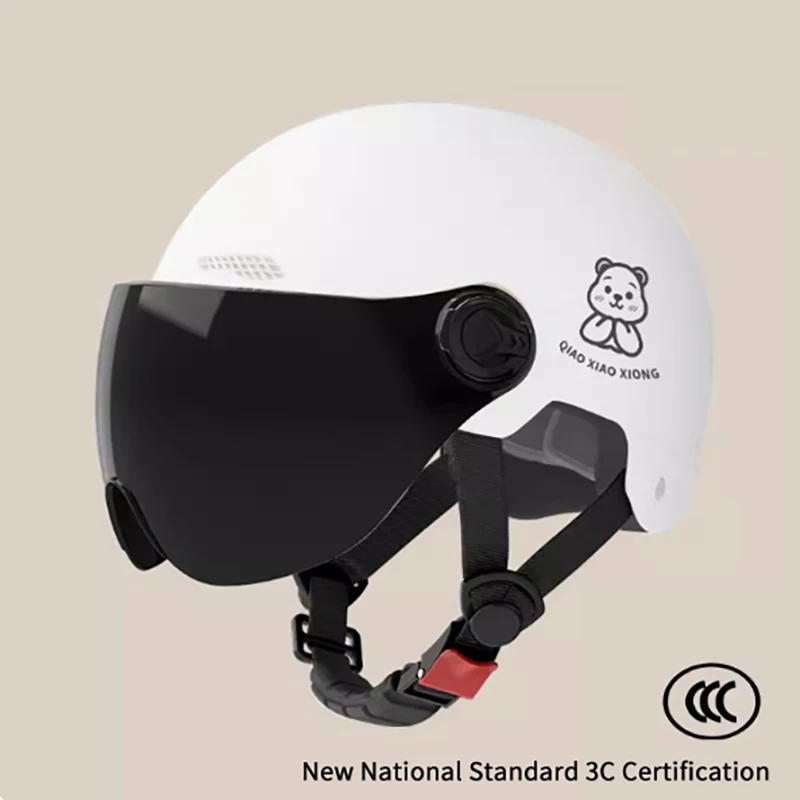
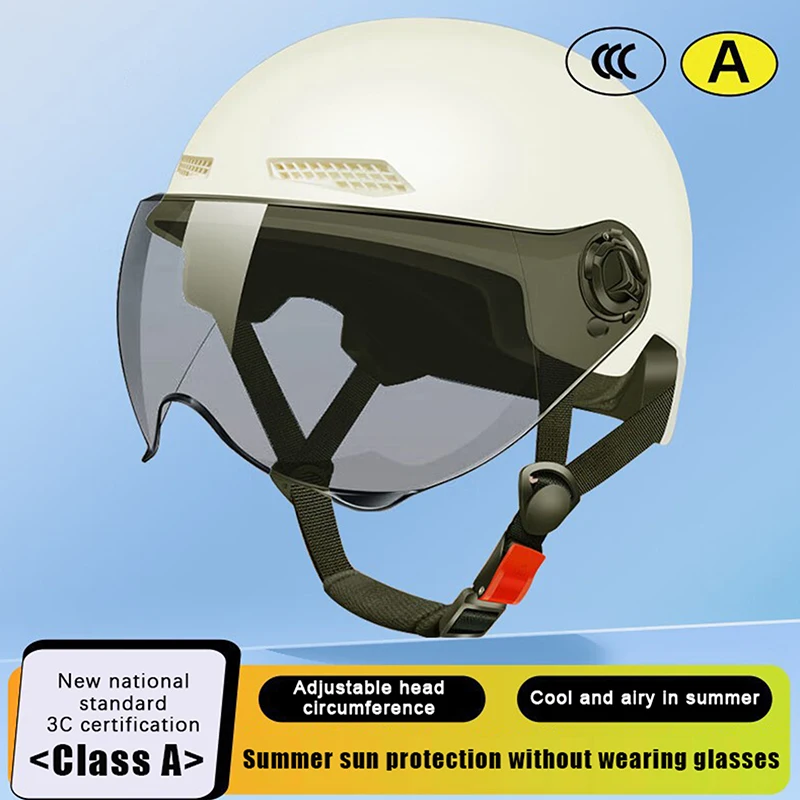
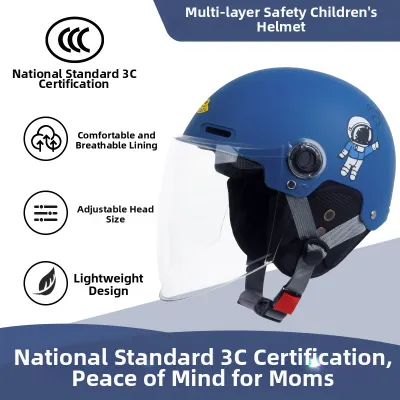
Prices are valid at publication and may change. Please refer to the product page for the latest price.
Additionally, prioritize sellers that offer clear return policies and warranty conditions. A helmet that does not fit correctly is unsafe to wear, regardless of how cheap it was. If you buy a helmet online to save a few dollars but cannot return it for a different size without paying hefty return shipping fees, your budget strategy has failed. Allocating your full S$100 to a certified, well-fitting, basic helmet from a reputable source is infinitely better than buying an uncertified, flashy helmet and spending the remainder on cosmetic accessories like tinted visors or decorative decals.
How to Verify Safety Standards and Compliance Labels
In Singapore, riding with a non-compliant helmet is not only dangerous but also illegal. The Land Transport Authority mandates that all motorcycle helmets used on public roads must comply with recognized safety standards. Historically, this has been indicated by the PSB test sticker issued by TÜV SÜD PSB. To ensure your budget helmet is fully compliant, you must know how to physically and digitally verify these safety credentials before you ride.

Never rely solely on online product descriptions or claims made by sellers on e-commerce platforms. Instead, inspect the helmet physically or request clear photos of the actual labels. A compliant helmet will feature a permanent, non-peelable certification label. This label is typically located on the back of the helmet shell or sewn directly onto the retention strap or the inner comfort liner. For local compliance, look for the official TÜV SÜD PSB sticker. If you are looking at helmets certified under international standards recognized by local authorities, such as the United Nations Economic Commission for Europe standard ECE 22.05 or ECE 22.06, ensure the label is permanently affixed and clearly legible.
To protect yourself from counterfeit safety labels, you can cross-reference the certification details. Authentic helmets will display a specific model number, batch number, and manufacturer identification on the certification tag. You can verify these details by visiting the official testing body databases or the manufacturer’s official website. If a seller is offering a helmet that only displays a generic “tested” sticker, lacks clear manufacturer branding, or has a missing or obscured model number, treat it as a major red flag and avoid the purchase entirely. A genuine safety certification is your only guarantee that the helmet has undergone rigorous impact and penetration testing.
Prioritizing Essential Features Over Nice-to-Haves
When shopping for a helmet under S$100, you must make deliberate choices about which features are non-negotiable and which ones you can comfortably compromise on. The most critical non-negotiable feature is a secure retention system. The chin strap must feature a reliable fastening mechanism, such as a double D-ring system or a high-quality micrometric buckle, to ensure the helmet remains securely on your head during an accident. Additionally, a clear, scratch-resistant visor is essential. The visor must offer an undistorted, wide field of vision so you can clearly see road hazards, traffic signals, and other motorists in all weather conditions.
To stay within your budget, you must accept certain practical compromises that do not affect the helmet’s structural safety. For instance, budget helmets are generally heavier because they use injection-molded plastic shells rather than lightweight composite fibers. While a heavier helmet may cause slight neck fatigue on very long rides, it still provides excellent impact protection. You should also expect simpler ventilation systems with fewer adjustable vents, as well as basic, non-removable interior padding. While removable padding makes cleaning easier, basic fixed padding is perfectly safe as long as the helmet fits snugly.
Conversely, there are several features you should actively avoid in the sub-S$100 price range. Avoid helmets that boast integrated Bluetooth communication systems, drop-down internal sun visors, or complex modular mechanisms. At this price point, incorporating these complex features means the manufacturer had to cut corners on the quality of the shell or the EPS liner to keep costs down. Furthermore, cheap modular mechanisms introduce additional moving parts that can fail during an impact, compromising the structural integrity of the helmet. Stick to a simple, well-constructed full-face or open-face helmet to maximize your safety per dollar.
Where to Buy Safely and How to Spot Counterfeits
Sourcing your motorcycle helmet from the right channel is just as important as choosing the right model. The safest option for new riders in Singapore is to purchase from authorized local physical retailers. Visiting a physical store allows you to try on different sizes, ensure a proper fit, and physically inspect the safety labels before handing over your money. Many established local motorcycle gear shops carry reputable, budget-friendly brands that are fully certified and road-legal in Singapore.
If you choose to buy online, stick to official brand stores or authorized distributors on major e-commerce platforms. Avoid unauthorized third-party sellers, especially those offering popular helmet models at prices that seem too good to be true. Counterfeit helmets are a significant hazard; they often look identical to genuine models on the outside but lack the dense EPS liner required to absorb impact forces, essentially offering no protection in a crash. Red flags of counterfeit gear include unusually low prices, missing original packaging, lack of a user manual, and sellers who cannot or will not provide verifiable proof of safety certification.
Finally, you should strongly avoid purchasing second-hand helmets, even if they are premium brands being sold for under S$100. A helmet is designed to protect your head through a single major impact. Once a helmet has been involved in an accident, or even dropped onto a hard surface from a significant height, the internal EPS liner compresses to absorb the energy. This damage is often completely invisible from the outside, but it renders the helmet useless for future protection. Additionally, the materials in a helmet degrade over time due to sweat, hair oils, and UV exposure, meaning a used helmet may have a severely compromised lifespan and structural integrity.
Frequently Asked Questions (FAQ)
Can I legally ride in Singapore with a helmet bought overseas?
Yes, but only if the helmet meets the specific safety standards recognized by the Land Transport Authority. In Singapore, helmets must comply with local standards or recognized international standards like ECE 22.05 or ECE 22.06. If you import a helmet or buy one from an overseas online retailer, it must still bear the appropriate, permanent certification markings to prove compliance. Riding with a helmet that lacks these approved markings can result in fines and penalties, so it is always safest to verify local compliance before importing gear.
How often should I replace a budget motorcycle helmet?
As a general rule, helmet manufacturers recommend replacing your helmet every three to five years of regular use, or five to seven years from its date of manufacture, whichever comes first. Over time, the protective materials—especially the EPS liner and the outer shell—degrade due to exposure to sunlight, heat, humidity, and sweat. More importantly, you must replace your helmet immediately after any crash, drop, or significant impact. Even if there is no visible damage to the outer shell, the internal protective liner may be compromised and will not protect you in a subsequent impact.
Community discussion
Share your experience or ask a question. Comments are reviewed before publication.