
Selecting the best car side mirror protector depends entirely on your specific driving environment, parking habits, and protection priorities. There is no single universal solution. Instead, three distinct options—protective films, hard covers, and visors—each serve a unique purpose, ranging from invisible scratch prevention to physical impact buffering and wet-weather visibility.
In a dense urban environment like Singapore, where tight multi-storey car parks and sudden tropical downpours are daily realities, choosing the wrong accessory can lead to mechanical strain on power-folding mirrors or obscured vision. Understanding the physical properties and limitations of each material is essential to protecting your vehicle’s exterior without compromising its safety systems or aerodynamics.
Quick Answer: Which Mirror Protector Fits Your Driving Needs?
To make an immediate decision, match your primary driving concern to the specific design of the accessory. If your goal is to preserve the factory paint and keep the mirror glass free from micro-scratches without altering your car’s original styling, a high-quality protective film is the ideal choice. It offers an invisible, sacrificial layer that defends against road debris and hard water spots.
Products mentioned in this guide
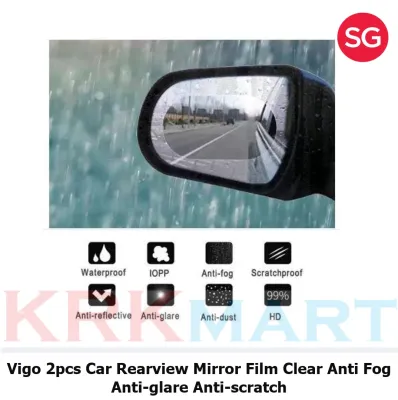

![[Ready Stock]2pc Car Rearview Mirror Rainproof Film Auto Side Window Anti-fog Waterproof Protective Film Car Rearview Mirror Protective Film](https://img.lazcdn.com/g/p/ef602af03f7336a4e94ead19d02d8efa.jpg_400x400q80.jpg_.webp)
Prices are valid at publication and may change. Please refer to the product page for the latest price.
If you frequently navigate tight parking spaces, narrow residential lanes, or shared garages where physical scrapes against concrete pillars are a constant threat, a hard cover (or shell) is the most effective option. These rigid caps absorb the force of minor lateral impacts, protecting the expensive painted housing underneath from cracking or scuffing.
If your primary frustration is poor visibility during heavy rainstorms or blinding glare from the sun, a side mirror visor (also known as a rain guard or eyebrow) is the most suitable accessory. These small deflectors block overhead rain and sunlight, keeping the upper portion of the glass dry and clear.
Before making any purchase, however, you must verify your vehicle’s specific mirror housing shape, clearances, and whether your car features power-folding mirrors. Added thickness or poor alignment can cause mechanical interference, leading to costly repairs.
Film, Hard Cover, or Visor: Understanding the Basics
To choose the right car side mirror protector, you must first understand what these accessories are made of and how they attach to your vehicle. Each type uses distinct materials designed for specific environmental challenges.

Protective Film: These are typically manufactured from Thermoplastic Polyurethane (TPU) or Polyethylene Terephthalate (PET). TPU is highly regarded in the automotive industry for its flexibility, durability, and self-healing properties, which allow minor surface scratches to disappear under gentle heat. These films are applied directly to either the reflective mirror glass (to prevent water spots and glare) or the painted outer housing (to act as a clear bra). They function as a thin, transparent, and completely form-fitting sacrificial layer that preserves the underlying surface.
Hard Cover (Shell): These are rigid, pre-molded caps designed to fit over the existing plastic or painted mirror housing. They are commonly constructed from Acrylonitrile Butadiene Styrene (ABS) plastic, polycarbonate, or lightweight carbon fiber composites. ABS plastic is highly impact-resistant and can be painted or finished in various styles, such as gloss black or a carbon fiber pattern. These covers typically attach using high-strength automotive double-sided tape or by snapping directly onto the existing housing tabs, providing a robust physical shield.
Visor (Rain Guard/Eyebrow): These are narrow, curved strips made of semi-rigid acrylic, polycarbonate, or flexible PVC plastic. They are designed to mount along the upper inside edge of the side mirror housing. By extending slightly outward over the glass, they act as a miniature awning or roof. Visors are generally tinted or smoked to reduce sun glare and are attached using a strip of pre-applied automotive adhesive tape, making them a simple and cost-effective physical barrier.
Protection Performance: Scratches, Impacts, and Weather
Evaluating how each protector performs under different conditions is key to selecting the right product. Depending on whether you face abrasive highway debris, tight parking structures, or intense tropical rain, one material will clearly outperform the others in safeguarding your mirrors.
Scratch and Scuff Defense
When it comes to defending against micro-abrasions, road grit, and the harsh brushes of automated car washes, protective film is the superior option. Because TPU film is applied directly to the surface, it absorbs the friction of flying sand and debris, preventing the underlying paint or glass from suffering permanent swirl marks. High-quality TPU films feature a self-healing top coat, meaning minor scratches contract and disappear when exposed to warm water or sunlight.
Hard covers offer excellent protection for the outer paint of the mirror housing, but they do not protect the mirror glass itself. A hard cover will bear the brunt of scuffs from overgrown roadside hedges or accidental rubs against concrete pillars in tight parking structures. If the cover becomes heavily scratched, it can be polished, repainted, or replaced far more cheaply than the original factory mirror assembly.
Visors provide almost no scratch or scuff protection for the mirror housing or the glass. Because they only cover a small portion of the upper rim, the rest of the mirror remains completely exposed to flying stones, road grit, and environmental contaminants. Their utility is strictly limited to deflecting falling debris rather than resisting abrasive wear.
Impact and Collision Buffering
For absorbing physical shocks and preventing structural damage, hard covers are the only viable solution among the three. The rigid construction of ABS plastic or carbon fiber acts as a sacrificial crumple zone. If you accidentally clip a pillar while parking, the hard cover distributes the impact force across its surface, often saving the delicate internal motor and plastic clips of the factory mirror housing from cracking.
Protective film offers no structural defense against impacts. While a thick polyurethane film can prevent paint from chipping during a minor scrape, it lacks the structural rigidity to absorb energy or prevent the underlying plastic housing from cracking. However, if applied to the mirror glass, a strong adhesive film can help hold shattered glass fragments together in the event of a severe impact, reducing the risk of flying shards.
Visors are highly fragile and offer zero collision protection. Made of thin acrylic or flexible PVC, a visor will easily crack, snap, or shear off if it makes contact with an external object. In fact, an impact can force the broken pieces of a rigid acrylic visor against the mirror glass, potentially scratching or cracking the reflective surface.
Rain Deflection and Visibility
In heavy downpours, maintaining clear side-view visibility is a major safety concern. Side mirror visors excel at physically blocking rain falling from directly above, keeping the upper half of the mirror glass dry. This allows for a clearer view of adjacent lanes during slow-moving traffic or when parking in the rain. However, their effectiveness drops significantly at highway speeds, where wind turbulence blows rainwater horizontally and spray from other vehicles coats the glass from all angles.
Hydrophobic protective films solve the problem of wind-blown water by chemically altering how moisture interacts with the mirror glass. These films cause water to bead up instantly and roll off the surface, driven by the airflow around the vehicle. This prevents the formation of a continuous sheet of water that distorts reflections. To ensure safety, you must choose high-quality optical-grade films; low-quality alternatives can cause light refraction, creating distracting halos from headlights at night.
Hard covers do not improve wet-weather visibility and, if poorly designed, can actually worsen it. Some bulky aftermarket covers alter the aerodynamic profile of the mirror assembly, creating turbulent air pockets that trap water droplets on the glass. Furthermore, if a hard cover is not sealed properly, water can seep underneath and pool against the original housing, leading to mold growth or electrical issues if the mirror has integrated electronics.
Installation, Fitment, and Vehicle Compatibility
Before purchasing any car side mirror protector, you must consider the practical aspects of installation and how the accessory interacts with your vehicle’s existing features. Singapore’s unique climate and modern automotive technologies introduce specific compatibility challenges that must not be overlooked.
Adhesive and Climate Factors: Singapore’s hot and highly humid tropical climate poses a severe challenge to adhesive longevity. Constant exposure to intense sunlight, high ambient temperatures, and sudden heavy rain can cause standard adhesives to degrade rapidly, leading to peeling films or flying visors on the expressway. When selecting hard covers or visors, always verify that the product uses high-quality, automotive-grade double-sided acrylic foam tape, such as 3M VHB. Before application, the mirror surface must be thoroughly cleaned with an alcohol-based degreaser and completely dried; any remaining moisture or wax residue will compromise the bond and cause the accessory to detach prematurely.
Power-Folding Mirrors: Many modern vehicles are equipped with power-folding side mirrors that automatically retract when the car is locked. Adding a hard cover increases the physical outer dimensions and thickness of the mirror housing. You must carefully inspect the clearance between the mirror housing and the car’s window trim or door frame when the mirrors are fully folded. If the cover is too thick or poorly aligned, it can rub against the vehicle body, creating friction that strains the folding motor, potentially causing it to jam, grind, or burn out over time.
Heated Mirrors: If your vehicle features heated side mirrors to clear condensation, you must exercise caution when applying protective films. Applying a thick, low-quality, or non-automotive grade film over the mirror glass can trap heat unevenly. This thermal stress can cause the film to bubble, peel, or melt, and in extreme cases, it may damage the heating elements behind the glass. Always check the film manufacturer’s specifications to ensure it is rated for use on heated mirror systems and can withstand repeated thermal cycles.
Installation Skill: The difficulty of installation varies greatly between these three accessories. Applying protective film requires the highest level of patience and precision, often utilizing a wet-installation method with a slip solution and a squeegee to slide the film into place and remove air bubbles. Hard covers and visors, on the other hand, are generally straightforward peel-and-stick installations. However, they require precise alignment on the first attempt, as the high-strength adhesive tape cannot be easily repositioned once it makes contact with the vehicle surface.
Decision Framework: How to Choose the Right Protector
To help you make the correct investment for your vehicle, use the following structured decision framework. By identifying your primary driving environment and protection goals, you can easily select the accessory that matches your lifestyle.
Choose Film if:
- Your primary goal is to maintain the pristine, factory-original appearance of your vehicle without adding physical bulk or altering its lines.
- You want to protect the mirror glass from hard water spots, etching, and micro-scratches caused by road debris or car washes.
- Your car features complex aerodynamic shapes or tight clearances that cannot accommodate bulky plastic accessories.
Choose a Hard Cover if:
- You frequently park in tight multi-storey car parks, narrow parallel spaces, or areas with dense roadside foliage where physical scrapes are common.
- You want to customize the look of your vehicle by adding a sporty carbon fiber or gloss black accent to the exterior.
- You are willing to carefully measure and verify that the added thickness will not interfere with your vehicle's power-folding mechanism.
Choose a Visor if:
- Your main driving frustration is rain pooling on the side mirrors during heavy tropical downpours, obscuring your view of adjacent lanes.
- You are looking for a simple, low-cost, and highly functional physical barrier to block overhead sunlight and reduce glare.
- You drive primarily at moderate city speeds where aerodynamic drag and high-speed wind turbulence are not major concerns.
Neither may fit if:
- Your vehicle's side mirrors feature integrated advanced driver assistance systems (ADAS), such as blind-spot monitoring cameras, radar sensors, or turn signal repeater lights built into the outer edges of the housing. Covering these areas with an opaque hard cover or an improperly aligned visor can block the sensors' field of view, causing system errors or safety hazards. Always cross-reference the product's compatibility list with your exact vehicle make, model, and year before purchasing.
Maintenance and Longevity in Tropical Climates
Proper maintenance is essential to ensure your side mirror protectors remain securely attached and function effectively over their lifespan. In tropical climates, regular care prevents environmental factors from degrading the materials or damaging your vehicle’s original paint.
Cleaning: When washing your vehicle, always use a mild, pH-neutral automotive shampoo and a clean microfiber wash mitt. Avoid using harsh chemical solvents, degreasers, or abrasive sponges, as these can degrade the adhesive backing of visors and hard covers or scratch the surface of protective films. When using a high-pressure washer, keep the spray nozzle at least 30 centimeters away from the mirrors. Directing a high-pressure water stream at the edges of a protective film or the adhesive seams of a cover can force water underneath, causing the adhesive to lift and fail.
Inspection: Make it a habit to periodically inspect the edges of your hard covers and visors. Look for any signs of lifting tape or gaps forming between the accessory and the mirror housing. In humid climates, these small gaps can trap dirt, road salt, and moisture against the paint. Over time, this trapped moisture can lead to clear coat failure, paint discoloration, or mold growth. If you notice the adhesive tape peeling, it is best to remove the accessory, clean the area thoroughly, and reapply it using fresh automotive-grade tape.
Removal: If you need to remove an adhesive-based protector, do not attempt to pry it off forcefully, as this can tear the paint’s clear coat or crack the plastic housing. Instead, use a hairdryer or a heat gun on a low setting to gently warm the adhesive, softening the bond. Once the adhesive is warm, slowly peel the accessory away at a shallow angle. Use a dedicated, paint-safe automotive adhesive remover to clean off any remaining sticky residue, then wash and wax the area to restore paint protection.
Frequently Asked Questions (FAQ)
Do side mirror protectors interfere with blind-spot monitoring sensors?
Yes, they can if they are not selected and installed carefully. Many modern vehicles integrate blind-spot monitoring (BSM) indicator lights directly into the mirror glass, while others use radar sensors or cameras mounted on the underside or outer edges of the mirror housing. An opaque hard cover that wraps around these areas will block the cameras or radar signals, rendering the safety system inoperable and triggering dashboard warning lights. Similarly, a poorly aligned protective film can distort the view of an integrated camera. Always consult your vehicle’s manual to locate these sensors and ensure any aftermarket protector has the precise cutouts required for your specific car model.
Can I apply rain-repellent liquid instead of using a physical protector?
Yes, liquid glass or ceramic rain-repellent coatings are highly effective alternatives to hydrophobic films for managing water beading on mirror glass. These chemical treatments are invisible, do not alter the physical dimensions of the mirror, and carry zero risk of interfering with power-folding mechanisms or heated glass systems. However, chemical coatings do not provide any physical protection against scratches, stone chips, or structural impacts. Additionally, unlike a physical film or cover, liquid coatings degrade over time due to UV exposure and car washing, requiring periodic reapplication every few months to maintain their performance.
Community discussion
Share your experience or ask a question. Comments are reviewed before publication.