
Selecting the right motorcycle tire is one of the most critical decisions a rider can make, directly impacting safety, handling, and running costs. In Singapore, where daily commutes involve a mix of high-temperature asphalt, sudden tropical downpours, and stop-and-go urban traffic, tire performance is put to a continuous test. The FDR500 Felton has emerged as a notable option for riders seeking a balance between daily utility and cost-effectiveness. However, choosing between this specific model and the vast array of market alternatives requires a systematic comparison of physical specifications, compound characteristics, and individual riding requirements.
To make an informed decision, you must look beyond marketing claims and focus on verifiable technical data. Every tire model is engineered with specific trade-offs in mind, prioritizing either wet-weather water evacuation, long-term tread durability, or high-speed stability. By analyzing how the FDR500 Felton stacks up against standard original equipment manufacturer (OEM) replacements and premium touring alternatives, you can identify the exact tire configuration that matches your motorcycle’s specifications and your personal riding habits.
Understanding the FDR500 Felton and Market Alternatives
The FDR500 Felton is primarily designed for small-to-medium displacement motorcycles, a category that includes underbones (popularly known as “kapcais”), scooters, and standard commuter bikes. These motorcycles form the backbone of daily transport and delivery fleets in Singapore, demanding tires that can withstand high daily mileage while maintaining consistent grip. Before comparing brands, you must identify your motorcycle’s designated tire class by checking the owner’s manual or the existing tire sidewalls to ensure compatibility with the FDR500’s available size range.
Products mentioned in this guide
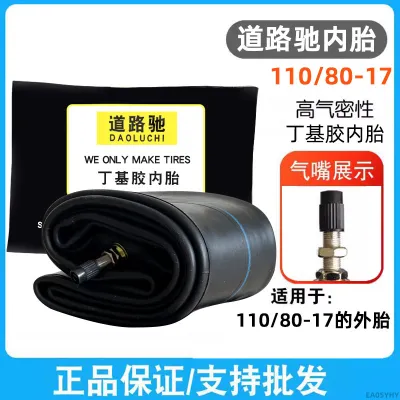
Prices are valid at publication and may change. Please refer to the product page for the latest price.
The market for these motorcycle classes is generally divided into three distinct categories. First are the OEM standard replacements, which are designed to replicate the original handling characteristics and balanced performance specified by the motorcycle manufacturer. Second are premium touring or wet-weather tires, which often feature advanced multi-compound rubber technology designed to maximize grip on wet roads and extend tread life, albeit at a higher price point. Third are budget commuter options, which focus heavily on minimizing initial purchase costs and maximizing tread longevity, sometimes at the expense of wet-weather performance or high-speed refinement.
When evaluating the FDR500 Felton against these alternatives, matching the exact physical dimensions is non-negotiable. You must verify the tire width, aspect ratio, rim diameter, load index, and speed rating against your motorcycle’s official documentation. Installing a tire that does not align with these manufacturer-specified parameters can severely compromise the vehicle’s stability, alter its handling geometry, and potentially invalidate your insurance coverage or road-legality status.
Key Comparison Dimensions for Daily Riding
Comparing motorcycle tires effectively requires moving past subjective reviews and focusing on observable physical characteristics and manufacturer specifications. For daily riders in Singapore, the performance of a tire is determined by how its physical structure interacts with local road conditions. Factors such as ambient temperature, road surface texture, and the frequency of sudden rainstorms mean that a tire’s tread design and rubber compound must be evaluated in tandem.

It is also important to recognize that no tire can perform optimally without proper maintenance. Real-world grip, braking distance, and treadwear are heavily dependent on maintaining the correct inflation pressure, managing the total load carried by the motorcycle, and adapting riding habits to the prevailing weather. When comparing the FDR500 Felton to other brands, you should use a structured framework that isolates tread pattern efficiency from compound durability.
Tread Pattern and Wet Weather Grip
In a tropical climate characterized by sudden, heavy rainstorms, a tire’s ability to disperse water is a primary safety consideration. This capability is determined by the tread pattern, specifically the depth, angle, and distribution of the water evacuation channels, often referred to as grooves or sipes. When examining the FDR500 Felton, observe the direction and density of these grooves; they are designed to channel water away from the contact patch, preventing hydroplaning on wet expressways and surface roads.
In comparison, premium rain-focused tires often utilize highly complex, computer-optimized tread patterns or dual-compound configurations where the center tread is harder for straight-line durability and the shoulders are softer with deeper grooves for cornering grip in the wet. To evaluate these differences objectively, look for official manufacturer specifications regarding wet-grip ratings or standardized testing compliance. Avoid relying on anecdotal claims of superior wet traction, as actual grip levels are highly dependent on road surface materials, the presence of oil residue, and the rider’s inputs.
Rubber Compound and Treadwear
The rubber compound of a motorcycle tire dictates the fundamental trade-off between grip and longevity. Softer rubber compounds conform more easily to the micro-textures of the road surface, providing higher levels of traction during acceleration, cornering, and braking. However, this increased friction causes the rubber to wear down more rapidly, resulting in a shorter overall lifespan. Conversely, harder rubber compounds resist wear much better, offering extended mileage for daily commuters, but they may offer less tactile feedback and lower maximum grip levels, particularly on cold or wet surfaces.
When comparing the FDR500 Felton against other options, consult the manufacturer’s technical data sheets for indications of compound hardness or intended mileage ranges. While passenger car tires use standardized Uniform Tire Quality Grading (UTQG) ratings for treadwear, traction, and temperature, motorcycle tires rely more heavily on proprietary manufacturer classifications and compound descriptions, such as single-compound versus multi-compound (dual-compound) technology. Remember that actual treadwear is highly variable; a tire ridden primarily on hot, abrasive asphalt under heavy loads will wear out significantly faster than the same tire used for light, urban commuting.
Fitment, Safety, and Installation Checks
Before purchasing the FDR500 Felton or any alternative tire, you must perform a comprehensive fitment and safety check. The sidewall of every motorcycle tire contains a standardized code that details its physical dimensions and performance limits—for example, “90/80-17 46S”. In this sequence, “90” represents the nominal width in millimeters, “80” is the aspect ratio (height as a percentage of width), “17” is the rim diameter in inches, “46” is the load index (indicating maximum carrying capacity), and “S” is the speed rating (indicating the maximum safe operating speed). These markings must match your motorcycle’s original specifications exactly.
Mixing different tire brands, models, or construction types on the front and rear wheels is a significant safety hazard and is generally discouraged by manufacturers. For instance, combining a bias-ply tire on one wheel with a radial tire on the other can cause unpredictable handling, chassis instability, and a loss of control at higher speeds. Similarly, mismatched tread patterns can behave differently in wet conditions, leading to an imbalance in water evacuation and traction between the front and rear of the motorcycle.
To ensure your safety and preserve the structural integrity of the tire, always have new tires installed by a qualified professional at a reputable workshop. Professional installation should always include wheel balancing to prevent high-speed vibrations, which can cause uneven treadwear and strain suspension components. Additionally, replacing the rubber valve stems during every tire change is highly recommended, as aged valve stems can degrade, crack, and cause sudden, dangerous pressure loss while riding.
Price, Value, and Local Availability
When budgeting for new motorcycle tires in Singapore, it is helpful to categorize available options into distinct price tiers. Budget-friendly tires, which often include local or regional brands, focus on delivering essential performance and high mileage at a lower initial cost. Mid-range options, where the FDR500 Felton typically positions itself, aim to offer a balanced combination of reliable wet-weather grip, decent tread life, and competitive pricing. Premium tires from globally recognized manufacturers command a higher price, reflecting advanced compound research, specialized tread designs, and higher speed ratings.
To calculate the true cost of ownership, you must look beyond the retail price of the tire itself. A complete tire replacement estimate should factor in professional installation fees, wheel balancing costs, and any applicable charges for the disposal of your old tires. In Singapore, these service fees can vary significantly between neighborhood workshops and larger, authorized service centers.
Furthermore, sourcing your tires from authorized dealers or reputable local workshops is critical for safety and quality assurance. Tires purchased from unverified online marketplaces or parallel importers may have been stored incorrectly—exposed to high heat, humidity, or direct sunlight—which accelerates rubber degradation before the tire is even mounted. Always inspect the tire’s Department of Transportation (DOT) physical date code on the sidewall to ensure you are not purchasing expired or aged stock, as rubber naturally hardens and loses its grip properties over time.
Decision Framework: Which Tire Fits Your Riding Style?
Choosing between the FDR500 Felton and alternative motorcycle tires requires a clear understanding of your daily riding patterns, vehicle specifications, and budget. To simplify this decision, you can use a conditional framework based on your specific operational needs:
- Select the FDR500 Felton if: Your motorcycle matches the exact OEM size, load index, and speed rating of this tire model, and your primary goal is a cost-effective, reliable tire for daily urban commuting and delivery work within standard speed limits.
- Select a premium alternative if: Your daily route involves extensive high-speed expressway riding, or if you require specialized, manufacturer-certified wet-grip compounds and advanced multi-compound technology to handle aggressive cornering or frequent heavy rain.
- Verify your setup first if: Your motorcycle has aftermarket rims, modified suspension, or is regularly fitted with heavy delivery boxes or luggage. These modifications alter the load distribution and clearance space, meaning standard tire fitments may no longer be safe or appropriate.
- Avoid both options if: The tire available for purchase shows visible signs of dry rot, cracking, or has a DOT date code indicating it is several years old. Additionally, never proceed with a purchase if the tire lacks the necessary local safety certifications or does not match the specifications detailed in your motorcycle's owner's manual.
Frequently Asked Questions (FAQ)
How often should I replace my motorcycle tires?
You should replace your motorcycle tires immediately when the tread wears down to the level of the Tread Wear Indicator (TWI) bars, which are small raised bumps located inside the tread grooves. Riding on tires worn past these indicators is highly dangerous, especially on wet roads, as the tire can no longer evacuate water effectively. Additionally, even if a tire has ample tread remaining, the rubber compound naturally degrades and hardens over time due to exposure to heat, ozone, and UV rays. Most manufacturers recommend inspecting tires annually after five years of use and replacing them entirely once they reach ten years from their manufacture date, regardless of visual wear.
Can I install a wider tire than the OEM specification for better grip?
Altering your tire dimensions away from the original manufacturer specifications is not recommended and can introduce serious safety risks. A wider tire may not seat correctly on your existing rim, altering the tire’s intended profile and reducing the actual contact patch rather than increasing it. Furthermore, wider tires often suffer from clearance issues, potentially rubbing against the swingarm, drive chain, belt guard, or fenders, which can lead to sudden tire failure. Changing the tire profile also alters the motorcycle’s steering geometry, handling characteristics, and speedometer accuracy, and may void your manufacturer warranty or complicate insurance claims in the event of an accident.
Community discussion
Share your experience or ask a question. Comments are reviewed before publication.