
Singapore’s tropical climate presents a unique set of challenges for premium automotive accessories. With outdoor temperatures regularly hovering around 30°C to 34°C and cabin temperatures in open-air car parks easily soaring past 60°C, any interior fragrance system is subjected to extreme environmental stress. High relative humidity levels, which frequently exceed 80%, further complicate how scents disperse and how materials hold up over time. Determining whether the Rituals car perfume maintains its fragrance quality without degrading or becoming overwhelming requires a systematic approach to evaluating its design, formulation, and placement.
Assessing Rituals Car Perfume in Tropical Conditions
To evaluate whether a premium car perfume is suitable for Singapore’s intense climate, you must first establish a clear assessment framework based on official product specifications. Rather than assuming a product will perform uniformly across all geographic regions, start by inspecting the packaging and any enclosed product literature for manufacturer-defined operating temperature limits. Many lifestyle brands design their products primarily for temperate climates, meaning their performance under constant equatorial heat and humidity may not be covered by standard quality guarantees.
High ambient temperatures and elevated humidity levels fundamentally alter the physical behavior of both liquid and solid air fresheners. In a hot environment, the kinetic energy of the fragrance molecules increases, which dramatically accelerates the rate of volatilization. At the same time, high humidity introduces heavy water vapor into the air, which can suppress lighter, more delicate scent notes while causing heavier base notes to feel dense and cloying. This imbalance can alter the intended olfactory profile of the perfume, making it smell vastly different inside a warm vehicle than it would in an air-conditioned showroom.
Products mentioned in this guide
![AMBI PUR Mini Car Freshener (Twin Pack/Single Pack) - [Passion Expiry: 10/26]](https://img.lazcdn.com/g/p/f200488fb38b8d317b6b3a390e827ef4.png_400x400q80.png_.webp)

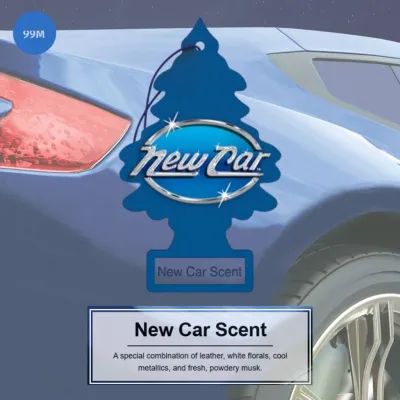
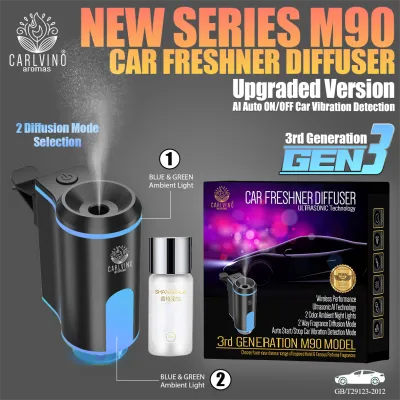
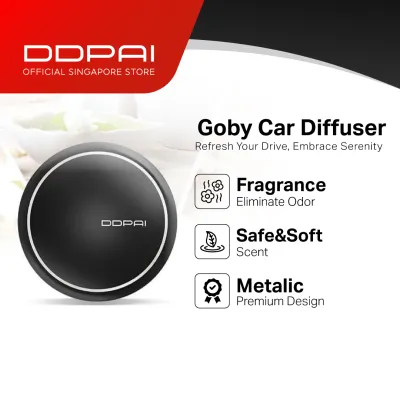
Prices are valid at publication and may change. Please refer to the product page for the latest price.
If the product packaging lacks explicit certifications or recommendations for tropical climates, you must establish practical decision criteria to determine whether to continue using it. Begin with a trial period of one to two weeks, during which you closely monitor the scent intensity and the physical state of the diffuser. If you observe rapid depletion, physical warping, or an unpleasantly intense scent profile that does not subside after adjusting your vehicle’s ventilation, it may be necessary to suspend use or modify how you deploy the product in your vehicle.
Checking Product Labels and Formulation for Heat Resistance
Before installing any fragrance product in your vehicle, conduct a thorough review of the ingredient list and safety data sheets (SDS) if they are available online. Look specifically for warnings regarding flammability, heat exposure, or volatile organic compounds (VOCs). Many high-quality perfumes utilize natural essential oils and alcohol-based carriers; while these ingredients deliver a refined scent, they also have specific thermal thresholds. Extreme cabin heat can accelerate the chemical breakdown of these components, potentially leading to a loss of fragrance integrity or the release of unwanted chemical byproducts.

The physical format of the diffuser is a critical factor in mitigating spill and leakage risks when the vehicle is parked under the sun. The Rituals car perfume typically utilizes a wooden holder that houses a fragrance cartridge. Wood is a natural, porous material that naturally expands and contracts in response to temperature fluctuations and humidity. If the internal cartridge experiences heat-induced pressure and begins to sweat or leak, the wooden housing may absorb the concentrated oil. While this can sometimes prolong the scent, it also increases the risk of the oil transferring onto your vehicle’s delicate interior surfaces.
Additionally, always verify the expiration date and batch codes printed on the product packaging. Fragrance oils are highly sensitive to oxidation, a chemical process that is significantly accelerated by heat and UV exposure. An older batch of perfume that has already begun to age will degrade much faster when subjected to daily tropical heat than a freshly manufactured batch. If the product has been stored in a warm warehouse or retail display prior to purchase, its useful lifespan inside your vehicle may be considerably shortened.
Monitoring Scent Quality and Evaporation Rates
Regular monitoring of the perfume’s physical and olfactory characteristics is essential to ensure it continues to function safely and pleasantly. Perform a visual check of the cartridge at least once a week. Look for noticeable changes in the color of the fragrance liquid, such as darkening or yellowing, as well as any signs of cloudiness or phase separation within the cartridge. These visual cues are strong indicators that the chemical bonds of the fragrance oils have broken down due to heat exposure.
Olfactory changes are equally telling indicators of product degradation. A high-quality fragrance is composed of top, middle, and base notes designed to evaporate in a controlled, sequential manner. In Singapore’s heat, the volatile top notes (such as citrus or light florals) may evaporate almost instantly, leaving behind an unbalanced, heavy scent dominated entirely by the base notes. If the fragrance suddenly smells sour, excessively chemical, or loses its original character, the formulation has likely oxidized and the cartridge should be replaced.
You should also track the evaporation rate to determine if the product is depleting prematurely. While a cartridge may be rated to last several weeks under temperate conditions, continuous exposure to high cabin heat can cause the liquid to evaporate at a fraction of that time. Keep a record of the installation date and note how quickly the fluid level drops. If the cartridge empties rapidly, it indicates that the ambient heat is driving an unsustainably high evaporation rate, which not only reduces the value of the product but can also lead to sensory overload.
Determine clear criteria for when the scent has become overpowering or causes physical discomfort. In a sealed vehicle parked in the sun, concentrated fragrance vapors can accumulate to high levels. If you experience headaches, watery eyes, or respiratory irritation upon entering your vehicle, the concentration of fragrance molecules is too high. In such cases, immediately lower your windows to ventilate the cabin, adjust the diffuser’s vent control to the minimum setting, or temporarily remove the unit from the passenger compartment until the temperature stabilizes.
Safe Placement and Interior Protection
Concentrated fragrance oils are powerful chemical solvents that can cause severe, irreversible damage to automotive interiors. If these oils leak or drip onto dashboard plastics, synthetic trim, or genuine leather upholstery, they can dissolve protective coatings, leading to bubbling, peeling, discoloration, or cracking. Because the Rituals car perfume mounts directly to the air vents, any leakage from the wooden holder can drip directly down the center console or damage the vent slats themselves.
To minimize these risks, select a mounting location that is shielded from direct, intense sunlight and benefits from active airflow. Avoid mounting the diffuser on the upper dashboard vents where it will receive the full force of solar radiation through the windshield. Instead, opt for lower or side vents that are partially shaded. When parking your vehicle in open-air lots, always use a high-quality front windshield sunshade to lower the overall dashboard temperature and protect the diffuser from direct UV exposure.
Additionally, ensure that the mounting clip is fully compatible with your vehicle’s vent design. The diffuser must be securely attached so that it does not vibrate loose, tilt downward, or fall off during sudden braking or cornering. A tilted diffuser is far more likely to leak concentrated oil onto the console. Furthermore, verify that the placement of the diffuser does not obstruct the operation of critical dashboard controls, touchscreens, or the deployment path of the passenger airbags.
In the event of an accidental leak or spill, immediate action is required to protect your vehicle’s interior. Quickly blot the spilled oil using a clean, dry microfiber cloth, taking care not to rub or spread the liquid over a larger surface area. Do not use aggressive household chemical cleaners, solvents, or alcohol-based wipes, as these can react with the fragrance oil and worsen the damage to your dashboard or leather. Once the excess oil is removed, consult your vehicle manufacturer’s owner manual for approved, mild cleaning agents specifically formulated for your vehicle’s interior materials.
Frequently Asked Questions (FAQ)
Can I leave Rituals car perfume in a parked car under direct sunlight?
Leaving a car perfume in a vehicle parked under direct sunlight is not recommended due to the intense greenhouse effect that occurs inside a sealed cabin. When parked in an open-air lot, interior temperatures can quickly rise far above standard room temperature limits, accelerating the degradation of the fragrance oils and increasing the internal pressure within the cartridge. This extreme heat can cause the cartridge to leak, warp, or deplete its scent within a matter of days. If you must park your vehicle in direct sunlight for extended periods, it is highly advisable to remove the perfume holder from the vent and store it in a cooler, shaded location such as the glove box, or utilize a reflective front windshield sunshade to mitigate the temperature spike.
Does high humidity affect the lifespan of the car perfume?
Yes, high relative humidity can significantly impact both the lifespan and the structural integrity of the car perfume. In highly humid environments, the moisture-saturated air alters the evaporation dynamics of the fragrance carrier, sometimes causing the scent to disperse unevenly or feel unusually heavy. Furthermore, because the Rituals car perfume features a natural wooden housing, the wood can absorb ambient moisture from the humid air. Over time, this moisture absorption can lead to warping of the wooden holder, structural degradation, or even the development of mold if the vehicle is left unused in a damp environment, such as an unventilated underground car park. Regularly inspect the wooden components for any signs of dampness, soft spots, or discoloration, and ensure your vehicle’s air conditioning system is run regularly to help dehumidify the cabin air.

Community discussion
Share your experience or ask a question. Comments are reviewed before publication.