
Singapore’s intense tropical climate presents a challenging environment for any interior car accessory, particularly air fresheners. If you are considering Odore car fragrances, they can withstand these conditions, but success depends entirely on selecting the right product format and applying proper placement strategies. The combination of high ambient humidity and extreme cabin heat—which can easily exceed 60°C when your vehicle is parked under direct sunlight—accelerates chemical processes, alters evaporation rates, and tests the physical integrity of plastics, gels, and liquids. To ensure your vehicle remains pleasantly scented without risking damage to your dashboard or upholstery, you must know how to read product labels, monitor physical changes, and adjust your usage habits. This guide provides a comprehensive framework to help you evaluate and maintain Odore air fresheners in Singapore’s demanding climate.
Decoding Product Labels for Heat and Humidity Resistance
Before purchasing any Odore car air freshener, your first line of defense is a thorough inspection of the product packaging and manufacturer specifications. Many drivers overlook the fine print, yet this is where critical environmental limits are defined. Look closely for specified temperature thresholds. Manufacturers often print maximum storage or operating temperatures on the back of the packaging. In Singapore, where a car parked in an open-air lot becomes a greenhouse, interior surfaces can reach temperatures that exceed standard room-temperature ratings. If a label warns against exposure to temperatures above 50°C, that specific format may not be suitable for dashboard placement or open exposure in a parked car.
Next, evaluate the physical format of the freshener, as different mediums react uniquely to heat and moisture:
Products mentioned in this guide
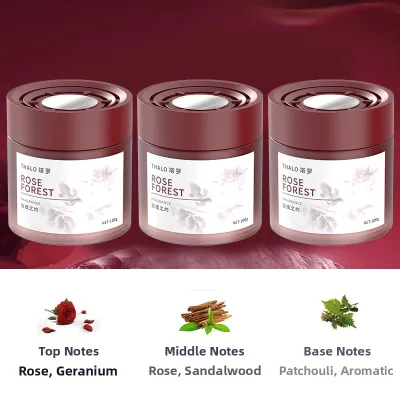
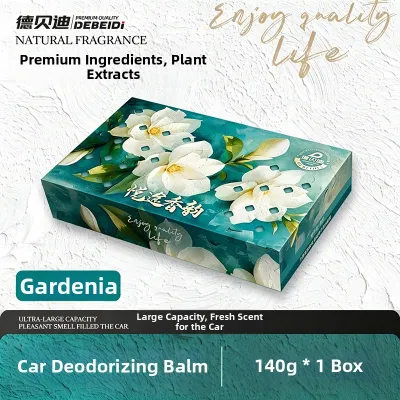
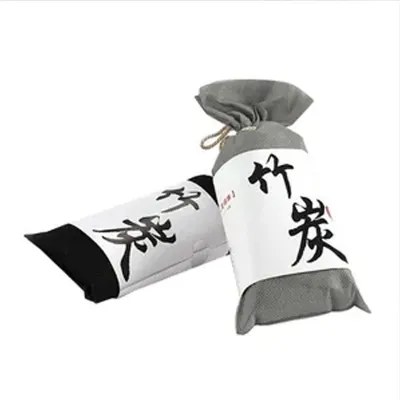
Prices are valid at publication and may change. Please refer to the product page for the latest price.
- Solid and Membrane Formats: These typically offer the highest resistance to physical degradation. Solid polymers or sealed membrane designs rely on controlled diffusion, which limits the risk of sudden, heat-induced liquid release.
- Gel-Based Fresheners: Gels are highly susceptible to temperature fluctuations. In extreme heat, the binding agents in gels can break down, causing the material to liquefy, shrink rapidly, or separate into liquid and solid phases.
- Liquid Diffusers: Liquid formats provide a strong, immediate scent throw but carry the highest risk of rapid evaporation and accidental spills. Under high heat, the pressure inside a sealed liquid container can rise, potentially forcing liquid through seals or wicks.
- Vent Clips: These are designed to work in tandem with your car's air conditioning system. While they are generally secure, the plastic housing must be rated to withstand both the hot air of a parked cabin and the cold blast of active air conditioning without becoming brittle.
Humidity also plays a silent but significant role in product performance. High relative humidity, which frequently exceeds 80% in Singapore, can saturate porous materials like cardboard or unsealed wood diffusers. This saturation slows down the intended evaporation of the fragrance oils, sometimes leading to a damp, musty undertone rather than a clean scent. Check the packaging for mentions of moisture-resistant seals or specialized barrier films that protect the unused portion of the product from ambient humidity before activation.
Managing Physical Degradation and Leak Risks in Parked Cars
The cabin of a car parked at an outdoor parking lot in Singapore acts as a heat trap, absorbing solar radiation through the windshield and side windows. This intense thermal buildup can cause rapid physical degradation of air freshener components, making regular monitoring essential. To protect your vehicle’s interior, you must learn to recognize the early warning signs of product failure. For gel-based Odore products, look for signs of liquefaction, where the gel loses its structured shape and pools at the bottom of the container. For liquid or membrane designs, inspect the outer housing for warping, bubbling, or fine cracks in the plastic. Any alteration in the container’s original shape indicates that the material is softening under thermal stress, which significantly increases the risk of a structural breach.

Safe placement is your primary tool for mitigating leak risks. Never place liquid, gel, or oil-based air fresheners directly on sensitive interior surfaces, such as leather seats, soft-touch plastics, or wooden dashboard trims. Fragrance oils are highly concentrated organic compounds that can act as solvents, permanently staining, peeling, or bubbling automotive plastics and upholstery if a leak occurs.
Instead, consider these strategic placement guidelines to minimize risk:
- Avoid Direct Sunlight: Keep the air freshener away from the top of the dashboard or the area immediately below the windshield. These zones experience the highest thermal concentration.
- Utilize Under-Seat Areas: If using a solid or tin-based format, placing it under the front passenger seat keeps it out of direct sunlight and reduces the peak temperatures it experiences.
- Secure Vent Clips Properly: Ensure vent clips are pushed fully onto the louvers, but avoid vents that receive direct, unshaded sunlight through the side windows when parked.
You must establish a clear threshold for when to discard and replace the product. If you observe any fluid weeping from a membrane, a cracked housing, or a gel that has completely liquefied and separated, remove the unit immediately. Do not attempt to wipe down or reuse a compromised container, as the structural integrity of the plastic or seal cannot be restored once thermal degradation has occurred.
Evaluating Scent Longevity and Olfactory Fatigue in Tropical Climates
The physics of fragrance dispersion dictate that higher temperatures accelerate the kinetic energy of volatile organic compounds. In simple terms, heat makes fragrance oils evaporate much faster than they would in a temperate climate, directly impacting how long your Odore air freshener will last. When a car is parked in the sun, the elevated temperature causes a rapid release of the fragrance’s top notes—the light, volatile scents that you smell first. This initial burst can be overwhelming when you first open the car door, but it also means the product’s lifespan is compressed. Over time, the constant heat can alter the chemical profile of the remaining oils, leaving behind heavier, flatter base notes that may smell vastly different from the original scent profile.
It is crucial to differentiate between normal scent fade and actual heat-induced chemical degradation. Normal fade is a gradual reduction in intensity as the fragrance oils naturally deplete over weeks. Chemical degradation, however, often manifests as a sudden change in the scent’s character, resulting in a burnt, sour, or excessively chemical odor. If the fragrance suddenly smells unpleasant or radically different from its initial state, the oils have likely oxidized or broken down due to thermal exposure, and the unit should be replaced.
Olfactory fatigue also plays a role in how you perceive the fragrance. Because the heat forces a high concentration of scent into a small, enclosed space, your nasal receptors can quickly become desensitized. You might believe the air freshener has stopped working when, in reality, the cabin is saturated with scent. To test this, step out of the vehicle into fresh air for a few minutes, or have a passenger who does not ride in the car daily evaluate the scent level.
To manage scent intensity and maximize longevity, you can actively adjust your vehicle’s ventilation habits. When entering a hot car, roll down the windows and turn the air conditioning fan to maximum for a minute to purge the superheated, scent-saturated air. Once the cabin temperature stabilizes, set your climate control to “recirculate” mode. This prevents the continuous intake of hot, humid outside air, which can dilute the fragrance and force the air freshener to work harder to maintain a consistent scent profile.
Safe Installation and Maintenance Routines for Daily Driving
A secure installation is vital not only for the longevity of your air freshener but also for your safety on the road. In Singapore’s stop-and-go traffic, sudden braking or sharp turns can cause poorly secured accessories to shift, fall, or leak. When installing an Odore vent clip or hanging diffuser, verify that the mounting mechanism is fully engaged. For vent clips, ensure the prongs grip the vent blade tightly without bending or stressing the plastic louver. If you are using a hanging format, ensure it is suspended securely from the rear-view mirror or an assist grip, with enough clearance that it does not strike the windshield or distract your line of sight during sudden maneuvers.
Incorporate a quick visual inspection of your air freshener into your weekly car cleaning routine. Look for any residue buildup around the vent blades or on the surface directly beneath the unit. Some active ingredients in fragrance oils can leave a sticky film when they condense out of the air, which can attract dust and eventually mar the finish of your dashboard. If you notice any sticky residue, wipe it away immediately with a damp microfiber cloth, using only water or a manufacturer-approved interior cleaner.
If you observe persistent physical changes—such as the plastic housing turning yellow, becoming sticky to the touch, or showing signs of stress fractures—discontinue use immediately. These are clear indicators that the material has reached the end of its stable lifespan under tropical conditions. When in doubt about a product’s physical state or compatibility with your vehicle’s interior materials, consult the manufacturer’s official guidelines or customer support before continuing use.
Frequently Asked Questions (FAQ)
Does running the air conditioner continuously extend the life of the fragrance?
Yes, running your vehicle’s air conditioner regularly can help extend the active life of your car air freshener. When the air conditioning is active, it lowers both the temperature and the relative humidity inside the cabin. This cooler, drier environment slows down the kinetic evaporation rate of the fragrance oils, preventing them from volatilizing too quickly.
However, the overall lifespan of the product is still heavily influenced by the hours your car spends parked in the heat. While active cooling preserves the fragrance during your commute, the rapid evaporation cycle resumes as soon as the car is parked in an unshaded lot. To maximize the benefit, try to park in shaded or underground parking structures whenever possible to maintain a lower baseline cabin temperature.
Are there specific Odore formats that are strictly prohibited for dashboard placement?
While specific product lines may vary, liquid-filled diffusers and soft gel formats should generally not be placed directly on top of the dashboard. The dashboard area experiences the most intense heat and direct ultraviolet exposure in any vehicle, with temperatures often climbing high enough to warp plastic housings or break down gel binders.
Always verify placement restrictions by checking the safety guidelines printed on the product packaging. If the instructions specify that the product must remain upright or should be kept out of direct sunlight, avoid the dashboard entirely. Opt instead for vent-mounted clips or under-seat formats, which are shielded from direct solar radiation and benefit from more stable ambient temperatures.
Community discussion
Share your experience or ask a question. Comments are reviewed before publication.