
Evaluating how a car fragrance performs in Singapore requires looking beyond the initial scent profile. The performance of any KATHWI car fragrance in Singapore’s tropical climate depends heavily on the physical form of the fragrance medium and where it is positioned inside your vehicle. Singapore’s relentless heat and high humidity create a challenging environment for cabin air fresheners. When parked under direct sunlight, interior cabin temperatures can easily soar past 60 degrees Celsius, accelerating chemical processes and altering how scents disperse. To ensure your chosen fragrance maintains its quality, lasts as long as intended, and does not damage your vehicle’s interior, you must understand the science behind tropical evaporation, verify the specific product’s climate ratings, and place the diffuser strategically.
How Tropical Heat and Humidity Affect Car Fragrances
The interior of a car parked in Singapore acts like a greenhouse, trapping solar radiation and rapidly raising the ambient temperature. This intense heat directly impacts the volatility of the fragrance. Volatility refers to how easily a liquid or solid turns into a gas. For liquid, gel, or volatile oil-based fragrances, elevated temperatures dramatically accelerate this evaporation process. What might be designed to release slowly over several weeks in a temperate climate can deplete in a fraction of that time when subjected to Singapore’s daily heat cycles. This rapid evaporation not only shortens the product’s lifespan but can also result in an overwhelmingly strong, concentrated scent during the first few days of use, followed by a sudden drop in performance.
Humidity adds another layer of complexity to how you experience a car fragrance. Singapore’s high relative humidity means the air is already saturated with water vapor. This moisture-laden air is denser, which physically alters how scent molecules disperse throughout the cabin. Instead of rising and circulating freely, heavier fragrance molecules can become trapped close to their source or feel heavy and cloying. Furthermore, high ambient humidity can compromise the physical structure of certain fragrance mediums. For example, solid gels can undergo syneresis—a process where the gel contracts and expels liquid, causing it to “sweat” or pool water on its surface. Solid or wax-based mediums may soften, lose their shape, or clog the porous membranes designed to regulate scent release. Understanding these physical reactions is essential for managing your expectations and choosing the right product format.
Products mentioned in this guide
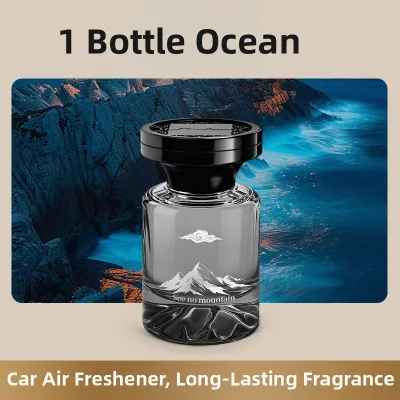
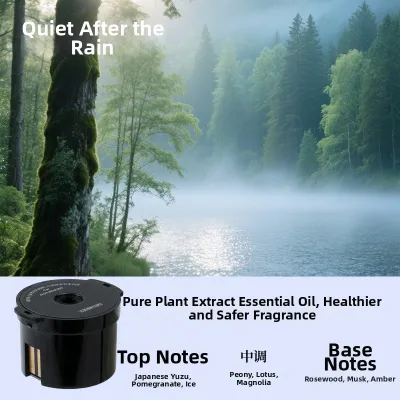
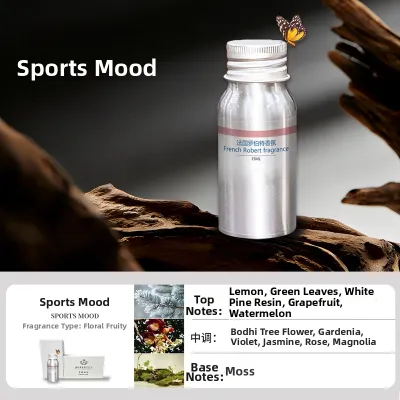
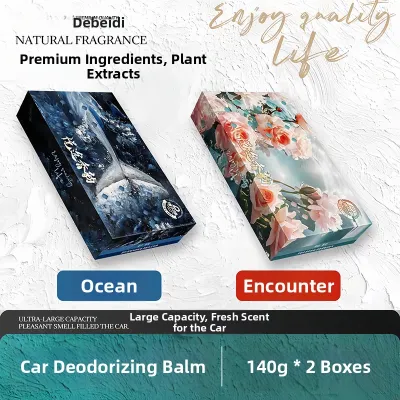
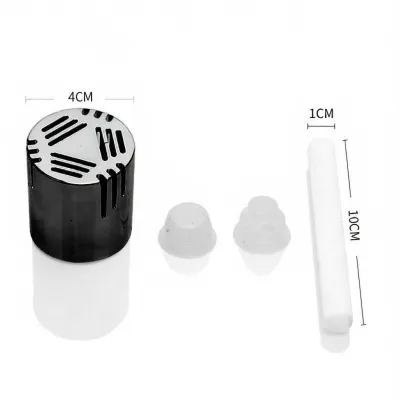
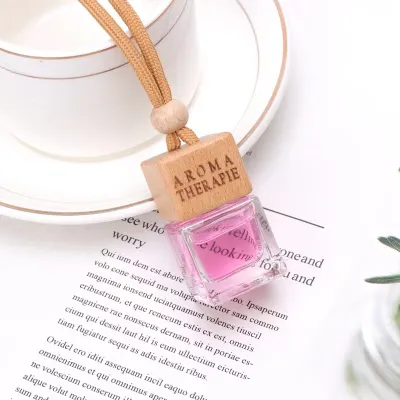

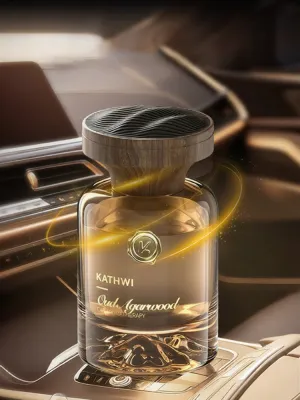
Prices are valid at publication and may change. Please refer to the product page for the latest price.
Verifying Climate Suitability on KATHWI Product Labels
Before installing any KATHWI car fragrance, you should verify its specific climate suitability by reviewing the manufacturer’s product label, packaging insert, or official website. Relying solely on general marketing claims is rarely sufficient when dealing with extreme tropical heat. Look closely for stated operating temperature ranges, storage guidelines, and heat-resistance limits. Manufacturers who design products for global markets often specify the maximum temperature their containers and chemical formulations can safely withstand. If a product is rated only for standard indoor temperatures, it is highly likely to fail or degrade rapidly when left in a car parked under the Singapore sun.

You must also identify the specific fragrance medium used in your KATHWI product, as different materials react uniquely to sustained heat and humidity. For instance, alcohol-based liquid formulations are highly volatile and prone to rapid expansion, which can build up pressure inside sealed glass or plastic containers. Essential oil blends, while highly aromatic, can oxidize and change color or scent profile when exposed to high heat and ultraviolet (UV) radiation. Conversely, solid-state mediums—such as porous ceramic diffusers, polymer sticks, or compressed wood blocks—contain no free liquids, making them inherently more stable and less prone to catastrophic leaks, though their scent output will still accelerate in the heat.
Additionally, examine the physical construction of the product for structural safety features. Check for robust, leak-proof seals, high-quality spill-prevention membranes, and sturdy vent clips. In a hot environment, low-grade plastics can warp or soften, causing mounting clips to fail and the fragrance container to fall. Always remember that a brand name or material description alone does not guarantee heat resistance. You must rely on the manufacturer’s explicit care and usage instructions to determine if the specific model is engineered to withstand tropical cabin conditions.
Strategic Placement to Manage Evaporation and Prevent Leaks
Where you choose to place your KATHWI car fragrance directly influences its longevity and the safety of your car’s interior. The dashboard and the rear parcel shelf are the most hazardous locations for any liquid or gel-based air freshener. These areas receive direct, unfiltered solar radiation through the windshield and rear window, turning them into extreme heat zones. Placing a fragrance here dramatically increases the rate of evaporation, quickly exhausting the product. More importantly, the intense heat can cause the liquid to expand and seep through seals, or cause plastic housings to warp, leading to damaging leaks on sensitive dashboard materials.
To maximize lifespan and protect your cabin, opt for shaded, stable locations that experience less extreme temperature spikes. Placing the fragrance under the front passenger seat, inside a door pocket, or within a low-slung cup holder can shield it from direct sunlight. However, you must ensure that the product design supports these placements. For example, an open gel tub or an unsecured bottle should never be placed under a seat where it could tip over during sudden braking, potentially rolling under the pedals and obstructing vehicle control. Ensure the container is securely mounted or wedged in a stable compartment where it cannot slide or spill.
Air vent clips present a unique set of trade-offs. When your vehicle’s air conditioning is running, the cool airflow helps regulate the temperature of the clip, keeping the evaporation rate controlled and distributing the scent evenly throughout the cabin. However, when the vehicle is parked and the engine is off, the vent clip is exposed to hot, stagnant air trapped in the upper cabin. This heat can cause the fragrance oil to liquefy further or drip down onto the plastic vent slats. Over time, these concentrated oils can chemically react with and degrade the automotive plastics or soft-touch coatings on your vents. If you park frequently in open-air carparks, you may want to choose a solid-state vent clip or remove the clip when parking for extended periods.
Routine Observation and Interior Safety Boundaries
Maintaining a safe and pleasant cabin environment requires establishing a simple routine to monitor the physical condition of your KATHWI car fragrance. Every few days, take a moment to inspect the product visually. Look for signs of rapid volume depletion, which indicates excessive heat exposure. Check if the liquid has become cloudy, if the ingredients have separated into distinct layers, or if there is any evidence of weeping, condensation, or active leakage around the seams and seals. If you notice the container beginning to bloat, deform, or crack, or if the fragrance suddenly develops a sharp, sour, or chemical-like off-odor, remove the product from your vehicle and dispose of it immediately. These are clear indicators that the heat has chemically degraded the formulation.
If you discover a leak, you must act quickly to prevent permanent cosmetic or structural damage to your vehicle’s interior. Fragrance oils are highly concentrated solvents that can easily strip, stain, or dissolve automotive plastics, synthetic leather, and genuine leather coatings. Before applying any cleaning agents, consult your vehicle owner’s manual or the specific material manufacturer’s care instructions. Different surfaces require specialized care; for instance, a cleaner safe for hard plastics could ruin a genuine leather seat or a soft-touch dashboard coating.
For immediate mitigation, gently blot the spilled liquid with a clean, dry microfiber cloth to absorb as much oil as possible. Avoid rubbing or scrubbing, which can push the chemical compounds deeper into the material’s grain. If the manufacturer’s instructions do not cover chemical or oil-based spills, or if you are unsure of the material’s composition, stop immediately and consult a qualified professional automotive detailer. Never assume a cleaning product is safe based on past experience with other brands or rely solely on a hidden-area test, as some chemical reactions can take hours or days to manifest as permanent discoloration or peeling.
Frequently Asked Questions (FAQ)
Does high humidity change how the fragrance smells?
Yes, high humidity can alter your perception of how a car fragrance smells. In Singapore’s humid climate, the air is dense with water vapor, which affects the volatility and transport of organic scent compounds. High moisture levels can trap heavier, sweet, or musky notes, making them feel more intense, heavy, or cloying than they would in a dry, air-conditioned space. Conversely, lighter, volatile notes like citrus or fresh linen may struggle to cut through the heavy air, making the overall fragrance profile seem unbalanced or different from how it smelled in a controlled retail environment.
What should I do if the fragrance leaks on the dashboard?
If a leak occurs on your dashboard, immediately blot up the excess liquid using a clean, dry microfiber cloth. Do not wipe or scrub, as this can spread the concentrated oils and accelerate damage to the surface. Once you have absorbed the bulk of the spill, refer to your vehicle owner’s manual or consult a professional automotive detailer before applying any chemical cleaners or solvents. Dashboard plastics and soft-touch coatings are highly sensitive to the solvents found in fragrance oils, and using the wrong cleaning agent can worsen the damage, leading to permanent peeling, bubbling, or discoloration.

Community discussion
Share your experience or ask a question. Comments are reviewed before publication.