
Evaluating how a Hooga car perfume performs in Singapore’s hot and humid climate requires looking closely at how extreme cabin heat, intense sunlight, and high moisture levels interact with the product’s design. When a vehicle is parked outdoors under the tropical sun, internal temperatures can quickly climb far higher than the ambient outdoor air. This harsh environment directly impacts the evaporation rate of the fragrance, the stability of its packaging, and the strength of any mounting adhesives.
Whether a Hooga car perfume maintains its scent quality and structural integrity depends heavily on the specific product format you choose, where you place it, and how you manage your cabin’s temperature. While these fragrances are designed to elevate your driving experience, the combination of high heat and humidity can accelerate scent depletion and weaken mounting systems. Understanding these environmental factors allows you to make informed choices, protect your vehicle’s interior, and enjoy a consistent fragrance on your daily commute.
Understanding the Climate Challenge for Car Fragrances
The interior of a vehicle parked in Singapore acts as a highly efficient thermal trap. Solar radiation passes through the windshield and side windows, heating up dark dashboard plastics, steering wheels, and upholstery. These surfaces then radiate heat back into the cabin, raising internal temperatures to levels that can easily exceed 60°C on a clear afternoon. For any car perfume, this intense heat acts as a catalyst, dramatically accelerating the evaporation rate of the fragrance oils. Instead of a gradual, controlled release of scent over several weeks, the high temperature forces the volatile top notes to escape rapidly, often resulting in an overpowering aroma initially, followed by premature depletion of the product.
Products mentioned in this guide
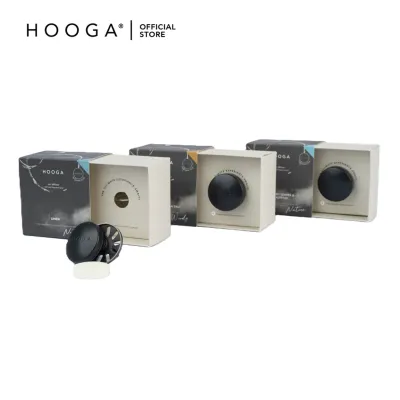
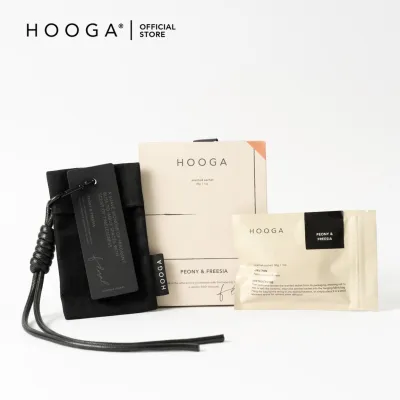
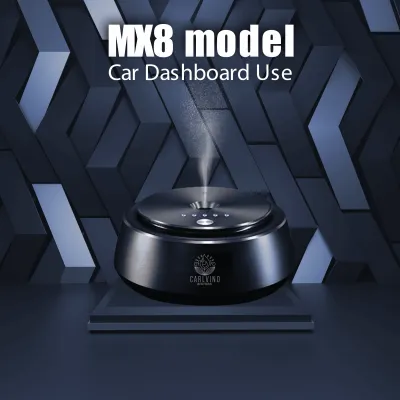

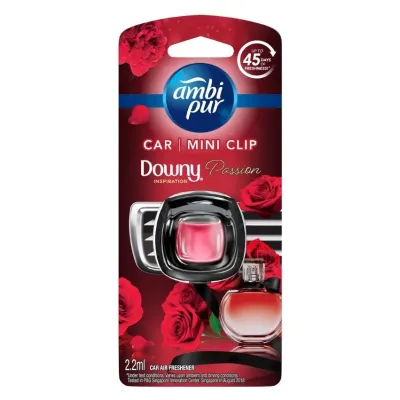

Prices are valid at publication and may change. Please refer to the product page for the latest price.
Relative humidity in Singapore typically hovers around 80%, creating a moisture-rich environment inside the cabin when the air conditioning is turned off. This high humidity can interfere with the curing and bonding processes of double-sided tapes, silicone pads, and other adhesive mounting systems. When moisture penetrates the microscopic gaps between the adhesive and the dashboard surface, it weakens the polymer chains, causing the mount to slip, tilt, or detach entirely under the weight of the perfume container.
Furthermore, constant exposure to ultraviolet (UV) radiation through the vehicle’s glass can trigger chemical reactions within the perfume formulation itself. UV light can break down the complex organic molecules that make up the fragrance notes, leading to photo-degradation. This process not only alters the intended scent profile—sometimes turning a fresh, floral aroma into a flat, chemical, or sour smell—but it can also degrade the physical packaging. Plastic housings may become brittle, discolored, or prone to micro-cracking over time, increasing the risk of leaks.
Key Specifications to Check on Hooga Car Perfume
To determine how well a specific Hooga car perfume will withstand tropical conditions, start by thoroughly examining the product packaging and manufacturer labels. Look for any explicitly stated operating temperature ranges or storage instructions. Manufacturers often print warnings regarding maximum heat exposure, which can give you a clear indication of whether the product is rated for the extreme thermal environments found in parked vehicles. If the label warns against exposing the product to temperatures above 50°C, you will need to take extra precautions, such as removing the diffuser when parking outdoors.

The solvent base of the perfume is another critical specification to verify. Car air fresheners generally utilize alcohol, oil, or water-based gel carriers to disperse their scent. Alcohol-based formulations are highly volatile and evaporate very quickly in hot climates, which can lead to rapid product depletion and a higher concentration of vapor in the cabin. Oil-based diffusers, such as those utilizing wood-wick caps or reed inserts, tend to release scent more gradually but require careful upright positioning to prevent spills. Water-based gels are less prone to sudden spilling but can shrink and dry out rapidly when exposed to continuous dry heat from the vehicle’s air conditioning vents.
Packaging design and build quality are equally important when assessing climate suitability. Inspect the container to ensure it features robust, leak-proof seals and a secure closure mechanism. For liquid diffusers, check if the cap fits tightly and whether the dispensing mechanism regulates the flow of liquid effectively even when the bottle is subjected to vibrations and heat-induced pressure changes. A well-engineered container prevents the liquid from bubbling over or seeping through the threads of the cap.
Finally, evaluate the mounting hardware or adhesive pads supplied with the product. Standard household double-sided tape is rarely sufficient for automotive applications in humid climates. Look for high-temperature acrylic foam tapes or specialized silicone non-slip pads that are specifically rated for automotive interiors. These materials are engineered to maintain their shear strength and adhesion at elevated temperatures and under high humidity, ensuring the perfume unit remains securely anchored to your dashboard or console.
Observable Signs of Climate Stress in Your Vehicle
Monitoring your car perfume for early signs of environmental stress can prevent minor issues from turning into costly interior damage. One of the most common indicators of heat stress is an unusually rapid decline in the liquid or gel level. If a product rated to last 30 to 45 days is completely depleted within two weeks, the cabin heat is driving evaporation too aggressively. You may also notice a sudden, drastic shift in the fragrance profile, where the subtle middle and base notes are replaced by a harsh, overly concentrated, or chemical smell.
Another critical sign to watch for is the presence of residue, condensation, or moisture around the mounting area. When a liquid perfume vaporizes rapidly in a hot cabin, the airborne oils can condense on cooler surfaces nearby, such as the instrument cluster, infotainment screen, or the dashboard itself. This can leave a sticky, oily film that attracts dust and is difficult to clean. If you observe any liquid pooling around the base of the container or dripping down the sides, it indicates a failure of the container’s seals or an over-saturation of the diffusing medium.
Physical changes in the perfume’s appearance are also clear indicators of UV and thermal degradation. Watch for any distinct discoloration of the liquid or gel, such as a clear fluid turning dark yellow, amber, or cloudy. Similarly, inspect the outer casing, cap, or mounting bracket for signs of warping, fading, or cracking. If a plastic component feels sticky to the touch or appears warped, the material is failing under the combined assault of heat and UV rays, and the structural integrity of the unit is compromised.
Lastly, regularly test the stability of the mounting mechanism. Before setting off on a drive, gently touch the perfume container to ensure the adhesive grip remains firm. If the unit feels loose, wobbles, or slides easily across the surface, the adhesive has degraded due to the cabin’s humidity and heat. A loose car perfume is not only a distraction but also a safety hazard, as it can fall, spill its contents onto sensitive electronics, or roll under the brake pedal, interfering with your ability to control the vehicle safely.
Best Practices for Placement and Maintenance
Maximizing the lifespan of your Hooga car perfume and protecting your vehicle’s interior requires strategic placement and regular maintenance. Avoid placing the perfume in areas exposed to direct, unfiltered sunlight, such as the top of the dashboard directly beneath the windshield. Instead, opt for shaded locations like a cup holder, a lower center console compartment, or a door pocket. If you are using a vent-clip style freshener, ensure it is securely attached to the air conditioning vents, where the cool airflow can help regulate the temperature of the unit and distribute the scent evenly without overheating the formulation.
Before installing any adhesive-mounted car perfume, proper surface preparation is absolutely essential. Clean the target area of the dashboard thoroughly using a mild, automotive-approved interior cleaner to remove dust, grease, and any residual dashboard protectants or dressings. These dressings often contain silicone, which prevents adhesives from forming a secure bond. Once the surface is completely dry, apply the adhesive mount firmly, pressing down for the duration recommended by the manufacturer to ensure maximum surface contact and adhesion.
When it comes time to remove or replace the perfume, exercise extreme caution to avoid damaging your vehicle’s interior. Many modern dashboards feature soft-touch plastics, vinyl wraps, or leather surfaces that can easily peel, tear, or discolor if an adhesive is pulled away too forcefully. To remove a stubborn mount safely, use a plastic trim removal tool to gently pry the edges, or slide a piece of dental floss or high-strength thread beneath the adhesive pad to saw through the bond. Never use metal screwdrivers or harsh household scrapers, which can permanently gouge the dashboard.
In addition to careful installation and removal, establish a routine of regular visual inspections. During peak heat seasons in Singapore, take a few seconds every week to check the perfume container for leaks, cracks, or shifting. If you park your car outdoors during the day, consider using a high-quality, reflective front windshield sunshade. This simple step can lower interior cabin temperatures by several degrees, significantly reducing the thermal stress on your car perfume, adhesive mounts, and other interior components.
When to Consider Alternatives or Adjust Usage
There are situations where environmental conditions or vehicle-specific factors mean a particular car perfume setup is no longer viable. If you discover irreversible damage to the perfume unit—such as a cracked glass bottle, a melted plastic casing, or a completely failed seal—discontinue use immediately. Continuing to use a damaged liquid diffuser increases the risk of a major spill, which can cause permanent staining, warping, or peeling of your car’s dashboard materials, often requiring expensive professional restoration or component replacement.
If dashboard-mounted liquid perfumes consistently struggle with adhesive failure or leakage in your vehicle, it may be time to evaluate alternative product formats. Solid gel blocks, scented ceramic tablets, fiber cans, or hanging paper air fresheners are excellent alternatives for hot and humid climates. These formats do not contain free-flowing liquids that can spill or expand under pressure, and they often do not require strong adhesives to be mounted on sensitive dashboard surfaces, making them a much safer and more stable choice for tropical conditions.
When in doubt about the suitability of a specific fragrance product for your vehicle, consult the manufacturer’s official guidelines or contact the retailer directly. Ask if they offer specific product lines designed for high-temperature environments or if they have updated usage instructions for tropical climates. Checking the vehicle’s owner manual is also highly recommended, as some manufacturers explicitly warn against placing any liquid chemical products, air fresheners, or adhesives on specific dashboard materials or near passenger restraint systems.
Finally, adjusting your daily usage habits can go a long way in preserving both the fragrance and your car’s interior. If you know your vehicle will be parked in an unsheltered outdoor parking lot for an extended period under intense midday sun, consider temporarily removing the car perfume from the dashboard. Storing it in a cool, dark place like the glove box, center console, or even taking it with you can prevent the product from overheating, extending its overall lifespan and ensuring it remains safe and effective when you return to the road.
Frequently Asked Questions (FAQ)
Does leaving Hooga car perfume in a parked vehicle cause it to explode?
Non-pressurized liquid, gel, or solid car perfumes, including standard Hooga diffusers, do not pose an explosion hazard because they are not stored under high pressure. However, extreme heat inside a parked car can cause the liquid inside the container to expand, which may force its way past seals, caps, or wooden diffusers, leading to leaks or spills. Pressurized aerosol cans, gas-powered dispensers, or lighter-fluid containers do carry a significant risk of bursting or exploding when exposed to high temperatures and should never be left in a parked vehicle in Singapore. Always refer to the safety warnings printed on the product packaging for specific handling instructions.
How can I clean sticky residue left by the car perfume mount?
Before attempting to clean any adhesive residue from your dashboard, consult your vehicle’s owner manual to identify the specific materials used in your cabin and any recommended cleaning procedures. To clean sticky residue safely, apply a small amount of a mild, automotive-approved interior cleaner or a highly diluted mixture of mild dish soap and warm water to a clean microfiber cloth. Gently rub the affected area in a circular motion, allowing the cleaner to break down the adhesive without applying excessive pressure. Avoid using harsh household solvents, acetone, nail polish removers, or concentrated isopropyl alcohol, as these aggressive chemicals can permanently strip protective coatings, discolor vinyl, or melt soft-touch plastics on your dashboard.

Community discussion
Share your experience or ask a question. Comments are reviewed before publication.