
Bullsone Grasse is a popular premium car fragrance line in Singapore, known for its sophisticated glass packaging and French-inspired scent profiles. However, the performance of any premium car air freshener is heavily influenced by the environment in which it operates. In Singapore’s notoriously hot and humid tropical climate, car interiors act as high-temperature chambers. While Bullsone Grasse can deliver a pleasant, high-end olfactory experience, managing its exposure to heat is essential to prevent rapid evaporation, scent distortion, and potential interior damage.
Evaluating how this fragrance performs under extreme thermal stress involves understanding both physical and chemical reactions. By selecting the right placement, monitoring evaporation rates, and taking steps to protect your car’s interior surfaces, you can enjoy a consistent and safe fragrance experience year-round.
The Reality of Singapore's Car Interior Temperatures
Cars parked outdoors in Singapore are exposed to intense, uninterrupted solar radiation. This exposure triggers a pronounced greenhouse effect inside the sealed cabin. Shortwave solar radiation easily penetrates the windshield and side windows, heating up dark surfaces like the dashboard, steering wheel, and leather seats. These materials absorb the thermal energy and re-radiate it as longwave infrared heat, which cannot easily escape back through the glass. Consequently, while the outdoor ambient temperature in Singapore might hover around 32°C, the air temperature inside a parked car can quickly soar to 60°C, and the dashboard surface itself can exceed 75°C.
Products mentioned in this guide
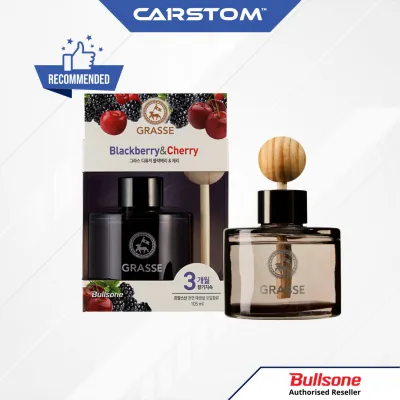
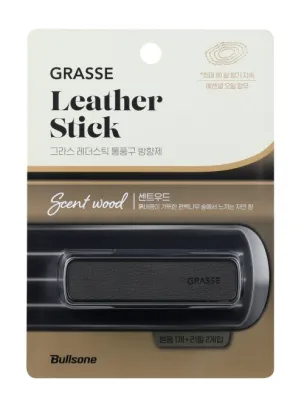
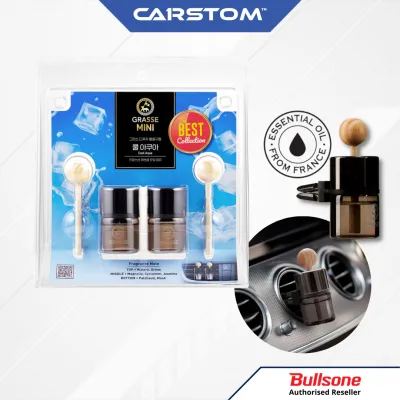
![[Local InStocks 2days Delivery] Bullsone Grasse Diffuser Blackberry & Cherry/Grapefruit/Pure Cotton Aroma](https://img.lazcdn.com/g/ff/kf/S39141699dd3e4612b545c71dedfc915bW.jpg_400x400q80.jpg_.webp)
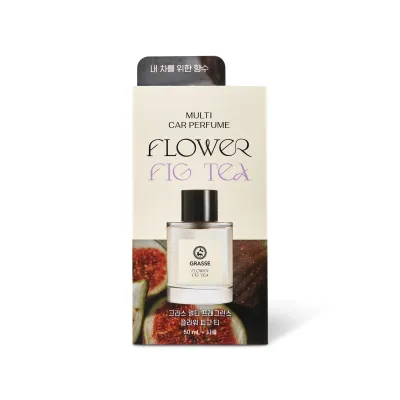
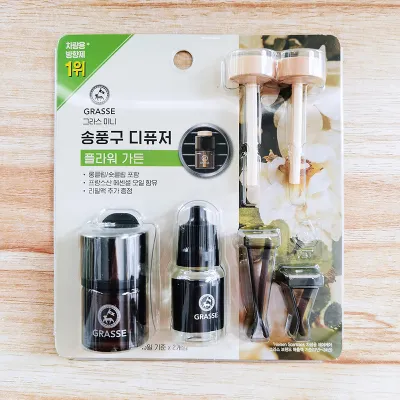
Prices are valid at publication and may change. Please refer to the product page for the latest price.
When you start the vehicle and turn on the air conditioning, this thermal dynamic shifts rapidly. The ambient air temperature drops to a comfortable 21°C to 24°C within a few minutes of driving. However, the physical structures of the car—such as the dashboard plastic, the center console, and the glass surfaces—retain heat for much longer. This creates localized thermal zones where a fragrance diffuser placed on the dashboard continues to experience high surface temperatures even while the driver enjoys cool air.
This extreme thermal environment directly affects the physical state of car air fresheners. High ambient heat and humidity accelerate the volatility of both the fragrance oils and the solvent carriers, typically alcohol or specialized glycols, used in products like Bullsone Grasse. Understanding these thermal baselines is the first step in optimizing how your car fragrance performs throughout the year.
How Heat Impacts Bullsone Grasse Scent Profile and Evaporation
The chemical composition of premium fragrances consists of top, middle, and base notes, each characterized by different molecular weights and boiling points. In a temperate climate, these notes evaporate in a controlled, sequential manner, providing a balanced scent profile over several weeks. In Singapore’s high-heat environment, however, this delicate balance is disrupted. The lighter, highly volatile top notes—such as citrus, light fruits, and fresh herbs—evaporate almost instantly when the car is parked in the sun. This leaves the heavier, less volatile base notes like wood, musk, amber, or patchouli to dominate the scent profile.

To evaluate how your Bullsone Grasse is performing, observe the character of the scent over time. If you notice the fragrance suddenly shifting from a fresh, multi-layered aroma to a heavy, sweet, or single-note scent within a few days of opening, this is a clear sign of heat-induced accelerated evaporation. It is important to distinguish this physical acceleration from chemical degradation. True chemical degradation occurs when prolonged exposure to high heat and ultraviolet (UV) radiation breaks down the fragrance molecules themselves, resulting in a sour, rancid, or synthetic smell. To minimize this risk, check the product packaging for manufacturer-specified storage or operating temperature limits, and monitor whether your parking habits expose the bottle to excessive direct sunlight.
Another practical way to evaluate performance is to monitor the liquid level or physical mass of the fragrance. For liquid-based Bullsone Grasse diffusers, you can use a fine-tip permanent marker to draw a small, discreet line on the back of the glass bottle at the end of each week. By tracking the downward progress of this line, you can visualize the evaporation rate under different parking conditions, such as when parking in an open-air lot versus a shaded HDB multi-storey carpark.
Scent Throw and the "Overpowering" Effect
As the temperature inside a parked car rises, the vapor pressure of the fragrance ingredients increases exponentially. This physical change forces a large volume of fragrance molecules to transition from a liquid state to a gaseous state, trapping them within the sealed cabin of the vehicle. When you first open the car door after it has been parked under the Singapore sun, you are likely to be met with an intense, concentrated burst of scent that can feel overwhelming or even cause mild headaches for sensitive individuals.
To manage this initial olfactory shock, establish a quick ventilation routine before you begin your journey. Instead of immediately turning on the air conditioning and sealing the cabin, roll down all the windows or open the doors for at least thirty seconds to a minute. This allows the hot, fragrance-saturated air to escape and be replaced by fresh ambient air. Once you start driving and the air conditioning begins to cool the cabin, the vapor pressure of the fragrance will drop, and the scent throw will normalize into a much more balanced, subtle background aroma.
Evaporation Rates and Longevity
It is a physical reality that liquid or gel-based car fragrances will have a shorter overall lifespan in tropical climates compared to the temperate regions for which they are often rated. A bottle of Bullsone Grasse that might easily last up to twelve weeks in a cooler European or East Asian climate may see its lifespan reduced to four to six weeks in Singapore if the vehicle is frequently parked outdoors.
To manage your expectations and budget, use the liquid-tracking method described earlier to establish a predictable replacement cycle. If you observe that the liquid level is dropping rapidly during weeks of intense sunshine, you can adjust your usage by partially closing the adjustable cap or diffuser lid if your specific Bullsone Grasse model features one. This physical restriction limits the exposed surface area of the fragrance, helping to preserve the liquid and extend its longevity without completely sacrificing scent distribution.
Strategic Placement to Manage Heat and Sunlight
Where you choose to mount or place your Bullsone Grasse inside your vehicle is the single most important factor in determining how well it withstands Singapore’s heat. Proper placement not only preserves the lifespan and quality of the fragrance but also plays a critical role in vehicle safety. Before installing any accessory, always consult your vehicle’s owner manual regarding dashboard modifications, airbag deployment zones, and forward-visibility regulations.
From a safety perspective, never place a glass bottle or any heavy object on top of the dashboard where it could obstruct your clear view of the road. In the event of a sudden stop or collision, an unsecured fragrance bottle can become a dangerous projectile inside the cabin. Furthermore, placing items directly on or near the passenger-side dashboard can interfere with the deployment of the front passenger airbag, leading to severe safety risks. Ensure that any placement choice complies fully with local road safety guidelines and does not compromise your control of the vehicle.
High-Risk Zones: Dashboard and Direct Sunlight
The top of the dashboard and the rear parcel shelf are the highest-risk zones for any car air freshener. These areas function as thermal traps, receiving direct, unfiltered ultraviolet (UV) radiation and experiencing the highest localized temperatures in the entire vehicle. Placing your Bullsone Grasse here accelerates the chemical breakdown of the essential oils, leading to rapid scent degradation and premature evaporation.
Additionally, the dashboard is rarely a perfectly flat surface, and the heat can degrade the adhesive strength of mounting pads over time. If the adhesive fails while you are driving, the bottle can slide, tip over, or fall into the footwell, potentially obstructing the brake or accelerator pedals. The extreme heat on the dashboard also increases the risk of thermal expansion within the bottle, which can force liquid out of the cap or seal and onto the sensitive plastics of your car’s interior.
Safer Alternatives: Consoles, Cup Holders, and Vents
To protect your fragrance from direct heat and sunlight while ensuring an even scent distribution, consider alternative placement zones. The center console compartments, lower cup holders, or door pockets are excellent choices. These areas are shaded from direct sunlight, which significantly lowers the temperature of the bottle and shields the fragrance oils from UV-induced chemical breakdown.
If you are using a vent-mounted version of Bullsone Grasse, the air conditioning vents provide an ideal mechanism for scent delivery. When the AC is running, the cool air actively carries the fragrance molecules throughout the cabin, eliminating the need for passive heat evaporation. This active distribution ensures a consistent, subtle scent profile while keeping the fragrance container at a stable, cool operating temperature. For dashboard-style bottles, placing them in a secure cup holder near an air vent allows the cooled air to circulate around the bottle, helping to regulate its temperature and slow down the evaporation rate.
Surface Protection and Leak Prevention
One of the most critical risks of using liquid or gel-based fragrances in a hot car is the potential for leaks or spills. Liquid fragrance oils and their carrier solvents are highly concentrated organic compounds. When exposed to extreme heat, these liquids undergo thermal expansion, which increases the pressure inside the container. If the bottle is overfilled, positioned at an angle, or has a slightly loose cap, this pressure can force the liquid to seep through the seal or drip from the diffuser top.
To prevent this, always ensure that the cap, inner seal, or wick assembly is tightly secured according to the manufacturer’s instructions before placing the product in your vehicle. Never fill a diffuser bottle to the very brim if you are refilling it, as leaving an air gap at the top is necessary to accommodate thermal expansion.
Because fragrance oils and alcohol are powerful solvents, direct contact with your car’s interior surfaces can cause severe, irreversible damage. If these liquids drip onto leather upholstery, plastic dashboard trims, painted surfaces, or wood veneers, they can chemically dissolve the top protective coatings. This results in permanent bubbling, peeling, discoloration, or sticky residues that are extremely difficult and expensive to repair. To safeguard your interior, always place a protective barrier—such as a silicone coaster, a small rubber mat, or the original protective base pad provided by the manufacturer—beneath the fragrance bottle.
If a spill does occur, immediate action is required to minimize damage. Do not wipe or rub the spill aggressively, as this can spread the solvent and lift the paint or dye from the damaged surface. Instead, immediately blot the liquid gently with a clean, dry microfiber cloth to absorb as much of the oil as possible. Once the excess liquid is removed, clean the area using a dedicated automotive interior cleaner that is explicitly labeled as safe for the specific material (such as leather, vinyl, or plastic). Always check the cleaner’s label and follow your vehicle manufacturer’s care instructions. If the material is highly sensitive or unidentified, consult a professional automotive detailer before applying any harsh household chemicals, which can exacerbate the chemical reaction and worsen the damage.
Frequently Asked Questions (FAQ)
Will Bullsone Grasse leak or damage my car interior in the heat?
Yes, there is a risk of leaking due to thermal expansion if the product is exposed to extreme direct heat or is not sealed correctly. Because the concentrated fragrance oils and alcohol bases act as strong solvents, any contact with leather, plastic, or wood trim can dissolve protective coatings and cause permanent damage. To protect your car, always ensure the cap is tightly secured and place a protective silicone coaster or base pad underneath the bottle.
Does running the air conditioning change the fragrance performance?
Yes, running the air conditioning cools the cabin air and lowers the temperature of the fragrance bottle, which reduces the volatility of the oils and results in a more subtle, controlled scent throw. Rather than relying on passive heat to evaporate the fragrance, you can place the diffuser near or on the AC vents to use active airflow for a more consistent and balanced scent distribution throughout the cabin.
Community discussion
Share your experience or ask a question. Comments are reviewed before publication.