
Assembling a complete home car washing kit requires selecting tools that safely lift dirt, protect your vehicle’s clear coat, and leave a streak-free finish. A basic bucket and household sponge are not enough; a proper setup must include dedicated tools for washing, drying, and wheel care. By choosing the right combination of microfiber mitts, pH-balanced soaps, and specialized brushes, you can maintain your car’s showroom shine at home while avoiding the micro-scratches and swirl marks caused by improper washing techniques.
The Core Components of a Complete Car Washing Kit
A comprehensive car washing kit is built around three fundamental stages: safe dirt removal, scratch-free drying, and dedicated wheel decontamination. Skipping any of these stages or using the wrong tools can quickly degrade your vehicle’s exterior. For example, using a standard household towel to dry your car can drag microscopic dirt particles across the paint, creating fine scratches known as swirl marks that dull the paint’s reflection over time.
To establish a safe washing workflow, your kit must support a systematic process. This begins with a pre-rinse to remove loose debris, followed by a dedicated wheel cleaning step to tackle abrasive brake dust. Next is the contact wash, which uses highly lubricated soap and soft mitts to lift remaining grime. Finally, a thorough rinse and a careful drying phase ensure that water spots do not form on the clean surfaces. Each tool in your kit plays a specific role in this sequence, ensuring that dirt is safely isolated and removed without ever being ground back into the clear coat.
Products mentioned in this guide
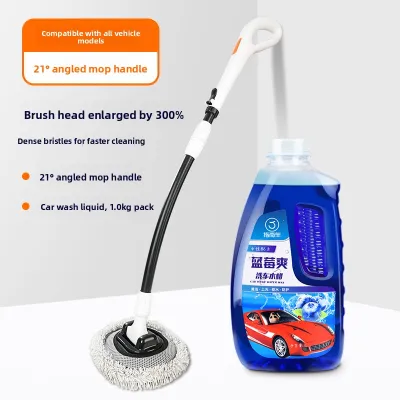

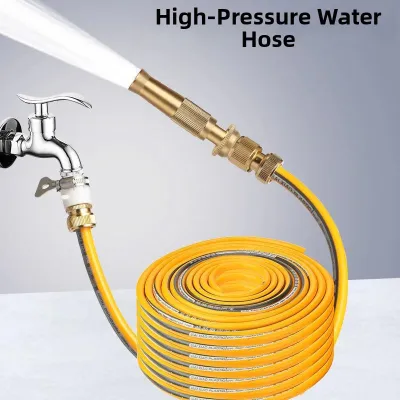
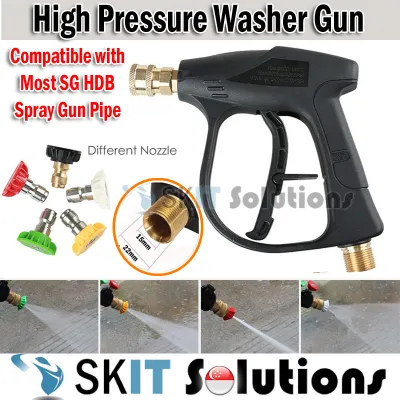
Prices are valid at publication and may change. Please refer to the product page for the latest price.
Pre-Packaged Kits vs. Sourcing Individual Tools
When building your car care setup, you must decide whether to purchase a pre-packaged retail bundle or source each tool individually. Pre-packaged kits are highly convenient and often cost-effective, offering a complete set of matching items in a single purchase. For beginners, these bundles provide an easy entry point, saving the time required to research and buy separate components.

However, pre-packaged kits often involve compromises. Manufacturers may include high-quality soap but bundle it with low-grade, thin microfiber towels that have rough, stitched edges capable of scratching delicate paintwork. Other kits might offer a wide variety of items but omit critical safety tools like grit guards or dedicated wheel brushes.
To help you decide which path fits your needs, consider the following decision framework:
- The Beginner Path: If you are new to home detailing, look for a basic pre-packaged kit that includes a high-quality car wash soap and a soft microfiber wash mitt. You can then supplement this bundle by purchasing premium drying towels and grit guards separately to protect your paint.
- The Detailing Enthusiast Path: If you own a vehicle with soft paint, custom wheels, or a delicate ceramic coating, sourcing individual tools is highly recommended. This approach allows you to select specific microfiber weights, pH-neutral soaps, and specialized wheel brushes tailored precisely to your vehicle's materials and finishes.
Essential Washing and Drying Tools
The physical contact phase of washing and drying is where your vehicle’s paint is most vulnerable to damage. To prevent swirl marks, you must separate the washing stage from the rinsing stage. This separation ensures that dirt lifted from the car is not reintroduced to the paint during the wash. The tools you choose for these steps must be designed to trap dirt deep within their fibers rather than dragging it across the surface.
Buckets, Grit Guards, and Wash Mitts
A safe contact wash relies on a two-bucket system. One bucket holds your soapy water solution, while the second bucket contains clean water for rinsing your wash mitt. Both buckets should be equipped with grit guards. These radial plastic inserts sit at the bottom of the bucket, creating a physical barrier that traps heavy dirt particles at the bottom and prevents them from rising back into the clean water when you plunge your mitt.
When selecting a wash mitt, the material is critical for paint safety:
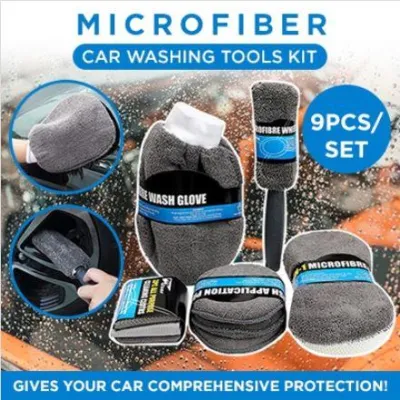
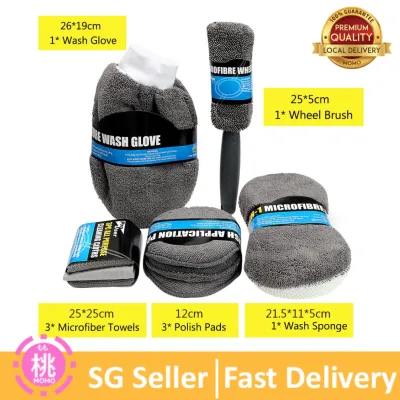
- Microfiber Wash Mitts: These are highly durable, machine-washable, and excellent at trapping dirt within their synthetic fibers. They are suitable for almost all paint types and offer a long service life.
- Lambswool Wash Mitts: These mitts are exceptionally soft and hold a large volume of soapy water, providing maximum lubrication. However, they require delicate hand-washing, dry slowly, and degrade much faster than microfiber.
Before purchasing a wash mitt, check its pile depth and seam construction. A deep, plush pile is essential because it pulls dirt away from the paint surface and holds it deep within the mitt. Ensure the seams are soft and tucked inward, as exposed, hard nylon threads can easily scratch your clear coat during use.
High-Quality Drying Towels
Drying is the stage where many car owners accidentally damage their paint. When selecting drying towels, you must look at the microfiber weight, measured in grams per square meter (GSM), and the pile length. For drying painted surfaces, aim for towels with a rating of 500 GSM or higher. These thick, heavy towels can absorb large amounts of water quickly, reducing the number of passes required to dry the vehicle.
The design of the towel also plays a major role in safety and efficiency:
- Edgeless Designs: Towels with ultrasonic-cut edges or soft suede borders prevent hard, stitched polyester edges from dragging against the paint and causing micro-scratches.
- Twisted-Loop Weaves: This advanced weave design features long, twisted loops of microfiber that absorb water rapidly on contact without requiring heavy pressure. They glide smoothly over the clear coat, minimizing friction.
Avoid using household cotton bath towels or traditional chamois leathers. Cotton towels have stiff fibers that do not trap microscopic debris, meaning any leftover dirt will be ground into the paint. Chamois leathers create a strong suction effect against the paint surface, dragging any trapped particles across the clear coat and leaving fine scratches behind.
Soaps, Cleaners, and Wheel Care Essentials
Chemicals and specialized brushes are necessary to break down road grime, brake dust, and environmental contaminants without stripping away protective waxes or sealants. Using the correct chemical formulas ensures that you do not dull your car’s finish or damage sensitive trim pieces.
Car Wash Soaps and Wheel Cleaners
Always use a dedicated, pH-balanced car wash soap. These formulas are highly lubricated to help your wash mitt glide effortlessly over the paint, and their neutral pH ensures they will not strip away existing waxes, sealants, or ceramic coatings. Never use household dish soaps or laundry detergents; these are designed to strip grease and will quickly remove your car’s protective wax layer, leaving the paint exposed to UV damage and environmental contaminants.
For your wheels, select a specialized wheel cleaner based on your wheel’s finish:
- Painted and Clear-Coated Wheels: These can handle standard pH-balanced wheel cleaners or color-changing iron removers that dissolve embedded brake dust safely.
- Chrome or Bare Alloy Wheels: These delicate finishes require highly specific, non-acidic formulas. Aggressive acid-based cleaners can quickly etch, stain, or dull bare metal and chrome surfaces.
Always check the manufacturer’s product label for specific dilution ratios, application instructions, and surface compatibility before applying any chemical to your vehicle. Verify compatibility with your specific wheel finish and brake components by checking your vehicle’s documentation and the chemical product label before application.
Wheel Brushes and Tire Applicators
Wheels accumulate highly abrasive brake dust, road salt, and grime. Because of this, you must use dedicated wheel brushes and never use the same tools on your car’s painted body. Using a wheel brush on your paint will introduce sharp metallic brake dust particles directly to your clear coat, causing severe scratching.
Choose your wheel brushes based on the geometry of your wheels:
- Barrel Brushes: These long, flexible, cylindrical brushes are designed to reach deep into the wheel barrel, cleaning behind the spokes and around brake calipers. Ensure the brush has a rubber tip to prevent scratching if it contacts the wheel.
- Face Brushes: These flat, soft-bristled brushes are ideal for cleaning the outer face of the wheel and the spokes quickly and safely.
- Tire Dressing Applicators: To finish the job, use a contoured foam applicator pad to apply tire shine or protectant. This ensures an even application and prevents excess product from slinging onto your clean side panels when you drive.
When cleaning wheels and tires, avoid spraying high-pressure water directly into sensitive brake sensors, electrical connections, or suspension components. Always refer to your vehicle’s manual for specific cleaning precautions regarding aftermarket wheels or carbon-ceramic brake systems.
Valuable Additions for a Comprehensive Setup
Once you have the essential washing and drying tools, you can elevate your home car washing kit with several advanced additions. These tools improve cleaning efficiency, provide deeper decontamination, and help protect your vehicle’s exterior over the long term.
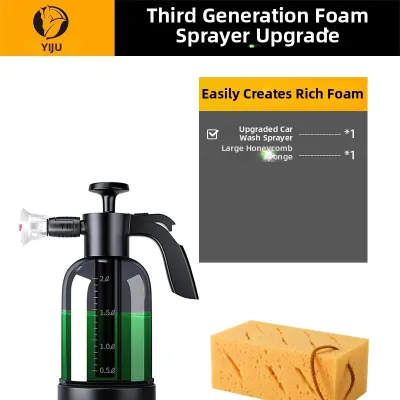
- Foam Cannons and Pump Sprayers: A foam cannon connects to a pressure washer (or a foam gun to a standard garden hose) to blanket your vehicle in a thick layer of pre-wash snow foam. This foam clings to the surface, softening and lifting heavy dirt and road grime before you touch the car with a wash mitt. If you do not have a pressure washer, a manual pump sprayer filled with a pre-wash solution can achieve a similar pre-cleaning effect on lower body panels.
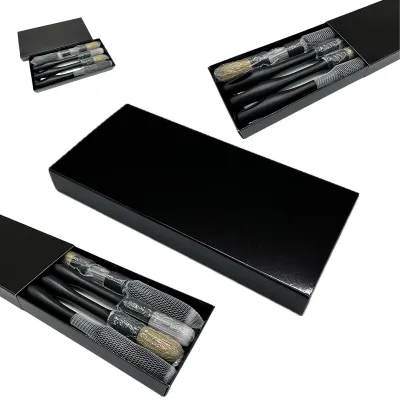
- Soft Detailing Brushes: These small, soft-bristled brushes (often made from natural boar's hair or ultra-soft synthetic fibers) are perfect for cleaning tight spaces where a large wash mitt cannot reach. Use them to gently agitate dirt around emblems, grilles, window seals, door handles, and lug nut wells.
- Clay Bars and Synthetic Clay Mitts: Over time, your paint will accumulate embedded contaminants like tree sap, industrial fallout, and overspray that regular washing cannot remove. A clay bar or synthetic clay mitt shears these contaminants off the paint, leaving a glass-smooth surface. However, claying must always be performed with a dedicated clay lubricant or highly lubricated car soap to prevent the clay from marring or scratching the paint.
How to Evaluate a Store-Bought Car Washing Kit
If you decide to purchase a pre-packaged car washing kit from an online marketplace or local automotive specialty store, do not judge its value solely by the number of pieces included. Many low-cost kits advertise “30-in-1” setups but fill the package with tiny, low-quality sponge applicators, thin microfiber cloths, and disposable plastic items that offer little practical value.
Instead, use this checklist to evaluate the quality and completeness of any store-bought kit:
- Microfiber Quality: Check the specifications of the included towels and mitts. Ensure the drying towel is rated at 400 GSM or higher and features an edgeless or soft-bordered design. Avoid kits that only include generic, thin polyester cloths.
- Chemical Safety and Labeling: Verify that the included soaps, wheel cleaners, and detailers are automotive-specific and clearly labeled. Look for pH-neutral formulas and check that the bottles provide clear dilution instructions, safety warnings, and surface compatibility guidelines.
- Storage and Hygiene: A complete kit should include a practical storage solution, such as a heavy-duty bucket with a lid or a dedicated, ventilated tool bag. Proper storage keeps your wash mitts and microfiber towels clean and free from airborne dust, sand, or garage debris between washes.
Frequently Asked Questions (FAQ)
How often should I replace the microfiber towels in my kit?
You should inspect your microfiber towels after every wash and wash cycle. Replace or downgrade them if you notice stiff fibers, a loss of water absorbency, or embedded debris (like small twigs or dirt particles) that cannot be washed out. To maximize your investment, downgrade older, worn towels from paint drying duty to less sensitive tasks, such as cleaning wheels, engine bays, or interior plastics, before discarding them entirely.
Can I use the same wash mitt for the car body and the wheels?
No, you should never use the same wash mitt for both the car body and the wheels. Wheels collect highly abrasive brake dust and road grime that can easily become trapped in the fibers of your wash mitt. If you use that same mitt on your car’s paint, those abrasive particles will act like sandpaper, causing severe swirl marks and scratches. It is highly recommended to use separate, color-coded mitts and buckets for your wheels and your paintwork to prevent cross-contamination.
What is the best way to store a car washing kit in a humid climate?
In a humid climate like Singapore, preventing mold, mildew, and chemical degradation is essential for maintaining your kit. Always allow your microfiber towels and wash mitts to air-dry completely in a well-ventilated, shaded area before storing them. Storing damp microfibers in a closed container will quickly lead to mold growth and unpleasant odors. Additionally, store all car wash soaps, wheel cleaners, and detailing chemicals in a cool, shaded space away from direct sunlight to prevent the formulas from breaking down or the plastic bottles from warping.
Community discussion
Share your experience or ask a question. Comments are reviewed before publication.