
Protecting a utility vehicle parked outdoors in a tropical climate requires more than just a basic fabric sheet. To withstand intense solar radiation and sudden, heavy downpours, choosing the right car cover for suv models requires a careful evaluation of specialized materials, structural reinforcements, and ventilation designs. Selecting a cover without these critical specifications can lead to accelerated paint degradation, clear coat damage, and interior mold growth.
When evaluating potential covers, vehicle owners should look beyond generic “all-weather” labels. A suitable cover must balance solar reflection with moisture management, ensuring that the vehicle remains cool and dry even during the most demanding weather cycles. Understanding the specific material layers, construction techniques, and securing mechanisms will help you make an informed investment that extends the lifespan of your vehicle’s exterior.
Why Singapore's Climate Demands Specific SUV Car Cover Features
Singapore’s equatorial climate presents a continuous, dual-front challenge for vehicle preservation. The region experiences high levels of solar radiation throughout the year, with the Ultraviolet (UV) Index frequently reaching extreme levels during midday hours. This intense UV exposure acts as a catalyst for chemical breakdown in automotive paint, gradually degrading the protective clear coat, fading vibrant pigments, and drying out rubber window seals. Inside the cabin, trapped solar heat can raise temperatures to levels that warp plastic dashboards, crack leather upholstery, and degrade electronic components.
Products mentioned in this guide
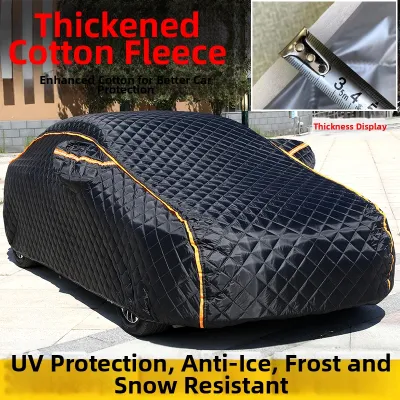
![[24 hours delivery] Upgraded and thickened universal car cover size:M/L/XL/XXL/3XL car cover outdoor protection sunscreen car cover waterproof car shade car cover sun protection car cover outdoor sunscreen](https://img.lazcdn.com/g/p/64e2d9dbc77f3447b24f93e4a3696f41.jpg_400x400q80.jpg_.webp)
Prices are valid at publication and may change. Please refer to the product page for the latest price.
Compounding this solar stress is the frequent, sudden onset of heavy monsoon rains and consistently high relative humidity, which often hovers above 80 percent. When rain falls on a hot vehicle, it can create mineral deposits or water spots that etch into the clear coat if not managed. Furthermore, the combination of high humidity and residual heat creates an ideal breeding ground for mold, mildew, and fungal growth inside the cabin and along exterior trim lines.
Standard indoor dust covers or cheap, single-layer outdoor covers designed for mild climates are fundamentally inadequate for these harsh tropical conditions. Thin materials often degrade rapidly under constant UV exposure, becoming brittle and tearing easily. Moreover, non-breathable waterproof plastics can trap evaporating ground moisture underneath the fabric, creating a humid greenhouse effect that accelerates corrosion and paint blistering. To protect an SUV effectively, a cover must be engineered specifically to combat both water ingress and extreme thermal buildup simultaneously.
Essential UV Protection and Heat Reflection Features
To shield an SUV from intense tropical sunlight, a car cover must act as an active thermal barrier. This requires a multi-layered material composition where each layer serves a distinct protective function. Simply blocking the light is insufficient; the cover must actively reflect solar energy away from the vehicle while remaining gentle on the underlying paintwork.

Reflective Outer Layers
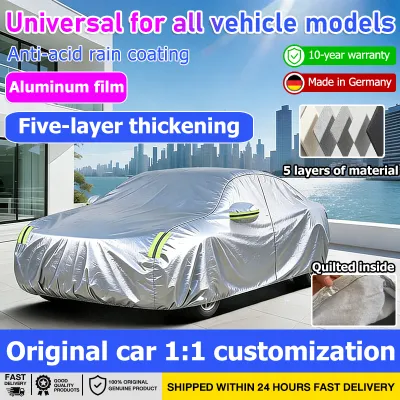
The outermost layer of the cover is the first line of defense against solar radiation. High-quality covers utilize light-colored or metallic-reflective finishes, such as aluminum, silver-coated polyester, or specialized urethanes. These materials are engineered to bounce solar rays away from the vehicle, significantly reducing the surface temperature of the metal panels underneath.
When shopping, it is critical to verify the manufacturer’s specific UV-resistance ratings rather than relying on visual appearance alone. Look for products that explicitly state their UV-blocking efficiency or reference certified testing standards for solar reflection. High-quality reflective layers are typically treated with UV inhibitors during the manufacturing process, preventing the fabric itself from becoming brittle, chalky, or prone to tearing after a few months of exposure to the equatorial sun.
Soft, Non-Abrasive Inner Linings
While the outer layer manages the sun, the innermost layer directly contacts the vehicle’s paint. As temperatures rise and fall, both the vehicle’s metal panels and the cover itself expand and contract. This subtle movement, combined with wind-induced shifting, can cause abrasive friction if the inner lining is rough or if dust particles become trapped between the cover and the paint.
To prevent micro-scratches and swirl marks, look for covers featuring a soft, non-abrasive inner lining made of high-grade cotton, micro-fleece, or brushed flannel. These soft fibers cushion the paintwork and absorb minor physical impacts. It is vital to check the manufacturer’s care instructions to confirm that the inner lining is rated for high-temperature outdoor use; low-quality synthetic linings can melt or stick to hot clear coats under extreme solar heat, causing severe, costly damage to the vehicle’s finish.
Waterproofing and Moisture Management for Heavy Rain
Managing water in a tropical climate requires a delicate balance. A cover must prevent heavy, driving rain from reaching the vehicle’s surface, but it must also allow any moisture that does find its way underneath—either through condensation or ground evaporation—to escape freely.
Water-Resistant Coatings and Sealed Seams
True water protection depends heavily on both the fabric treatment and the structural assembly of the cover. Look for materials treated with durable water repellent (DWR) coatings or polyurethane barriers that cause rainwater to bead up and roll off the surface immediately. However, even the most waterproof fabric will fail if water can penetrate the stitching.
When evaluating a cover, inspect the seams closely. High-quality outdoor covers utilize double-stitched, heat-sealed, or taped seams that physically block water from seeping through the needle holes. Always consult the manufacturer’s specifications to understand the water column rating or water resistance limits, as generic “water-resistant” labels may only withstand light drizzles rather than the torrential downpours characteristic of tropical monsoons.
Breathability and Ventilation Vents
An entirely impermeable, non-breathable plastic cover is highly detrimental in humid environments. Moisture constantly evaporates from the ground beneath the parked SUV, rising up into the chassis and engine bay. If this rising moisture cannot escape through the cover, it condenses on the cool metal surfaces of the vehicle, leading to rust, electrical issues, and mold growth.
To prevent this, select a cover that features built-in ventilation systems or is constructed from breathable, microporous fabrics. These specialized materials contain pores that are small enough to block liquid water droplets from entering, yet large enough to allow water vapor molecules to escape. Additionally, look for strategically placed ventilation flaps or covered air vents near the top of the cover, which promote continuous airflow and help equalize humidity levels without letting rain inside.
Fit, Security, and Wind Resistance of a Car Cover for SUV
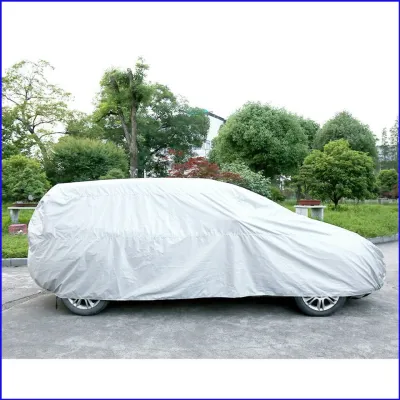
The large, boxy profile of an SUV presents a significant wind profile, making secure fitment and wind resistance critical considerations. During sudden tropical squalls, a loose, poorly fitting cover can act like a sail, catching the wind and generating enough force to tear the fabric, break straps, or even pull the cover completely off the vehicle.
When deciding on a fit option, custom-fit covers tailored to your specific SUV model and year offer the highest level of protection and security. They conform precisely to the vehicle’s contours, reducing excess fabric that can flap in the wind and cause paint abrasion. If choosing a universal-fit cover, ensure you measure your SUV’s length, width, and height accurately, and select a size range that minimizes slack.
To ensure the cover remains anchored during high winds, look for the following essential security features:
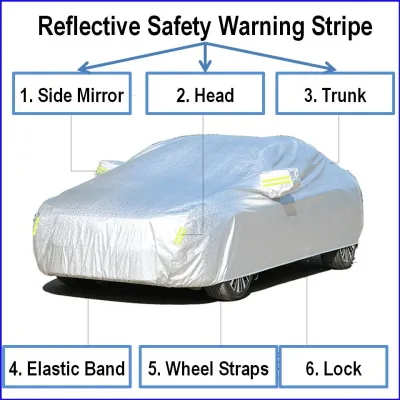
- Elasticized Hems: Heavy-duty elastic bands sewn into the front and rear hems help the cover snugly grip the undersides of the bumpers.
- Under-Body Tie-Down Straps: Adjustable straps with durable polymer buckles that run underneath the vehicle's chassis are crucial for preventing the cover from lifting.
- Reinforced Grommets: Built-in, scratch-resistant grommets on both sides allow you to pass a security cable or heavy-duty bungee cord through, securing the cover against both high winds and potential theft.
- Dedicated Mirror Pockets: Built-in pockets for side mirrors help anchor the cover in place, preventing shifting while reducing wear on the mirror housings.
- Antenna Patches: If your SUV has a fixed antenna, look for covers that include reinforced antenna grommets or patches to allow the antenna to protrude safely without tearing the surrounding fabric.
Maintenance and Care in a Tropical Environment
To maximize the lifespan of your SUV cover and protect your vehicle’s paint, establishing a regular maintenance routine is essential. The combination of high humidity, intense sun, and environmental contaminants like acidic bird droppings, tree sap, and industrial dust can quickly degrade even the highest-quality fabrics if left uncleaned.
Perform regular visual inspections of both the cover and the vehicle underneath. If the cover becomes soiled, clean it according to the manufacturer’s specific care label. Most outdoor covers should be gently washed while installed on the vehicle using a soft brush, cool water, and a mild, pH-neutral soap; avoid harsh detergents, bleach, or machine washing unless explicitly authorized by the manufacturer, as these can strip away water-repellent coatings.
The most critical rule of tropical car cover maintenance is to ensure both the SUV and the cover are completely dry before storage or reapplication. If you must remove a wet cover, hang it up in a well-ventilated, shaded area to dry completely. Never fold, roll, or store a damp cover in a bag or a confined space like the trunk, as this will rapidly trigger mildew growth, rot the stitching, and cause the inner lining to deteriorate.
Frequently Asked Questions (FAQ)
Is it safe to put a car cover on a wet SUV?
No, it is generally unsafe to apply a car cover to a wet SUV. Covering a damp vehicle traps moisture directly against the paintwork, clear coat, and rubber seals. Under the heat of the sun, this trapped water can cause clear coat clouding (osmosis blistering), water spotting, and accelerate rust formation in small paint chips or crevices. It is highly recommended to wait until the vehicle is completely dry before applying any cover. If immediate coverage is absolutely necessary due to an impending storm, ensure you use a highly breathable, premium cover with active ventilation vents, and remove it to dry both the vehicle and the cover as soon as the weather permits.
Can I use an indoor car cover for outdoor parking in Singapore?
No, you should never use an indoor car cover for outdoor parking in Singapore. Indoor covers are designed solely to protect vehicles from dust, minor scuffs, and indoor humidity in controlled garage environments. They completely lack the UV-resistant treatments, heavy-duty water-repellent coatings, and sealed seams required to withstand intense tropical sunlight and torrential rains. Furthermore, indoor covers typically do not feature secure under-body tie-down straps or wind-resistant elastic hems, meaning they will easily blow away or flap violently during a storm, potentially causing severe scratch damage to your SUV’s paint.
Community discussion
Share your experience or ask a question. Comments are reviewed before publication.