
Replacing a damaged side mirror is essential for maintaining a clear view of the road and passing mandatory vehicle inspections. To ensure you purchase the correct replacement side mirror for your car, you must verify several critical specifications beyond basic visual similarity. Choosing the wrong part can lead to poor visibility, electrical malfunctions, or an expensive assembly that simply will not bolt onto your door frame.
Before making a purchase, you must cross-reference your vehicle’s exact make, model, production year, and trim level with the replacement part’s technical specifications. Modern side mirrors are highly complex components that integrate safety sensors, heating elements, and motorized folding mechanisms. Taking the time to verify physical, optical, and electrical compatibility will save you from return shipping fees and ensure your vehicle remains safe and road-legal.
Verify Physical Fitment and Mounting Specifications
The most critical step in selecting a replacement side mirror is ensuring it physically aligns with your vehicle’s door or fender structure. You should never rely solely on generic model names or visual similarity, as manufacturers often alter mounting designs during mid-cycle vehicle refreshes. Instead, locate the Original Equipment Manufacturer (OEM) part number stamped on your existing mirror housing or listed in your vehicle’s documentation to find an exact match.
Products mentioned in this guide
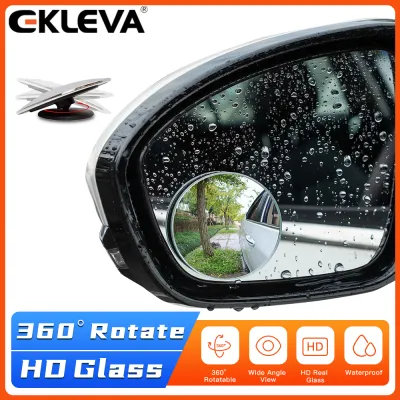
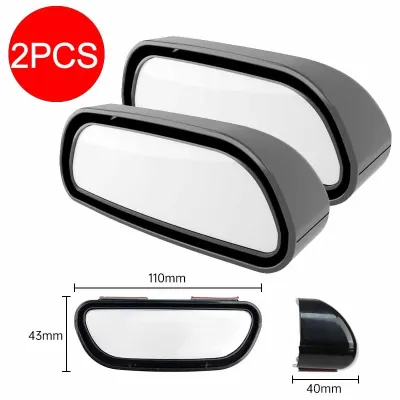
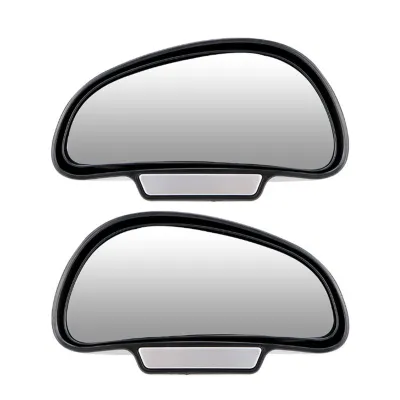
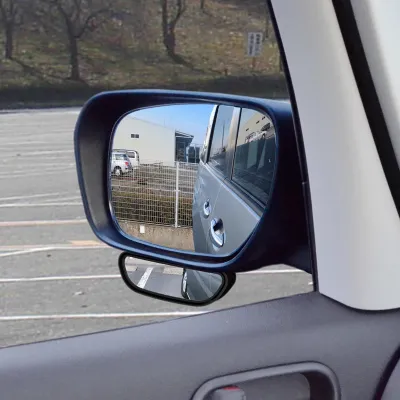
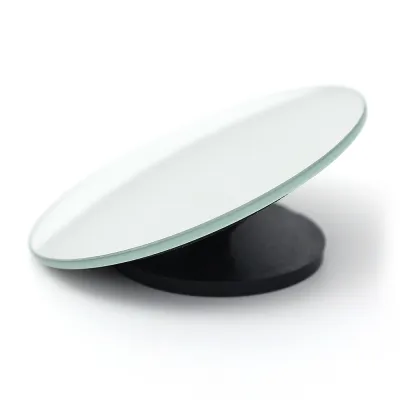
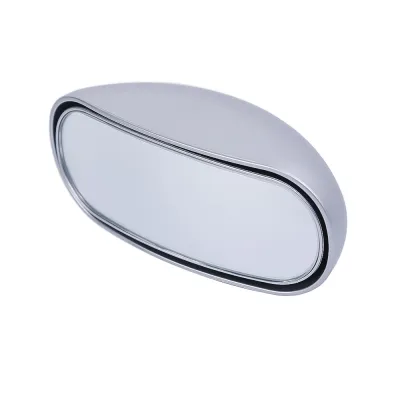
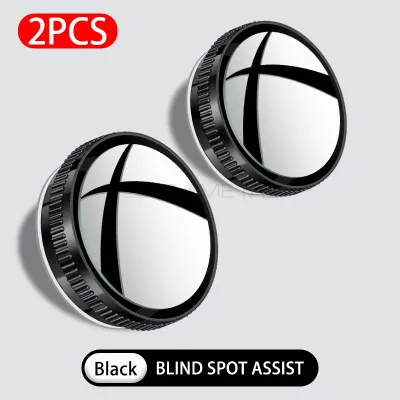
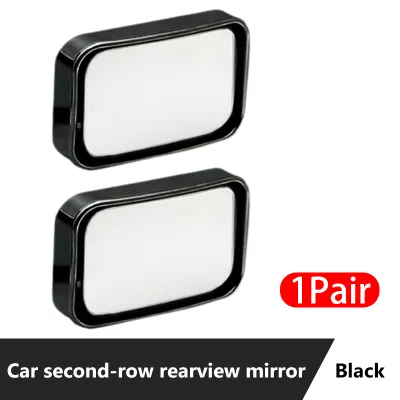
Prices are valid at publication and may change. Please refer to the product page for the latest price.
Different trim levels of the same car model can feature entirely different mounting base styles. Some vehicles use a direct bolt-on plate hidden behind the interior door trim, while others rely on adhesive mounts or integrated door brackets. You must verify the bolt hole pattern and the physical dimensions of the mounting base to ensure a flush fit that prevents wind noise and water leaks.
Additionally, you must confirm the correct left-hand versus right-hand orientation. Because vehicles in this market are right-hand drive, the driver-side mirror is positioned on the right and the passenger-side mirror is on the left. These mirrors are not symmetrical; the housings are engineered at different angles relative to the door to accommodate the driver’s offset seating position. Installing a mirror designed for the incorrect side or for a left-hand drive vehicle will severely restrict your field of view.
Understand Glass Curvature and Surface Features
Selecting the correct glass type is vital for maintaining optimal visibility and preventing distorted distance perception. Side mirror glass is not uniform; it is engineered with specific curvatures to balance the field of view with image accuracy. You must identify whether your original mirror uses flat, standard convex, or aspherical glass before purchasing a replacement.

Flat glass provides an accurate representation of distance but offers a narrow field of view, whereas convex glass curves outward to reveal a wider area at the expense of depth perception. Aspherical or dual-zone glass features a flat inner section and a highly curved outer edge separated by a subtle line, which helps eliminate dangerous blind spots. Replacing an aspherical mirror with a standard flat mirror can significantly reduce your situational awareness on busy multi-lane roads.
You also need to check for integrated surface features embedded within or behind the glass. Many modern vehicles feature heated glass elements to clear condensation during humid tropical downpours, auto-dimming (anti-glare) capabilities for night driving, or blind-spot warning icons etched directly into the mirror surface. Ensure the replacement glass matches these factory specifications to preserve these safety functions.
Match Folding Mechanisms and Adjustability
Your replacement side mirror must match your vehicle’s original folding and adjustment capabilities to function correctly. Side mirrors generally fall into three categories: manual folding, power-folding, and breakaway (spring-loaded) designs. If your car is equipped with power-folding mirrors, purchasing a manual-folding replacement will disable this convenience feature and may trigger diagnostic trouble codes.
In tight urban environments and multi-storey car parks, power-folding mirrors are highly beneficial for protecting your vehicle from side-swipe damage. If you are replacing a power-folding unit, you must verify that the replacement mirror’s internal motor matches the original system’s voltage, torque, and control signals. A mismatch can cause the mirror to fold too slowly, stop prematurely, or fail to respond to your cabin switch.
For vehicles with manual-folding or breakaway mirrors, ensure the housing design allows for manual push-in folding without resistance. Attempting to manually fold a mirror designed strictly for power-folding can strip the internal plastic or metal gears, permanently damaging the motor mechanism. Always verify the adjustability specifications in the product documentation before installation.
Check Electrical Connectors and Sensor Compatibility
Modern side mirrors serve as housing units for various electronic components and driver assistance systems. Before purchasing a replacement, you must inspect the electrical connector of your original mirror. This involves matching the exact pin count, pin layout, and physical connector shape of the wiring harness plug to avoid the need for wire splicing.
A basic power-adjustable mirror might only require a 3-pin or 5-pin connector, whereas a fully loaded mirror with heating, turn signals, memory settings, and cameras can require a 16-pin or 24-pin connector. Splicing wires or using unapproved aftermarket adapters to force a connection is highly discouraged. Bypassing factory connectors can compromise signal integrity, cause short circuits, or disable critical safety systems.
Furthermore, you must verify compatibility with integrated electronics such as 360-degree surround-view cameras, blind-spot monitoring radar sensors, puddle lights, and LED turn signals. If your vehicle relies on these sensors for active safety features, installing a non-compatible mirror housing will disable those driver aids and illuminate warning lights on your dashboard.
Ensure Installation Safety and Legal Compliance
Side mirrors are primary safety devices, and their installation must meet strict road safety and vehicle inspection standards. Before attempting a do-it-yourself replacement, understand the safety boundaries of the task. If the replacement process requires disassembling interior door panels, routing complex wiring harnesses near side-impact airbags, or handling sensitive electronic control modules, you should seek qualified professional installation.
Local vehicle regulations require side mirrors to provide an unobstructed, clear view of the lanes adjacent to and behind your vehicle. Using temporary mounting solutions, such as double-sided tape or generic brackets, is highly dangerous. A loose mirror can vibrate excessively at highway speeds, distorting your view, or detach entirely, creating a severe hazard for other road users.
To ensure compliance with vehicle inspection guidelines, avoid aftermarket mirrors with heavy cosmetic tints or non-standard shapes that reduce the reflective surface area. Always refer to your vehicle’s original workshop manual for torque specifications and mounting instructions to guarantee a secure, vibration-free installation that keeps your car roadworthy.
Frequently Asked Questions (FAQ)
Can I use a universal side mirror on any car?
Universal side mirrors are generally not recommended for modern passenger cars. They rarely match the specific door mounting points, body contours, or electrical connectors of your vehicle, which can lead to loose fitment, severe wind noise, and excessive vibration at high speeds. Additionally, universal mirrors lack the integrated safety sensors, cameras, and heating elements required by modern vehicle electronics, which can result in dashboard error lights and vehicle inspection failures.
Do I need to recalibrate sensors after replacing a side mirror?
Yes, if your side mirror housing contains advanced driver assistance systems (ADAS) such as blind-spot monitoring radar or 360-degree surround-view cameras, professional recalibration is typically required. Even a minor physical misalignment of a millimeter can cause these sensors to miscalculate distances or fail to detect vehicles in your blind spot. If your dashboard displays an error light or if your camera views appear distorted after installation, consult a qualified technician to perform a system recalibration.
Community discussion
Share your experience or ask a question. Comments are reviewed before publication.