
Selecting a thin raincoat for motorcycle riding requires a careful balance between lightweight packability, high-speed wind resistance, and active safety features. Unlike walking through a light drizzle, riding a motorcycle exposes you to high-velocity wind pressure, heavy road spray, and sudden downpours. To stay safe and dry, a thin raincoat must feature aerodynamic tailoring, high-visibility elements, secure closures, and a design that integrates seamlessly with your existing protective gear.
For women riders, finding the right fit is particularly important to prevent excess fabric from flapping at high speeds while ensuring full coverage over riding armor. Understanding how specific design elements perform under riding conditions will help you choose gear that keeps you focused on the road rather than battling the elements.
Why Standard Thin Raincoats Fall Short on Motorcycles
Standard thin raincoats are designed for walking speeds and lack the structural integrity required for motorcycle travel. On a motorcycle, even at moderate speeds, wind resistance transforms loose fabric into a noisy, flapping sail. This continuous flapping creates significant aerodynamic drag, which quickly fatigues your shoulders and neck while causing sudden, destabilizing pulls on your torso.
Products mentioned in this guide
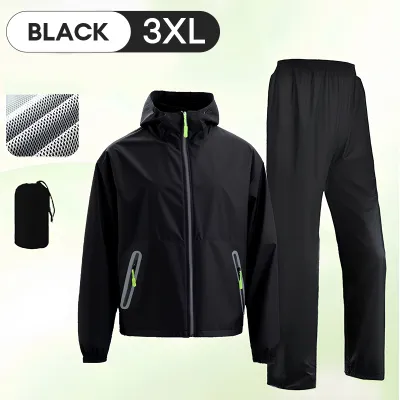
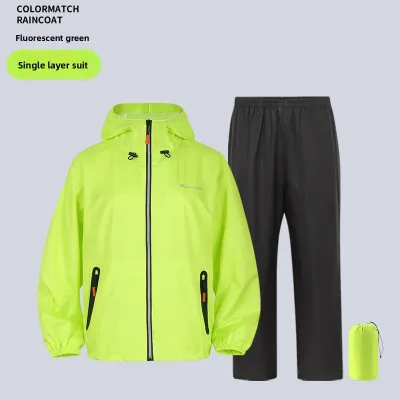
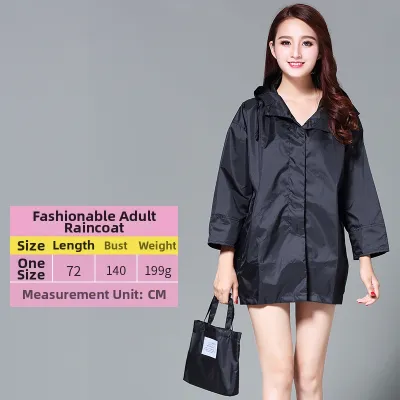
Prices are valid at publication and may change. Please refer to the product page for the latest price.
Furthermore, the forward-leaning posture of a motorcycle rider changes how water hits the body. Wind pressure forces rain through standard zippers, open pockets, and loose collars. Water that would normally run off a standing pedestrian is driven upward and inward, pooling at your lap and seeping through the front closure of a non-motorcycle-specific coat.
Loose drawstrings, dangling hood toggles, and unsecured hems present severe safety hazards on a motorcycle. At speed, these loose elements can whip violently against your helmet or skin, causing distraction and pain. More critically, they can easily snag on handlebars, mirrors, or moving parts of the motorcycle, potentially leading to a loss of control.
Critical Safety Features for Wet-Weather Riding
Visibility drops dramatically during heavy rain, especially during late-afternoon tropical downpours or sudden monsoon showers. A motorcycle-specific thin raincoat must feature high-visibility colors—such as fluorescent yellow, orange, or bright pink—combined with strategically placed reflective piping or panels. These reflective elements should run across your upper back, shoulders, and sleeves to ensure you remain visible to other motorists from all angles.

Closures must be engineered to withstand high wind pressure without letting water seep through. Look for raincoats with double storm flaps that fold over the main zipper and secure with heavy-duty snaps or continuous hook-and-loop fasteners. Adjustable velcro cuffs are essential to seal your wrists, preventing wind and water from rushing up your sleeves.
Aerodynamic tailoring is another non-negotiable safety feature. The raincoat should have a slim, contoured cut that minimizes excess fabric while still allowing room for protective armor underneath. Elasticated waist adjusters or side straps help cinch the jacket close to your body, preventing the fabric from ballooning at highway speeds and maintaining your stability.
Functional Design and Coverage Requirements
The design of the hood requires careful consideration. If you plan to wear the hood under your helmet, it must be thin enough to fit comfortably without altering the helmet’s fit or compromising safety. Alternatively, many riders prefer a collar-stowable hood or a detachable design that can be removed entirely to prevent wind drag.
When seated on a motorcycle, your lower back is highly vulnerable to exposure. A proper riding raincoat features an extended back hem—often called a drop-tail design—that remains draped over your pants even when you lean forward to reach the handlebars. Articulated joints in the shoulders and elbows prevent the sleeves from pulling back and exposing your wrists.
The integration between your raincoat and other gear must be seamless. Sleeve cuffs should fit snugly over or under your riding gloves, while pant cuffs must secure tightly around your riding boots. This prevents the wind from riding up your limbs, keeping your inner layers dry and ensuring that water does not pool inside your footwear.
Material Trade-Offs: Waterproofing vs. Breathability
When evaluating a thin raincoat, check the manufacturer’s specifications for waterproof ratings, typically measured in millimeters. For motorcycle riding, a high rating is recommended to withstand the force of wind-driven rain. Additionally, verify that all seams are fully taped or heat-sealed, as water will easily penetrate the needle holes of standard stitched seams under pressure.
Thin, lightweight fabrics are highly packable, but they have physical limits. In sustained, heavy tropical downpours, even high-quality thin materials can eventually saturate or feel cold against your skin due to wind chill. Understanding these limits helps you plan your journeys and manage expectations regarding long-distance wet-weather travel.
High waterproofing often limits natural breathability, leading to internal condensation and a clammy feeling in humid climates. To manage this, look for raincoats with dedicated ventilation features. Underarm zippers, mesh-lined back vents, or chest vents allow air to circulate and heat to escape without letting rain in, keeping you comfortable and focused.
How to Verify Fit and Safety Before You Ride
Before setting off in the rain, put on your full riding gear—including your armored jacket, pants, helmet, and gloves—and wear the thin raincoat over them. Sit on your motorcycle and simulate your active riding posture. Reach for the handlebars, turn the front wheel fully from side to side, and check for any restriction in your shoulders, arms, or neck.
Next, perform a visual check to ensure that your safety features are fully functional. Verify that the reflective piping and high-visibility panels are not covered by a backpack, passenger, or the lower edge of your helmet. If you ride with a backpack, consider wearing the raincoat over it if it is designed to accommodate one, or ensure the backpack itself has reflective elements.
Finally, conduct a thorough check for loose parts. Ensure all drawstrings are tucked away, hood toggles are secured, and the hem is cinched. No fabric should flap loosely, and there should be zero risk of any part of the raincoat catching on the footpegs, gear shifter, brake levers, or drive chain.
Frequently Asked Questions (FAQ)
Can I wear a regular thin fashion raincoat for short motorcycle trips?
Wearing a standard fashion raincoat on a motorcycle is highly discouraged, even for short trips. These coats lack the aerodynamic tailoring required for riding speeds, causing them to flap violently, balloon with wind, and destabilize the rider. They also lack the necessary seam sealing and wind-resistant closures, meaning water will quickly penetrate the fabric under riding pressure.
How do I prevent a thin raincoat from tearing in the wind?
To prevent tearing, ensure the raincoat fits snugly over your riding gear without excess loose fabric. Before starting your ride, take the time to adjust all velcro straps, zippers, and drawstrings to eliminate flapping. Avoid buying an oversized coat, as the excess material acts like a wind sail, placing immense stress on the seams and fabric, which can lead to rapid tearing.
Should a motorcycle raincoat be sized up to fit over riding gear?
Most motorcycle-specific raincoats are already sized to accommodate standard riding gear, so you should generally buy your normal size. However, always consult the manufacturer’s sizing chart, which often provides specific instructions for layering. If you wear bulky winter gear or heavy body armor, you may need to size up, but ensure the fit remains snug enough to prevent wind flapping.
Community discussion
Share your experience or ask a question. Comments are reviewed before publication.