
Building a motorcycle cleaning kit does not require purchasing massive, pre-packaged bundles filled with redundant chemicals and gimmicky tools. Many commercial kits contain products you will rarely use, or worse, formulas that are incompatible with your bike’s specific finishes. A highly functional wash setup focuses on a few versatile, high-quality essentials tailored to your motorcycle’s unique materials, such as its paint type, chain style, and exposed metals. By selecting your supplies deliberately, you can protect your investment, avoid costly cosmetic damage, and streamline your maintenance routine.
Unlike cars, motorcycles expose their mechanical components, delicate electronics, and varied material finishes directly to the elements. A single wash session might involve cleaning painted fairings, anodized aluminum, rubber hoses, vinyl seats, and a greasy steel drivetrain. Using the wrong chemical on any of these surfaces can lead to staining, corrosion, or structural degradation. Assembling a custom kit allows you to verify the safety of every liquid and tool before it touches your machine, ensuring a thorough clean that preserves both aesthetic appeal and mechanical reliability.
Core Essentials: Foundational Supplies for Every Motorcycle Wash
The foundation of any safe motorcycle wash kit begins with a high-quality, pH-neutral wash concentrate. Standard household detergents or low-grade automotive soaps can strip protective waxes and dry out sensitive rubber seals. A dedicated, pH-neutral motorcycle soap is formulated to lift road grime, bug splatters, and light oil without degrading clear coats, plastics, or anodized metals. Before purchasing, always verify the product label to ensure it is safe for all motorcycle surfaces, including acrylic windscreens and matte finishes. If you wash your bike in a residential area, look for biodegradable formulas to minimize environmental impact from runoff.
Products mentioned in this guide
![Simple Green Extreme Motorsports Cleaner & Degreaser 32oz (946ml) - Off-road Vehicle/Engine Bay Clean Up - Surface Safe [BUNDLE AVAILABLE]](https://img.lazcdn.com/g/p/042af80a18f1d2afb89977b6a7cc4c30.jpg_400x400q80.jpg_.webp)
Prices are valid at publication and may change. Please refer to the product page for the latest price.
To apply the soap safely, you need a dual-bucket setup equipped with grit guards. The two-bucket method is a fundamental practice for preventing paint damage: one bucket holds your clean, soapy water, while the second bucket contains clean rinse water. Each time you wipe down a section of the motorcycle, rinse the dirty wash mitt in the rinse bucket before dipping it back into the soapy water. Grit guards—plastic grates that sit at the bottom of the buckets—trap dirt particles at the bottom, preventing them from re-entering your wash mitt and scratching your paint.
The physical tool you use to agitate the soap is just as important as the chemical itself. Avoid coarse sponges, which trap dirt on their surface and drag it across your paint, creating fine scratches known as swirl marks. Instead, select a high-quality microfiber wash mitt. Microfiber features thousands of tiny fibers that lift and trap dirt deep within the pile, keeping it away from the delicate clear coat. Keep separate mitts or sponges for the painted bodywork and the lower, grittier sections of the bike, such as the swingarm and engine cases, to prevent cross-contamination.
Once the wash is complete, drying the motorcycle quickly is essential to prevent water spots, especially in areas with hard water. A dedicated microfiber drying towel with a high GSM (grams per square meter) rating is the safest tool for this job. Look for a twist-loop or plush-pile weave, which absorbs large amounts of water without requiring excessive rubbing. Gently patting or sliding the towel across the surfaces minimizes friction, protecting delicate clear coats from micro-abrasions.
Surface Care: Matching Protectants to Your Paint and Finish
Motorcycles feature a diverse array of surface finishes, and applying the wrong protectant can cause irreversible cosmetic damage. Modern bikes commonly feature gloss clear coats, matte or satin paints, raw polished metals, or anodized aluminum. Before applying any wax, sealant, or detailer, you must identify the exact finishes on your motorcycle and verify that your chosen product is explicitly formulated and authorized for those materials.

Gloss clear coats are highly resilient and benefit from traditional carnauba waxes or synthetic polymer sealants. These products fill microscopic imperfections in the paint, creating a smooth surface that reflects light and repels water. However, these standard automotive waxes must never be applied to matte or satin finishes. Traditional waxes contain gloss-enhancing agents and fillers designed to create a shiny reflection. Applying them to a flat, matte finish will create uneven, blotchy shiny spots that ruin the intended look of the paint. For matte surfaces, always verify the manufacturer label for “matte-safe” or “non-glossing” claims, and use dedicated matte detailers that protect the surface without altering its flat texture.
Exposed metal components require a similarly cautious approach. Raw, polished metals like aluminum engine covers or stainless steel exhaust pipes can be restored using specialized metal polishes. However, these polishes often contain abrasive compounds that will strip the protective coating off anodized or clear-coated metal parts. If your motorcycle features anodized aluminum frames, rims, or brackets, avoid abrasive polishes entirely. Instead, clean them with your pH-neutral soap and protect them with a non-abrasive spray sealant. Always consult your motorcycle’s owner’s manual to confirm whether a metal component is raw, coated, or anodized before applying any chemical treatment.
Drivetrain and Wheels: Selecting Safe Solvents and Brushes
The drivetrain and wheels accumulate the heaviest, most stubborn grime on a motorcycle, requiring specialized solvents and tools that differ significantly from bodywork cleaners. When cleaning a chain-driven motorcycle, preserving the integrity of the chain’s internal lubrication is paramount. Modern motorcycle chains typically use rubber O-rings or X-rings to seal grease inside the chain rollers. Using harsh solvents, gasoline, or standard degreasers can dry out, swell, or destroy these rubber seals, leading to rapid chain wear and eventual failure. Always select a dedicated chain cleaner that is explicitly labeled as safe for O-ring and X-ring chains.
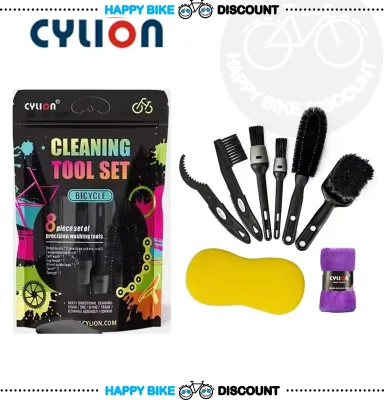
To agitate and remove built-up chain grime, a dedicated three-way chain brush is highly effective. Unlike standard parts-washing brushes or wire brushes—which can tear delicate rubber O-rings—a three-way chain brush features stiff nylon bristles arranged to clean the top, bottom, and sides of the chain simultaneously. This design allows you to clean the links thoroughly without applying excessive pressure that could damage the seals.
Wheels and braking components require equally specialized attention. Road grime, chain fling, and brake dust accumulate rapidly on rims and calipers. While it may be tempting to use aggressive, acid-based wheel cleaners to dissolve this dirt quickly, these chemicals can corrode alloy rims, etch bare metal, and damage brake caliper finishes. Instead, opt for acid-free, pH-balanced wheel cleaners. These formulas safely break down brake dust and road film without risking chemical corrosion on sensitive metal alloys.
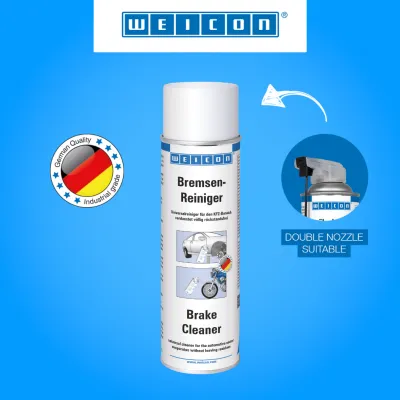
When cleaning the drivetrain and wheels, safety boundaries must be strictly observed. Never spray high-pressure water directly at wheel bearings, suspension seals, steering heads, or chain O-rings. High-pressure water can easily bypass these seals, washing away essential grease and introducing moisture that causes internal rust and mechanical failure. Additionally, avoid spraying any cleaners, degreasers, or lubricants directly onto brake rotors or pads. Contaminating your braking system with chemicals can severely reduce stopping power, creating an immediate safety hazard. If any overspray occurs, clean the rotors immediately with a dedicated, residue-free brake cleaner, ensuring you do not spray it near sensitive rubber seals.
What to Skip: Redundant Products and Hazardous Substitutes
As you build your wash kit, knowing what to avoid is just as important as knowing what to buy. Many common household products and generic automotive supplies are highly detrimental to a motorcycle’s long-term health. The most common offender is household dish soap. While excellent at cutting grease on kitchenware, dish soap is highly alkaline and formulated to strip oils. When used on a motorcycle, it strips away protective waxes, dries out rubber hoses and seals, and can dull plastic fairings over time. Stick exclusively to dedicated automotive or motorcycle soaps.
Another hazardous product to avoid is generic automotive tire shine. While shiny tires look appealing on a car, applying these silicone-heavy dressings to motorcycle tires is extremely dangerous. During rides, the centrifugal force can cause the tire shine to sling onto the tread area or the brake rotors. This creates an incredibly slick surface on the tire’s contact patch, leading to a severe loss of traction and potential loss of control. If you want to clean your tires, stick to scrubbing the sidewalls with a stiff brush and standard soapy water, leaving the tread completely free of any chemical dressings.
You should also skip multi-surface “all-in-one” household cleaners. These products often lack the specific pH balance required to protect the delicate mix of metals, plastics, and coatings found on a motorcycle. Using them can lead to permanent staining on aluminum engine blocks or clouding on plastic instrument clusters. Similarly, avoid purchasing complex, high-speed rotary polishing machines unless you have extensive professional experience. Motorcycle fairings feature sharp angles, tight curves, and thin clear coats; an inexperienced user operating a rotary buffer can easily burn through the paint or melt plastic panels in seconds. Hand polishing with a mild, hand-applied compound is far safer and more controllable for motorcycle maintenance.
Assembling Your Kit: A Customized Checklist for Your Ride
To finalize your motorcycle wash kit, customize your selection based on your specific bike type and riding environment. An adventure or off-road motorcycle that frequently encounters heavy mud and clay will require a robust, mud-dissolving pre-wash spray and a variety of stiff-bristled utility brushes to clean hard-to-reach engine crevices. Conversely, a street cruiser with extensive chrome and gloss paint will benefit more from premium metal polishes, ultra-soft microfiber wash mitts, and high-quality spray detailers to maintain a mirror-like finish.
When purchasing your supplies, prioritize your immediate wash-day essentials before investing in long-term protective upgrades. Your initial shopping list should focus on a pH-neutral soap, two buckets with grit guards, a microfiber wash mitt, a drying towel, an O-ring-safe chain cleaner, and a chain brush. Once you have established a safe washing routine, you can gradually add specialized products like matte-safe sealants, metal polishes, or dedicated wheel cleaners to your arsenal.
Organization is key to maintaining the effectiveness of your kit. Store your supplies in a dedicated container or bag with separate compartments. It is critical to keep your greasy drivetrain tools, chain brushes, and wheel rags completely isolated from your clean, paint-safe microfiber mitts and drying towels. Even a tiny amount of chain grease or brake dust transferred to a wash mitt can cause severe scratching when wiped across your painted fairings.
Finally, establish a routine to inspect and maintain your cleaning tools. Microfiber towels and wash mitts should be washed after every use using a dedicated microfiber detergent without fabric softeners, which can clog the fibers and reduce absorbency. If you ever drop a microfiber towel on the ground, do not use it on your paint again until it has been thoroughly washed; the fibers will instantly pick up tiny dirt particles from the ground that will scratch your clear coat. Regularly inspect your brushes for worn-out or splayed bristles, and replace them before they lose their effectiveness or begin scratching sensitive surfaces.
Frequently Asked Questions (FAQ)
Can I use car wash soap on my motorcycle?
Yes, you can use car wash soap on your motorcycle, provided it is a high-quality, pH-neutral formula without added gloss enhancers, waxes, or silicones. Many standard car soaps contain glossing agents or heavy waxes designed to leave a shiny film on automotive clear coats. While safe for gloss-painted motorcycle parts, these additives can leave unsightly streaks on matte finishes and can make plastic instrument clusters or vinyl seats dangerously slippery. Always check the product label to ensure the soap is free of waxes and safe for all exposed motorcycle materials.
How often should I clean and lube my motorcycle chain?
Rather than relying on a rigid mileage interval, you should clean and lubricate your motorcycle chain based on observable conditions and your riding environment. As a general guideline, street-ridden motorcycles typically require chain maintenance every 500 to 800 kilometers. However, if you ride in wet weather, on dusty gravel roads, or notice visible grime buildup, dry spots, or a squeaking noise, you should clean and lube the chain immediately. Regular inspections will help you identify when the chain’s factory grease is exposed or contaminated, preventing premature wear.
Do I need a pressure washer to clean my motorcycle?
No, a pressure washer is not necessary to clean a motorcycle, and using one carries significant risks. The high-velocity water stream from a pressure washer can easily force its way past rubber seals, washing away vital grease inside wheel bearings, suspension linkages, steering heads, and chain O-rings. It can also penetrate electrical connectors, leading to corrosion and difficult-to-diagnose electrical faults. A standard garden hose equipped with a multi-pattern spray nozzle set to a gentle shower or fan setting is far safer and provides more than enough water flow to rinse away soap and loosened grime.
Community discussion
Share your experience or ask a question. Comments are reviewed before publication.