
A complete motorcycle chain maintenance toolkit should include a high-quality wax-based or dry lubricant for daily urban riding, a heavy-duty wet lubricant for wet-weather protection, a dedicated O-ring safe chain cleaner, a multi-sided grunge brush, and a protective splash guard or cardboard backing. Equipping your garage with these specific products ensures your drivetrain remains efficient, quiet, and reliable under diverse riding conditions.
The motorcycle chain is the critical mechanical link that transfers raw power from the engine’s countershaft sprocket to the rear wheel sprocket. During operation, this component is subjected to immense centrifugal forces, rapid rotational acceleration, extreme frictional heat, and constant exposure to road grit and moisture. Without a proper lubricating barrier, the metal-on-metal friction between the pins, rollers, bushings, and sprocket teeth will accelerate wear, leading to power loss, premature chain stretch, and eventual catastrophic chain failure.
Modern motorcycle chains typically feature internal lubrication sealed behind rubber O-rings, X-rings, or Z-rings. These delicate elastomeric seals keep factory grease inside the pin-and-bushing assembly while keeping dirt and water out. However, the external rollers and the seals themselves require ongoing external lubrication to prevent dry rot, cracking, and frictional wear. Choosing the correct chain lube motorcycle products for your toolkit involves understanding your specific riding environment, your chain type, and how different formulations interact with your motorcycle’s drivetrain components.
Products mentioned in this guide
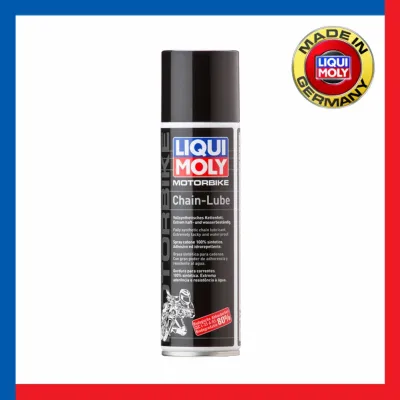
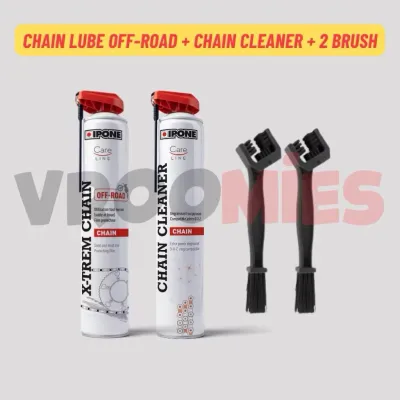
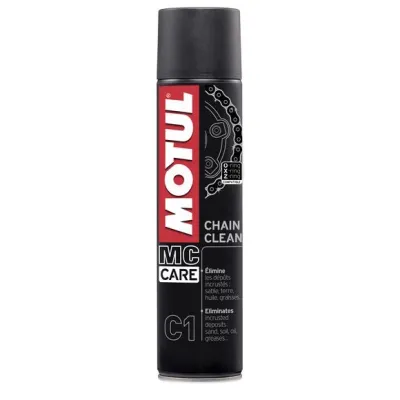
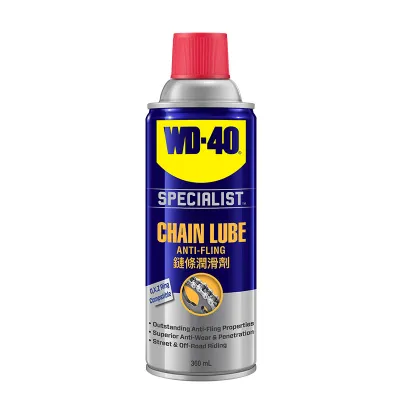
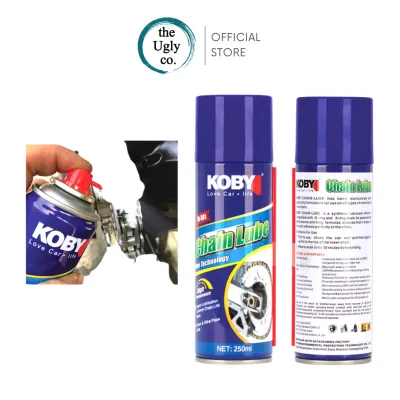
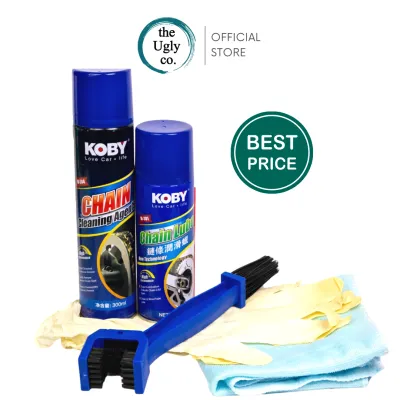
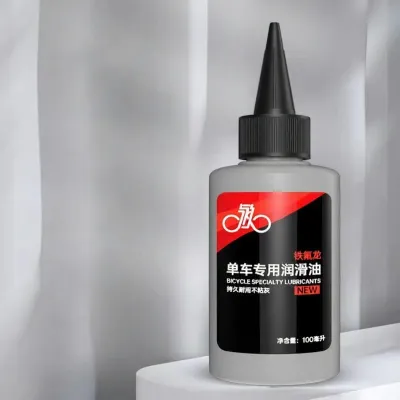
Prices are valid at publication and may change. Please refer to the product page for the latest price.
Top Chain Lube Types to Stock in Your Toolkit
A versatile maintenance toolkit should not rely on a single, all-purpose lubricant. Different riding conditions, weather patterns, and performance demands require distinct chemical formulations. By stocking a variety of specialized lubricants, you ensure that your chain remains protected whether you are navigating dusty dry roads, enduring heavy downpours, or pushing your engine on long highway tours. Let us explore the primary categories of chain lubricants that deserve a permanent spot in your garage or under-seat storage.
Wet Lubes for Rainy and Humid Conditions
Wet chain lubricants are formulated with high-viscosity synthetic or mineral oils blended with tackifiers that help the product cling tenaciously to metal surfaces. These lubricants do not dry or cure after application; they remain in a fluid, wet state. This liquid barrier is exceptionally effective at displacing water, preventing rust, and resisting the washing action of heavy road spray. If you frequently ride through sudden tropical storms, wet lubes provide the robust, long-lasting barrier your drivetrain needs to prevent immediate oxidation.
The primary trade-off of wet lubes is their high tackiness, which acts like a magnet for environmental contaminants. Road dust, fine sand, and general debris easily stick to a wet chain, forming an abrasive grinding paste over time. This paste can accelerate wear on both your chain rollers and sprocket teeth if not cleaned off regularly. For this reason, wet lubricants are best reserved for monsoon seasons, long-distance touring in unpredictable climates, or wet off-road adventures. Keep a can of high-quality wet lube in your toolkit to deploy when the weather forecast predicts sustained wet riding conditions.
Dry and Wax-Based Lubes for Clean, Dusty, or City Riding
Dry and wax-based lubricants offer a completely different approach to drivetrain protection. These products are typically formulated with solid lubricating agents—such as paraffin wax, PTFE (polytetrafluoroethylene), or ceramics—suspended in a fast-evaporating solvent carrier. When applied, the liquid carrier quickly penetrates deep into the chain rollers and seals, then evaporates, leaving behind a dry, non-sticky protective film.
The standout benefit of dry and wax lubricants is their ability to keep your motorcycle’s drivetrain and rear wheel exceptionally clean. Because the cured film is dry to the touch, it does not attract road dust, sand, or grit. This keeps your chain looking pristine and prevents the formation of the black, messy sludge commonly associated with wet lubes. However, dry and wax films are less resistant to water wash-off. If you ride through a heavy downpour, the protective dry layer can wash away relatively quickly, necessitating immediate reapplication once the chain is dry. They are the ideal choice for daily city commuting under clear skies and dry, dusty riding environments.
Heavy-Duty and Ceramic Lubes for High-Mileage or Touring
For riders who push their motorcycles to the limit over long distances or under high-load scenarios, heavy-duty and ceramic-infused lubricants represent the pinnacle of chain care technology. These premium formulations contain micro-ceramic particles or advanced synthetic extreme-pressure additives that bond to the metal surfaces. This creates an incredibly durable, ultra-low-friction boundary layer that can withstand extreme temperatures, high rotational speeds, and heavy shock loads.
These lubricants are particularly beneficial for high-horsepower sportbikes, heavy touring motorcycles carrying pillion riders and luggage, and track-day enthusiasts. The ceramic or heavy-duty synthetic barrier minimizes power loss through the drivetrain and significantly reduces heat buildup, which is one of the primary causes of O-ring degradation. While these products are generally more expensive than standard wet or dry lubes, their superior thermal stability and long-lasting protection make them an invaluable addition to a comprehensive, professional-grade maintenance toolkit.
Must-Have Companion Products for Chain Maintenance
Applying fresh lubricant over a dirty, grit-laden chain is counterproductive and can accelerate wear by trapping abrasive particles against the delicate rubber seals. To build a truly effective chain care toolkit, you must pair your lubricants with the right cleaning and application accessories.

If an action could damage an item or affect human safety, compatibility, or warranty, first check the applied product’s label and the treated item’s manufacturer instructions. If instructions conflict, the item is unidentified, or the use is not covered, stop and consult the manufacturer or a qualified professional.
Chain Cleaners and Degreasers
- A dedicated motorcycle chain cleaner is the foundation of proper chain maintenance.
- These specialized solvents are formulated to quickly dissolve stubborn grease, wax, and road grime without causing damage to rubber O-rings, X-rings, or Z-rings.
- Never use harsh industrial solvents, petrol, kerosene, or diesel unless explicitly authorized by both your chain manufacturer and the chemical product label.
- Unapproved solvents can cause the rubber seals to swell, crack, or degrade, allowing the internal factory grease to escape and leading to rapid chain failure.
- Always verify your specific motorcycle model, chain type, and road legality from your specific vehicle documentation and the lubricant's technical data sheet before application; never infer compatibility from a generic category term.
Detail Brushes
- To physically remove compacted road grime and old lubricant, a specialized chain brush is indispensable.
- A three-sided grunge brush is highly recommended, as it allows you to scrub the top, bottom, and sides of the chain links simultaneously.
- This design not only saves time but also protects your fingers from getting pinched between the chain and sprockets.
- Use a soft-bristled detail brush for the sprocket teeth and hard-to-reach areas around the front sprocket cover.
- Avoid using wire brushes or stiff metal bristles, which can puncture or tear the delicate rubber seals.
Application Aids
- Controlling where your chain lube goes is critical for both safety and cleanliness.
- Aerosol lubricants can easily drift, leading to overspray on nearby components.
- Utilizing application aids—such as drip-applicator bottles, dedicated aerosol straw attachments, or clip-on chain lube guards—helps direct the lubricant precisely onto the inner plates and rollers.
- A simple piece of clean cardboard placed behind the chain during application acts as an excellent, low-cost splash guard, protecting your rear wheel, swingarm, and brake components from unwanted overspray.
Choosing the Right Setup for Riding in Singapore
Configuring a motorcycle chain maintenance toolkit for Singapore requires careful consideration of the local tropical climate and urban driving patterns. Singapore’s weather is characterized by high ambient temperatures, persistent relative humidity often exceeding 80%, and sudden, intense convective downpours. Additionally, navigating stop-and-go traffic on major expressways puts continuous thermal and mechanical stress on your motorcycle’s drivetrain.
For a primary, day-to-day setup in Singapore, a high-quality wax-based or dry lubricant is highly recommended. The dry film prevents the accumulation of urban road dust and fine grit, keeping your swingarm and rear rim free of messy black fling-off during dry spells. This dry barrier is perfect for daily commuting, keeping your bike clean and ensuring smooth gear shifts in heavy city traffic.
However, because Singapore experiences significant rainfall, especially during the northeast monsoon season from November to January, you must adapt your toolkit. During these wet months, swap your primary dry lube for a highly adhesive wet lubricant. The wet lube’s superior water displacement properties will protect your chain from rusting due to constant exposure to standing water and road spray.
Furthermore, the combination of high humidity, ambient heat, and aggressive stop-and-go acceleration in Singapore can accelerate chain stretch and wear. You should inspect your chain slack and alignment more frequently than the standard intervals suggested in temperate-climate manuals. Keeping both a dry wax lube for regular urban riding and a robust wet lube for monsoon protection ensures your drivetrain remains reliable year-round.
Safe Application and Storage Guidelines
Working with chemical solvents and pressurized aerosols requires strict adherence to safety protocols to prevent personal injury, vehicle damage, or hazardous riding conditions.
Safety Boundaries
- The absolute golden rule of chain lubrication is to prevent any lubricant, degreaser, or cleaner from contacting your motorcycle's rear tire tread, brake discs, or brake calipers.
- Even a microscopic film of lubricant on your braking surfaces or tire edge can cause a complete loss of traction and braking power, leading to a severe accident.
- Always place a thick piece of cardboard or a dedicated plastic guard behind the lower run of the chain to catch overspray.
- Never apply chain lube while the motorcycle's engine is running and the bike is in gear on a paddock stand; this dangerous practice has caused numerous severe finger amputations. Always rotate the rear wheel manually by hand.
- If any overspray lands on your tires or brakes, immediately clean the affected area with an approved brake cleaner and verify it is completely dry and residue-free before riding.
Storage
- Many chain lubricants and cleaners are packaged in pressurized aerosol cans containing highly flammable propellants.
- Store these chemicals in a cool, dry place away from direct sunlight, extreme heat, and open flames.
- In a tropical climate like Singapore, avoid leaving aerosol cans in unventilated outdoor metal sheds or under-seat storage compartments exposed to direct midday sun, as internal temperatures can easily exceed safe limits, risking a rupture.
- Ensure all caps are tightly sealed to prevent evaporation, leakage, and pressure loss.
Frequently Asked Questions (FAQ)
Can I use general-purpose penetrating oil as a motorcycle chain lube?
No, you should never use standard multi-purpose penetrating oils as a primary motorcycle chain lubricant. These products are formulated primarily as solvents and water displacers designed to loosen rusted bolts, not to withstand the extreme rotational forces and high temperatures of a motorcycle drivetrain. Penetrating oils are highly fluid and will quickly fling off the chain, leaving the metal dry and unprotected. More importantly, the active solvents in these general-purpose oils can penetrate, swell, and destroy the delicate rubber O-rings or X-rings, stripping away the critical factory grease sealed inside the chain links. Only use products explicitly labeled for motorcycle chain application.
How do I know when it is time to reapply chain lube?
Rather than relying solely on odometer readings, you should perform regular visual and tactile inspections of your chain. A chain requires immediate re-lubrication if the rollers appear dry or shiny, if you notice any signs of light surface rust on the outer plates, or if you hear a dry, metallic rattling sound while riding or pushing the bike. Additionally, riding through a heavy rainstorm or washing your motorcycle will wash away most lubricants, meaning you should always clean and re-lubricate the chain once it has dried after wet exposure. For dry riding in urban environments, a general guideline is to inspect and lubricate the chain every 400 to 800 kilometers, depending on the specific product manufacturer’s recommendations.
Community discussion
Share your experience or ask a question. Comments are reviewed before publication.