
Commuting on two wheels in Singapore offers unparalleled agility through congested expressways and tight urban grids, but it also exposes you directly to the elements and traffic risks. Navigating the daily grind from the heartlands to the Central Business District requires more than just a reliable machine; it demands a strategic selection of accessories designed to enhance safety, combat sudden tropical downpours, and secure your motorcycle during frequent stops. By focusing on practical utility rather than cosmetic upgrades, you can transform your daily ride into a safer, more comfortable, and highly efficient journey. The right accessories act as an extension of your motorcycle, addressing the unique challenges of the local riding environment.
How to Prioritize Motorcycle Accessories for Urban Commuting
Building a practical accessory setup begins with a clear decision framework tailored to your specific daily route and riding conditions. A rider who primarily navigates high-speed expressways like the Pan Island Expressway (PIE) or Ayer Rajah Expressway (AYE) faces different challenges than one who spends most of their time weaving through low-speed, stop-and-go traffic in downtown areas. High-speed routes demand accessories that enhance aerodynamic stability and high-visibility signaling, whereas urban streets require quick-access storage and robust security for frequent parking.
When allocating your budget, prioritize safety gear and weather protection over aesthetic modifications. A high-quality rain suit or a certified helmet will always provide a greater return on investment than anodized levers or custom exhaust guards. Every addition to your motorcycle should serve a clear functional purpose, helping you manage the physical demands of riding in a hot, humid, and highly unpredictable climate.
Products mentioned in this guide
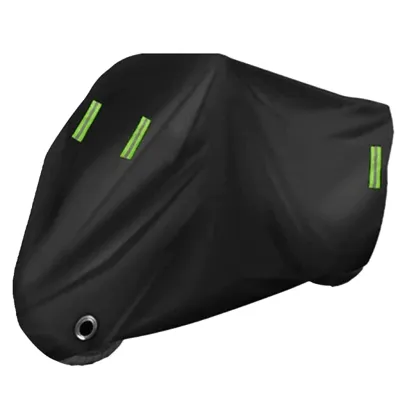
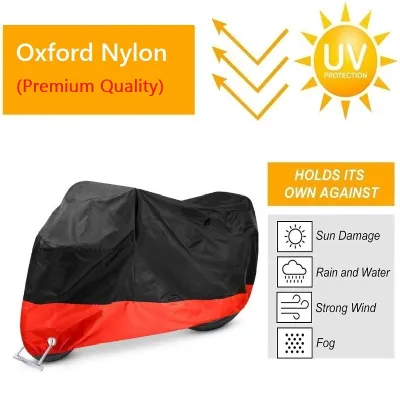
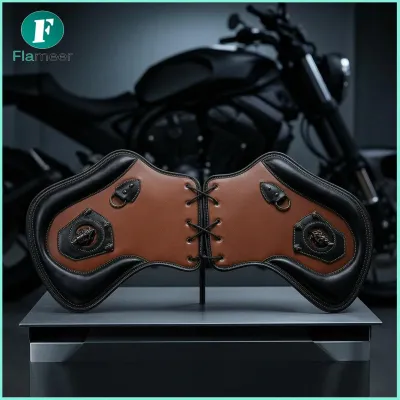
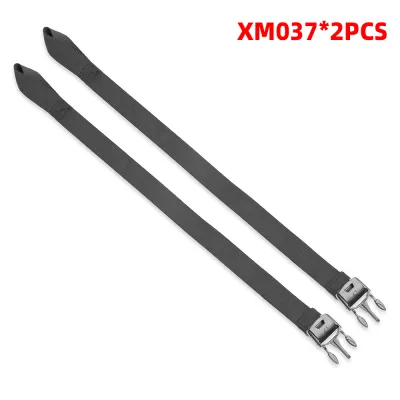
Prices are valid at publication and may change. Please refer to the product page for the latest price.
Before purchasing any accessory, you must verify its compliance with local traffic regulations. The Land Transport Authority (LTA) maintains strict guidelines regarding aftermarket modifications, including restrictions on lighting, license plate visibility, and the mounting positions of cameras or auxiliary equipment. Ensuring your accessories meet these legal standards prevents costly fines and ensures your motorcycle remains road-worthy during routine inspections. Additionally, consider how accessories might interact with your motorcycle’s In-vehicle Unit (IU) to ensure uninterrupted ERP and carpark barrier transmissions.
Essential Safety and Visibility Gear
The foundation of any commuter’s gear setup is a high-quality helmet that balances robust protection with excellent ventilation. In Singapore’s year-round tropical heat, a helmet with poor airflow quickly leads to rider fatigue and distraction. Look for helmets that carry recognized safety certifications, such as the local safety standards or international equivalents like UN ECE 22.06. Ensure the helmet fits snugly without creating pressure points, and prioritize models with multiple intake and exhaust vents to keep your head cool during slow-moving traffic.

Visibility is your primary defense against accidents in dense urban traffic, especially during early morning commutes or sudden evening storms. Integrating high-visibility apparel into your daily wardrobe significantly reduces the risk of other motorists overlooking you. Choose riding jackets or vests that feature retroreflective elements, which bounce light directly back to vehicle headlights. Opt for fluorescent colors like neon yellow or bright green, which remain highly visible even in low-light conditions and heavy rain.
Protecting your body from abrasion and impact does not mean you have to suffer from heat exhaustion. Modern protective jackets and gloves designed for tropical climates utilize high-tensile mesh panels that allow maximum airflow while maintaining structural integrity at key impact zones. Look for jackets equipped with CE-certified armor at the elbows, shoulders, and back. For gloves, select lightweight options with reinforced palms and knuckle protection, ensuring they offer a tactile grip on the handlebars even when wet.
Regular maintenance of your safety gear is equally important to ensure its longevity and performance. The high humidity in Singapore can lead to mold and odor buildup in helmet liners and riding jackets. Choose gear with removable, washable inner liners, and allow them to air dry completely in a well-ventilated area after a sweaty ride. This simple practice prevents material degradation and keeps your gear fresh for the daily commute.
Weather Preparedness for Tropical Commutes
Sudden monsoon downpours are a defining characteristic of riding in Singapore, making reliable rain gear an absolute necessity for every commuter. A high-quality, two-piece rain suit constructed from breathable, waterproof materials is far more effective than cheap, single-use ponchos. Look for suits with taped seams, double-zipper storm flaps, and adjustable cuffs to prevent water from seeping in at high speeds. Additionally, pack a pair of durable, slip-on waterproof boot covers to keep your footwear dry and maintain a secure grip on the footpegs.
When a sudden storm hits, finding a safe location to pull over and put on your rain gear is critical. Avoid stopping under low-clearance flyovers or on the shoulders of busy expressways where visibility is severely compromised. Instead, plan your route to identify safe stopping points, such as petrol stations or covered carparks, where you can transition into your wet-weather gear without endangering yourself or obstructing traffic.
Keeping your personal belongings dry requires a dependable waterproof luggage solution. While soft dry bags with roll-top closures are highly effective and versatile, hard top cases offer excellent security and convenience for daily commuting. Ensure your chosen luggage system features robust, weather-resistant seals and secure mounting points that are compatible with your motorcycle’s rear rack. Regularly inspect the mounting hardware to ensure it remains tight and stable under the vibration of daily riding.
Maintaining clear vision through your helmet visor during a heavy downpour is essential for safe navigation. Water-repellent coatings applied to the exterior of the visor encourage water droplets to bead and slide off quickly, preventing a distorted view of the road. On the inside of the visor, an anti-fog insert is invaluable for preventing condensation caused by the temperature differential between the humid air outside and your breath inside the helmet.
Convenience and Security Add-Ons
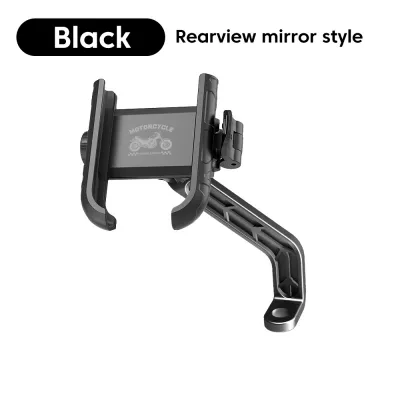
A reliable phone mount is indispensable for navigating complex urban routes and monitoring traffic updates, but it must be chosen with care. Look for mounts that incorporate dedicated vibration dampening systems to protect your smartphone’s sensitive optical image stabilization components from high-frequency engine vibrations. The mounting mechanism must feature a secure, mechanical locking grip that prevents the device from shaking loose on uneven road surfaces or when crossing speed bumps.
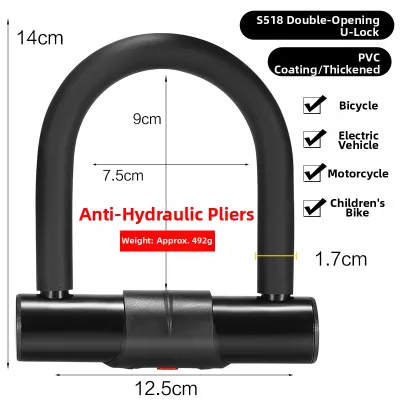
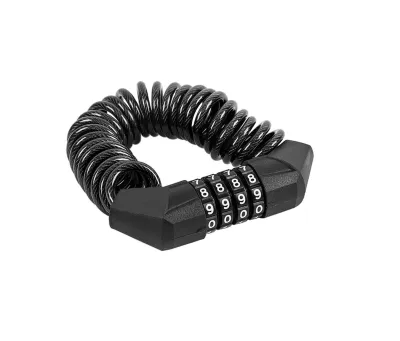
Securing your motorcycle during daily stops at HDB carparks or commercial buildings requires a multi-layered security approach. While steering locks provide basic protection, adding a heavy-duty disc lock with a built-in reminder cable significantly deters opportunistic theft. For longer stops or high-risk areas, consider a heavy-duty chain lock that allows you to secure the motorcycle’s frame to a permanent fixture. Choose locks made from hardened steel that resist cutting and drilling attacks.
Installing a dedicated motorcycle dash camera system provides invaluable documentation in the event of a traffic incident or dispute. Select a dual-camera system that records both front and rear views in high definition, featuring loop recording to automatically overwrite older footage. The camera units and main recording module must carry high weather-resistance ratings to withstand intense tropical rain and prolonged exposure to direct sunlight. Ensure the system is wired directly to the motorcycle’s ignition so it begins recording automatically every time you start your ride.
When positioning accessories like phone mounts or dash cameras, ensure they do not obstruct your view of the road or block the signal of your In-vehicle Unit (IU). The IU must have a clear line of sight to ERP gantries and carpark readers to function correctly. Blocking this unit can lead to failed transactions and subsequent administrative fees, defeating the convenience of your commuter setup.
Installation and Compatibility Checks Before You Buy
Before purchasing any aftermarket accessory, you must cross-reference its specifications with the exact make, model, and year of your motorcycle. Generic accessories often require modifications that can compromise the structural integrity of your bike or interfere with its operation. Always consult the manufacturer’s compatibility charts and installation manuals to ensure a precise fit without the need for unsafe adaptations.
Adding powered accessories, such as auxiliary lights, charging ports, or heated grips, places an additional demand on your motorcycle’s electrical system. Review your vehicle’s owner’s manual to determine the maximum electrical load capacity of the alternator and battery. Exceeding this limit can lead to battery drain, charging system failure, or electrical fires. If you are unsure about the electrical requirements, consult a qualified professional to install a dedicated relay system that protects your main wiring harness.
While many basic accessories can be installed with standard hand tools, complex installations—especially those involving electrical wiring, braking systems, or structural modifications—should always be handled by a professional mechanic. Improperly installed accessories can void your motorcycle’s warranty, compromise its safety, and pose a hazard to other road users. Prioritize professional installation to ensure your accessories are mounted securely and function as intended.
Furthermore, ensure that any electrical connections made during installation are thoroughly sealed against water ingress. The intense rainstorms in Singapore can easily penetrate poorly insulated wiring, leading to short circuits and electrical failures. Using marine-grade heat shrink tubing and waterproof connectors is highly recommended to protect your motorcycle’s electrical integrity over the long term.
Frequently Asked Questions (FAQ)
Are aftermarket phone mounts safe for smartphone cameras?
Many modern smartphones feature delicate optical image stabilization (OIS) systems that can be permanently damaged by the high-frequency vibrations produced by motorcycle engines. To protect your device, select a phone mount specifically designed with integrated vibration dampening modules. These dampening systems absorb the harsh vibrations before they reach your phone, preserving the camera’s functionality. Additionally, ensure the mount is securely clamped to a stable part of the handlebars or mirror stem.
What should I look for in a commuter motorcycle helmet?
A great commuter helmet must balance safety, ventilation, and daily convenience. Look for a helmet that carries recognized safety certifications and fits your head shape precisely without causing hot spots. Excellent ventilation is crucial for riding in tropical climates, so prioritize models with multiple adjustable air vents. For daily commuting, a helmet with an integrated drop-down sun visor and a quick-release chin strap offers practical convenience during frequent stops and changing light conditions.
Community discussion
Share your experience or ask a question. Comments are reviewed before publication.