
Riding a motorcycle through Singapore’s sudden, intense tropical downpours requires gear that goes far beyond a basic plastic poncho. A proper motorbike raincoat must deliver a precise balance of absolute water resistance, high visibility, and active ventilation to handle both torrential rain and stifling humidity. Because riders face high-speed winds on expressways alongside heavy traffic, the raincoat must also feature a secure, flap-free fit and accommodate protective armor. Selecting the right gear involves verifying specific technical standards, construction methods, and material designs that keep you dry from the outside while preventing sweat buildup on the inside.
Verifying Waterproofing Standards and Seam Construction
When evaluating a motorbike raincoat, the first line of defense is the fabric’s rated water resistance. Manufacturers often measure this using a hydrostatic head rating, which indicates the height of a water column the material can support before moisture penetrates. For heavy tropical downpours, look for garments with high ratings on their product labels or specification sheets, typically starting at 10,000 mm or higher. This level of resistance ensures the fabric can withstand the pressure of driving rain combined with the wind force experienced at highway speeds.
Even the most waterproof fabric will fail if the seams are poorly constructed. Standard stitching creates thousands of tiny needle holes that act as pathways for water ingress under pressure. To prevent this, prioritize raincoats featuring fully taped or heat-welded seams. Taped seams use a waterproof tape applied under heat and pressure along the inside of the stitched lines, while welded seams melt the fabric edges together to form a single, continuous barrier. Inspect the interior of the garment before purchasing to confirm that every seam is sealed.
Products mentioned in this guide
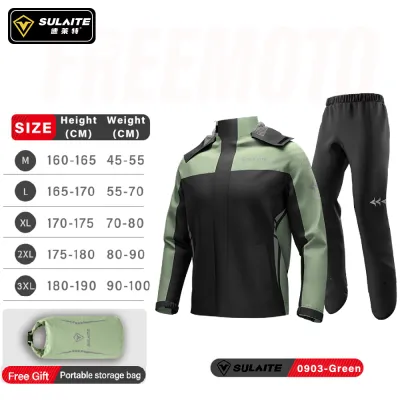
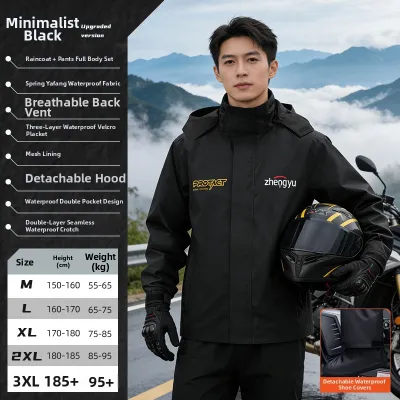
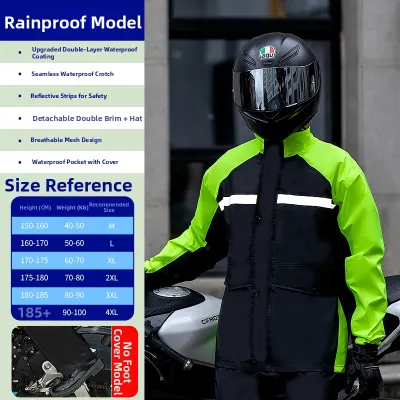
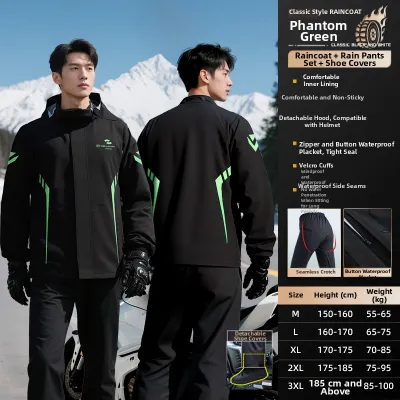

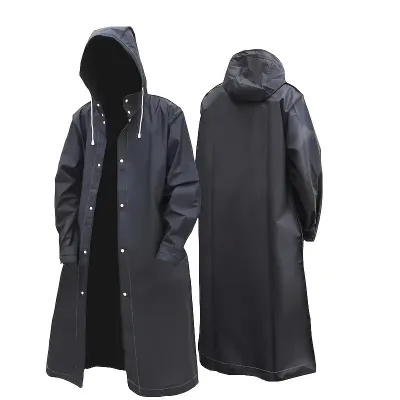
Prices are valid at publication and may change. Please refer to the product page for the latest price.
Closure systems are another critical entry point for water during a heavy storm. A high-quality raincoat should feature a robust main zipper protected by a wide storm flap, which is ideally secured by hook-and-loop fasteners or snap buttons to redirect water away from the zipper teeth. Adjustable cuffs at the wrists and a high, snug-fitting collar are also essential. These features allow you to create a tight seal against your gloves and helmet, preventing water from running down your sleeves or neck while riding.
Evaluating Breathability and Moisture Management
In a tropical climate, staying dry from the rain is only half the battle; preventing internal condensation from sweat is equally important. High humidity levels mean that non-breathable raincoats quickly turn into personal saunas, leading to discomfort and fogged helmet visors. To address this, look for materials that specify a high moisture vapor transmission rate (MVTR) or utilize breathable membrane technologies. These specialized membranes feature microscopic pores that are too small for liquid water droplets to pass through, yet large enough to allow sweat vapor to escape.

Active physical ventilation features are crucial for promoting airflow inside the jacket when riding in warm, humid weather. Look for raincoats designed with dedicated underarm zippers, zippered chest vents, or covered back exhaust vents. These openings allow fresh air to circulate through the garment without letting rain inside, especially when paired with a breathable mesh lining that keeps the outer waterproof shell from sticking directly to your skin or riding jacket.
It is important to understand the practical trade-offs associated with different waterproof coatings. Heavy-duty, non-breathable materials like polyvinyl chloride (PVC) or thick polyurethane (PU) coatings offer excellent, long-lasting waterproofing at a lower cost, but they provide zero breathability. If you opt for these materials, ensure the jacket has extensive physical venting to compensate. For daily commuters who prioritize comfort during long rides, investing in a multi-layer breathable laminate membrane is generally the more effective choice for managing heat and humidity.
Checking Visibility and Reflective Elements
Sudden tropical downpours can instantly reduce road visibility to near-zero levels, making it difficult for other motorists to see you. To stay safe on busy roads, your motorbike raincoat must feature high-visibility elements that remain effective in low-light and wet conditions. Look for garments with wide reflective piping, retroreflective patches, or high-contrast logos strategically placed across the shoulders, upper back, and sleeves. These positions are most visible to drivers behind and alongside you, even when you are in a forward-leaning riding stance.
The base color of your raincoat plays a significant role in daytime safety. While dark colors like black or navy are popular for hiding road grime, they blend into the gray, rainy background during a storm. Opting for high-visibility fluorescent colors, such as neon yellow, bright orange, or lime green, significantly increases your visual presence on the road. Many modern designs combine a bright upper torso with darker lower sections to balance visibility with practical stain resistance.
Before purchasing, verify through product descriptions or labels that the reflective materials are rated for wet-weather performance. Low-quality reflective tape can lose its retroreflective properties when covered by a film of water, or it may begin to crack and peel after repeated exposure to intense sunlight and heavy rain. High-quality, brand-certified reflective elements are engineered to bounce light directly back to its source even when fully wet, ensuring you remain visible to headlights through a sheet of falling water.
Assessing Fit, Wind Resistance, and Abrasion Protection
A loose, poorly fitted raincoat will flap violently at highway speeds, which causes rider fatigue, distracts you from the road, and can even damage the garment’s seams over time. To prevent this, choose a raincoat that offers multiple adjustable fitment options. Look for adjustable straps, drawcords, or snap adjusters at the waist, biceps, forearms, and collar. These allow you to cinch the excess fabric tight against your body, streamlining your profile and reducing wind resistance.
While waterproofing is the primary goal, a motorbike raincoat should also complement your overall safety gear. Some raincoats are designed as outer shells to be worn directly over your standard armored riding jacket, while others feature built-in armor pockets at the elbows, shoulders, and back. If you choose an over-jacket style, ensure it is sized generously enough to fit over your armor without restricting your range of motion. Additionally, check that the outer fabric offers basic abrasion resistance, such as high-denier polyester or nylon, to provide a layer of protection in the event of a slide.
The cut of the raincoat must be tailored specifically for motorcycling. Standard rain jackets are often cut straight, which can cause the hem to ride up and expose your lower back when you lean forward to reach the handlebars. A motorcycle-specific raincoat typically features a pre-curved sleeve design and an extended rear hem to ensure complete coverage and comfort in a riding posture. Always try on the raincoat while wearing your usual riding gear to verify that it does not bind at the shoulders or pull tight across the chest.
Maintaining Your Raincoat in Tropical Climates
The combination of high heat, intense humidity, and frequent rain creates a challenging environment for maintaining technical outerwear. To prolong the lifespan of your motorbike raincoat, always follow the manufacturer’s specific washing instructions. Avoid using standard household detergents, fabric softeners, or bleach, as these harsh chemicals can strip away the durable water repellent (DWR) coating applied to the outer fabric. Instead, use a specialized technical wash designed for waterproof garments to clean away road grime, oil, and sweat without damaging the protective layers.
Proper drying is critical to prevent the growth of mold, mildew, and unpleasant odors, which thrive in humid climates. After every ride in the rain, hang your raincoat on a wide, padded hanger in a well-ventilated indoor area away from direct sunlight. Never pack a damp raincoat into an under-seat compartment, top box, or backpack, as trapped moisture will rapidly degrade the seam tape and cause the waterproof inner coating to delaminate. Allow the garment to dry completely inside and out before storing it.
Over time, even the highest-quality raincoats will show signs of wear. Regularly inspect the interior of your jacket for peeling seam tape, cracking coatings, or areas where the fabric appears to absorb water rather than letting it bead off. If the outer fabric begins to soak up water, it can severely compromise the garment’s breathability. You can often restore this performance by applying a spray-on DWR reproofing treatment, following the instructions on the product label to ensure compatibility with your raincoat’s material.
Frequently Asked Questions (FAQ)
Can I use a standard hiking rain jacket for motorbike riding?
Standard hiking rain jackets are generally not suitable for motorcycle riding due to differences in design and material strength. Hiking jackets are built for low-speed movement and lack the abrasion resistance needed to protect you during a slide on asphalt. Furthermore, they are prone to violent flapping at highway speeds, which can distract the rider and quickly tear the seams. Motorbike-specific raincoats are constructed with heavier fabrics, feature wind-resistant adjusters, and are cut to accommodate riding armor and a forward-leaning posture.
How often should I reapply water repellent treatments to my raincoat?
The frequency of reapplying a durable water repellent (DWR) treatment depends on how often you ride in the rain and how you store your gear. A simple way to check is by performing a visual water bead test: splash some clean water onto the dry outer fabric of your raincoat. If the water beads up and rolls off, the coating is still active; if the fabric absorbs the water and darkens, it is time to reapply a treatment. Always consult the garment’s care label for specific instructions on compatible reproofing sprays or wash-in treatments.
Community discussion
Share your experience or ask a question. Comments are reviewed before publication.