
Owning a MINI Cooper is an exciting milestone, bringing a unique blend of go-kart handling, iconic styling, and premium cabin comfort to your daily drives. However, the temptation to immediately customize every inch of your new hatchback can lead to unnecessary spending on items that do not add real value to your ownership experience. To get the most out of your vehicle, you should focus first on practical accessories that protect your investment, enhance daily usability, and suit your specific driving environment. By separating immediate necessities from optional aesthetic upgrades, you can preserve the car’s pristine condition and enjoy a more comfortable commute from day one.
Selecting the right accessories requires a balance between preserving the vehicle’s resale value and tailoring the cabin to your lifestyle. A well-planned approach ensures you do not clutter the compact interior or compromise the car’s sophisticated electrical systems. Whether you are navigating tight urban spaces or parking under the intense tropical sun, prioritizing your purchases will help you build a functional, highly enjoyable driving environment without overspending.
How to Prioritize MINI Cooper Accessories for Your Needs
Establishing a practical framework for accessory purchases prevents the common mistake of buying items that look appealing online but offer little utility in daily driving. To distinguish between immediate necessities and optional upgrades, categorize potential purchases based on three core pillars: protection against wear, daily convenience, and safety. Items that shield your car from physical damage or environmental degradation should always take priority, as they actively preserve the vehicle’s long-term value. Convenience upgrades should follow, selected specifically to address the daily pain points of your regular commute.
Products mentioned in this guide

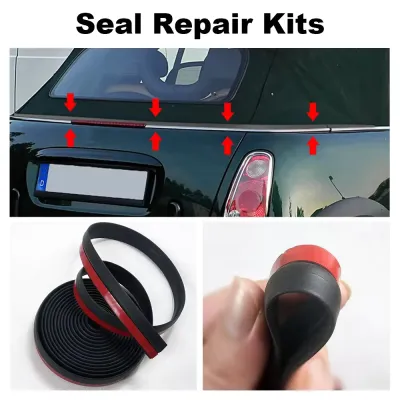
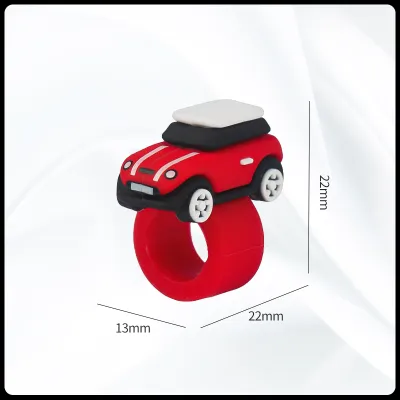
Prices are valid at publication and may change. Please refer to the product page for the latest price.
Your local driving environment plays a decisive role in determining which accessories are truly essential. In Singapore, the combination of intense tropical heat, sudden torrential downpours, and tight urban parking spaces creates a demanding environment for any vehicle. High humidity and strong ultraviolet (UV) radiation accelerate the wear of interior plastics and leather, making solar protection an immediate priority. Similarly, the frequent transition from wet outdoor environments to the car cabin during the monsoon season demands robust interior protection to prevent moisture buildup and unpleasant odors.
Tight multi-storey car parks and parallel street parking also increase the risk of minor scuffs, door dings, and wheel scrapes. Recognizing these environmental challenges allows you to focus your budget on accessories that mitigate these specific risks. For example, investing in high-quality protective barriers early on is far more cost-effective than paying for paint corrections or interior detailing later.
Rather than purchasing a large suite of accessories all at once, consider phasing your purchases over your first year of ownership. Allocate a starting budget of around S$500 to S$1,000 during the first month to cover critical protection items like custom floor mats and high-quality sunshades. By the sixth month, as you become more familiar with the car’s daily ergonomics, you can introduce convenience upgrades like specialized phone mounts or boot organizers. Reserve purely aesthetic modifications, such as custom decals or interior trim pieces, for the end of the first year once you have fully settled into the ownership experience.
Essential Protection Accessories for Daily Driving
The primary goal of your initial accessory budget should be shielding the MINI’s interior and exterior from immediate wear and tear. The tropical climate in Singapore demands robust solar protection to prevent the cabin from turning into an oven when parked outdoors. High-quality, custom-fit folding sunshades designed specifically for the MINI Cooper’s upright windscreen block harmful UV rays and significantly reduce dashboard surface temperatures. For continuous protection while driving, invest in premium UV-protective window films; ensure you verify that the film’s Visible Light Transmittance (VLT) complies with local road regulations before installation.

Your car’s carpets are highly vulnerable to damage from wet shoes, mud, and accidental spills, especially during heavy downpours. Standard fabric floor mats absorb moisture easily, leading to damp carpets, mold growth, and persistent musty smells in humid weather. Replacing them with custom-fit, all-weather floor mats made from durable thermoplastic elastomers (TPE) or heavy-duty rubber is a highly effective upgrade. These mats feature raised edges that trap water and dirt, making them incredibly easy to remove and spray clean without risking damage to the underlying floorboards.
To protect the exterior paintwork from road debris, stone chips, and environmental contaminants, consider applying paint protection film (PPF) or a high-grade ceramic coating. PPF is particularly beneficial for high-impact areas such as the front bumper, bonnet, and side mirrors, which are frequently pelted by loose gravel on busy expressways. Before applying any film or coating, consult your dealership and review your vehicle’s warranty documentation to ensure the application process does not conflict with your original paintwork warranty.
The daily act of entering and exiting the vehicle, along with loading cargo, presents constant opportunities for minor scratches. The door sills are prime targets for shoe scuffs, while the rear bumper is easily scraped when sliding heavy bags or groceries into the boot. Installing durable door sill protectors—available in brushed metal or heavy-duty plastic—and a custom-fit rubber trunk liner provides an immediate physical barrier against these common cosmetic damages. These simple additions keep the high-contact areas of your MINI looking brand new for years.
Convenience and Usability Upgrades for City Commutes
Navigating busy urban expressways and crowded parking structures requires accessories that enhance safety, connectivity, and organization. A high-definition, dual-channel dashcam with an active parking mode is arguably the most critical convenience and security upgrade you can install. This device provides invaluable video evidence in the event of a traffic dispute or a hit-and-run incident in a public car park. Because installing a dashcam involves connecting to the vehicle’s electrical system, you must ensure the unit is hardwired using a dedicated battery pack or a manufacturer-approved wiring kit to prevent draining the main 12V battery or triggering system errors.
The distinctive interior design of the MINI Cooper, characterized by its large central circular instrument cluster and compact air vents, makes finding a suitable phone mount challenging. Standard universal vent-clip mounts often block air conditioning flow or obscure vital dashboard displays. To maintain a clean and safe cockpit, look for specialized phone mounts or wireless charging pads designed specifically for the MINI’s dashboard architecture. These mounts typically bolt securely behind the steering column or clip onto designated console points, keeping your phone within your line of sight for navigation without cluttering the cabin.
While the MINI Cooper’s compact dimensions make it incredibly agile in city traffic, its boot space is naturally limited. To prevent groceries, sports gear, or shopping bags from sliding around and causing distractions during cornering, invest in a collapsible boot organizer or a heavy-duty cargo net. These accessories utilize the existing tie-down points in the trunk to secure loose items, maximizing the usable volume of the compact cargo area and keeping the space tidy.
Unexpected roadside issues can happen to any driver, making a compact emergency kit a vital addition to your boot. A portable digital tire inflator that plugs directly into the car’s 12V power outlet allows you to monitor and adjust tire pressures on the go, which is especially useful if your MINI is equipped with run-flat tires. Pair this inflator with a compact safety kit containing a reflective warning triangle, a high-visibility vest, and a basic first-aid kit to ensure you are prepared for any expressway emergencies.
Aesthetic and Comfort Add-ons to Consider Later
Once you have secured the essential protection and convenience upgrades, you can begin exploring personalization options to enhance the comfort and visual appeal of your MINI. Customizing the interior with ambient lighting kits or personalized trim pieces is a popular way to reflect your style. However, when installing any interior trim or lighting accessories, you must carefully verify that they do not obstruct the deployment paths of the steering wheel, dashboard, or side curtain airbags, and that they do not interfere with automatic light sensors.
For drivers who spend long hours navigating heavy traffic, upgrading cabin ergonomics can make a significant difference in daily comfort. The MINI’s sporty seats offer excellent lateral support but can sometimes feel overly firm on longer journeys. Adding high-density memory foam seat cushions or ergonomic neck pillows can provide targeted support for your lower back and neck, reducing fatigue during slow-moving commutes.
Exterior personalization is a core part of the MINI culture, ranging from contrast mirror caps and bonnet stripes to upgraded alloy wheels. While these modifications allow you to stand out on the road, they must be approached with caution. In Singapore, any exterior modifications must comply strictly with Land Transport Authority (LTA) guidelines regarding vehicle dimensions and lighting. Furthermore, upgrading to larger alloy wheels can alter the vehicle’s speedometer accuracy and ride quality; always ensure the new wheels match the manufacturer’s specified offset and load ratings, and notify your motor insurance provider of the changes to avoid potential claim complications.
If you find the cabin noise on concrete expressways higher than preferred, consider investing in professional sound-deadening materials or premium audio upgrades. Applying sound-isolating mats inside the door panels and under the boot floor can dramatically reduce road and tire noise, creating a quieter, more premium cabin environment. Because these upgrades require the disassembly of interior door cards and trim panels, they should be performed by qualified professionals to avoid damaging delicate clips, wiring harnesses, or window mechanisms.
What to Check Before Buying Aftermarket MINI Accessories
The aftermarket ecosystem for MINI Cooper accessories is vast, but purchasing parts without proper verification can lead to costly compatibility issues or safety hazards. Your first step must always be verifying the exact generation and trim level of your vehicle. A third-generation hatchback (such as the F56) has completely different interior dimensions, mounting points, and electrical architectures compared to older generations (like the R56) or newer electric models (such as the J01). Never assume an accessory is universal; always cross-reference the product’s compatibility list with your vehicle’s official documentation.
Electrical modifications carry the highest risk of causing damage or voiding manufacturer warranties. Modern MINIs rely on highly sensitive, computerized electrical networks to manage everything from engine performance to cabin lighting. Splicing into existing wires to power aftermarket accessories can trigger fault codes, drain the battery, or even cause short circuits. For any accessory that requires hardwiring, always prioritize plug-and-play kits that connect directly to designated accessory ports, and seek qualified professional installation to ensure the work is done safely and correctly.
Before purchasing or installing any accessory, you must also ensure it complies with local traffic laws and safety standards. In Singapore, strict regulations govern window tint darkness, aftermarket lighting, and the placement of objects on the windscreen. For instance, your dashcam must be mounted in a position that does not obstruct your forward field of vision, and any window films must meet the minimum light transmittance requirements. Non-compliant modifications can result in failed vehicle inspections, fines, or the rejection of insurance claims in the event of an accident.
Knowing when to stop a DIY installation and consult a professional is crucial for maintaining your vehicle’s safety and warranty. While installing floor mats, trunk liners, or simple phone mounts is perfectly safe for a beginner, any task involving electrical wiring, panel removal, suspension components, or safety systems requires professional expertise. If an installation manual instructs you to splice wires, disable sensors, or remove safety covers, halt the process immediately and take your vehicle to a certified MINI technician or an authorized service center.
Frequently Asked Questions (FAQ)
Do I need to buy genuine MINI accessories or are aftermarket options safe?
Genuine MINI accessories (Original Equipment Manufacturer, or OEM) offer the guarantee of perfect fitment, matching materials, and seamless integration with your vehicle’s design. Because they are developed alongside the car, they do not risk voiding your manufacturer warranty or interfering with vehicle systems. However, reputable aftermarket brands can be a safe and cost-effective alternative, provided you research them thoroughly. Look for aftermarket brands that have positive, verified reviews within the MINI owner community, use high-quality materials like TPE or ABS plastic, and offer clear installation instructions and product warranties.
Will installing aftermarket accessories void my MINI warranty?
Installing aftermarket accessories does not automatically void your entire vehicle warranty, but it can complicate future claims. Under standard warranty terms, a dealership can only deny a warranty claim if they can prove that the aftermarket accessory directly caused the failure of the component in question. For example, if an incorrectly wired aftermarket dashcam causes an electrical short, the repair of the electrical system will not be covered under warranty. To protect yourself, keep all original parts so you can easily revert the car to stock if necessary, and always consult your dealership before making any permanent electrical or structural modifications.
Community discussion
Share your experience or ask a question. Comments are reviewed before publication.