
Setting up a dedicated home car wash station requires more than just a garden hose and a bucket of soapy water. For car enthusiasts and meticulous owners, washing a vehicle is a balancing act between removing abrasive road grime and protecting the delicate clear coat from micro-marring and swirl marks. In tropical environments where high ambient temperatures, intense sunlight, and sudden rain showers are common, the margin for error is exceptionally slim. Washing a vehicle under these conditions means water and cleaning solutions evaporate rapidly, significantly increasing the risk of mineral spotting and chemical etching. To achieve a flawless finish without compromising the integrity of your paintwork, assembling a curated selection of high-quality maintenance tools is a necessary investment.
Gyeon offers a highly engineered ecosystem of maintenance tools and accessories designed specifically to minimize friction during the wash process. By understanding the physical properties of these tools and how they interact with your vehicle’s surfaces, you can build a highly effective home wash setup tailored to your specific environment. Whether you are washing your vehicle in a private landed driveway or utilizing a shared wash bay in a multi-storey residential car park, selecting the right tools ensures that every contact point with your vehicle is safe, efficient, and methodical.
Essential Wash and Contact Tools
The contact wash phase is the most critical stage of any car maintenance routine, as this is when the physical removal of dirt occurs. Introducing friction to a dirty paint surface carries an inherent risk of scratching, which is why your choice of contact tools must prioritize safety and lubrication. Microfiber wash mitts, such as the Gyeon Q²M Smoothie or Q²M WashPad, are engineered to address this risk by utilizing advanced synthetic fiber blends. Unlike traditional sponges that trap dirt on their flat surfaces—effectively grinding abrasive particles into the clear coat—high-quality microfiber mitts feature long, split-fiber loops. These loops pull dirt away from the paint and suspend it deep within the pile, keeping the abrasive contaminants isolated from the vehicle’s surface until they are rinsed away.
Products mentioned in this guide
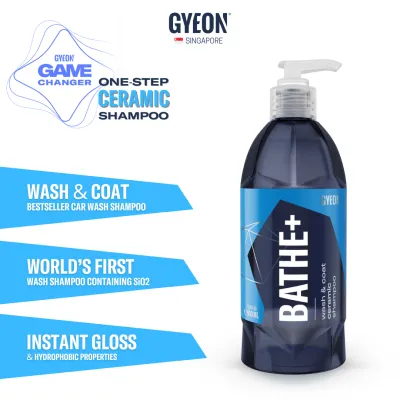
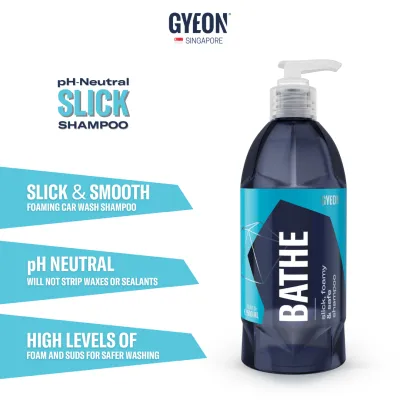
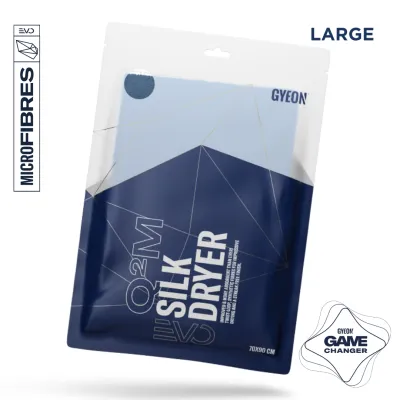
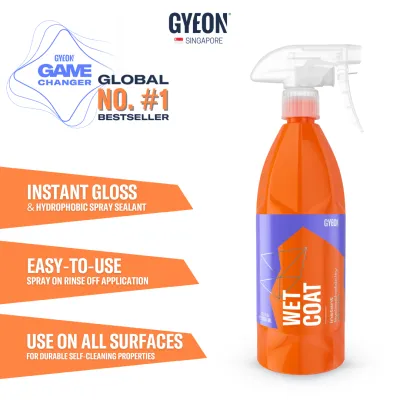
Prices are valid at publication and may change. Please refer to the product page for the latest price.
When evaluating wash mitt materials, consider the paint hardness and typical dirt levels of your vehicle. Natural wool blends offer exceptional lubrication and a very soft touch, making them highly suitable for delicate, soft clear coats often found on Japanese imports. However, natural wool is highly delicate, requiring meticulous hand-washing and air-drying to prevent the backing from rotting. Microfiber blends, on the other hand, offer a robust balance of durability, high water absorption, and ease of maintenance. They can withstand repeated machine washing and are highly effective at lifting heavy road grime without degrading. For most home detailers, a premium microfiber wash mitt provides the most reliable and consistent performance over time.
To safely execute the contact wash, you must pair your wash mitt with a proper two-bucket system. This method utilizes one bucket filled with your soapy wash solution and a second bucket filled with clean water for rinsing the mitt. Both buckets must be equipped with grit guards, which are radial plastic grids that sit securely at the bottom of the bucket. As you rinse your dirty wash mitt, rubbing it against the grit guard helps release trapped dirt particles, which then settle beneath the grid. The design of the grit guard prevents these particles from being swept back up into the clean water column when you reload the mitt with soap. Before purchasing, verify that the inner diameter of your buckets matches the specifications of the grit guards to ensure a tight, stable fit that will not float or shift during the wash.
Before any physical contact occurs, a pre-wash phase using a foam cannon is highly recommended to loosen and emulsify surface contamination. A foam cannon attaches to a pressure washer, mixing water, air, and a dedicated pre-wash foaming agent to produce a thick, clinging foam that dwells on the paint. This dwelling action softens stubborn dirt, allowing it to be safely rinsed away before you touch the vehicle with a mitt. When selecting a foam cannon, compatibility with your existing pressure washer is the primary technical consideration. You must verify the thread pitch and connection interface of your pressure washer’s spray gun. Most residential pressure washers utilize either a standard 1/4-inch quick-connect fitting, an M22 threaded connection, or proprietary bayonet adapters specific to brands like Karcher, Nilfisk, or Bosch. Ensuring a secure, leak-free connection is vital for maintaining consistent pressure and generating the dense foam required for an effective pre-wash.
Drying and Water Removal Solutions
Drying the vehicle is a phase where many paint defects are inadvertently introduced. As water evaporates from the paint surface, any dissolved minerals present in the tap water are left behind, forming hard water spots. In warm, humid climates, this evaporation happens rapidly, making efficient water removal a race against time. Using a low-quality towel or dragging a dirty cloth across the paint will quickly result in micro-marring. To prevent this, Gyeon developed specialized drying towels, such as the Q²M Silk Dryer, which utilize a unique twist-loop microfiber design. This construction features twisted strands of microfiber that lay flat, maximizing the surface area in contact with the paint and allowing the towel to glide effortlessly while absorbing massive amounts of water in a single pass.

When selecting a drying towel, matching the towel’s dimensions and density—measured in grams per square meter (GSM)—to the physical size of your vehicle is essential. High-GSM towels (typically ranging from 500 to over 1000 GSM) are incredibly plush and hold a substantial volume of water, making them ideal for larger vehicles like SUVs, MPVs, or station wagons. However, these heavy towels can become waterlogged and difficult to wring out by hand mid-wash. For compact sedans or hatchbacks, a medium-sized towel (such as 50 x 55 cm) with a moderate GSM is often more maneuverable and easier to handle, preventing the towel from accidentally dragging on the ground and picking up abrasive debris.
The edge design of your drying towel also plays a significant role in scratch prevention. Traditional towels often feature stitched polyester edges that can become stiff over time, posing a scratch hazard to delicate clear coats. Edgeless towels, which are precision-cut using ultrasonic lasers, eliminate this risk entirely by leaving the soft microfiber fibers exposed at the borders. Alternatively, premium edged towels utilize soft silk or microfiber banding to cover the seams, ensuring that every part of the towel that contacts the paint is completely safe. For vehicles with soft, dark-colored paint finishes, edgeless or silk-banded designs are highly recommended to minimize the risk of fine scratching during the drying process.
While a large, plush towel is perfect for flat body panels, secondary drying aids are necessary for clearing water from glass, door jambs, and intricate crevices. Waffle weave towels, characterized by their distinct recessed square pattern, are highly effective for these tasks. The tight, flat weave of a waffle towel provides excellent glass-clearing capabilities, gliding smoothly without sticking or leaving behind lint fibers that can impair visibility. Using a smaller waffle weave towel to dry side mirrors, fuel filler necks, window seals, and emblem surrounds prevents trapped water from slowly weeping out onto your freshly dried paint, which would otherwise leave unsightly run lines as you drive.
Detailing Brushes and Specialty Accessories
Wheels and tires accumulate the most severe contamination on a vehicle, including highly abrasive metallic brake dust, road salt, and stubborn road grime. Cleaning these areas requires specialized tools that can reach deep into the wheel barrels and behind brake calipers without damaging the wheel finish. Gyeon’s Q²M WheelBrush is designed with a soft microfiber head rather than stiff nylon bristles, making it exceptionally safe for sensitive wheel finishes such as gloss black, chrome, polished aluminum, or custom painted faces. Before purchasing any wheel brush, it is crucial to check your wheel manufacturer’s care guidelines, as aggressive scrubbing with stiff bristles can easily haze delicate clear coats or degrade protective ceramic coatings.
For intricate exterior areas such as plastic grilles, window surrounds, badging, and emblems, soft-bristle detailing brushes are indispensable. These brushes allow you to agitate pre-wash foam or all-purpose cleaners in tight gaps where a wash mitt cannot reach. When selecting detailing brushes, look for synthetic bristles that offer high chemical resistance. This ensures the brush can withstand exposure to strong pre-wash agents, iron removers, and degreasers without shedding or losing its structural integrity. However, always observe safe chemical boundaries; avoid using highly concentrated acid-based cleaners or harsh solvents with these brushes, as they can degrade the brush adhesive, swell the bristles, or damage the delicate plastic and adhesive backings of your vehicle’s emblems.
Achieving crystal-clear, streak-free glass is the final touch of a complete home wash, and it requires a dedicated glass-specific towel. Standard plush microfiber towels are prone to leaving behind tiny lint fibers and static charge on glass surfaces, which quickly attracts dust. A dedicated glass towel, such as the Q²M GlassWipe, features a flat, tight weave that maximizes contact with the glass to lift dirt and oils cleanly away. When paired with a high-quality glass cleaner, this specific weave ensures that the cleaning solution evaporates evenly without leaving behind streaks, haze, or lint, ensuring optimal visibility and safety during night driving or heavy rain.
Kit Assembly Checklist and Tool Care
Building your home car wash kit is a highly personalized process that must be adjusted based on your specific washing environment, vehicle dimensions, and available storage space. If you reside in a high-rise apartment and wash your vehicle in a shared residential wash bay, portability and space efficiency are paramount. In this scenario, a compact kit consisting of a single high-quality wash mitt, a medium-sized drying towel, a collapsible bucket setup, and a few select detailing brushes is highly practical. Conversely, if you have a private landed property with a dedicated garage or driveway, you can expand your kit to include multiple dedicated wheel buckets, a high-performance pressure washer foam cannon, and a wider array of specialized drying and detailing towels.
To protect your investment and ensure the longevity of your Gyeon tools, establishing a strict maintenance routine for your microfiber accessories is critical. Microfiber is composed of a delicate blend of polyester and polyamide, both of which are highly sensitive to heat and chemical contamination. When washing your microfiber mitts and towels, always wash them separately from standard household laundry to prevent cotton lint from embedding in the microfiber weave. Use a dedicated microfiber wash detergent or a mild liquid detergent that is completely free of dyes, perfumes, and fabric softeners. Fabric softeners work by coating fibers with a thin layer of chemicals, which will instantly ruin the absorbency and capillary action of your drying towels.
Drying your microfiber tools requires equal care. Never expose microfiber to high heat, such as a high-temperature clothes dryer or direct, intense midday sunlight on concrete, as this can melt the synthetic fibers and turn them stiff and scratchy. Instead, air dry your towels in a shaded, dust-free area, or tumble dry them on a dedicated no-heat or low-heat setting. Once dry, store your clean microfiber tools in sealed plastic storage bins to prevent airborne dust, pollen, and garage debris from settling on the fibers, ensuring they remain completely clean and safe for your next wash.
Over time, all washing and drying tools will eventually degrade due to mechanical wear and chemical exposure. It is vital to establish a regular inspection routine to identify when a tool has reached the end of its safe service life. Before every wash, perform a visual and tactile check of your wash mitts and drying towels. Run your hand across the fibers to feel for any stiffness, matting, or embedded debris—such as small twigs, pine needles, or tiny pebbles—that did not wash out. If a towel loses its plushness, fails to absorb water efficiently, or contains trapped contaminants that cannot be safely removed, it must be retired immediately from paint-contact duties. These retired tools should not be thrown away; instead, repurpose them for lower-risk detailing tasks, such as cleaning engine bays, exhaust tips, door jambs, or undercarriage components.
Frequently Asked Questions (FAQ)
Can Gyeon wash tools be used with non-Gyeon car wash soaps?
Yes, physical wash tools such as microfiber mitts, wash pads, buckets, and foam cannons are entirely brand-agnostic. They are engineered to perform reliably with any high-quality car wash soap, provided the chemical formula is safe for automotive finishes. When pairing these tools with non-Gyeon soaps, it is highly recommended to verify that the soap is pH-neutral. Highly acidic or heavily alkaline soaps can accelerate the degradation of synthetic microfiber fibers, weaken the stitching on wash mitts, and dry out the rubber seals and O-rings inside foam cannons. Always check the chemical manufacturer’s recommended dilution ratios and safety data sheets to ensure the solution provides adequate lubrication without compromising the structural integrity of your washing tools.
How often should Gyeon microfiber towels and wash mitts be replaced?
There is no fixed calendar timeline for replacing your microfiber towels and wash mitts, as their lifespan depends heavily on your wash frequency, the level of contamination on your vehicle, and how meticulously the tools are maintained. Instead of relying on a set schedule, monitor your tools for clear, observable checkpoints that indicate degradation. You should replace your paint-contact tools when you notice flattened or matted fibers that no longer loft, a significant decrease in water absorbency, persistent sour odors that survive thorough washing, or embedded debris that cannot be safely extracted. Regularly rotating your towels, washing them with dedicated microfiber detergents, and avoiding heat during the drying process will significantly extend their service life and protect your vehicle’s paintwork.
Community discussion
Share your experience or ask a question. Comments are reviewed before publication.