
To protect an SUV parked outdoors in Singapore’s tropical climate, an outdoor car cover must feature high-grade UV-blocking layers, robust waterproofing with heat-sealed seams, and exceptional breathability to prevent trapped moisture. Because Singapore experiences both intense equatorial sunlight and sudden, heavy monsoon downpours, a basic single-layer cover is insufficient. Instead, SUV owners should look for multi-layered covers with reflective outer coatings, soft non-abrasive inner linings, and secure wind-resistant fastening systems like adjustable straps and elastic hems. Selecting the right cover requires understanding how these specific features interact with local weather patterns to safeguard your vehicle’s paint, trim, and interior.
How Singapore's Tropical Climate Affects Your SUV's Exterior
Singapore’s equatorial climate presents a unique combination of environmental stressors that can rapidly degrade a vehicle’s exterior. The intense, year-round solar radiation delivers high levels of ultraviolet (UV) light. Over time, these UV rays break down the chemical bonds in your SUV’s clear coat, leading to oxidation, fading, and a dull, chalky appearance. Beyond the paint, extreme cabin heat degrades interior dashboard materials, causing them to warp or crack, while drying out exterior rubber weather stripping until it becomes brittle and loses its sealing capability.
High ambient humidity, which regularly hovers above 80 percent, compounds these solar effects. When sudden monsoon downpours rapidly cool the air, moisture condenses on the vehicle’s surface. If this water finds its way into micro-cracks in the paint or around trim pieces, it can accelerate rust on exposed metal components. Furthermore, a warm, damp environment is highly conducive to mold and mildew growth, which can quickly colonize your SUV’s cabin if moisture becomes trapped inside.
Products mentioned in this guide
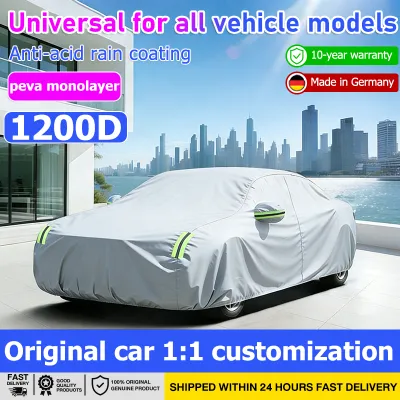
![[24 hours delivery] Upgraded and thickened universal car cover size:M/L/XL/XXL/3XL car cover outdoor protection sunscreen car cover waterproof car shade car cover sun protection car cover outdoor sunscreen](https://img.lazcdn.com/g/p/e19e16e6f7b78d2fe9d8cb786b0ccf47.jpg_400x400q80.jpg_.webp)
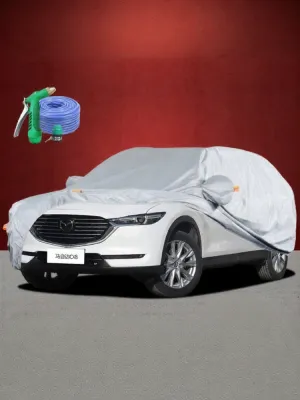
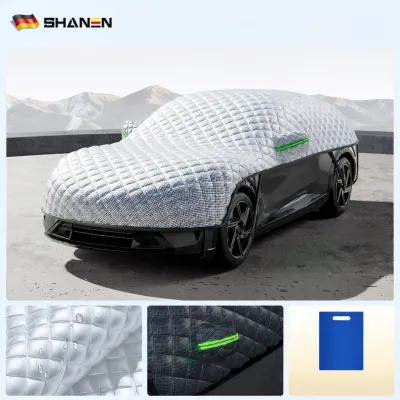
Prices are valid at publication and may change. Please refer to the product page for the latest price.
Wind is another critical factor, especially in coastal areas or high-rise urban corridors where wind tunnel effects occur. Strong gusts can whip a loose-fitting cover against the vehicle’s body. If fine dust, sand, or urban soot has settled on the paint, this constant flapping action acts like “sandpaper,” grinding the debris into the clear coat and creating fine scratches, swirl marks, and hazy patches.
Evaluating UV Protection and Heat Reflection Features
When shopping for a car cover outdoor suv, verifying the material’s UV protection capabilities is essential. Avoid relying on generic marketing claims like “sunproof” or “maximum solar protection.” Instead, check the manufacturer’s product labels and technical specifications for verified UV blocking percentages or Ultraviolet Protection Factor (UPF) ratings. High-quality outdoor covers typically specify their UV resistance levels, giving you a reliable metric of how well the fabric shields your vehicle from solar degradation.

A highly effective cover utilizes a multi-layer construction designed to manage solar radiation. The outermost layer should feature a highly reflective material, such as aluminum-coated polyester or specialized silver-colored fabrics. This reflective surface acts as a mirror, deflecting solar radiation away from the SUV rather than absorbing it. By bouncing the sun’s rays away, the cover significantly reduces heat transfer into the vehicle’s cabin, keeping interior temperatures manageable and protecting sensitive electronics and upholstery.
However, reflecting heat is only half the battle. The cover must also feature breathable layers or micro-pores that allow trapped heat and chemical off-gassing to escape. When parked in direct sunlight, interior plastics and adhesives release vapors; if these are trapped under an impermeable cover, they can form a sticky film on the inside of your windows and accelerate dashboard wear. Breathable fabrics ensure that heat does not build up, preventing a destructive “greenhouse effect” underneath the cover.
Finally, verify that the outer material itself is engineered to withstand prolonged exposure to intense sunlight. Look for UV-stabilized polymers or treated fabrics that resist becoming brittle, cracking, or peeling. A cover that degrades and sheds its reflective coating after a few months of exposure will fail to protect your SUV and can leave a dusty residue on your clean paintwork.
Selecting Waterproofing and Moisture Management for Heavy Rain
Singapore’s sudden, torrential downpours require a cover with exceptional water resistance. When evaluating covers, inspect the manufacturer’s specifications for waterproof ratings, often measured in millimeters of water column pressure. Crucially, look for heat-sealed or taped seams rather than standard stitched seams. Stitched seams contain thousands of tiny needle holes that easily let water seep through during heavy rain, whereas heat-sealed seams create a continuous, impervious barrier against water penetration.
It is important to distinguish between fully waterproof and water-resistant materials based on your specific parking environment. If your SUV is parked in a fully exposed driveway or open-air lot, a heavy-duty, fully waterproof cover is necessary to block direct rain. However, if you park in a partially sheltered carport or under a canopy where the vehicle only faces blowing mist or light overspray, a highly water-resistant, highly breathable cover may be preferable. Water-resistant covers are typically lighter, easier to handle, and offer superior moisture evaporation.
Moisture management is critical because water can still find its way under a cover through condensation from the ground. To prevent this trapped moisture from causing paint oxidation—which manifests as cloudy, white patches on the clear coat—and mold, prioritize fabrics with built-in ventilation flaps or high breathability ratings. These design features allow moisture vapor to escape upward and outward, ensuring the vehicle’s surface dries quickly even after a heavy storm.
Additionally, check for a soft, non-abrasive inner lining, such as spun-lace cotton, fleece, or soft microfiber. When a car cover becomes heavy and saturated with rainwater, it presses down with significant force on the SUV’s body. A soft inner lining ensures that this weight does not press rough synthetic fibers against your paintwork, protecting the clear coat from abrasion during wet conditions and when removing the cover.
Ensuring Proper Fit, Security, and Paint Protection
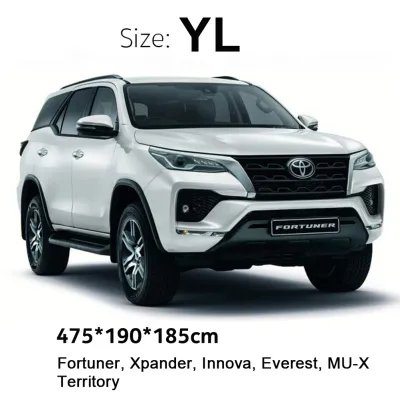
A car cover can only protect your SUV if it fits correctly and remains securely in place. Rather than relying on generic vehicle class fits like “Standard SUV,” which often fail to account for the diverse shapes of modern utility vehicles, take precise measurements of your SUV. Measure the exact length, width, and height from bumper to bumper. Be sure to include any exterior accessories such as roof racks, roof boxes, side steps, or rear spoilers, as these additions alter the vehicle’s profile and require a larger cover size to ensure complete coverage.
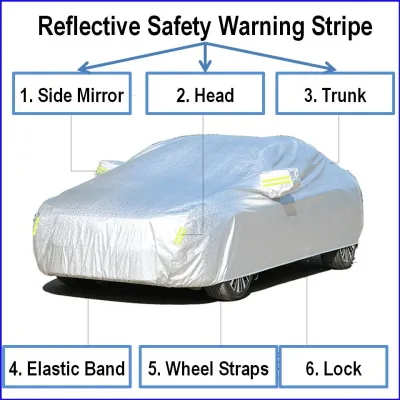
To secure the cover against strong tropical winds, look for robust fastening mechanisms. Elastic hems at the front and rear bumpers help the cover wrap snugly around the underside of the vehicle. Additionally, look for adjustable underbody drawstrings and reinforced grommets. These grommets allow you to run heavy-duty tie-down straps underneath the SUV, locking the cover securely in place and preventing it from being lifted or blown away during sudden wind gusts.
A proper fit also includes custom design features like side mirror pockets and antenna patches. Mirror pockets help anchor the cover in the correct position, reducing the amount of loose fabric that can flap in the wind. When fabric flaps excessively, it rubs against the paint, leading to micro-scratches. Antenna patches allow you to accommodate shark-fin or whip antennas without stretching or tearing the cover’s fabric.
Finally, verify the presence of soft inner linings or specific padding in high-contact areas. The corners of the bumpers, the edges of the side mirrors, and sharp body lines are highly susceptible to friction wear. Extra padding in these areas distributes the pressure exerted by wind and tight straps, ensuring that the cover protects your SUV’s paintwork rather than wearing it down over time.
Maintaining Your Car Cover in Hot and Humid Conditions
Proper maintenance is essential to extend the functional lifespan of your car cover and ensure it continues to protect your SUV. Always follow the manufacturer’s washing instructions. Typically, manufacturers recommend gentle hand washing while the cover is installed on the vehicle, using a soft sponge and mild, pH-neutral soap. Avoid using harsh household detergents, bleach, or fabric softeners, as these chemicals can strip away the cover’s waterproof coatings and UV-resistant treatments. Never machine wash or dry a heavy-duty cover unless the manufacturer explicitly states it is safe to do so.
In Singapore’s humid climate, storing a damp cover is a recipe for mold, mildew, and unpleasant odors. Ensure the cover is completely dry before folding and packing it into its storage bag. If you must remove a wet cover, hang it up to dry in a shaded, well-ventilated area as soon as possible. Storing a wet cover in a sealed bag will rapidly degrade the fabric and ruin the inner lining.
Periodically inspect the cover for signs of wear. Look for fading colors, stiffness in the fabric, cracking, or peeling of the reflective outer layer. These physical changes indicate that the material’s protective properties have broken down, meaning it is time to replace the cover to prevent damage to your SUV.
Lastly, always clean your SUV’s surface before applying the cover. Putting a cover over a dusty or dirty vehicle traps abrasive particles between the paint and the inner lining. As the wind moves the cover, these trapped particles act as sandpaper, causing micro-scratches across the clear coat. A quick wipe-down or wash before covering ensures your paint remains pristine.
Frequently Asked Questions (FAQ)
Is it safe to put a car cover on a wet SUV?
No, it is generally not safe to put a car cover on a wet SUV. Covering a wet vehicle traps moisture directly against the paintwork, which can lead to paint oxidation, unsightly water spots, and interior mold growth due to the high humidity. You should always dry the vehicle thoroughly before applying the cover. While some highly breathable covers are designed to allow trapped moisture to evaporate, it is essential to check the manufacturer’s specific guidelines regarding wet application to avoid damaging your paint.
How often should I replace my outdoor car cover in Singapore?
There is no fixed timeline for replacing an outdoor car cover, as durability depends on material quality and environmental exposure. Instead of relying on a calendar schedule, perform regular visual inspections of the cover. Look for observable signs of failure, such as peeling reflective coatings, stiff or brittle fabric, torn seams, or a noticeable loss of water repellency. Because Singapore’s intense UV rays and heavy rains accelerate material wear, replacing the cover when these signs appear is the most reliable way to ensure continuous protection. You can also use the manufacturer’s warranty period as a baseline reference for its expected lifespan.
Community discussion
Share your experience or ask a question. Comments are reviewed before publication.