
Protecting a vehicle parked outdoors in Singapore requires a car cover that can withstand some of the most demanding weather conditions in the world. With intense tropical sunlight immediately followed by sudden, heavy downpours, a standard cover can often do more harm than good if it lacks the right technical features. To safeguard your car’s paintwork, clear coat, and interior, an outdoor car cover must offer a precise balance of high-level ultraviolet (UV) protection, robust water resistance, and active breathability. Selecting the wrong material can trap moisture against the paint, leading to bubbling, mold, and accelerated corrosion.
How Singapore's Tropical Climate Affects Your Vehicle's Exterior
Singapore’s proximity to the equator means vehicles parked in open-air spaces, such as the top decks of multi-storey carparks or open residential driveways, face relentless environmental stress. The primary threat during the day is intense ultraviolet (UV) radiation. Over time, these harsh rays break down the chemical bonds in your car’s clear coat, leading to oxidation, paint fading, and a dull, chalky finish. Inside the cabin, trapped heat can cause dashboard materials to dry out, crack, and release volatile organic compounds that leave a stubborn film on the interior glass.
The challenge is compounded by sudden, torrential downpours that characterize the local weather. When heavy rain is immediately followed by intense sunshine, any water remaining on the vehicle’s surface acts like a magnifying glass, concentrating heat and accelerating paint damage. Furthermore, the consistently high ambient humidity prevents standing water from evaporating quickly. If moisture becomes trapped beneath a non-breathable cover, it creates a warm, damp greenhouse effect that encourages rapid mold and mildew growth on both the exterior trim and interior upholstery.
Products mentioned in this guide
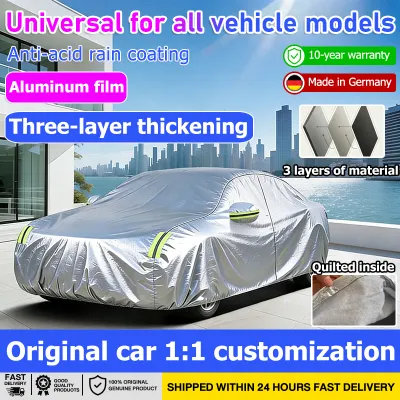
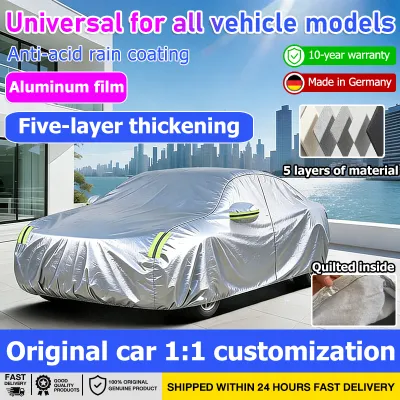
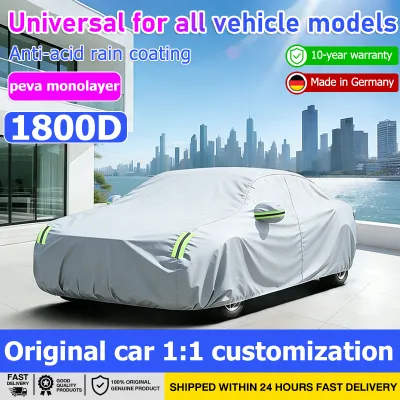
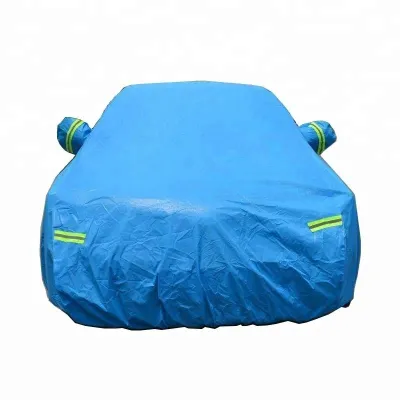
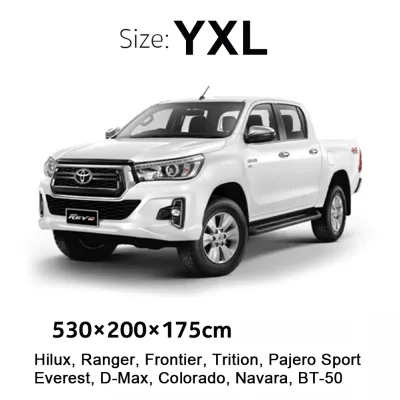
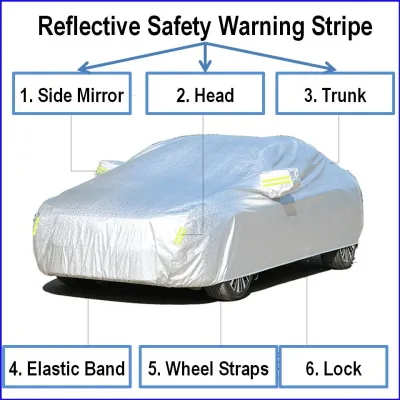
Prices are valid at publication and may change. Please refer to the product page for the latest price.
Urban environmental factors also play a significant role in paint degradation. Vehicles parked under trees to escape the sun are frequently subjected to bird droppings, tree sap, and organic debris. These substances are highly acidic and, when heated by the tropical sun, can quickly etch through the clear coat, leaving permanent scars on the paintwork. Additionally, industrial fallout and acidic rain common in urban environments can deposit corrosive particulates onto the surface, making a protective barrier essential for preserving the vehicle’s aesthetic and resale value.
Evaluating Waterproofing and Moisture Management
When selecting an outdoor car cover, understanding the distinction between water resistance and moisture management is critical. A completely impermeable cover might keep rain out, but it will also trap condensation rising from the ground or evaporating from the vehicle itself. To prevent this, look for covers that feature advanced multi-layer synthetic fabrics, such as polyurethane (PU) or polyester blends with specialized water-resistant membranes. These materials are designed to shed heavy rain externally while allowing microscopic water vapor molecules to escape from underneath.

To verify the waterproofing capabilities of a cover, inspect the product specifications for high-performance coatings. Many quality covers utilize a hydrophobic outer layer that causes water to bead up and roll off the surface rather than soaking into the fabric. However, the effectiveness of these coatings depends heavily on the quality of the seams. Standard stitched seams leave thousands of tiny needle holes that can allow water to seep through during a heavy tropical storm. Prioritize covers with heat-sealed, welded, or double-stitched seams reinforced with waterproof tape to ensure complete structural integrity.
Breathability is the single most important feature for preventing moisture-related damage in high-humidity environments. A breathable cover allows air to circulate freely, ensuring that any moisture that does find its way underneath can evaporate quickly. Some designs incorporate built-in ventilation flaps or mesh panels strategically positioned along the sides or top of the cover. These vents facilitate airflow without compromising the cover’s ability to shed rain, keeping the temperature beneath the cover closer to the ambient air temperature and reducing the risk of condensation buildup.
Selecting UV Protection and Heat Reflection Materials
To combat the intense tropical sun, the outer layer of an outdoor car cover must act as an effective shield against solar radiation. Look for covers specifically labeled with high UV protection ratings or those featuring silver, white, or highly reflective outer coatings. These light-colored surfaces are highly efficient at deflecting solar energy away from the vehicle, preventing the extreme heat buildup that can damage sensitive electronic components, dry out leather seats, and degrade rubber seals.
The material composition of the cover plays a major role in its durability under constant sun exposure. Synthetic fibers like solution-dyed polyester, polypropylene, or acrylic are highly resistant to UV degradation, meaning they will not become brittle, tear, or powdery after a few months of exposure. When evaluating options, check the manufacturer’s documentation to ensure the fabric has been treated with UV inhibitors throughout its structure, rather than just a temporary surface spray that can wash away over time.
While the outer layer handles the sun and rain, the inner lining is responsible for protecting the vehicle’s delicate clear coat. As the wind moves the cover, any friction against the paint can cause micro-scratches or swirl marks, especially if the fabric is rough. Opt for covers that feature a soft, non-abrasive inner lining, such as brushed cotton, fleece, or microfiber. This soft barrier cushions the paintwork and absorbs minor impacts, ensuring that the cover itself does not become a source of cosmetic damage during daily application and removal.
Ensuring a Secure Fit Against Wind and Urban Elements
A car cover can only protect your vehicle if it stays securely in place, particularly during sudden tropical squalls and strong winds. Loose, universal-fit covers are highly susceptible to catching the wind like a sail, which can cause them to billow, shift, or blow off entirely. More importantly, a loose cover that flaps constantly in the wind acts like fine sandpaper, rubbing dust and grit against your paintwork and causing severe abrasion over time.
To prevent wind damage, prioritize custom-fit covers designed specifically for your vehicle’s make, model, and year. These covers are tailored to hug the contours of the bodywork, minimizing excess fabric that can catch the wind. If a custom-fit option is not feasible, look for semi-custom covers that feature heavy-duty elastic hems at the front and rear. These elasticized edges wrap tightly under the bumpers, providing a secure grip that keeps the cover snug against the vehicle’s lower perimeter.
Additional securing mechanisms are essential for peace of mind during severe weather. Verify that the cover includes integrated tie-down straps or buckle systems that pass underneath the vehicle’s undercarriage, securing the cover from side to side. Built-in mirror pockets are also highly beneficial, as they help anchor the cover in the correct position and prevent it from shifting. For added security in public or shared parking spaces, look for reinforced grommets along the bottom edge that allow you to thread a cable lock through, preventing both wind displacement and theft.
Maintaining Your Car Cover in High-Humidity Conditions
Proper maintenance of your outdoor car cover is essential to preserve its protective qualities and extend its service life in a humid tropical climate. Over time, the cover will accumulate a layer of dust, environmental fallout, bird droppings, and organic debris. If left uncleaned, these contaminants can degrade the fabric’s fibers, clog the breathable pores, and break down the water-resistant coatings. Establish a regular cleaning routine, gently washing the cover while it is installed on the vehicle using a soft brush or sponge and clean water.
Never apply a car cover to a dirty or wet vehicle, and never store a wet cover in a closed bag. Trapping moisture or dirt between the cover and the paintwork is a recipe for paint damage, water spotting, and mold growth. If you must remove the cover while it is wet, hang it up in a well-ventilated, shaded area to dry completely before folding or storing it. Ensuring both the car and the cover are clean and dry before every use is the most effective way to prevent cosmetic issues.
When a deeper clean is required, always consult the manufacturer’s specific washing instructions. Avoid using harsh household detergents, bleach, or fabric softeners, as these chemicals can strip away the hydrophobic coatings and damage the UV-resistant properties of the fabric. Many manufacturers recommend using a mild, specialized cleaner designed for outdoor fabrics. If machine washing is permitted by the manufacturer, use a commercial-sized, front-loading washing machine without an agitator to prevent physical damage to the seams and fabric layers.
Frequently Asked Questions (FAQ)
Is it safe to put a car cover on a wet car?
No, it is not safe to put a car cover on a wet vehicle. Covering a damp car traps moisture directly against the paintwork, creating a high-humidity microclimate that can lead to paint blistering, clear coat clouding, and rapid mold growth on rubber seals and interior surfaces. Always dry your vehicle thoroughly with a clean microfiber towel before applying the cover. If the car has been exposed to rain, it may also have accumulated fine road grit, which must be washed off first to prevent scratching when the cover is fitted.
How often should I wash my outdoor car cover?
The frequency of washing depends on your parking environment and the level of visible dirt. For vehicles parked under trees or in high-traffic urban areas, the cover may need a gentle rinse every few weeks to remove bird droppings, tree sap, and dust. A deeper wash using a mild, fabric-safe soap should typically be performed every three to six months, or whenever you notice water is no longer beading effectively on the surface. Regular maintenance prevents contaminants from permanently bonding to the fabric and degrading its protective coatings.
Can a standard car cover protect against physical impacts?
Standard fabric car covers are designed primarily to protect against environmental elements like UV rays, rain, dust, and minor organic debris, rather than physical impacts. While a multi-layer cover can offer minor protection against light scratches from passing pedestrians or falling leaves, it will not prevent dents from heavy falling objects, hail, or door dings in tight parking spaces. If physical impact protection is a priority, look for specialized, heavy-duty covers that incorporate thick, padded middle layers designed specifically to absorb shock.
Community discussion
Share your experience or ask a question. Comments are reviewed before publication.