
Protecting a vehicle from the elements in Singapore requires more than a standard sheet of fabric. An automatic car cover offers the convenience of rapid deployment at the touch of a button, but its effectiveness depends entirely on how well its specifications match the local climate. To safeguard your car’s exterior paint, interior cabin, and the motorized mechanism itself, you must look for a cover that balances absolute waterproofing with high breathability, robust UV-blocking capabilities, and a weather-sealed housing unit.
Selecting the wrong cover can lead to trapped moisture, accelerated paint oxidation, or mechanical failure of the deployment system. By focusing on verified material standards, structural durability, and practical design features, you can ensure your investment provides reliable protection against intense equatorial sun and sudden tropical downpours.
Understanding Singapore's Climate Challenges for Car Covers
Singapore’s tropical rainforest climate presents a unique set of challenges for vehicle preservation. Year-round high temperatures and intense ultraviolet radiation constantly bombard outdoor-parked vehicles. Over time, this relentless solar exposure breaks down the clear coat of your car’s paint, leading to fading, oxidation, and cracking. Inside the cabin, UV rays and trapped heat degrade dashboard plastics, dry out leather upholstery, and can even damage sensitive electronic components.
Products mentioned in this guide
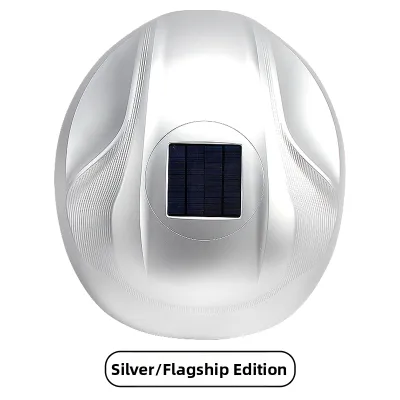
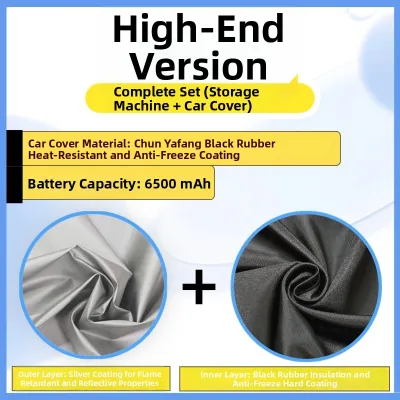
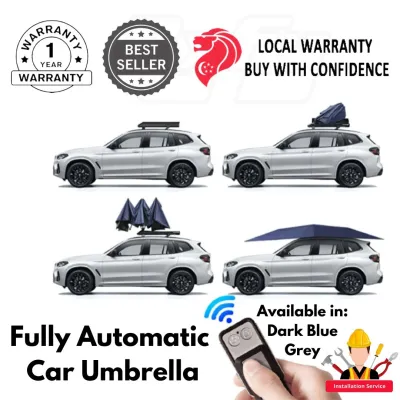
Prices are valid at publication and may change. Please refer to the product page for the latest price.
Compounding the heat is the region’s high rainfall, characterized by sudden, heavy monsoonal downpours. A car cover must be able to shed large volumes of water rapidly without allowing moisture to seep through the seams. When rain falls on a hot car, it creates a rapid cooling effect that can draw moisture into any micro-fissures in the paint or the cover itself.
Furthermore, Singapore’s relative humidity consistently hovers around 80% or higher. If a car cover is completely sealed without any ventilation or breathability, moisture from the ground and the air becomes trapped underneath. This creates a humid greenhouse effect over the vehicle’s surface, providing the perfect breeding ground for mold, mildew, and rust. Therefore, understanding these environmental stressors is the first step in identifying a cover that protects rather than harms your vehicle.
Essential Waterproofing and Moisture Management Features
Effective water management in a tropical climate requires a sophisticated multi-layer fabric construction. A single-layer plastic cover might keep rain off, but it fails to address condensation. Look for automatic car covers that utilize a multi-layered approach: a highly water-repellent outer layer to shed heavy rain, a breathable middle membrane that allows trapped moisture vapor to escape, and a soft inner lining.

The seams of the cover are often the weakest point during a torrential downpour. Standard stitched seams contain thousands of tiny needle holes that easily let water seep through under pressure. When evaluating an automatic car cover, verify whether the seams are heat-sealed, taped, or double-stitched with water-resistant thread. Heat-sealed seams fuse the fabric layers together, creating an impenetrable barrier against standing water and heavy runoff.
Inside the cover, a soft lining is essential to protect your car’s finish. As the automatic mechanism deploys and retracts the cover, the fabric slides across the vehicle’s body. If the inner lining is rough or has trapped fine dust particles, this friction can cause micro-scratches or swirl marks on the clear coat. Look for linings made of non-abrasive materials like spunlace cotton, soft microfiber, or brushed flannel.
It is also crucial to distinguish between “防水” (waterproof) and “防泼水” (water-resistant) labels on manufacturer specifications. A fully waterproof cover prevents any liquid water from passing through but must feature integrated ventilation flaps or highly breathable fabric technology to prevent condensation buildup. A water-resistant cover may handle light showers and dry quickly, but it can saturate during prolonged monsoon rains. Check the manufacturer’s technical specifications for hydrostatic head ratings, which measure the fabric’s resistance to water penetration under pressure.
Critical UV Protection and Heat Resistance Specifications
To combat the intense equatorial sun, the outer layer of an automatic car cover must possess high solar reflectivity. Covers featuring a silver-coated polyurethane, aluminum-foil laminate, or specialized polyester outer layer are highly effective at bouncing back solar radiation. By reflecting sunlight before it reaches the vehicle’s surface, these materials significantly reduce heat transfer, keeping the interior cabin temperatures manageable even when parked in open-air carparks.
Do not rely on vague marketing terms like “sun-proof” or “heat-resistant.” Instead, look for documented specifications such as Ultraviolet Protection Factor (UPF) ratings or specific UV-resistant material treatments. High-quality covers often specify a UPF 50+ rating, indicating that they block a vast majority of harmful UVA and UVB rays. This level of protection prevents the chemical breakdown of your car’s paint binders and protects interior vinyl and leather from drying and cracking.
Additionally, consider the durability of the cover material itself under constant UV exposure. Intense sunlight degrades low-grade plastics and synthetic fibers, causing them to become brittle, fade, and tear within a few months. Ensure the manufacturer specifies that the fabric has been treated with UV stabilizers or inhibitors during the manufacturing process. This treatment extends the lifespan of the cover, ensuring it remains pliable and tear-resistant despite daily exposure to the harsh tropical sun.
Material and Structural Requirements for Automatic Mechanisms
The defining feature of an automatic car cover is its motorized deployment system, which must be engineered to survive the same harsh environment as the fabric. The housing unit, which typically sits on the roof, trunk, or a portable base, contains the motor, battery, and control electronics. This housing must feature robust weatherproofing. Check the manufacturer’s specifications for an Ingress Protection (IP) rating; a rating of IPX4 or higher is recommended to ensure the internal electronics are protected against splashing water from any direction, including heavy rain.
High humidity and salt-laden air in coastal tropical environments accelerate the corrosion of metal components. The internal gears, deployment tracks, rollers, and telescopic rods must be constructed from corrosion-resistant materials. Look for components made of marine-grade stainless steel, anodized aluminum, or high-impact, UV-stabilized ABS plastics. Untreated steel or low-grade alloys will quickly rust, leading to mechanical binding, squeaking, and eventual failure of the automatic retraction system.
The power source of the automatic cover also requires careful consideration. Most systems rely on rechargeable lithium-ion batteries, often supplemented by built-in solar panels on the housing unit to maintain charge. Ensure the battery compartment is completely sealed against moisture ingress. Additionally, verify that the system includes safety mechanisms, such as automatic overload protection, which stops the motor if the cover becomes snagged or if heavy water pooling creates excessive resistance during retraction.
Maintenance and Care in High-Humidity Conditions
Maintaining an automatic car cover in Singapore’s humid climate is essential to preserve both the fabric’s protective coatings and the mechanical components. Environmental contaminants like acidic bird droppings, sticky tree sap, and fine urban dust can chemically degrade UV-resistant and waterproof coatings if left untreated. Clean the cover regularly by wiping it down with a soft sponge, lukewarm water, and a mild, pH-neutral soap. Avoid harsh household detergents, bleach, or high-pressure washers, as these can strip away the water-repellent treatments and damage the fabric fibers.
Establish a routine inspection schedule to check the cover’s critical areas. Examine the seams for any signs of lifting tape or fraying threads, and inspect the inner lining for dirt accumulation or early signs of mold and mildew. The mechanical tracks and rollers should be kept free of debris, leaves, and grit. Periodically clean the tracks and apply a dry silicone lubricant if recommended by the manufacturer; avoid wet greases that attract dust and sand, which can jam the gears.
Knowing when to stop using the cover is just as important as regular maintenance. Never retract and store a damp or wet cover inside its housing unit for an extended period. Trapping moisture inside a dark, sealed compartment will rapidly lead to mold growth, unpleasant odors, and potential electrical short circuits. If you must retract a wet cover, deploy it again at the earliest opportunity in a dry, well-ventilated area to let it dry completely. If you notice any physical damage to the motorized housing seals or hear unusual grinding noises from the motor, cease operation immediately and consult the manufacturer for repairs.
Evaluating Fit, Security, and Practical Usability
A car cover can only protect your vehicle if it remains securely in place. Singapore’s weather can bring sudden, strong wind gusts during afternoon thunderstorms and monsoon seasons. To prevent the cover from flapping violently or being blown off entirely, look for models equipped with adjustable windproof straps, heavy-duty elasticized hems, or built-in grommets. Secure straps that buckle beneath the vehicle’s chassis or wrap around the wheels provide the necessary anchorage to withstand sudden squalls.
A snug, secure fit also prevents paint damage. If a cover is too loose, wind will cause the fabric to flap against the car’s body, creating friction that can dull the paintwork over time. Custom-fit covers designed for your specific vehicle dimensions or those with deep elastic hems and dedicated side-mirror pockets offer a much tighter fit than generic, one-size-fits-all options. Additionally, integrated security features like steel-core cable locks running underneath the car help deter theft and keep the cover firmly anchored.
Finally, weigh the practical usability and physical footprint of the automatic system against your daily routine. While the convenience of a remote-controlled cover encourages daily use, the base unit does occupy space on your roof or in your trunk when not deployed. Ensure the installation process is straightforward and does not require permanent modifications to your vehicle. By carefully evaluating how the cover secures to your car and fits into your daily parking scenario, you can select a system that offers genuine convenience without compromising on protection.
Frequently Asked Questions (FAQ)
Can I operate an automatic car cover during a heavy rainstorm?
It is generally not recommended to deploy or retract an automatic car cover during a heavy rainstorm unless the manufacturer explicitly states it is safe to do so. Operating the motorized mechanism in torrential rain increases the risk of water ingress into the electrical housing if seals are worn. Additionally, wet fabric is significantly heavier, which puts extra strain on the motor and tracks, potentially causing the system to jam or fail. For safety and longevity, deploy the cover before the rain starts, or wait until the storm passes before retracting it.
How do I prevent mold from forming under the car cover?
To prevent mold and mildew growth in Singapore’s high humidity, never place a car cover over a wet or dirty vehicle. Ensure your car is completely dry and free of surface dust before deploying the cover. Choose a cover made from breathable materials or one equipped with built-in ventilation flaps that allow air circulation and let trapped moisture escape. Additionally, make it a habit to periodically remove the cover on dry, sunny days to let both the vehicle and the cover air out completely.
Community discussion
Share your experience or ask a question. Comments are reviewed before publication.