
Building a complete home car wash setup requires a systematic selection of tools designed to minimize paint marring and deliver professional-grade results. To achieve a swirl-free finish, your detailing workflow must follow a structured sequence: pre-wash, contact wash, drying, and final detailing. Each stage demands specialized equipment, such as dedicated wash and rinse buckets, grit-trapping inserts, and high-quality microfiber textiles with specific pile heights. While generic cleaning accessories might seem cost-effective, premium brand-specific detailing tools from manufacturers like CarPro are engineered to work cohesively with advanced ceramic coatings and paint sealants. Investing in a dedicated tool kit ensures that every physical contact with your vehicle’s clear coat is as safe and scratch-free as possible.
In tropical environments like Singapore, where high humidity, intense sunlight, and frequent rain showers accelerate dirt accumulation, maintaining a pristine exterior is a constant challenge. Road grime, industrial fallout, and mineral deposits from sudden downpours can quickly bond to your vehicle’s surfaces. A standard two-bucket wash method serves as the foundation of safe maintenance, physically isolating abrasive dirt particles from your clean wash solution. By pairing this method with specialized wash mitts and highly absorbent drying towels, you can safely lift and trap contaminants without dragging them across the paintwork. Understanding how these tools interact with your vehicle’s specific finish is the first step toward establishing an effective home detailing routine.
Understanding the Core Wash Stages and Tool Requirements
Selecting the right tools for your home car wash setup requires a clear understanding of how different materials interact with your vehicle’s paintwork under various environmental conditions. Whether you are washing your car in a shaded landed property driveway or a designated washing bay in a multi-storey car park, your choice of buckets, mitts, and towels must align with your vehicle’s finish. Soft Japanese clear coats, delicate vintage paints, and modern matte wraps all require different levels of physical care. Before purchasing any detailing accessory, it is essential to establish a structured selection framework that prioritizes material safety and construction quality over generic marketing claims.
Products mentioned in this guide
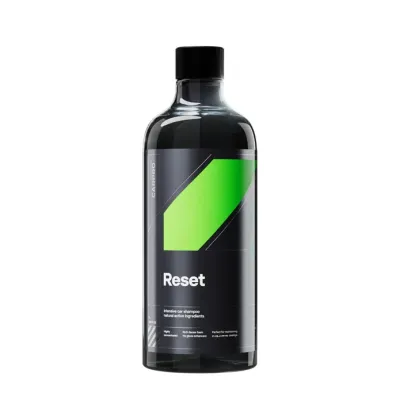
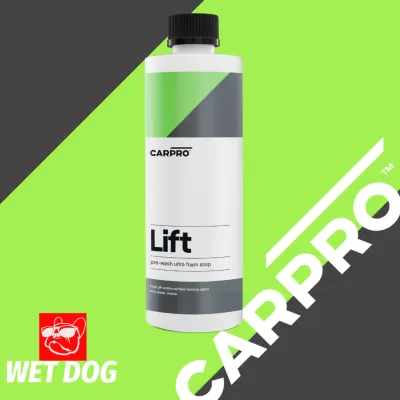
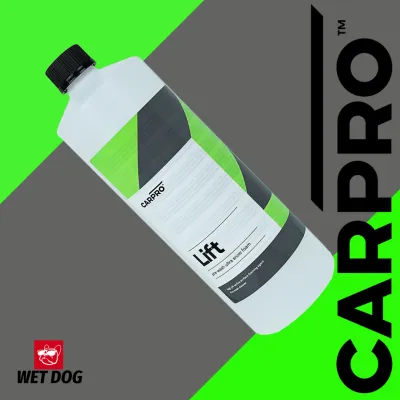
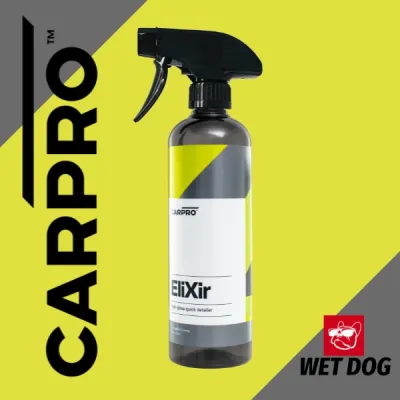
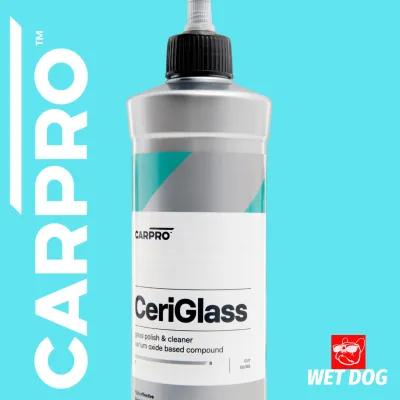
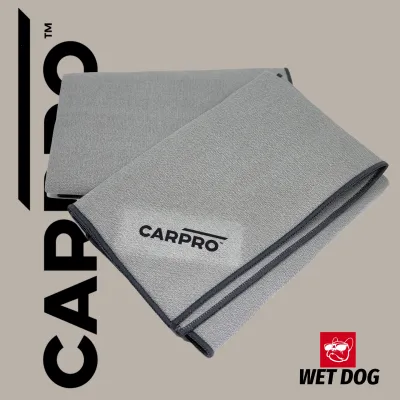
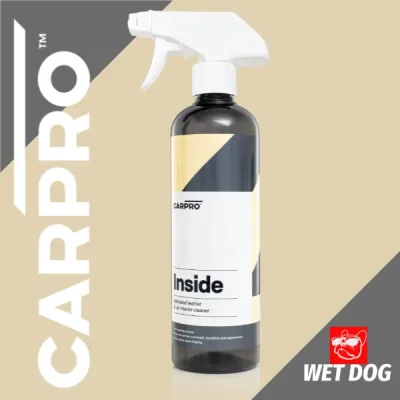
Prices are valid at publication and may change. Please refer to the product page for the latest price.
To ensure your tools do not introduce fine scratches or swirl marks, you must carefully check the manufacturer specifications for material composition, weave type, and intended application. High-quality detailing tools typically list their precise fiber blends, such as polyester-to-polyamide ratios for microfibers, as well as their structural designs. For instance, a tool designed for heavy dirt removal on lower rocker panels requires a different fiber structure than a delicate towel meant for buffing away a final spray sealant. By matching the physical characteristics of each tool to its specific stage in the wash process, you create a highly efficient workflow that preserves the gloss and integrity of your vehicle’s exterior.
Selecting Essential Washing and Drying Tools
To build a reliable home car wash setup, you must break down your tool selection into specific categories, starting with the hardware used to hold your wash solutions and moving to the textiles that physically touch the paint.

Buckets and Grit Guards
The foundation of any safe contact wash is a robust two-bucket system, which physically separates the dirty rinse water from your clean shampoo solution. When selecting wash and rinse buckets, look for heavy-duty plastic construction with a standard volume of approximately 15 to 20 liters. This volume provides enough water to dilute suspended dirt particles effectively, preventing them from re-adhering to your wash mitt. Ergonomic features, such as reinforced steel handles with comfortable plastic grips, are highly beneficial when transporting heavy buckets across your washing area.
To maximize the safety of this system, each bucket must be fitted with a compatible grit guard or dirt-trapping insert. These inserts sit at the bottom of the bucket, creating a physical barrier that allows dirt particles to settle to the floor while preventing them from rising back into the clean water column. Before purchasing, verify the physical dimensions of both the bucket and the insert to ensure a snug fit; a loose grit guard can float or shift, compromising its effectiveness. Additionally, using color-coded buckets or clear, highly visible labels for “Wash” and “Rinse” stages prevents accidental cross-contamination during a busy detailing session.
Wash Mitts and Applicators
Contact washing is the stage where your paint is most vulnerable to scratching, making the selection of your wash mitt a critical decision. Detailing mitts are available in several materials, including microfiber loops, natural merino wool, and advanced synthetic blends, each offering distinct physical properties. Natural wool mitts are exceptionally soft and hold a vast amount of soapy water, making them ideal for delicate, soft clear coats, though they require meticulous maintenance to prevent rotting. Microfiber mitts, on the other hand, are highly durable, machine-washable, and feature synthetic fibers designed to safely lift and trap dirt within their pile.
When evaluating wash mitts, inspect the product labels and physical construction for quality indicators such as double-stitched seams, soft elastic cuffs, and internal foam cores that retain moisture. A well-designed cuff should fit securely around your wrist to prevent the mitt from slipping off and contacting the ground, which would instantly contaminate it with abrasive grit. It is highly recommended to maintain multiple wash mitts for different zones of the vehicle. For example, reserve an ultra-soft, high-pile mitt exclusively for the upper panels, hood, and roof, while utilizing a separate, dedicated mitt for the heavily soiled lower panels, bumpers, and rocker shafts.
Drying and Detailing Towels
Drying your vehicle is just as critical as washing it, as improper drying techniques are a primary cause of unsightly water spots and fine paint marring. High-quality drying towels are typically categorized by their weave and weight, with high-pile twist-loop microfibers being the industry standard for rapid, safe water absorption. For specialized tasks like glass cleaning or wiping down tight door jambs, low-pile or waffle-weave towels are preferred because they minimize linting and provide the necessary bite to remove film residue.
To protect your paint during the drying phase, always verify the edge construction of your microfiber towels before use. Look for edgeless designs where the fibers are laser-cut, or towels finished with soft silk or microfiber banding, as rough polyester overlock stitching can easily scratch delicate clear coats. Furthermore, check the GSM (grams per square meter) rating on the manufacturer’s packaging; a premium drying towel should generally range between 500 and 1200 GSM to ensure it can absorb several times its weight in water without leaving streaks. Understanding these material specifications allows you to select the perfect towel for each detailing step, from initial water removal to the final buffing of a ceramic spray.
Evaluating Tool Compatibility and Material Safety
Before introducing any new tool to your vehicle’s surface, you must verify its compatibility with both your paint finish and the detailing chemicals you plan to use. Modern vehicles feature a wide variety of exterior surfaces, including traditional clear coats, matte paint finishes, vinyl wraps, and Paint Protection Films (PPF). Each of these surfaces has unique physical properties and tolerances. For instance, matte finishes and vinyl wraps are highly sensitive to friction and can easily develop permanent glossy spots if rubbed with an overly aggressive or dry microfiber towel. Always cross-reference the tool’s material specifications with the care guidelines provided by your vehicle manufacturer or film installer.
Chemical compatibility is another critical factor when building your home car wash kit. Strong detailing chemicals, such as alkaline degreasers, acidic wheel cleaners, and intensive iron removers, can degrade certain synthetic fibers and adhesives over time. When using these aggressive products, check if your microfiber towels or wash mitts are rated for chemical resistance, or reserve older, dedicated utility towels for these tasks. Using a delicate, high-pile plush towel with an iron remover can break down the fiber structure, leading to premature shedding and reduced absorbency during subsequent washes.
To ensure absolute safety, establish a pre-use inspection routine for every new tool added to your collection. Before a mitt or towel touches your paint for the first time, perform a thorough physical check:
- Inspect the surface for any manufacturing defects, such as hard plastic melted spots or uneven fiber distribution.
- Gently pull on the edges to check for loose fibers or shedding that could leave residue on your freshly washed vehicle.
- Locate and carefully remove any paper tags, plastic price fasteners, or stiff adhesive labels, as these hard materials will scratch paint if dragged across the surface.
- Wash new microfiber textiles once before their initial use to remove any residual manufacturing oils, dust, or loose dye.
Building Your Kit: Budgeting and Purchasing Checklist
Creating a comprehensive home detailing setup does not require purchasing every available accessory at once. A phased purchasing approach allows you to build a high-quality kit over time, prioritizing absolute essentials before investing in specialized upgrades. Your initial budget should focus heavily on the core contact wash and drying tools: two high-quality buckets with grit guards, one premium microfiber wash mitt, and a single large, high-GSM drying towel. Once these foundational items are secured, you can gradually add optional upgrades such as dedicated wheel brushes, specialized glass towels, and plush buffing cloths for paint sealants.
When sourcing your tools, evaluate the cost-effectiveness of bundle deals versus individual items from authorized automotive retailers and official brand stores. Many premium detailing brands offer starter kits that package buckets, mitts, and towels together at a lower price point than purchasing each component separately. In Singapore, prices for these essential tools can range from S$15 for a high-quality wash mitt to S$50 or more for a premium, large-format drying towel. Comparing these prices across authorized local distributors ensures you receive genuine products while avoiding the risks of counterfeit goods often found on unverified online marketplaces.
Before finalizing any purchase, perform a quick pre-purchase verification to protect your investment. Confirm that the retailer has physical stock available to avoid long shipping delays, and review their return policies in case a tool arrives with a manufacturing defect. Additionally, check if the manufacturer offers any warranty terms on hardware items like heavy-duty buckets or specialized wash foamers. By taking these practical steps, you can assemble a reliable, high-performance home car wash kit that fits your budget and keeps your vehicle looking its best.
Frequently Asked Questions (FAQ)
How should I clean and maintain my microfiber wash mitts and towels?
To preserve the softness and absorbency of your microfiber wash mitts and towels, you must follow a strict laundering routine. Always wash microfiber textiles separately from standard household laundry, cotton towels, or clothing, as cotton fibers will shed lint that becomes permanently trapped in the microfiber weave. Use a dedicated microfiber wash detergent or a mild, liquid detergent free of perfumes, dyes, and fabric softeners. Fabric softeners and dryer sheets must be strictly avoided, as they coat the synthetic fibers with a chemical residue that drastically reduces their water absorbency and causes streaking.
During the washing process, it is crucial to separate your towels based on their level of contamination. Heavily soiled microfibers used for wheels, engine bays, or exhaust tips should never be washed in the same cycle as your premium paint-drying towels or wax-removal cloths. Mixing them risks transferring abrasive brake dust, grease, and heavy road grime onto your clean paint-safe textiles. Once washed, air-dry your microfibers in a clean, dust-free indoor environment, or tumble-dry them on a very low heat setting. High heat will melt the delicate polyester and polyamide fibers, turning a soft towel into a rough, scratch-inducing hazard. Store your clean, dry towels in closed plastic bins to prevent airborne dust from settling on them before your next wash.
Can I use the same towel for drying the car and wiping off wax or sealants?
Using the same towel for both drying your vehicle and removing paint protection products is highly discouraged due to the physical differences in towel construction and the risk of product cross-contamination. Drying towels are specifically engineered with long, twisted loops or high-pile fibers designed to trap and hold large volumes of water quickly. Conversely, wax and sealant removal towels feature a shorter, denser pile that provides the necessary friction to grab and buff away cured product residue without leaving a greasy film behind.
If you attempt to use a water-saturated drying towel to wipe off a sealant, the moisture will interfere with the product’s bonding process, leading to uneven coverage and reduced durability. Furthermore, once a towel is used to buff away waxes or ceramic sprays, residual polymers can remain embedded in the fibers even after washing. This chemical buildup makes the fibers hydrophobic, meaning they will repel water instead of absorbing it, rendering the towel useless for future drying tasks. To prevent these issues, implement a strict color-coding system in your detailing kit—such as using blue towels exclusively for drying, yellow for wax removal, and grey for utility tasks—ensuring every tool is used only for its designated purpose.
Community discussion
Share your experience or ask a question. Comments are reviewed before publication.