
To keep a ceramic coating in peak condition, you must use a systematic maintenance routine consisting of pH-neutral shampoos, SiO2-based booster sprays, and safe chemical decontaminants. Ceramic coatings are highly durable, but they are vulnerable to environmental accumulation and chemical degradation. Standard car care products containing heavy waxes, gloss enhancers, or aggressive alkaline detergents can clog or strip the coating’s delicate top layer. By using a dedicated ecosystem of compatible products, you ensure that the hydrophobic properties remain active and the paint remains protected against harsh road elements.
Why Ceramic Coatings Require Specific Maintenance Products
Ceramic coatings function by creating a semi-permanent, microscopic layer of silicon dioxide (SiO2) or similar ceramic compounds over the vehicle’s clear coat. This layer is highly hydrophobic, meaning it repels water and prevents dirt from bonding tightly to the paint. However, this surface is still subject to environmental wear. The primary goals of any maintenance routine are to preserve this hydrophobicity, prevent mineral water spots from etching into the surface, and avoid chemical stripping from aggressive cleaning agents.
Using the wrong products can quickly compromise these goals. For instance, traditional car waxes and standard retail wash-and-wax shampoos are designed to leave behind a layer of natural or synthetic wax to create shine. When applied over a ceramic coating, these waxes actually mask the superior hydrophobic properties of the ceramic layer, replacing them with a less durable, lower-performing wax barrier. Furthermore, highly alkaline traffic film removers or acidic cleaners can chemically attack the covalent bonds of the coating, leading to premature thinning and failure of the protective layer.
Products mentioned in this guide
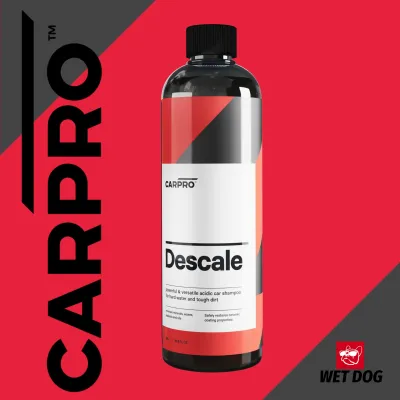
Prices are valid at publication and may change. Please refer to the product page for the latest price.
To address these vulnerabilities, the CarPro ecosystem relies on a three-part methodology: washing, boosting, and decontaminating. This structured approach ensures that each product used is chemically compatible with the underlying SiO2 structure. Instead of fighting against the coating’s natural properties, these products are formulated to clean the surface completely bare or deposit a compatible, temporary sacrificial layer of SiO2 that reinforces the base coating.
The frequency and necessity of each step in this ecosystem depend heavily on your vehicle’s environment and your personal wash habits. A vehicle that is parked outdoors, exposed to industrial fallout, heavy rain, or high ambient humidity will require more frequent decontamination and boosting than a vehicle kept in a climate-controlled garage. Understanding these environmental variables allows you to tailor your product selection to prevent premature wear and maintain that signature high-gloss, self-cleaning effect.
Selecting CarPro Wash Products to Preserve the Coating
The foundation of any ceramic coating maintenance routine is the wash stage. To clean the vehicle effectively without degrading the ceramic layer, you must select a shampoo that meets specific chemical criteria. A coating-safe shampoo must be strictly pH-neutral, offer high lubricity to minimize friction, and contain absolutely zero added waxes, gloss enhancers, or synthetic sealants. The goal of the wash is to lift and suspend dirt particles so they can be rinsed away safely, leaving behind a perfectly clean, residue-free surface.

When shopping within the CarPro lineup or looking at general maintenance options, always check the product labels for specific designations. Look for terms such as “coating-safe,” “SiO2-compatible,” or “stripping-free.” Shampoos like CarPro Reset are specifically formulated for this purpose, designed to clean away dirt and road film without leaving any gloss-altering surfactants or wax residues behind. Using a dedicated, residue-free shampoo ensures that the coating’s natural hydrophobic properties are fully restored after every wash.
Even with the correct chemistry, mechanical safety during the wash process is critical. Ceramic coatings are highly scratch-resistant, but they are not scratch-proof. To prevent mechanical marring and swirl marks, always pair your shampoo with high-quality, plush microfiber wash mitts and use the two-bucket wash method or a foam cannon. The high lubricity of the shampoo acts as a cushion, allowing the microfiber fibers to gently glide over the surface and trap dirt particles without dragging them across the delicate ceramic layer.
Your local environmental conditions, wash frequency, and water hardness should dictate the exact concentration of shampoo you use. Hard water contains high levels of minerals like calcium and magnesium, which can reduce the foaming action and lubricity of your wash solution. To counteract this, you must carefully read and follow the manufacturer’s dilution ratios printed on the bottle. Over-concentrating the soap can make it difficult to rinse off completely, potentially leaving soapy residues that can cause streaking, while under-concentrating can compromise the lubricity needed to prevent scratches.
Using SiO2 Boosters to Extend Coating Lifespan
While a professional-grade ceramic coating can last for several years, its top hydrophobic layer is constantly subjected to friction, UV rays, and environmental contaminants. To extend its lifespan, you can apply an SiO2-based booster spray or sealant. It is important to understand the functional difference between a true ceramic coating and an SiO2 maintenance spray. A true coating forms a thick, semi-permanent chemical bond with the paint, whereas a booster spray like CarPro Reload or CarPro Elixir acts as a temporary, sacrificial barrier. These boosters top up the hydrophobic properties and add a layer of slickness, protecting the underlying coating from direct environmental wear rather than replacing it.
The application process for these boosters must align strictly with the specific product’s instructions. Depending on the formulation, some SiO2 sprays are designed to be applied to a completely clean, dry surface, while others can be used as a drying aid on a slightly damp surface after washing. Applying the product to a surface that has not been thoroughly washed can trap dirt particles beneath the booster layer, leading to fine scratches during the buffing process. Always ensure the vehicle is parked in a shaded area and the panels are cool to the touch before application.
Recognizing when your ceramic coating requires a booster application does not require complex testing. Instead, you can observe simple physical cues during your routine washes or during a rainstorm. If you notice that water is no longer sheeting off the panels quickly, or if the water beading has become flat and sluggish, the top hydrophobic layer is likely wearing thin or becoming clogged. A loss of surface slickness when running a clean microfiber towel gently across the paint is another clear indicator that it is time to apply a booster.
When applying an SiO2 booster, less is almost always more. Over-applying the product or failing to spread it evenly can lead to unsightly streaking, dark patches, or a cloudy haze on the paintwork. To avoid this, spray a small amount onto a high-quality, short-pile microfiber towel or directly onto a single panel, spread it evenly, and immediately follow up with a second, clean, plush microfiber towel to buff the residue to a high-gloss finish. Keeping a dedicated set of clean, high-gsm microfiber towels specifically for buffing sealants is essential for achieving a streak-free result.
Safe Decontamination Practices for Coated Vehicles
Over months of driving, microscopic contaminants like iron brake dust, industrial fallout, and road tar can become embedded in the surface of your ceramic coating. Routine washing will not remove these bonded particles. You can identify the need for chemical decontamination through visual and tactile inspections. After a thorough wash, gently slide your hand over the paint using a clean plastic sandwich bag as a glove; if the surface feels rough or bumpy like sandpaper, bonded contaminants are present. Visually, you may also notice tiny, orange-brown micro-rust spots on light-colored paint, which indicate embedded iron particles.
To remove these contaminants safely without degrading the underlying ceramic layer, you must use specialized chemical decontaminants, such as iron removers (like CarPro IronX) and tar dissolvers (like CarPro TarX). These products are formulated to chemically dissolve the bonds of iron and tar, allowing them to be rinsed away without aggressive mechanical scrubbing. However, using these chemicals requires strict adherence to safety boundaries. Never apply decontamination chemicals in direct sunlight or onto hot body panels, as this can cause the product to evaporate rapidly and etch the paint. Always monitor the dwell time closely, ensuring the product does not dry on the surface.
If you are maintaining a vehicle where the ceramic coating’s age, brand, or current physical condition is unknown, exercise caution before performing a full chemical decontamination. It is highly recommended to test the chemical decontaminant on a small, inconspicuous area first, such as the lower portion of a rear bumper or inside a door jamb. Observe the reaction for a few minutes to ensure that the chemical does not cause any discoloration, staining, or unexpected degradation of the surface finish before proceeding to treat the entire vehicle.
Once the chemical decontaminant has completed its dwell time and dissolved the contaminants, a thorough rinsing process is essential. Use a high-pressure rinse to flush all chemical residues from panel gaps, trim pieces, and emblems. Because decontamination chemicals are highly specialized and can temporarily alter the surface chemistry, you should always follow up with a quick wash using a pH-neutral shampoo or apply an SiO2 booster. This final step ensures that any remaining chemical traces are neutralized, restoring the surface pH and replenishing the protective hydrophobic layer.
Building a Practical CarPro Maintenance Schedule
Creating a structured maintenance schedule is the most effective way to ensure your ceramic coating performs optimally throughout its intended lifespan. A standard maintenance cycle typically involves a routine wash every one to two weeks to prevent dirt buildup. An SiO2 booster spray can be applied every two to three months, or whenever you notice a decline in water-beading performance. Deep chemical decontamination using iron and tar removers is generally a seasonal task, recommended once or twice a year depending on your annual mileage and driving conditions.
This baseline schedule must be adjusted based on your vehicle’s storage conditions and daily exposure. For example, a vehicle parked outdoors overnight is subjected to constant UV radiation, acid rain, tree sap, and bird droppings. These harsh environmental factors accelerate the accumulation of surface contaminants, meaning you may need to wash the vehicle weekly and perform chemical decontamination every three to four months. Conversely, a vehicle parked indoors in a sheltered garage may only require a light wash every two weeks and a booster application twice a year.
When assembling your CarPro maintenance kit, consider your budget and usage patterns. A starter kit consisting of smaller 500ml bottles of pH-neutral shampoo, an iron remover, and an SiO2 booster spray typically costs between S$60 and S$120, making it an accessible entry point for testing the products. For long-term maintenance, investing in larger 1-liter or 4-liter concentrates of products like CarPro Reset is highly cost-effective, as these highly concentrated formulas can be diluted significantly, reducing the cost per wash over several years.
To keep track of your vehicle’s care, maintain a simple maintenance log. Recording the dates of your washes, booster applications, and decontamination sessions allows you to monitor how well the coating is holding up under different seasonal conditions. This log helps you identify patterns—such as how quickly the hydrophobicity fades after a period of heavy rain—enabling you to adjust your maintenance intervals proactively rather than waiting for the coating to become severely clogged or damaged.
Frequently Asked Questions (FAQ)
Can I use regular car wash soap on a ceramic coated car?
Standard car wash soaps often contain aggressive alkaline detergents designed to strip old waxes, or they contain added gloss-enhancing waxes and silicones meant to leave a shiny film behind. When used on a ceramic coated vehicle, these aggressive detergents can slowly degrade the coating’s structure, while the added waxes will cover the ceramic layer, masking its superior hydrophobic and self-cleaning properties. To maintain the performance of your coating, you must use a pH-neutral, wax-free shampoo specifically formulated for SiO2 surfaces. These specialized shampoos clean the surface thoroughly without leaving any residues that could interfere with the coating’s performance.
How often should I apply a ceramic booster spray?
The frequency of applying a ceramic booster spray depends largely on your vehicle’s exposure to the elements and how often it is washed. For most vehicles, an application interval of every two to three months is sufficient to maintain optimal protection and slickness. Rather than following a strict calendar schedule, you should rely on physical indicators on the paintwork. When you observe that water beads are becoming larger and slower to sheet off the surface, or if the paint feels less slick to the touch after a thorough wash, it is time to apply a fresh layer of SiO2 booster to replenish the sacrificial barrier.

Community discussion
Share your experience or ask a question. Comments are reviewed before publication.