
In Singapore’s unforgiving tropical climate, parking your vehicle outdoors exposes it to a relentless barrage of environmental hazards. A premium car protection cover acts as a crucial shield against these elements, but selecting the wrong model can lead to severe paint damage, trapped moisture, and accelerated wear. To safeguard your investment, a cover must deliver three non-negotiable defenses: high ultraviolet (UV) reflection, balanced breathability to prevent moisture buildup, and robust wind-anchoring systems.
Simply purchasing a generic cover designed for indoor dust protection or mild temperate climates will not suffice. For vehicles parked in open-air carparks across Singapore, understanding the engineering behind specialized outdoor fabrics is the key to preventing costly paint correction and interior degradation.
Why Singapore's Tropical Climate Demands Specialized Covers
Singapore’s geographical location near the equator subjects outdoor-parked vehicles to some of the most intense year-round UV radiation and ambient heat in the world. When a car sits unprotected on the top deck of a multi-storey carpark or in an open-air lot, the sun’s rays break down the chemical bonds of the vehicle’s clear coat. Over time, this degradation leads to paint oxidation, unsightly fading, and a complete loss of gloss.
Products mentioned in this guide
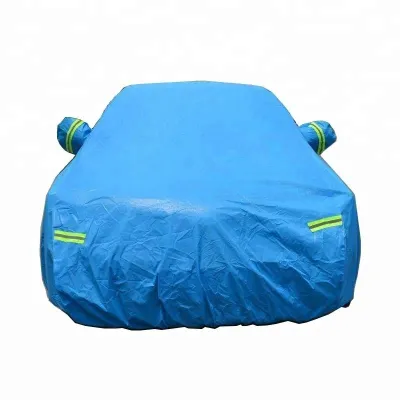

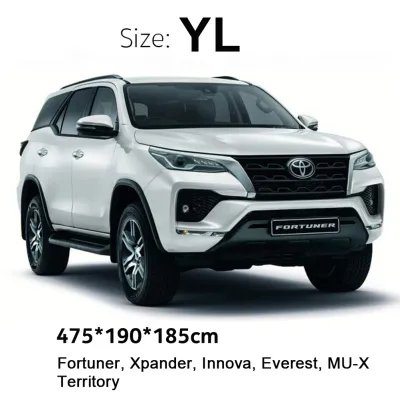
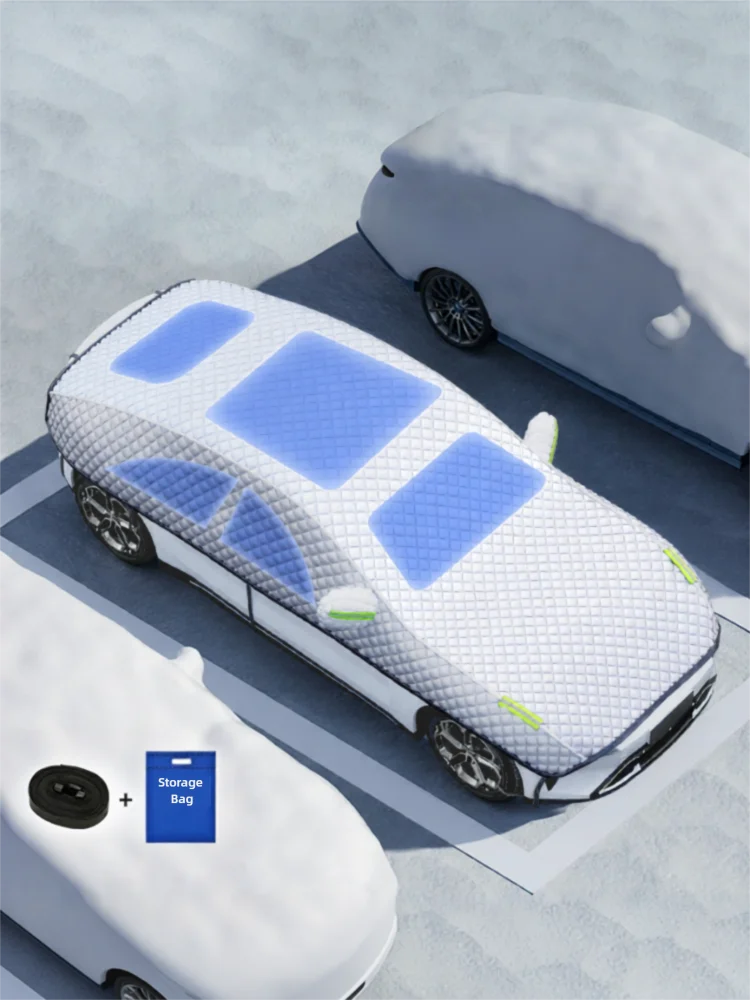
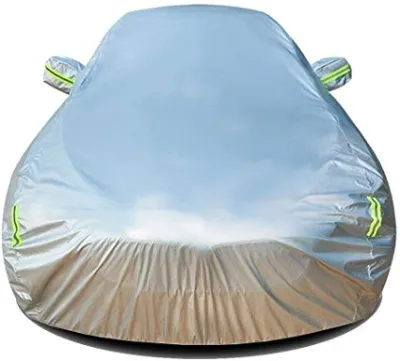
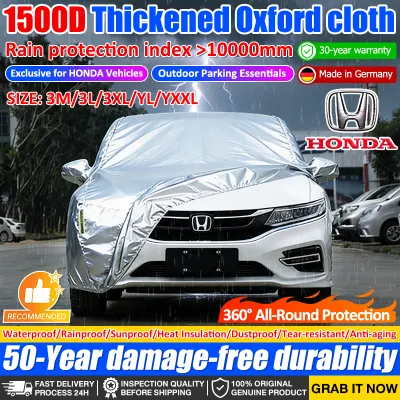
Prices are valid at publication and may change. Please refer to the product page for the latest price.
Compounding this intense solar exposure is the region’s high average relative humidity, which frequently hovers above 80 percent and spikes even higher during monsoon seasons. Standard or low-grade covers lack the material sophistication required to handle this moisture profile. When humidity rises, moisture naturally condenses on the metal surfaces of your car. An inferior cover will trap this dampness underneath, creating a highly destructive greenhouse effect that can blister the paint and ruin rubber seals.
Furthermore, Singapore’s frequent and sudden downpours introduce acidic rainwater, bird droppings, and corrosive tree sap into the mix. If left uncovered, these contaminants eat into the paintwork. If covered with a substandard material, the water penetrates the fabric, carrying dirt particles with it and depositing them directly onto the paint. A specialized cover engineered specifically for tropical climates is essential to block these external liquids while managing the intense heat and humidity underneath.
Verifying UV Protection and Heat Reflection for Your Car Protection Cover
To combat intense solar radiation, the outer layer of your cover must act as an active thermal barrier. High-quality covers utilize multi-layer synthetic constructions featuring a highly reflective outer shell, often treated with aluminum or silver-coated polyester. This reflective surface bounces sunlight away from the vehicle, significantly reducing the cabin’s interior temperature and protecting delicate dashboard plastics, leather upholstery, and electronic components from thermal degradation.

When shopping for a car protection cover, you must look beyond vague marketing buzzwords like “sunproof” and verify concrete specifications. Seek manufacturers that explicitly state the Ultraviolet Protection Factor (UPF) rating of their fabrics, with UPF 50+ being the gold standard for outdoor protection. Additionally, check for documented UV-stabilizer treatments within the fabric weave itself, which prevent the cover’s fibers from becoming brittle, cracking, and tearing after a few months of exposure.
Avoid thin, single-layer dark covers at all costs. Dark materials absorb solar energy rather than reflecting it, transferring extreme heat directly to your car’s bodywork. In extreme cases, a low-quality single-layer plastic cover can actually melt or fuse to the hot clear coat of a car parked under direct sunlight. A robust multi-layer cover keeps a pocket of insulating air between the hot outer layer and the car’s surface, preserving the integrity of your paint.
Balancing Waterproofing and Breathability to Prevent Mold
One of the most common mistakes car owners make is choosing a completely impermeable, 100% waterproof plastic tarp for outdoor storage. While a plastic sheet successfully blocks incoming rain, it completely seals off the vehicle from the surrounding environment. In a humid climate like Singapore’s, moisture rising from the warm asphalt or evaporating from the damp ground will get trapped under the plastic, turning the space beneath into a humid sauna that fosters rapid mold growth on interior upholstery and causes clear coat cloudiness.
To prevent this, you must select a cover that balances water resistance with high breathability. Premium covers achieve this through advanced micro-porous membranes or specialized multi-layer non-woven fabrics. These materials feature microscopic pores that are small enough to block large liquid water droplets from penetrating from the outside, yet large enough to allow microscopic water vapor molecules rising from underneath to escape freely.
When evaluating product specifications, check the manufacturer’s documentation for references to breathable membranes, water-repellent coatings, or hydrostatic head ratings, which measure the fabric’s resistance to water penetration under pressure. Built-in ventilation flaps or mesh vents located along the upper contours of the cover are also highly beneficial, as they facilitate natural air circulation and pressure equalization without allowing rain to enter, ensuring the vehicle remains dry and mold-free.
Securing the Cover Against Sudden Tropical Squalls
Singapore’s weather is notorious for sudden, violent squalls that bring intense wind gusts and heavy downpours. A loose or poorly secured cover acts like a sail in these conditions; if the wind gets underneath, it can easily lift the cover off the vehicle, leaving it exposed or blowing it into nearby cars. Worse, a loose cover that constantly flaps against your car’s bodywork acts like fine-grit sandpaper, dragging trapped road dust and grit across the clear coat and creating thousands of micro-scratches and swirl marks.
To mitigate these risks, look for covers equipped with robust, multi-point anchoring systems. Essential features include heavy-duty elasticized hems along the front and rear bumpers to provide a snug, form-fitting grip. Additionally, adjustable under-body tie-down straps with durable polymer buckles are critical for securing the middle section of the cover, preventing the wind from lifting the fabric from the sides.
For added security during severe weather, choose a cover featuring reinforced grommets at the lower midsection, which allow you to thread a security cable lock or high-tensile rope under the chassis. Custom-fit covers designed for your specific vehicle model and year are highly recommended over universal-fit options. These custom designs feature dedicated mirror pockets and antenna patches that match your car’s exact dimensions, minimizing excess fabric and reducing wind resistance to keep the cover stationary.
Always consult your car’s owner manual and the cover manufacturer’s sizing charts before purchasing. Never rely on generic category terms like “medium sedan” to determine compatibility, as a mismatch of just a few centimeters can compromise the cover’s wind resistance and scratch-prevention capabilities.
Safe Daily Usage and Maintenance in High Humidity
Using a car cover safely requires strict adherence to a few fundamental operational rules. First and foremost, never apply a cover over a vehicle that is dirty, dusty, or wet. If you cover a car covered in road grime, the weight of the cover combined with minor wind movement will grind those abrasive particles into your paint. Similarly, covering a wet car traps water immediately, accelerating the risk of paint blistering and mold growth inside the cabin.
Additionally, you must let your vehicle cool down completely before covering it. Placing a synthetic fabric cover over a hot engine hood or near a piping-hot exhaust pipe can melt the cover’s inner lining, damage the fabric’s waterproof membranes, and trap extreme heat that can harm your vehicle’s cooling components. Allow the engine bay and exhaust system to reach ambient temperature before securing the cover.
When removing the cover, avoid dragging it across the vehicle’s surface. The safest method is to fold the side panels up onto the roof, then carefully roll or fold the cover from the front bumper to the rear. This technique ensures that the dirty outer surface of the cover never comes into contact with the clean inner lining, and it prevents the fabric from sliding against the paintwork, minimizing the risk of friction-induced scratches.
Maintaining the cover itself is vital for preserving its protective qualities. Periodically clean the cover according to the manufacturer’s care labels, which typically recommend hand washing with a mild, pH-neutral soap while the cover is installed on a clean vehicle. Rinse thoroughly with clean water and allow it to air dry completely in the shade. Never machine wash, tumble dry, or use harsh detergents on a high-performance cover, as these actions will strip away the water-repellent coatings and damage the internal breathable membranes. If the cover ever develops a musty odor or visible mildew, clean and dry it thoroughly before placing it back on your vehicle.
Frequently Asked Questions (FAQ)
Is a standard waterproof tarp sufficient for outdoor parking?
No, a standard waterproof plastic tarp is highly unsuitable and potentially damaging for outdoor parking in Singapore. While it successfully blocks rain, its completely non-porous structure prevents trapped humidity, condensation, and rising ground moisture from escaping. In Singapore’s hot, humid climate, this creates a severe greenhouse effect beneath the tarp, which can lead to rapid mold growth on your car’s interior upholstery, damage to rubber seals, and permanent cloudiness or blistering in your vehicle’s clear coat.
Should I remove the cover immediately after it rains?
If you are using a high-quality, breathable cover and your vehicle was completely clean and dry before you covered it, you do not need to rush to remove it immediately after a rainstorm. The breathable membrane will naturally allow trapped moisture to evaporate as the sun warms the fabric. However, if the cover becomes heavily saturated during a prolonged monsoon downpour, it is highly recommended to remove it once the rain stops and hang it to air dry in the shade. Always ensure both the cover and your car’s surface are completely dry and clean before reapplying the cover.
Community discussion
Share your experience or ask a question. Comments are reviewed before publication.