
To protect a vehicle parked outdoors in Singapore, a car cover must deliver three non-negotiable features: high UV reflection, reliable water resistance, and exceptional material breathability. The combination of intense equatorial sunlight and sudden, heavy tropical downpours creates a harsh environment where a basic, non-breathable plastic sheet can cause more damage to your paintwork than leaving the car completely exposed. Selecting the right car cover requires understanding how these protective features interact to shield your vehicle’s exterior from the elements while preventing moisture from becoming trapped underneath.
Understanding Singapore's Climate Impact on Vehicle Exteriors
Singapore’s tropical climate presents a unique set of challenges for automotive paint and interior materials. The UV index frequently reaches extreme levels, delivering relentless solar radiation that gradually breaks down the chemical bonds in your car’s clear coat. Over time, this exposure leads to oxidation, causing the paint to lose its gloss, fade, and eventually peel. Inside the cabin, trapped solar heat can drive temperatures to extreme levels, accelerating the degradation of dashboard plastics, drying out leather upholstery, and weakening interior adhesives.
High relative humidity, which regularly hovers between 80% and 100%, introduces another layer of risk. When a car cover lacks adequate ventilation, ambient moisture and ground condensation become trapped beneath the fabric, undergoing a continuous cycle of evaporation and condensation as temperatures fluctuate. This persistent dampness can lead to osmotic blistering, where moisture penetrates the clear coat and creates tiny, unsightly bubbles in the paint, while also encouraging mold and mildew growth on rubber window seals and interior surfaces.
Products mentioned in this guide
![[24 hours delivery] Upgraded and thickened universal car cover size:M/L/XL/XXL/3XL car cover outdoor protection sunscreen car cover waterproof car shade car cover sun protection car cover outdoor sunscreen](https://img.lazcdn.com/g/p/808f8e56d0f1744f116eabe475a3a1ff.jpg_400x400q80.jpg_.webp)
![[24 hours delivery] Upgraded and thickened universal car cover size:M/L/XL/XXL/3XL car cover outdoor protection sunscreen car cover waterproof car shade car cover sun protection car cover outdoor sunscreen](https://img.lazcdn.com/g/p/64e2d9dbc77f3447b24f93e4a3696f41.jpg_400x400q80.jpg_.webp)
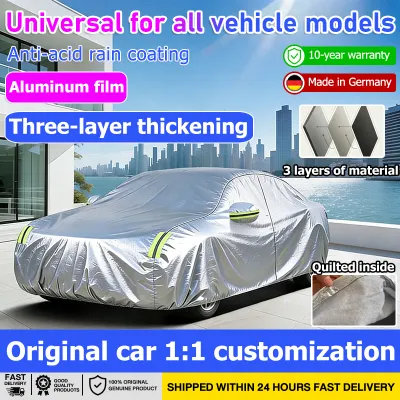
Prices are valid at publication and may change. Please refer to the product page for the latest price.
Frequent and sudden heavy rain showers further complicate vehicle preservation. Rainwater in urban environments often carries acidic pollutants. When these droplets dry on a hot, unprotected car surface, they leave behind mineral deposits and etched water spots that are difficult to remove without professional paint correction. A high-quality car cover must act as a reliable barrier against these sudden downpours, shedding water quickly while allowing the vehicle underneath to remain dry and protected.
Core Protection Features to Look For
To combat these environmental threats, you must look for specific, verifiable material specifications and structural designs when shopping for a car cover. The first line of defense is robust UV blocking capability. Highly effective covers utilize multi-layer designs featuring reflective outer coatings, often in silver or light gray, to bounce solar radiation away. Look for fabrics treated with UV inhibitors, which prevent the cover itself from degrading and becoming brittle under constant sun exposure.

Understanding the distinction between waterproofing and water resistance is crucial for tropical use. A completely waterproof cover, such as solid vinyl, prevents liquid water from entering but also seals in moisture from the ground and air. For high humidity, a water-resistant cover is far more suitable. A high-quality water-resistant cover will cause heavy rain to bead and roll off the surface, while still maintaining the microscopic porosity needed for vapor to escape. Taped or double-stitched seams are also essential to prevent water from seeping through the needle holes during intense storms.
Breathability is the critical feature that prevents trapped condensation. Breathable fabrics feature specialized membranes with pores that let water vapor escape while blocking liquid water. This ensures that any moisture under the cover—from ground evaporation or high humidity—can escape naturally as the air warms up.
Finally, a soft inner lining is necessary to protect the vehicle’s clear coat from physical damage. Wind-blown dust and grit can easily migrate under the edges of a cover. If the inner surface is rough, the constant movement of the fabric in the wind will grind these particles against the paint, creating microscopic scratches. Look for covers lined with brushed cotton, soft fleece, or specialized non-abrasive microfibers that cushion the paint and minimize friction.
Evaluating Cover Materials and Construction
Evaluating the materials and construction of a car cover is essential to ensure it can withstand outdoor tropical use without causing unintended damage. Polyester and nylon blends are popular choices for outdoor covers due to their durability and resistance to tearing. When treated with water-repellent coatings like polyurethane, they provide an excellent balance of water resistance and strength. However, verify that the specific blend retains its breathability, as heavy coatings can seal the fabric completely.
Non-woven fabrics, such as polypropylene, offer excellent breathability and a soft texture that is gentle on paintwork. These materials filter out dust and light moisture while allowing maximum airflow. However, single-layer non-woven covers have limited resistance to intense UV exposure and heavy rain. They are generally best suited for vehicles parked under carports, in sheltered driveways, or for short-term outdoor use rather than continuous, year-round exposure to the elements.
For comprehensive protection, multi-layer composite constructions are highly recommended. These covers combine different materials to address multiple climate challenges simultaneously. A high-performance multi-layer cover features a reflective outer layer to block solar heat, a breathable middle membrane to allow moisture vapor to escape, and a soft inner lining to protect the paintwork. While heavier, they provide the most reliable defense against extreme weather patterns.
Conversely, cheap, single-layer plastic or vinyl covers should be avoided for outdoor parking. Although they are inexpensive and completely waterproof, their lack of breathability creates a greenhouse effect over your vehicle. They trap intense heat and humidity directly against the paint, which can permanently cloud the clear coat, accelerate rust on exposed metal components, and promote rapid mold growth within the vehicle’s cabin and air conditioning vents.
Practical Fit, Security, and Maintenance
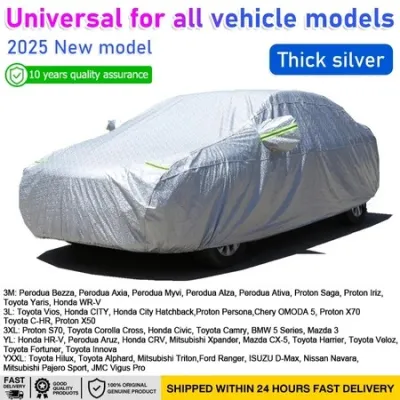
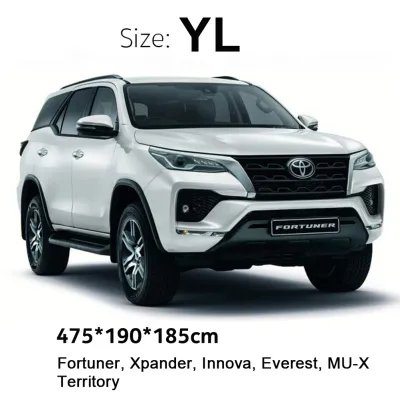
Even the highest-quality material will fail to protect your vehicle if the cover does not fit properly or is not maintained correctly. A loose, universal-fit cover will flap violently during sudden tropical squalls. This constant movement allows wind-blown grit to scratch the paint and puts immense strain on the seams. Custom-fit covers, tailored to your specific vehicle model’s dimensions, incorporate dedicated mirror pockets and contoured shapes that minimize wind resistance. Always verify your vehicle’s exact model year and body style against the manufacturer’s sizing guide before purchasing.
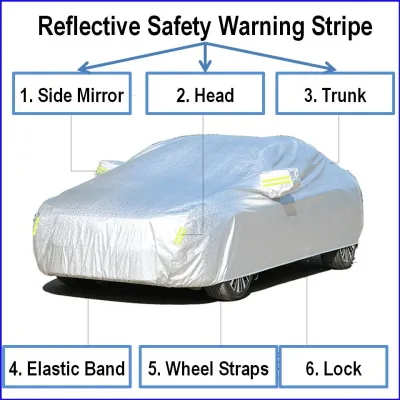
To keep the cover anchored during sudden storms, look for heavy-duty elastic hems at the bumpers. Adjustable under-body tie-down straps with secure, non-scratch buckles are essential to prevent the cover from being lifted by strong winds. Ensure that any hard plastic components on the straps are padded or positioned away from the bodywork to prevent accidental scratching.
Regular cleaning is vital to extend the lifespan of both your cover and your vehicle’s paintwork. Dirt on the outside degrades the water-repellent and UV-resistant coatings, while dirt on the inside acts as an abrasive. Wash the cover according to the manufacturer’s instructions, typically by draping it over a clean vehicle and spraying it with a hose using a mild, pH-neutral car shampoo. Avoid harsh detergents, bleach, or fabric softeners, which strip away protective coatings. Always allow the cover to air-dry completely on both sides before storing it.
Finally, establish a regular inspection routine to check for signs of wear and degradation. Look for a chalky residue on the surface, fabric thinning, or brittle areas, which indicate that the UV inhibitors have broken down. Check the seams for fraying or separation, and test the water repellency by spraying a small amount of water on the cover; if the water soaks into the fabric rather than beading and rolling off, the water-resistant treatment may need to be reapplied using a manufacturer-approved fabric protectant, or the cover may need to be replaced entirely.
Frequently Asked Questions (FAQ)
Is it safe to put a car cover on a wet car?
No, it is not safe to put a car cover on a wet vehicle. Covering a damp car traps moisture directly against the paintwork, creating a highly humid environment under the fabric. When exposed to the hot sun, this trapped water heats up, leading to paint clouding, clear coat blistering, and rapid mold growth on rubber seals and interior surfaces. Always ensure the vehicle is completely dry and free of surface dust before applying the cover.
How often should I wash my outdoor car cover?
You should generally wash your outdoor car cover every two to three months, or sooner if it becomes visibly soiled with bird droppings, tree sap, or heavy dust. Regular washing prevents these contaminants from degrading the protective coatings and fabric fibers. Always check the manufacturer’s care label for specific washing instructions, temperature limits, and approved cleaning agents to avoid damaging the cover’s water-resistant and UV-resistant properties.
Can a car cover protect against tree sap and bird droppings?
Yes, a high-quality car cover acts as an excellent sacrificial barrier against highly acidic bird droppings and sticky tree sap, which can otherwise etch into your paintwork within hours. However, you must clean these contaminants off the cover as soon as possible. The acidic nature of bird droppings and the chemical compounds in tree sap can degrade the cover’s fabric and compromise its water-resistant coatings if left untreated.
Community discussion
Share your experience or ask a question. Comments are reviewed before publication.