
Choosing a car air diffuser in Singapore requires careful consideration of the country’s relentless tropical heat and high humidity. When a vehicle is parked under the direct sun, cabin temperatures can escalate rapidly, transforming the interior into a high-heat chamber that tests the limits of accessories. To ensure a diffuser performs reliably without leaking, warping, or losing its scent profile within days, you must focus on specific material standards, formulation stabilities, and secure mounting designs. A well-chosen diffuser not only enhances the driving experience but also protects your vehicle’s delicate interior surfaces from chemical damage and heat-induced failures.
Operating a vehicle in a tropical environment introduces unique challenges that standard automotive accessories are rarely designed to handle out of the box. The combination of intense ultraviolet (UV) radiation, high ambient humidity, and rapid temperature fluctuations when switching between the air conditioning and outdoor parking requires a strategic approach to selecting interior products. By understanding how these environmental factors interact with different diffuser designs, you can make an informed decision that preserves both your vehicle’s cabin quality and your personal comfort.
Evaluating Heat Resistance and Material Stability
The interior of a car parked under direct sunlight in Singapore can easily reach temperatures that exceed normal operating limits for standard consumer plastics. When evaluating a car air diffuser, the primary defense against structural failure is the quality of its housing and internal components. Low-melting-point plastics, such as cheap acrylonitrile butadiene styrene (ABS) or polystyrene, are highly susceptible to warping, discoloration, and structural degradation under sustained thermal stress. To prevent these issues, prioritize diffusers constructed from high-grade materials such as anodized aluminum, zinc alloy, or heat-resistant polycarbonate. These materials maintain their structural integrity even when exposed to extreme cabin heat over extended periods.
Products mentioned in this guide
![[KIRONA SCENT] Mori Car Hanging Aroma Diffuser | Air Freshener & Perfume for Cars Wardrobes Gifts | Hotel Mall & Perfume Scents](https://img.lazcdn.com/g/p/dd423b2626f24f6202aa463c697a356b.png_400x400q80.png_.webp)
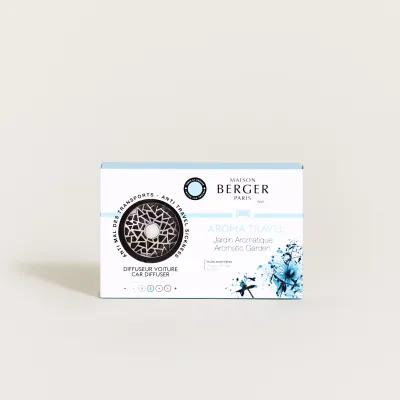
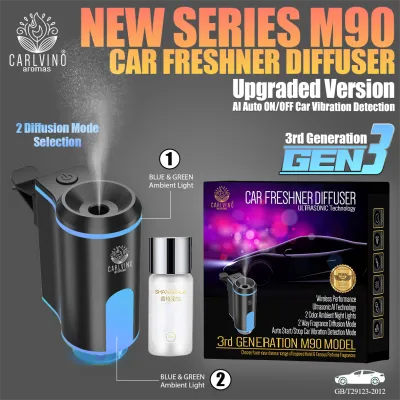

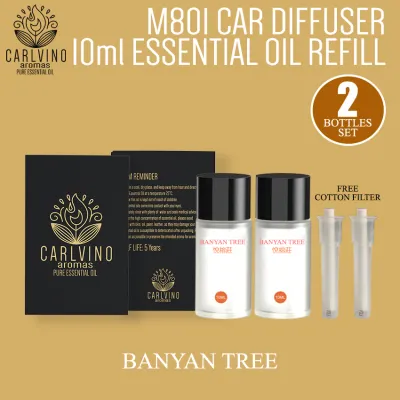
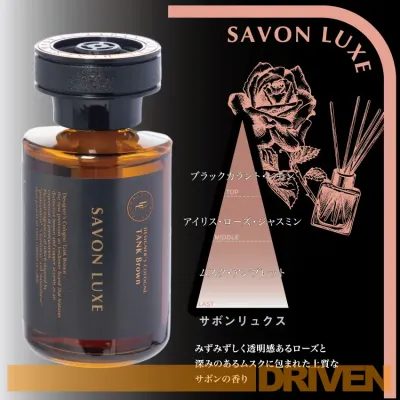
Prices are valid at publication and may change. Please refer to the product page for the latest price.
Beyond the outer shell, internal seals and gaskets must be scrutinized. Heat causes liquids to expand, which increases pressure inside sealed fragrance reservoirs. If a diffuser lacks a robust pressure-relief mechanism or uses low-quality silicone seals, this pressure buildup can force the fragrance liquid out of the seams, leading to damaging leaks. Furthermore, many budget diffusers rely on double-sided adhesives to mount onto the dashboard or console. Under intense heat, these adhesives can liquefy, causing the diffuser to slide, spill its contents, and leave a stubborn, sticky residue that can permanently damage soft-touch plastics or leather upholstery. Always verify the manufacturer’s specified temperature limits and opt for mechanical mounting solutions, such as secure vent clips, over adhesive pads whenever possible.
Selecting Humidity-Resistant Fragrance Formulations
Singapore’s high relative humidity significantly alters how fragrances evaporate and disperse within a vehicle’s cabin. In a humid environment, the air is already heavily saturated with water vapor, which can suppress the natural evaporation of water-based scent solutions while causing volatile organic compounds in essential oils to release unevenly. This often results in a scent profile that feels overwhelmingly cloying on damp days or, conversely, dissipates almost entirely within a few days of opening. To achieve a consistent olfactory experience, look for fragrance formulations specifically labeled as humidity-resistant or designed for tropical climates, which utilize specialized carrier solvents to regulate evaporation rates.

The physical format of the fragrance also plays a critical role in its performance under humid conditions. Liquid diffusers offer excellent scent intensity but carry the highest risk of spilling and rapid depletion due to heat-induced evaporation. Solid gel diffusers are a popular alternative, but they are highly prone to shrinking, cracking, or forming a hard, non-porous crust when exposed to high humidity and heat, which prematurely cuts off scent delivery. Solid polymer or ceramic-infused diffusers generally offer the most stable performance in tropical climates; they do not rely on liquid reservoirs, cannot spill, and release fragrance through a controlled, slow-release matrix that remains unaffected by ambient moisture levels. Additionally, because damp cabins can foster the growth of mold and bacteria, check if the fragrance formulation or the diffuser design incorporates mild anti-bacterial properties to help maintain clean, fresh air.
Ensuring Airflow and Ventilation Compatibility
Integrating a diffuser with your car’s air conditioning system requires a careful assessment of physical compatibility and airflow dynamics. Vent-clip diffusers are highly effective because they utilize the vehicle’s active airflow to distribute the fragrance evenly throughout the cabin. However, the plastic louvers on car air vents are delicate and can easily snap under excessive weight or improper tension. Before purchasing a vent-mounted diffuser, check its weight when fully loaded with fragrance and ensure the clip is padded with soft silicone or rubber to prevent scratching the vent blades. Avoid heavy glass bottles or overly rigid metal clips that put concentrated leverage on a single louver.
The way you operate your vehicle’s climate control also influences diffuser performance and cabin humidity. Running the air conditioning in recirculation mode helps dehumidify the cabin air, creating an optimal environment for clean scent dispersion. Conversely, using the fresh air mode introduces hot, humid outside air, which can cause rapid condensation to form on the cold surfaces of a vent-mounted diffuser. This condensation can mix with the fragrance oils, leading to unsightly dripping or residue buildup on the vent surround. To maximize dispersion without causing discomfort, position the diffuser on a central vent rather than a side vent, and adjust the louvers so the airflow is directed upward and outward, preventing concentrated scent or moisture from blowing directly onto the faces of passengers.
Managing Power Sources and Electrical Safety
For drivers considering active, electronic, or ultrasonic car air diffusers, power management and electrical safety are paramount in a hot climate. Wireless diffusers powered by built-in lithium-ion batteries offer great placement flexibility, but they introduce a severe safety hazard when left in a hot car. High cabin temperatures can cause lithium batteries to swell, degrade, or experience thermal runaway, which poses a fire risk. If you choose a battery-powered model, ensure it features strict thermal protection standards, and never leave the unit on the dashboard or in direct sunlight when the vehicle is parked.
Wired electronic diffusers that connect via USB or a 12V accessory socket eliminate the battery hazard but require high-quality cabling and smart power management. Inspect the power cable to ensure the insulation is thick, flexible, and rated for automotive temperatures, as cheap cables can become brittle and crack over time, leading to short circuits. Route the cable neatly along the console to prevent it from interfering with the gear selector, handbrake, or passenger footwells. Most importantly, verify that the electronic diffuser features an automatic shutoff timer or a smart vibration sensor that powers down the device when the vehicle is stationary or when the ignition is turned off. This prevents the diffuser from running continuously in an unattended car, which can drain the vehicle’s battery and cause the device to overheat.
Monitoring Maintenance and Replacement Indicators
Maintaining optimal air quality in your vehicle requires a proactive routine of inspection and cleaning. Over time, even the highest-quality diffusers can accumulate dust, pollen, and chemical residue from evaporated fragrance oils. Establish a weekly routine to inspect the diffuser housing, mounting clips, and surrounding cabin surfaces for any signs of residue buildup, discoloration, or changes in the scent’s character. If you notice a sticky film forming on the air vents or dashboard near the diffuser, temporarily remove the unit and clean the affected area immediately to prevent permanent damage to the interior materials.
When cleaning the diffuser and surrounding surfaces, always refer to the manufacturer’s instructions and use safe, non-abrasive methods. A soft, dry microfiber cloth is usually sufficient for wiping down the exterior of the unit. Avoid using harsh chemical solvents, alcohol-based cleaners, or abrasive pads, as these can strip the protective coatings from both the diffuser and your car’s plastic or leather trim. Be alert to clear, observable indicators that a refill or the entire unit needs replacement: a sudden, unpleasant change in the scent profile, visible mold growth on a wick or filter, or physical warping of the plastic casing are definitive signs that the diffuser is no longer fit for use and should be replaced to protect your cabin’s air quality.
Frequently Asked Questions (FAQ)
Can I leave a liquid car air diffuser on the dashboard in Singapore?
Leaving a liquid car air diffuser on the dashboard is highly discouraged in Singapore’s climate. The intense, direct sunlight passing through the windshield creates a greenhouse effect, raising dashboard temperatures to extreme levels. This heat causes the liquid fragrance to expand rapidly, increasing the risk of leakage through the seals. Additionally, UV exposure can degrade the plastic housing of the diffuser, making it brittle and prone to cracking. To protect your vehicle’s interior, it is safer to mount the diffuser on an air vent or place it in a cup holder, away from direct sunlight, in accordance with the product’s safety guidelines.
Do solid gel diffusers last longer than liquid ones in humid weather?
Solid gel diffusers do not necessarily last longer than liquid ones in humid weather, as their lifespan is highly dependent on formulation quality and environmental exposure. While gels do not spill, the combination of high humidity and cabin heat often causes them to dry out unevenly, shrink rapidly, or form a hard outer crust that blocks further scent release. In some cases, extreme heat can even cause low-quality gels to liquefy and pool. Rather than assuming a universal rule, check the manufacturer’s specific lifespan estimates for tropical climates and consider solid polymer or ceramic diffusers for the most consistent longevity.
Will a car air diffuser affect my vehicle's cabin air filter?
Standard passive car air diffusers generally do not affect your vehicle’s cabin air filter, as they release fragrance molecules in very low concentrations. However, if you use active electronic diffusers, ultrasonic misters, or heavy oil-based systems, the fine oil droplets suspended in the air can eventually be drawn into the recirculation vents. Over time, these oily particulates can settle on the cabin air filter, attracting dust and potentially reducing the filter’s efficiency or causing it to develop a stale odor. If you use an active diffuser regularly, inspect your cabin air filter more frequently and replace it if you notice any oily residue or reduced airflow.

Community discussion
Share your experience or ask a question. Comments are reviewed before publication.