
The BMW X1 is a highly popular compact luxury SUV for families, offering a premium driving experience alongside practical dimensions. However, adapting this premium cabin for daily family duties—such as school runs, grocery trips, and weekend outings—requires selecting the right accessories. The key to maximizing the utility of your X1 lies in choosing items that complement its premium materials while addressing the specific needs of children, cargo management, and cabin protection. By focusing on smart storage, robust seat protection, and safe entertainment mounts, you can preserve the vehicle’s resale value and keep every journey comfortable.
How to Verify Fitment and Safety Before Buying
Before purchasing any accessory for your BMW X1, you must identify the exact generation and powertrain variant of your vehicle. The X1 has evolved significantly across its generations, including the first-generation E84, the second-generation F48, and the modern third-generation U11. A cargo organizer or floor mat designed for an older F48 model will not align correctly with the revised floor plan of a U11 model. Furthermore, electrified variants such as plug-in hybrids (PHEVs) or the fully electric iX1 often feature different boot floor heights and under-floor clearances due to battery placement, meaning standard petrol-model accessories may not fit.
Safety must remain your primary consideration when installing any interior add-on. For families with young children, locating the ISOFIX anchor points and understanding the rear-seat belt routing geometries is essential before purchasing child restraint systems. Some aftermarket accessories can inadvertently block these critical safety anchors or alter the path of the seat belt, compromising passenger protection. Always consult your BMW owner’s manual to locate these points precisely and ensure that any protective seat cover has dedicated cutouts that leave the ISOFIX anchors fully accessible.
Products mentioned in this guide
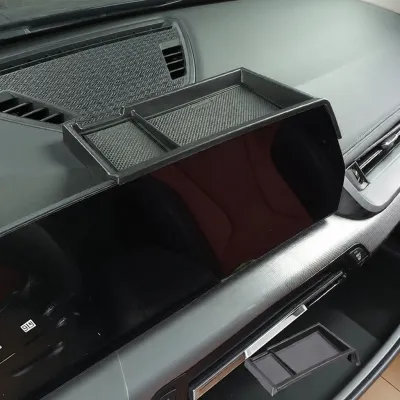
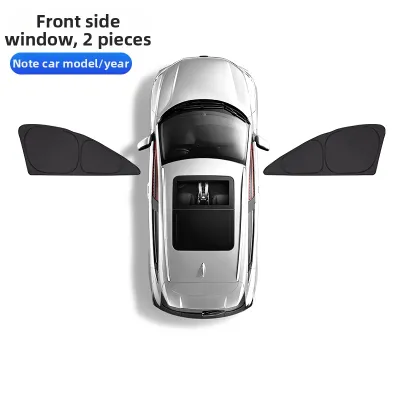
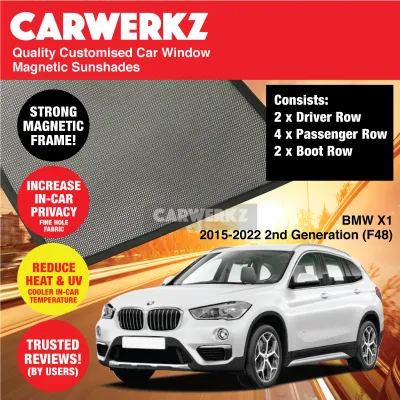
Prices are valid at publication and may change. Please refer to the product page for the latest price.
Physical dimensions require careful measurement rather than estimation. Before buying large cargo bins, strollers, or rigid luggage organizers, measure the width, depth, and height of your X1’s boot with the rear seats both upright and folded flat. This prevents the frustration of purchasing storage gear that prevents the tailgate from closing or blocks your rearward visibility. Keep in mind that the X1’s premium interior relies on precise clearances, and forcing oversized items into the boot can scratch the plastic trim or tear the side carpeting.
Finally, electronic accessories must be integrated with caution to protect the vehicle’s sophisticated electrical architecture. The iDrive system and the vehicle’s array of interior sensors, including seat occupancy sensors and side-curtain airbags, require unobstructed space to function correctly. Ensure that charging cables, tablet mounts, and portable electronic devices do not cross airbag deployment zones or interfere with the driver’s view. Any electrical accessory should draw power safely from the designated 12V sockets or USB-C ports without overloading the system or requiring modifications to the factory wiring.
Child Safety and Rear-Seat Protection
Selecting a child restraint system for the BMW X1 requires balancing safety ratings with the physical layout of the rear cabin. While the X1 offers a relatively spacious rear bench for a compact SUV, the width of the cabin and the angle of the seat base can influence how securely a child seat rests. When choosing an ISOFIX-compatible seat or booster cushion, verify that the base of the child seat matches the contour of the X1’s leather or Sensatec upholstery. A seat base that is too wide or has sharp plastic edges can leave permanent indentations or tears in the premium seating material.

To safeguard the vehicle’s interior from the inevitable spills, crumbs, and scuffs associated with young passengers, high-quality rear-seat protective mats are highly recommended. Look for protective covers made from durable, non-slip materials that grip the seat bottom securely without sliding. These mats should feature a waterproof barrier to contain liquid spills from juice boxes or water bottles, which can otherwise seep into the seat seams and cause unpleasant odors. Kick guards suspended from the front headrests are equally valuable, protecting the delicate front seatbacks from muddy shoes and constant scuffing.
Sun protection is another critical factor for rear-seat passengers, particularly during long drives in warm climates. Custom-fit magnetic mesh sunshades are often more effective than generic suction-cup or static-cling alternatives. These custom shades are designed to match the exact window frame dimensions of your specific X1 generation, providing maximum coverage without leaving unsightly residue on the glass. Crucially, they allow you to roll down the rear windows for fresh air while remaining securely in place, and they do not interfere with the deployment of the side-curtain airbags housed in the roof lining.
Before finalizing any child seat or protective accessory purchase, always cross-reference the accessory manufacturer’s vehicle compatibility list with the guidelines in your BMW owner’s manual. The manual provides specific instructions regarding which rear seating positions are approved for different types of child restraints, including rear-facing infant carriers and forward-facing booster seats. If you are unsure about the installation process or the compatibility of a specific restraint system, seek assistance from a certified child passenger safety technician to ensure the system is mounted securely.
Cargo Organization for Strollers and Daily Gear
The boot of the BMW X1 is highly versatile, but keeping daily family gear organized requires a structured approach. Collapsible boot organizers and heavy-duty utility crates are excellent tools for securing loose items, groceries, and sports equipment. Without containment, loose items can slide across the boot floor during cornering or sudden braking, potentially damaging the vehicle’s side panels or the items themselves. Choosing an organizer with a non-slip rubberized base helps keep the unit firmly in place on the carpeted boot floor.
To secure larger items like strollers or bulky luggage, utilize the X1’s built-in tie-down points and side rails. Installing adjustable cargo nets or luggage tensioning straps allows you to anchor heavy items directly to the vehicle’s chassis structure. This is particularly important for safety, as unsecured heavy objects can become dangerous projectiles in the event of a sudden stop. Luggage dividers can also be used to partition the boot, separating dirty outdoor gear or strollers from clean groceries and personal bags.
Under-floor storage compartments offer a discreet way to store emergency kits, tools, or valuable items out of sight. However, X1 owners must be mindful of their specific powertrain when planning to use this space. If you drive a plug-in hybrid (PHEV) or fully electric variant, the high-voltage battery pack is typically housed beneath the boot floor, which significantly reduces or entirely eliminates this sub-floor storage cavity. Always check the physical depth of your under-floor compartment before purchasing custom-fit storage trays or organizer inserts designed for petrol-only models.
For items that need to remain within easy reach of rear passengers, seat-back organizers are a practical addition. These organizers hang from the front headrest posts and provide dedicated pockets for water bottles, snacks, books, and small toys. To maintain the premium feel of the X1’s cabin, select organizers made from reinforced, sag-resistant materials that hold their shape even when fully loaded. This prevents the organizer from drooping into the legroom of rear passengers or interfering with their comfort.
Rear-Seat Entertainment and Comfort Solutions
Keeping passengers comfortable and entertained on extended road trips is key to a peaceful cabin environment. Headrest-mounted tablet holders are a popular solution for rear-seat entertainment, but they must be selected with safety and ergonomics in mind. Look for mounts that feature robust, anti-vibration clamping mechanisms that attach securely to the metal headrest support bars. Avoid flimsy plastic mounts that can shake during travel, as this can cause eye strain for children. Additionally, ensure the mount does not block the rear air conditioning vents or restrict the vertical adjustment of the front headrests.
Managing power cables is another crucial aspect of setting up rear-seat entertainment. The BMW X1 is equipped with USB-C ports and 12V power sockets in the rear console, which should be utilized safely. Use short, high-quality charging cables that are routed neatly along the sides of the seats or secured with cable clips. Loose, dangling cables across the footwells present a significant tripping hazard for children entering or exiting the vehicle and can be easily damaged if caught in the seat adjustment mechanisms.
For physical comfort during long journeys, ergonomic travel pillows and neck supports can make a substantial difference for younger passengers. Choose supports designed specifically for car seats that prevent a child’s head from slumping forward when they fall asleep. These supports should be made from breathable, hypoallergenic fabrics to prevent overheating in warm weather. Ensure that any pillow or support does not interfere with the proper positioning of the child seat harness or the vehicle’s three-point seat belt.
Climate control accessories can also enhance rear-seat comfort, particularly if your X1 trim level does not include independent rear climate controls. High-quality, model-specific window deflectors installed on the exterior door frames allow you to crack the rear windows slightly to improve airflow without creating excessive wind noise or letting in rain. This is especially useful for maintaining a comfortable cabin temperature during mild weather without relying solely on the air conditioning system.
Exterior Carriers and All-Weather Protection
When family adventures require more gear than the boot can accommodate, expanding your X1’s carrying capacity with exterior carriers is a logical step. Before purchasing a roof box or cargo carrier, inspect your X1’s roof configuration to determine if it has flush or raised roof rails. You will need to select compatible crossbars that attach securely to these rails. Always consult the owner’s manual to verify the maximum dynamic roof load limit for your specific model year, which typically ranges between 75kg and 100kg, including the weight of the crossbars and the empty roof box itself. Exceeding this limit can negatively affect the vehicle’s handling, stability, and braking performance.
Bicycle racks are another popular exterior accessory, available in tow-bar-mounted or roof-mounted configurations. Tow-bar-mounted racks offer the advantage of easier loading and unloading, as you do not need to lift heavy bicycles onto the roof of the SUV. However, you must verify that your X1 is equipped with an approved tow bar and that the rack does not obstruct the rear license plate, taillights, or the operation of the hands-free tailgate sensor. Roof-mounted bike racks keep the rear of the vehicle clear but require more physical effort to load and increase the vehicle’s overall height. When navigating tight multi-storey car parks in Singapore, roof-mounted accessories require extra caution due to low clearance heights.
To protect the interior floorboards from mud, sand, water, and spills, high-walled all-weather rubber floor mats are an indispensable investment. In regions like Singapore, where tropical downpours and high humidity are common, these custom-fit rubber mats feature raised edges that trap liquids and debris, preventing them from soaking into the vehicle’s floor carpets and causing mold or corrosion. While high-quality custom-fit mats may require an investment of S$100 to S$300, they provide invaluable protection against moisture. When installing front floor mats, ensure they are secured using the factory retention clips to prevent them from slipping forward and interfering with the accelerator or brake pedals.
Finally, be aware of the aerodynamic and efficiency impacts of installing exterior carriers. Roof boxes, bike racks, and even empty crossbars increase aerodynamic drag, which can noticeably reduce fuel economy in petrol models or decrease driving range in electric and hybrid variants. To optimize efficiency, remove exterior carriers and crossbars when they are not in use. Always adhere to the manufacturer’s recommended speed limits when driving with exterior loads to ensure safe handling and structural integrity.
Community discussion
Share your experience or ask a question. Comments are reviewed before publication.